Nepal has restarted work on a law that would force domestic airlines to carry more insurance and pay higher compensation after accidents. The draft bill would raise the minimum payout for a passenger’s serious injury, disability, or death to $100,000. The bill is now with Nepal’s Ministry of Law for legal review, according to The Kathmandu Post, which first obtained the draft text.
The bill covers every domestic flight departing from airports such as Tribhuvan International Airport (KTM) in Kathmandu, Nepal’s main gateway. It follows years of delay after Nepal ratified the Montreal Convention 1999 in December 2018, a treaty that already governs international flights but does not reach domestic routes. Officials revived the process because current compensation, just $20,000 per passenger, has left grieving families with far less support than international travelers receive under global rules.
What the Draft Aviation Bill Proposes
The core change is a five-fold jump in the minimum payout for death or injury on a domestic flight. The Kathmandu Post reported that airlines would owe at least $100,000 per passenger, unless the carrier proves the harm was not due to its own negligence or wrongdoing.
The bill also sets rules well beyond passenger deaths. It covers cargo loss, baggage damage, and flight delays, and it spells out exactly when an airline can avoid paying. Buddhi Sagar Lamichhane, a joint-secretary at the ministry, said the plan only recently cleared a key hurdle: “We received the Cabinet’s approval to prepare the bill three days ago,” he told The Kathmandu Post.
Why Nepal is Reviving a Law Stalled Since 2019
The bill has a long, troubled history. Stakeholders finished discussing an early draft back in 2020, but successive tourism ministers failed to bring it before Parliament, largely because Parliament was prorogued multiple times.
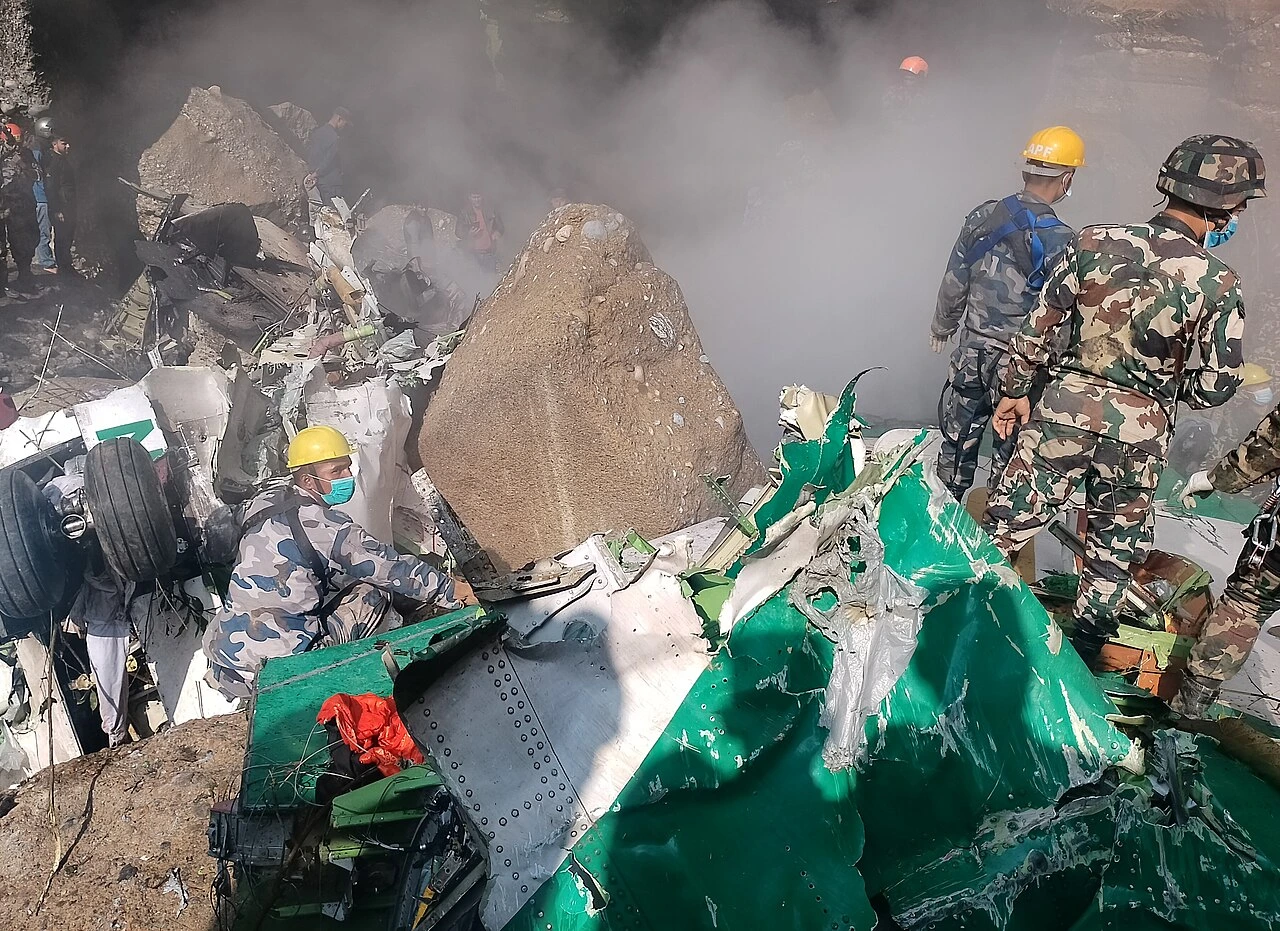
That delay had real consequences. Families of passengers killed in the January 2023 Yeti Airlines (YT) crash in Pokhara missed out on the higher compensation the bill would have guaranteed, since the old $20,000 minimum still applied at the time.
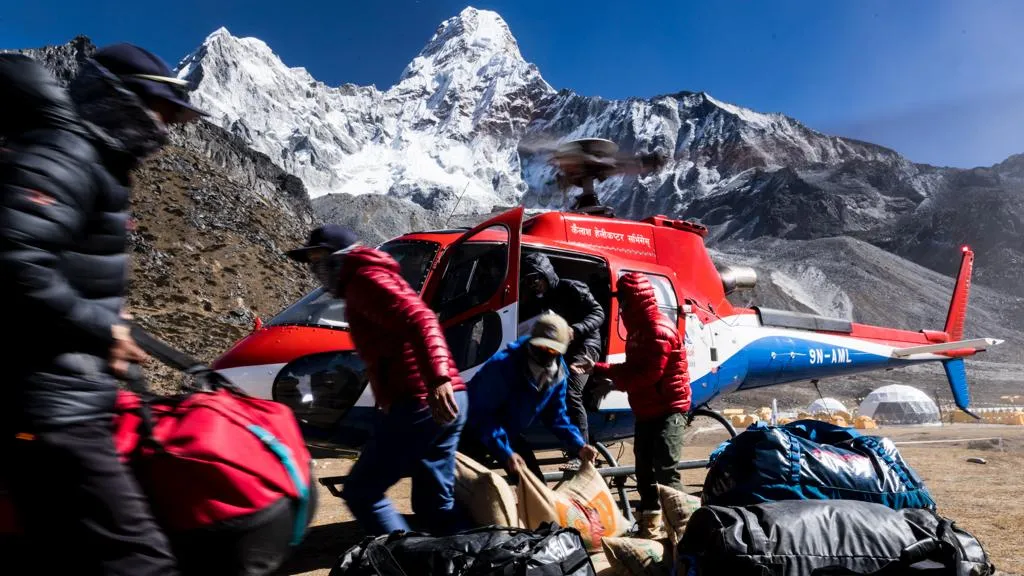
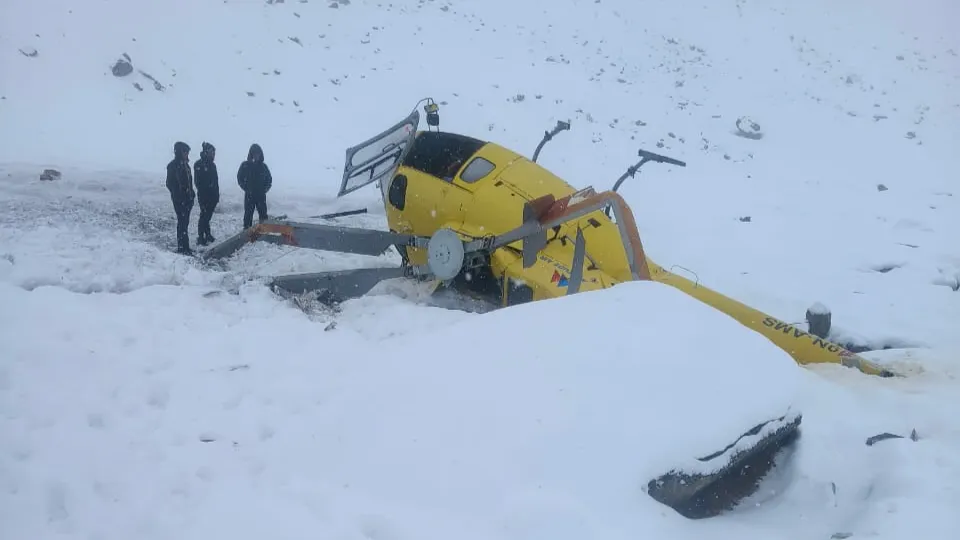
Nepal’s air safety record explains the urgency. More than 900 people have died in Nepali air accidents since the first recorded crash in August 1955. Nepal’s most-dangerous airport, Lukla Airport has also seen some terrible crashes in the past.
A January 2025 study in the NPRC Journal of Multidisciplinary Research found that 14 of 34 aircraft accidents over a 14-year span killed everyone on board, and it named Nepal’s mountainous terrain and weather as recurring factors.

Photo: Ajendra Rai | aviospace.org
How Nepal’s Proposed Payout Compares with Global and Regional Rules
Nepal’s proposed $100,000 minimum still falls well short of what international passengers receive. The Montreal Convention sets airline liability at up to $202,500 for a passenger death or injury on international flights. Under the convention’s first tier, airlines cannot contest liability up to that amount unless the passenger contributed to the injury.
The gap looks different next to Nepal’s neighbors. India’s Carriage by Air Act, 1972 requires operators to carry insurance for passengers, crew, baggage, cargo, and third-party liability, but it does not set a specific statutory minimum for third-party cover. That makes Nepal’s approach more prescriptive than India’s, even though Nepal’s proposed payout remains below the Montreal Convention ceiling.
Nepali airline officials have pushed back on applying the full international standard. They argue that given the country’s mountainous terrain, unpredictable weather, and limited airport infrastructure, domestic carriers cannot absorb unlimited liability for flight delays the way international airlines can under the Montreal Convention.
What Else the Bill Covers
Beyond passenger deaths, the draft bill sets clear compensation rules for baggage, cargo, and disrupted flights. According to The Kathmandu Post, the bill would require:
- Up to $20 per kilogram for lost or damaged checked baggage, capped at $5,000 total, paid in Nepali currency.
- Up to $400 for lost or damaged carry-on items.
- A $20-per-kilogram cap on cargo losses, unless the shipper declared a higher value in writing beforehand.
- At least three hours’ notice to passengers if a flight is delayed or cancelled.
- An alternative flight, or another cost-free travel option, if a passenger is bumped from an overbooked flight.
The bill also requires airlines to arrange medical treatment for injured passengers and to cover funeral and transport costs upfront after a death. Compensation limits would be reviewed every ten years and adjusted for inflation, with any change published in the Nepal Gazette.
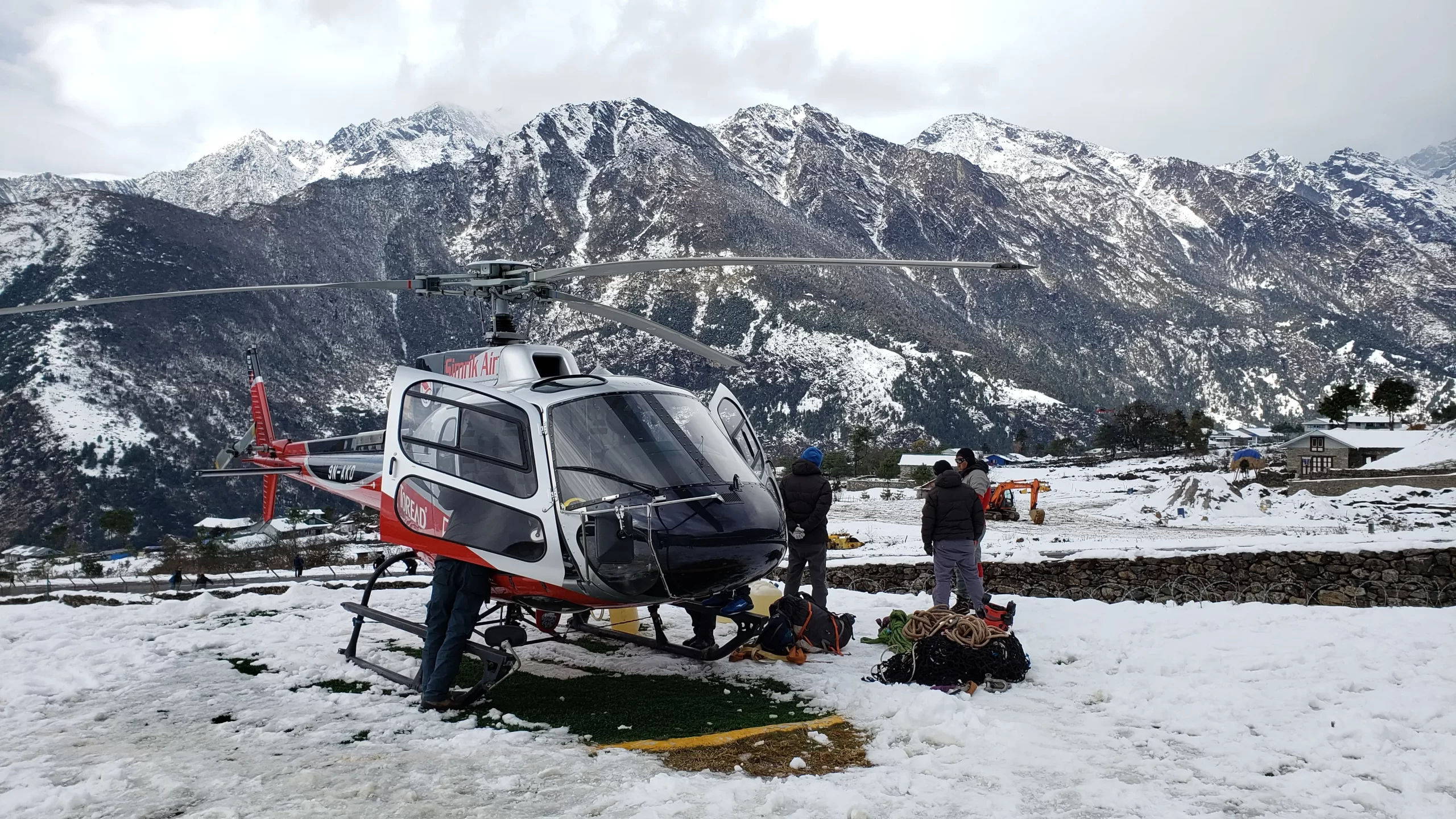
Photo: Surendra Paudel | Aviospace.org
Reinsurance and Insurance Market Concerns
Legal and insurance experts have flagged a currency problem in the current draft. A legal briefing from Pradhan Law noted that setting domestic compensation in US dollars is unusual, since Nepalese law typically expresses compensation in local currency for domestic matters rather than international treaty obligations.
Higher liability limits will also test Nepal’s small insurance market. Aviation risks in South Asia are routinely reinsured overseas because domestic markets often lack the capacity to absorb large claims alone, Insurance Business reported. The June 2025 Air India crash produced insurance claims near $475 million, roughly three times India’s entire annual aviation insurance premium pool, illustrating how a single accident can outstrip local capacity.
What Will Happen Next
The bill now sits with Nepal’s Ministry of Law for legal review. Once that review clears, officials say the draft will move to the Cabinet for approval before being tabled in Parliament, a process that has historically taken months.
Nepal’s civil aviation ministry has not set a firm date for when the bill will reach lawmakers.