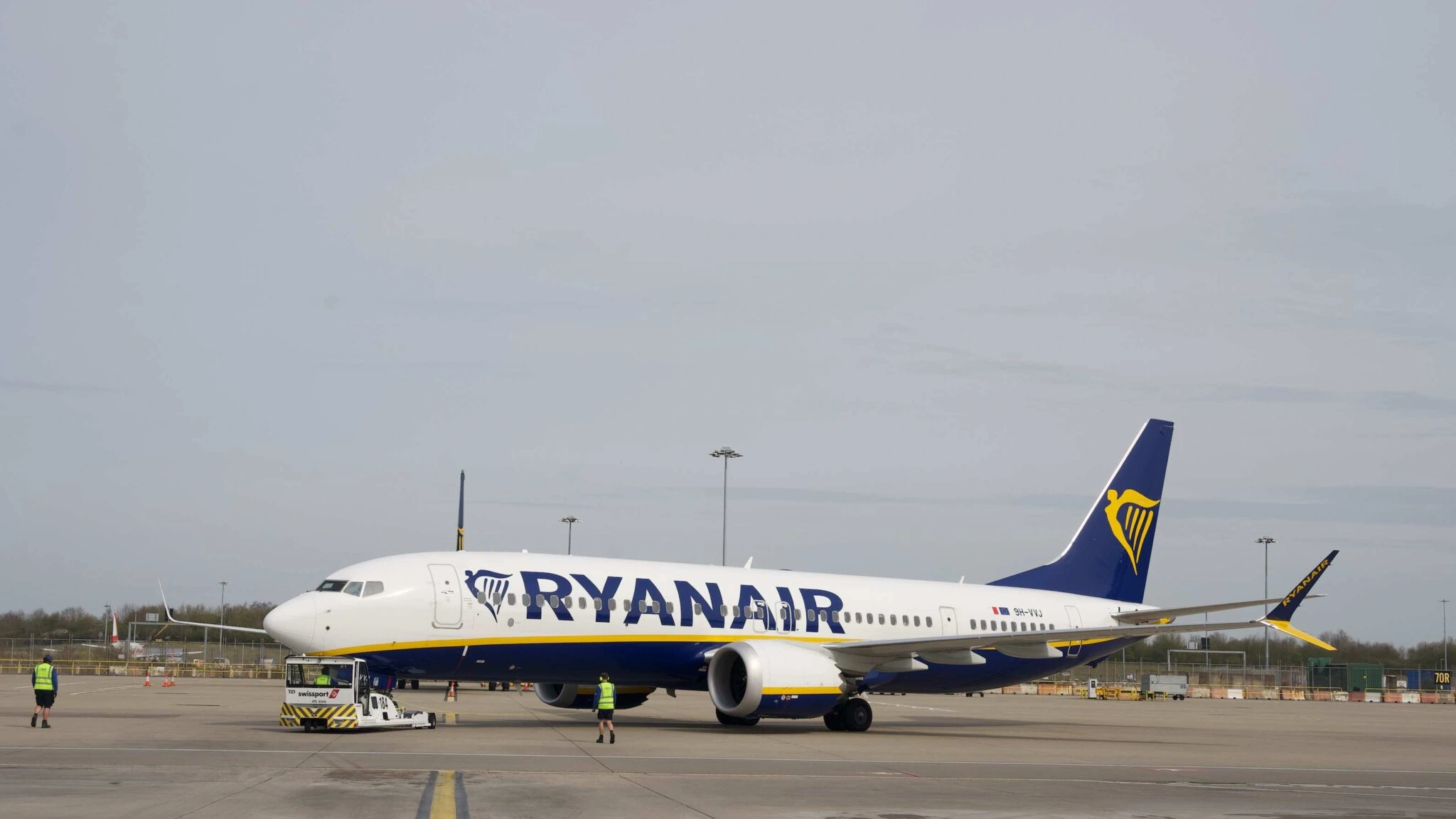
Ryanair (FR) called on the European Union on July 1, 2026, to suspend its new Entry/Exit System (EES) border checks until September, warning that passport queues have reached “critical” levels at airports across the continent, Euronews reported. The call came hours after ACI Europe, the trade body representing the continent’s airports, wrote an open letter to European Commission President Ursula von der Leyen warning that wait times had reached up to five hours during peak periods.
Ryanair, easyJet (U2), British Airways (BA), Lufthansa (LH), and Air France (AF) have all pressed Brussels for a temporary pause, arguing the system cannot yet handle summer passenger volumes.
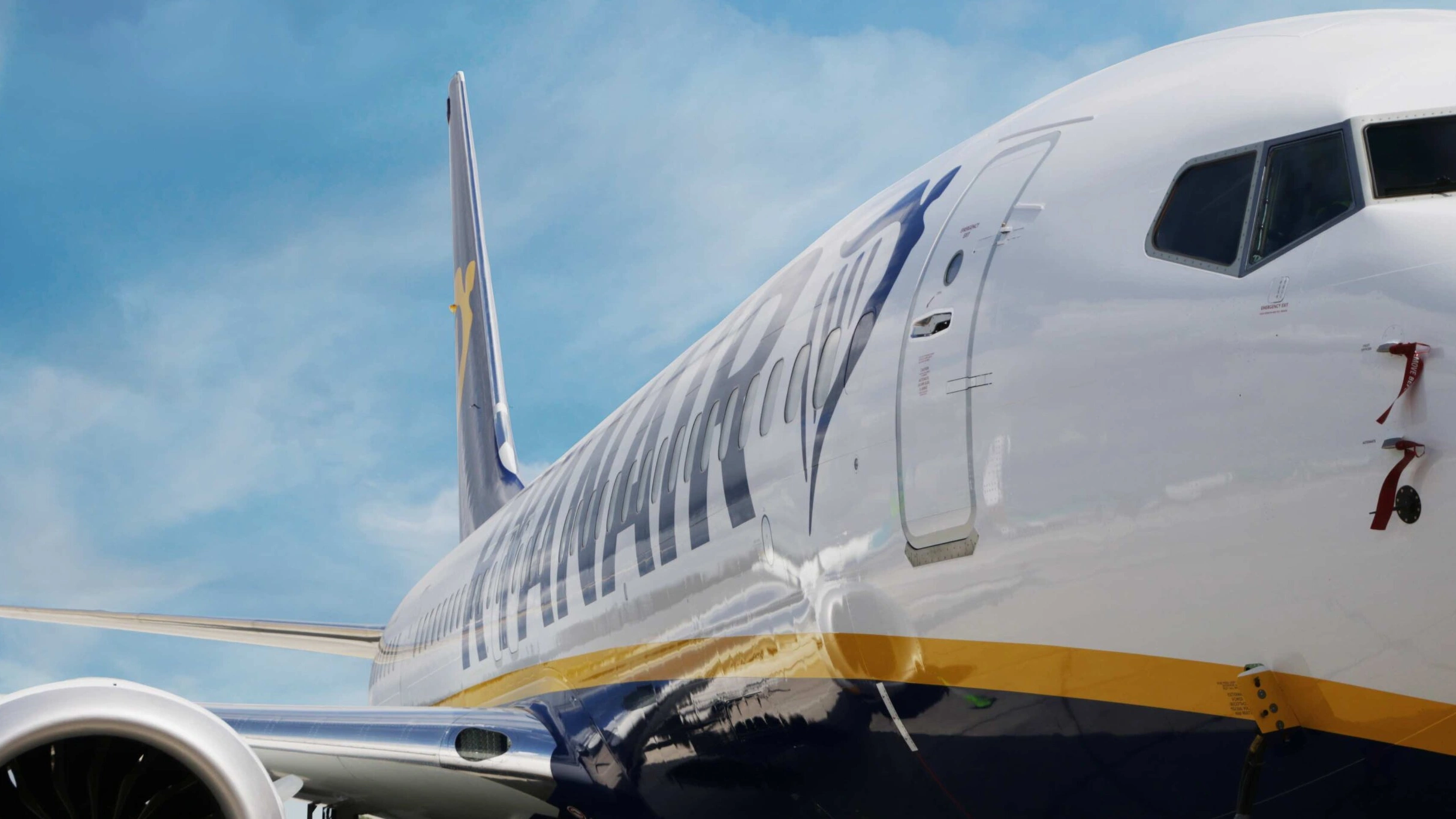
Passport Queues Reach Five Hours at Seven Named Airports
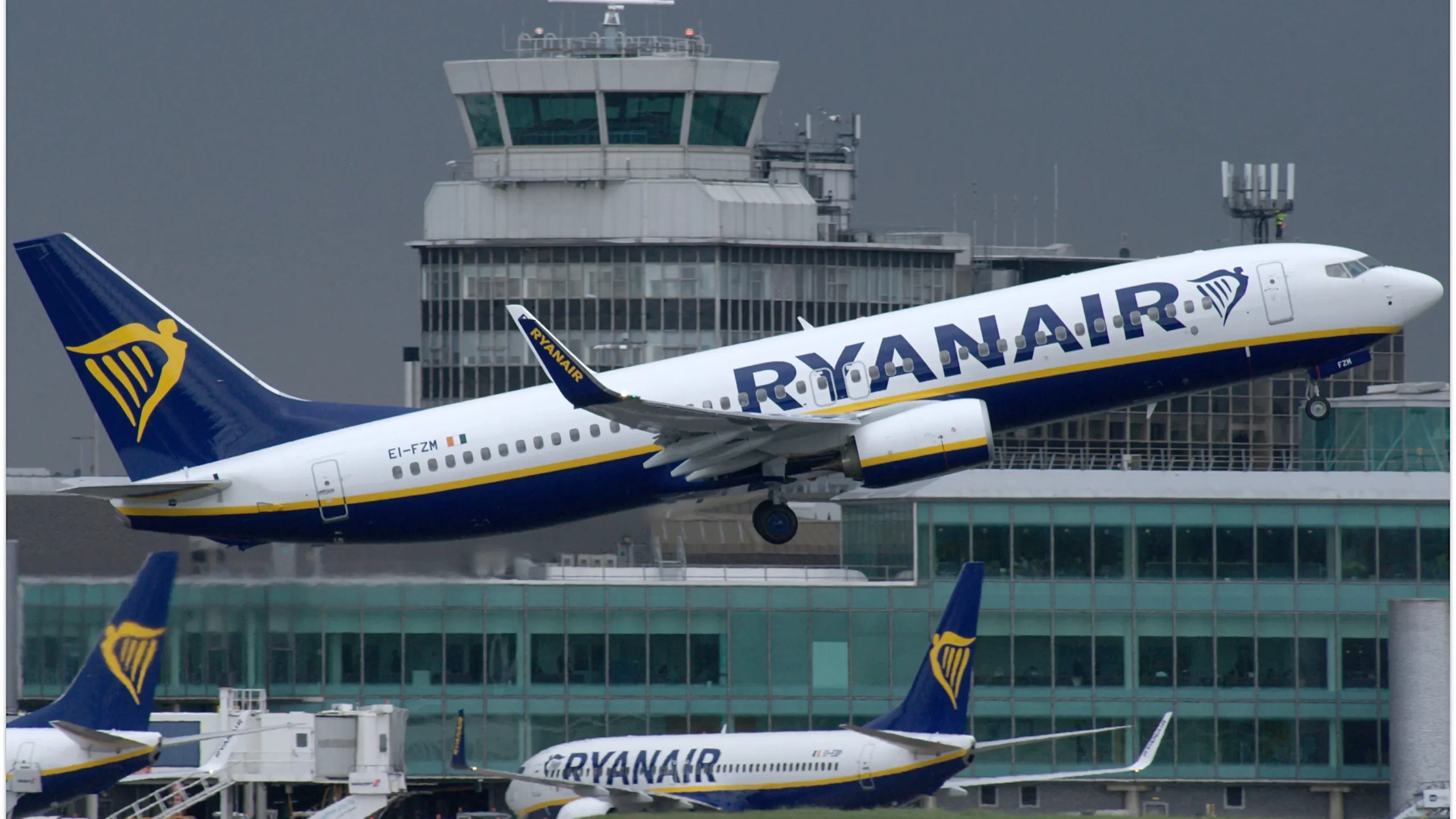
Ryanair has identified seven airports it says are unprepared for the summer surge: Tenerife South Airport (TFS), Palma de Mallorca Airport (PMI), Alicante-Elche Airport (ALC), Málaga Airport (AGP), Milan Bergamo Airport (BGY), Kraków John Paul II International Airport (KRK), and Paris-Beauvais Tillé Airport (BVA). The airline said some flights have already been delayed while crews waited for passengers stuck in border queues.
ACI Europe’s letter described the scale of the problem in similar terms. It said border wait times had grown “significantly” and were now reaching five hours during busy periods, with the situation expected to worsen as the school holiday rush intensifies. European airports are bracing for roughly 40 million more passengers in July and August than they handled in the two preceding months, adding further strain to border desks that are already struggling.
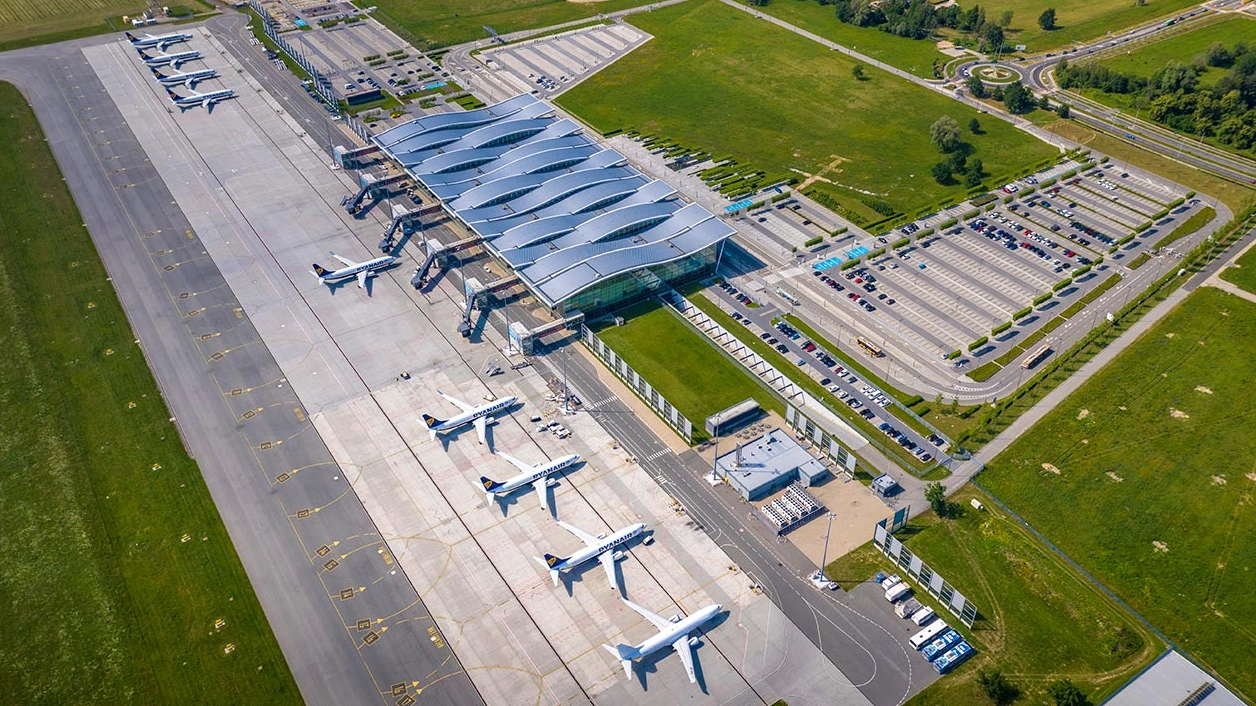
Ryanair Calls for Suspension Until September
Ryanair’s chief operations officer, Neal McMahon, was blunt about the airline’s position and said that passengers and families ought not be “used as guinea pigs for a half-baked passport control system that risks creating long queues, missed flights, and unnecessary stress at airports this summer”.
The airline is calling on national governments to delay full enforcement of EES until September, pointing out that EU rules already allow individual member states to pause biometric collection during periods of high demand. Ryanair’s statement went further, urging European governments to “delay the implementation to protect passengers, families and airport operations during the school holiday rush, instead of forcing holidaymakers to endure needless passport control chaos”.
This is not the first time this summer that Ryanair, which uses IATA code FR, has pressed Brussels over operational failures. The airline made a similar appeal to von der Leyen in January 2026, when it called for reform of Europe’s air traffic control network after French ATC strikes forced hundreds of flight cancellations. The recurring pattern shows an airline willing to use direct public pressure on EU institutions whenever it judges that infrastructure is lagging behind passenger demand.
How The Entry/Exit System Causes Delays
The EES was designed to replace the EU’s ageing passport-stamp system with a single, shared database covering 29 European countries. It tracks how long non-EU nationals spend within the bloc and is intended to help border guards identify visa overstayers more quickly.
The process for travelers includes several steps:
- A kiosk captures a facial photograph, fingerprints, or both, depending on the country.
- Travellers then queue again to see a human immigration officer, who makes the final entry decision.
- Repeat visitors should see faster processing in future, since their biometric data will already be on file.
- Some countries allow third-country nationals to use automated e-gates, though an officer must still approve entry in most cases.
Industry groups argue that two structural gaps explain the delays: not enough kiosks to serve peak-hour volumes, and a continued requirement for a manual officer check even after biometrics are captured.
Industry Groups Unite Behind a Single Demand
ACI Europe did not act alone. It co-signed the July 1 open letter with Airlines for Europe (A4E) and the International Air Transport Association (IATA), representing airports, mainline carriers, and the global airline industry in one unified request. The letter, signed by A4E managing director Ourania Georgoutsakou, ACI Europe director general Olivier Jankovec, and IATA senior vice-president Thomas Reynaert, stated plainly: “Today we have reached a critical point”.
The letter also raised a commercial concern beyond passenger comfort. It said airlines are increasingly left with half-empty aircraft at gate closing time because passengers are still stuck in border queues, forcing carriers to choose between departing on time or waiting for delayed travelers. Wizz Air (W6) UK managing director Yvonne Moynihan echoed the concern, saying passengers were experiencing longer waits than anticipated and advising travelers to arrive three hours before departure.
The World Travel & Tourism Council also backed the industry’s position. Its president and chief executive, Gloria Guevara, said EES represents an important step toward smarter borders, but warned that “if lengthy delays become accepted practice, travelers will look elsewhere”.
European Commission Defends the Rollout as Some Countries Pause It
The European Commission has so far resisted calls for a formal suspension. A Commission spokesperson, quoted by the Financial Times on June 25, said the EES was “fully operational and working well” and argued that most long queues stem from pre-existing flight scheduling patterns rather than the system itself.
Individual governments have moved faster than Brussels. Greece has already suspended EES biometric collection until the end of the summer, and Portugal has paused biometric checks during high-traffic weekend periods at airports including Lisbon, though officials say this only treats the symptoms rather than the underlying capacity shortfall.
ACI Europe’s letter specifically challenged the Commission’s framing, arguing that EES cannot be judged a success on technical deployment alone if it is failing to keep Europe’s transport network moving smoothly.
What Travelers Can Expect This Summer
Industry groups are not asking the EU to scrap EES permanently. Their letter instead requests two things: full flexibility for member states to suspend the system entirely whenever passenger volumes exceed capacity, at least through July and August, and a permanent flexibility mechanism from September onward, to remain in place until staffing, kiosk deployment, and platform reliability improve.
The European Commission has called an emergency meeting with airlines and airports to address the growing pressure, though it has not yet committed to a formal pause.

.jpg)