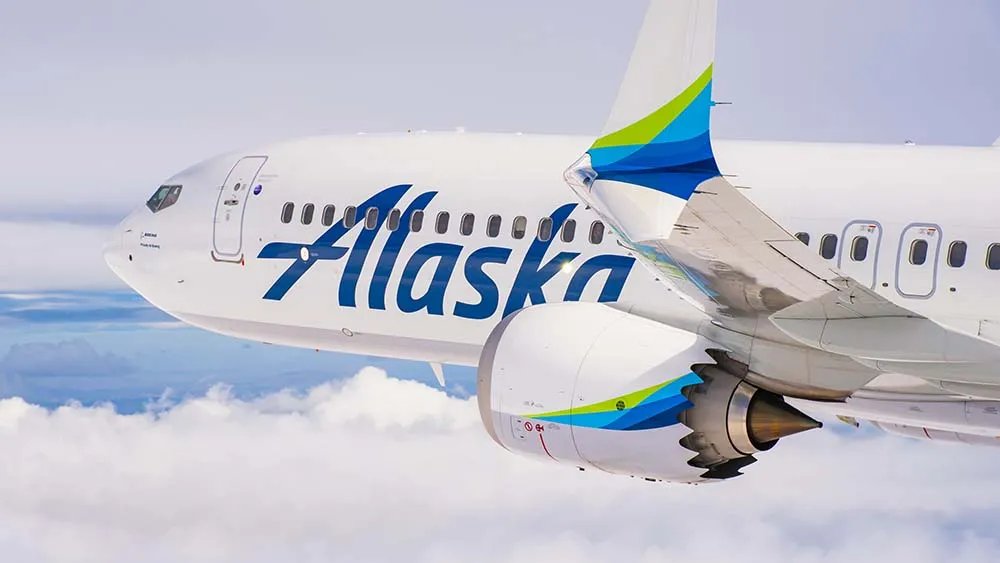
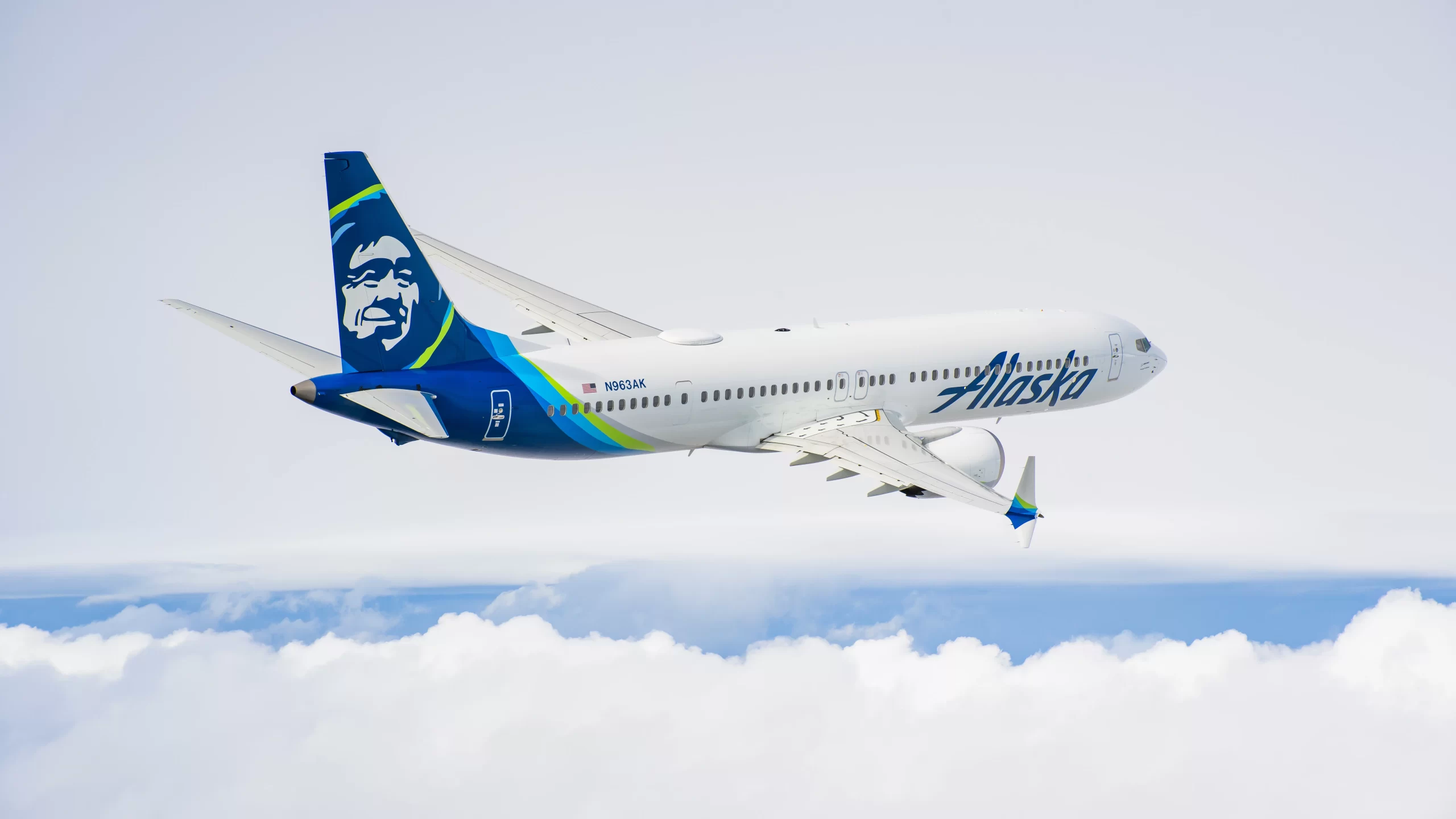
Alaska Airlines (AS) Flight 305 was pulled from its taxi route and sent back to the gate at Miami International Airport (MIA), Miami, on the evening of August 9, 2026. The pilots ordered a cockpit lockdown after flight attendants reported that passengers had threatened them, with one traveler allegedly saying they planned to take over the aircraft, according to a report by paddleyourownkanoo.com. The Boeing 737-800 had just pushed back from its gate and was bound for Seattle-Tacoma International Airport (SEA) when the crew stopped the taxi and set the parking brake.

Miami-Dade Sheriff’s Office deputies met the aircraft at gate E6, and passengers were temporarily deplaned while officers investigated the report. Within roughly two hours, deputies determined the threat was not credible, and the two travelers involved were removed from the flight and rebooked on a separate service to Seattle. The original flight, AS305, was ultimately cancelled after the crew ran out of duty time, and passengers were placed on alternate flights the following day.
Pilots Requested Lockdown Protocol Mid-Taxi
Air traffic control audio captured the moment the flight crew flagged the disturbance. A pilot told controllers that the aircraft had stopped moving because of a customer disturbance and asked to shut down the engine while the situation was resolved. According to audio reviewed by CBS News Miami, the pilot said, “We have a customer disturbance on board right now with threats coming from customers”.
The captain also relayed a more specific account of what the cabin crew had reported. In a recording shared by broadcaster Andy Slater, the pilot told the tower, “we had a customer threat to take the aircraft over,” and asked whether law enforcement should be contacted. The pilot informed air traffic control that the crew was initiating a lockdown procedure, saying:
‘We want to go into a lockdown protocol. We are shutting down the engine and parking brake set.’
According to Daily Mail, shortly afterward, the pilot provided a further update, stating:
‘The flight attendants have received threats from customers onboard the aircraft. The last thing we heard from the flight attendant is that we had a customer threaten to take the aircraft over.’
When the air traffic controller asked whether the crew required law enforcement assistance, the pilot responded: ‘Absolutely’.
The tower confirmed it would coordinate with responders on the ground while the jet returned to the gate under escort. Lockdown protocol dates back to security rules adopted after the September 11 attacks. It requires the reinforced flight deck door to stay fully sealed so no one outside the cockpit can reach the pilots, regardless of what happens in the cabin. Pilots on Flight 305 did not open the door again until the aircraft was safely back at the gate and law enforcement had boarded.
Miami-Dade Police Find No Credible Threat
Investigators from the Miami-Dade Sheriff’s Office Airport District questioned the two passengers connected to the reported threats. A spokesperson that was quoted in Paddle Your Own Kanoo said deputies acted out of caution after a flight attendant flagged suspicious behavior, and that everyone on board was deplaned while the investigation ran its course:
“This evening, at approximately 6:40 p.m., Miami-Dade Sheriff’s Office Airport District deputies responded to one of the gates at Miami International Airport after a flight attendant reported possible suspicious activity involving passengers. Out of an abundance of caution, passengers were temporarily deplaned while deputies investigated the incident.”
The sheriff’s office concluded there was no credible danger to the flight. Both passengers were released, rebooked onto a later flight to Seattle, and were airborne again within hours, even as the original Flight 305 sat cancelled at the gate. Because deputies did not file criminal charges, the travelers remained legally free to fly, though Alaska Airlines retains the right to refuse them service on future bookings.
How Airlines Classify In-Flight Threats
Carriers and regulators sort unruly passenger incidents into tiers based on severity, which determines how a crew is trained to respond. A verbal threat like the one reported on Flight 305 typically falls well below the top tier, which is reserved for an actual breach of the flight deck. The general framework moves through stages such as:
- Disruptive but non-threatening behavior, handled by cabin crew alone
- Verbal threats or intimidation directed at crew or passengers
- Physical aggression that requires restraint or law enforcement involvement
- An attempted or completed breach of the cockpit, which triggers full hijack protocols
Flight 305 was managed at the verbal-threat stage. The crew’s decision to request a lockdown reflected a precautionary step rather than confirmation that anyone had tried to reach the flight deck.
Comparing This Incident to Alaska’s Other Recent Security Scares
The Miami episode is not the only recent case in which an Alaska Airlines cockpit faced an internal security scare. In October 2023, an off-duty pilot riding in the jump seat of Alaska-operated Flight 2059 attempted to shut down the engines mid-flight over Oregon, forcing an emergency diversion to Portland International Airport. That incident involved direct interference with aircraft systems by someone with cockpit access, a materially different and more severe scenario than the verbal threats reported on Flight 305.
Unruly Passenger Incidents Remain a Global Concern
Global airlines logged one unruly passenger incident for every 355 flights in 2025, an improvement from one in every 307 flights the year before, based on data from more than 140 carriers. Non-compliance with crew instructions remains the most common complaint, while cases involving verbal abuse and intoxication both declined last year.
In the United States, the Federal Aviation Administration (FAA) can propose civil penalties of up to $43,658 per violation against passengers who threaten or interfere with crew members. Reporting still depends on individual crew members flagging incidents, meaning cases like the one aboard Flight 305 rely heavily on flight attendants’ judgment in the moment.
All in All
Alaska Airlines has not issued a detailed public statement identifying the two passengers or confirming whether they face a flying ban. Airlines generally retain discretion to bar disruptive travelers from future flights even when no criminal charges are filed, and Alaska’s policy would extend to its regional partners. The airline can also pursue civil claims to recover costs tied to a cancelled flight and a full deplaning, a step some carriers have taken after high-profile disruptions in recent years.