Nepal Airlines Corporation is preparing to recruit external pilots and cabin crew for its Airbus fleet, a plan that has triggered pushback from aviation professionals and employees inside the state carrier. Operation Director Capt. Subas Rijal is at the center of the dispute, accused of repeatedly pushing to secure Airbus A320 type rating training for his in-law, First Officer Roshan Koirala, according to a report by the Himalayan Times.
The recruitment proposal covers Type Rating Instructors, Type Rating Examiners, Line Captains, First Officers, and cabin crew, and has reportedly already been approved by the Acting Managing Director. Employees argue the plan lacks operational justification, pointing to pilot utilization figures that undercut the stated case for a shortage.
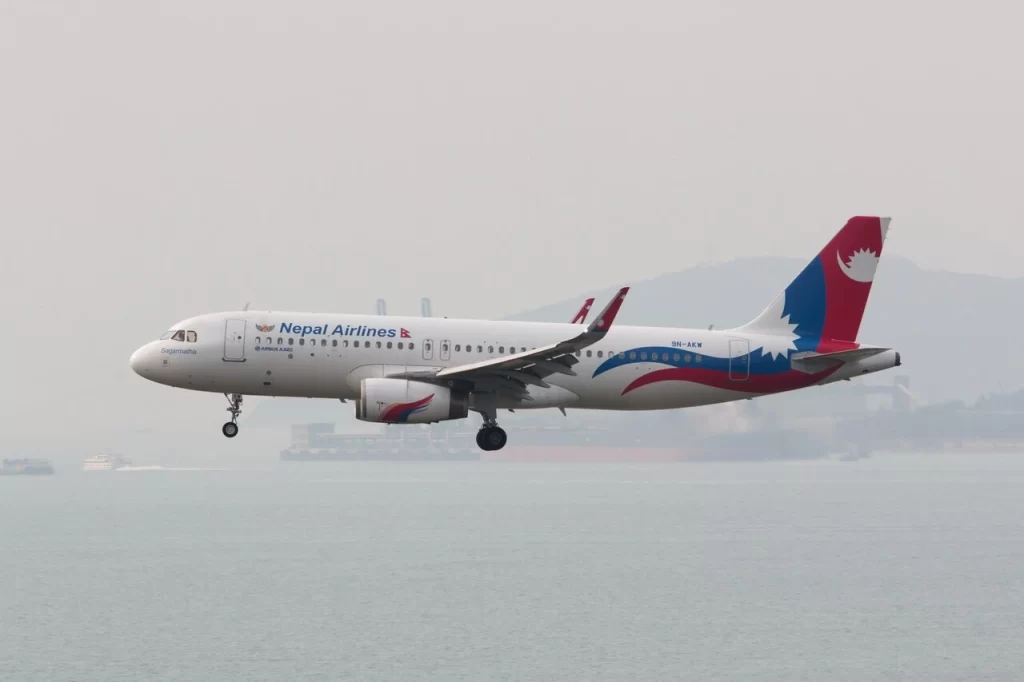
What The Recruitment Drive Involves
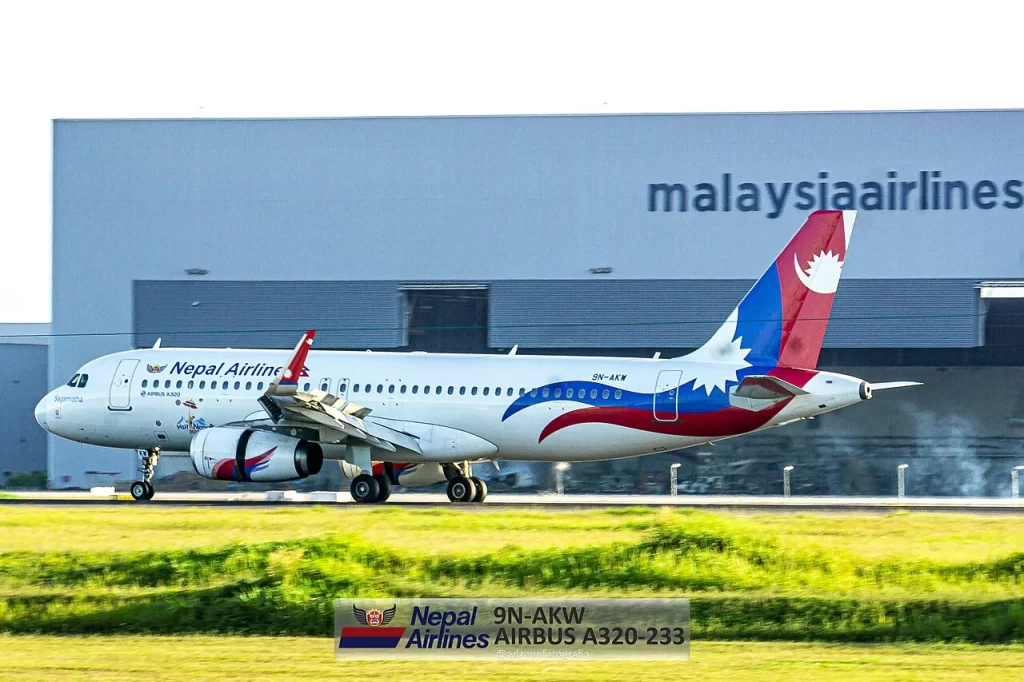
Nepal Airlines is reportedly preparing to bring in additional external Type Rating Instructors, Type Rating Examiners, Line Captains, First Officers, and cabin crew members for its Airbus operation. The plan is being advanced, sources that was reported by The Himalayan Times say, without adequate consultation with the technical departments or the Human Resources Division.
The Acting Managing Director has approved the recruitment proposal and the forthcoming vacancy announcement. That approval has raised concerns among staff about whether established corporate procedures were followed, and whether the process was driven by operational necessity or by other factors.
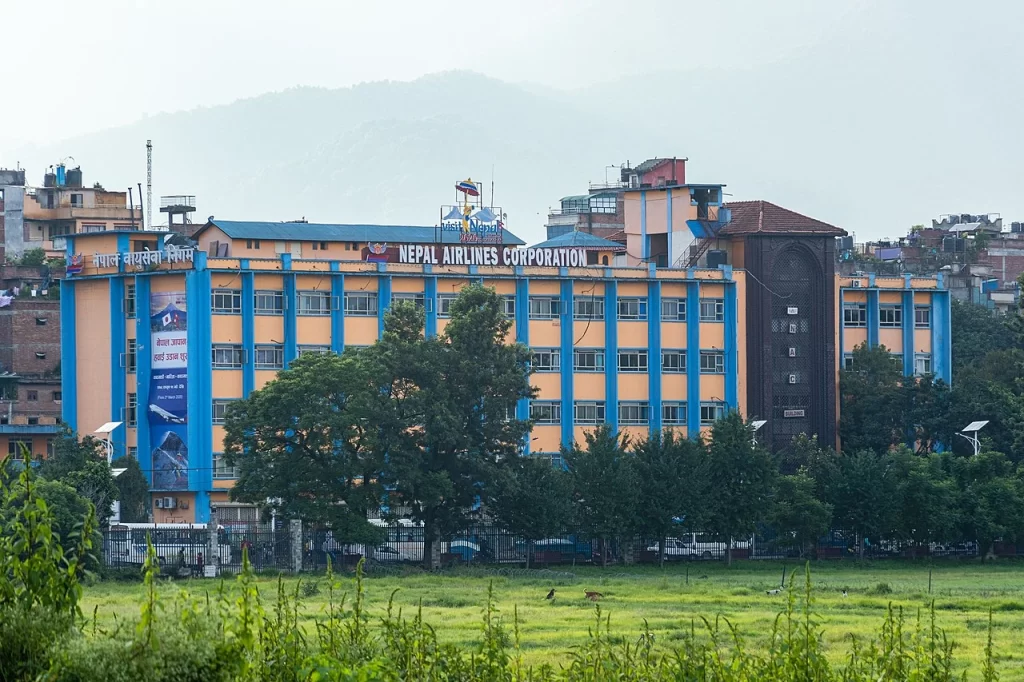
Nepotism Allegations Center on Operation Director Subas Rijal
Capt. Subas Rijal has reportedly made repeated efforts to secure Airbus A320 Initial Type Rating Training for his in-law, FO Roshan Koirala. Two earlier attempts were reportedly halted after intervention from the Ministry of Culture, Tourism and Civil Aviation.
Koirala was originally appointed to Nepal Airlines during the tenure of former Operation Director Capt. Sarwan Rijal, who is Subas Rijal’s brother. Critics allege that efforts to advance Koirala’s career have continued through other channels, including the current recruitment drive for external Airbus personnel.
Additional names have surfaced in connection with the proposed hiring round, including the Operation Director’s son-in-law, Safar Koirala, along with other individuals described as connected to senior figures in Nepal’s aviation sector. No formal findings have been established regarding these claims.
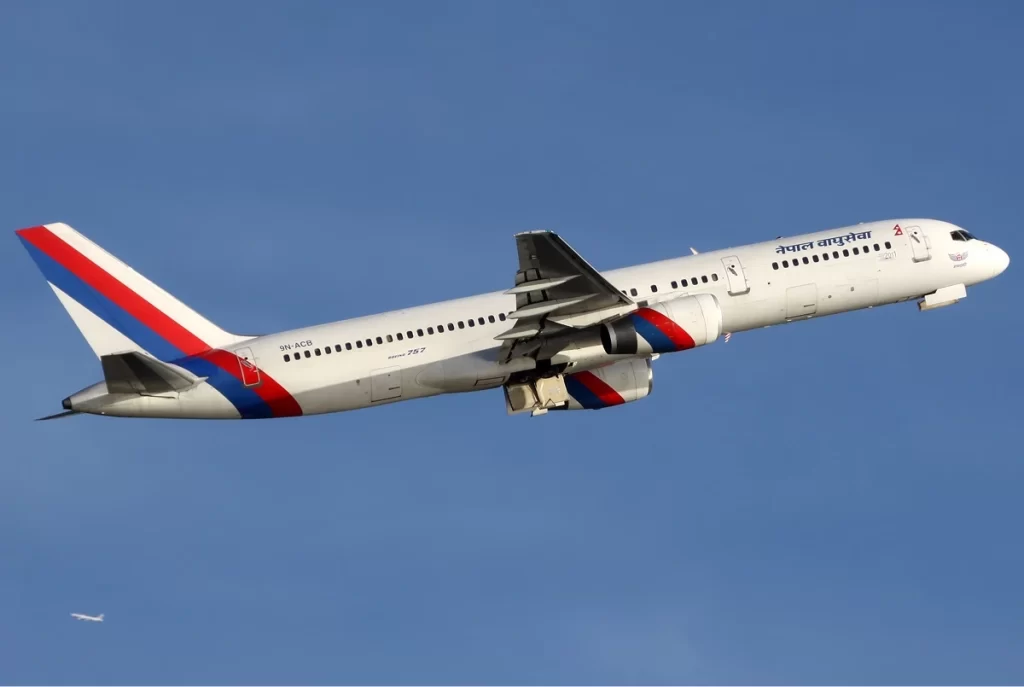
The 2015 Precedent: A Hong Kong Agency and Six-Figure Salaries
The current plan has revived memories of a 2015 recruitment exercise in which Nepal Airlines brought in foreign and external aviation professionals, including Type Rating Examiners, Type Rating Instructors, type-rated First Officers, and cabin crew from other airlines. Monthly packages at the time reportedly ranged from Rs. 1.2 million to Rs. 2.65 million.
Industry observers have long alleged that the 2015 process ran through JetPeople, a Hong Kong-based aviation recruitment group, and generated substantial commissions for those involved. The claims were never fully investigated in public, but aviation stakeholders argue the episode deserves renewed scrutiny given the parallels with the current recruitment push.
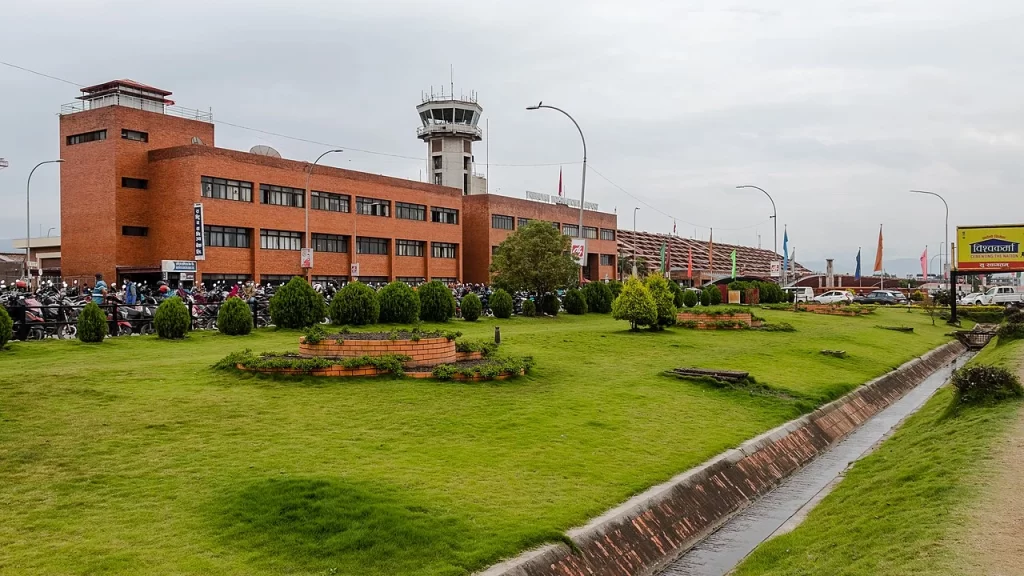
Pilot Utilization Data Contradicts the Shortage Claim
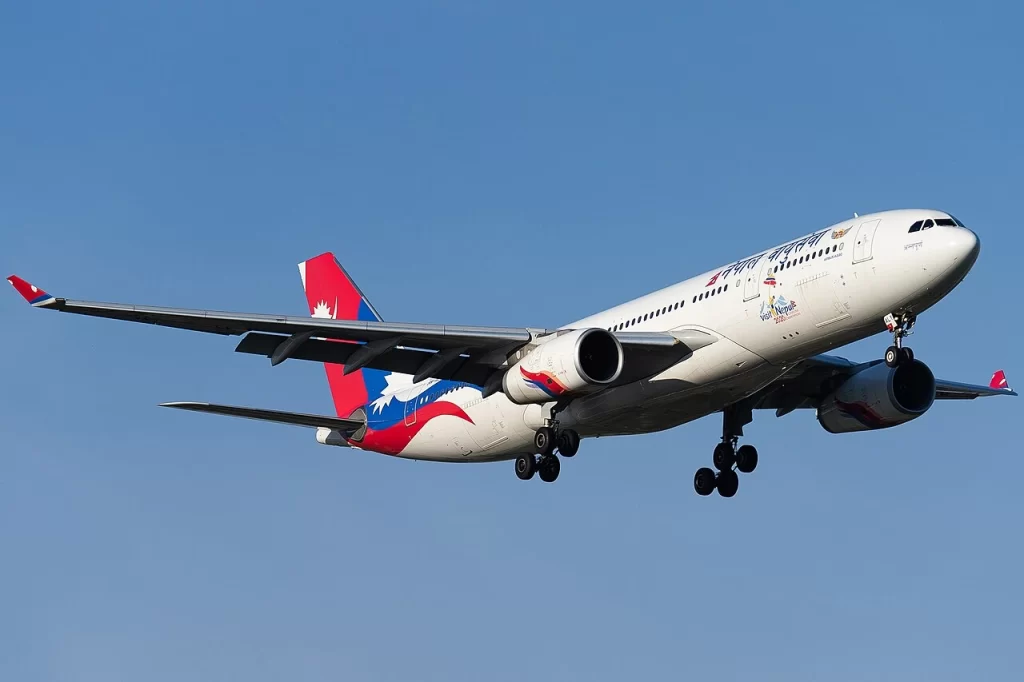
Nepal Airlines has reportedly justified the recruitment drive on the basis of anticipated pilot shortages for international operations. Internal figures reviewed by concerned employees tell a different story: average pilot utilization on the international Airbus fleet is reported to sit below 50 flight hours per month, against a regulatory ceiling of 100 hours.
That gap suggests a large share of existing pilot capacity is going unused. Employees within the corporation argue current staffing could support substantial growth in Airbus operations without an immediate, large-scale external hiring round.
Concerns also extend to contract pilots already on the payroll. Capt. Pradip Rajbhandari, who reportedly earns close to Rs. 1.2 million a month under contract, went unrostered for six consecutive days during a recent operational period. Similar underutilization has reportedly affected Capt. MM Dangol, Capt. SK Shrestha, and Capt. Vijay Lama.
Employees say management should explain why existing internal and contract pilots are not being fully utilized before pursuing new external hires. Several qualified internal pilots remain on a waiting list for Initial Type Rating Training, with some reportedly willing to fund the training themselves.
Compensation Gaps Add to The Friction
Compensation disparities have deepened the controversy. Former senior executive Capt. Srawan Rijal was reportedly brought back into the corporation on a package worth roughly Rs. 2 million per month, while permanent internal pilots continue to earn substantially less despite holding permanent status and longer service records.
Many aviation professionals within the corporation believe this pattern of favoring highly paid external or contract hires over internal staff has damaged morale and pushed experienced pilots toward competing airlines.
Stakeholders Demand Independent Investigation
Taken together, the recruitment dispute, past training controversies, and historical procurement scandals have fed a broader perception of favoritism and weak oversight at Nepal Airlines Corporation. Critics argue the proposed hiring round looks disconnected from operational reality at a time when internal pilots remain underused and existing contract pilots go unrostered.
Aviation stakeholders are calling for an independent and transparent review covering the recruitment process, pilot utilization data, training nominations, and compensation structures across the corporation. They argue that only an impartial inquiry can restore confidence that hiring and training decisions at Tribhuvan International Airport (KTM)‘s dominant carrier are guided by operational need rather than family ties.

.jpg)


.jpg)