On December 9, 2025, IATA revealed that 2025 SAF output is projected to reach 1.9 million tonnes — roughly double 2024’s output but far below what is needed for meaningful decarbonization.
The 1.9 Mt of Sustainable Aviation Fuel will account for only 0.6% of total global jet fuel consumption this year and projections for 2026 place SAF output at 2.4 Mt, which is merely 0.8% of jet fuel demand.
IATA also said that at current pricing, the SAF premium will add approximately USD 3.6 billion to the aviation industry’s total fuel costs in 2025 — a broader figure that includes compliance-related costs beyond the direct SAF purchase premium. Of that total, airlines paid an estimated USD 2.9 billion specifically as a premium on the 1.9 Mt of SAF they actually procured, with USD 1.4 billion of that reflecting the standard price gap between SAF and conventional jet fuel.
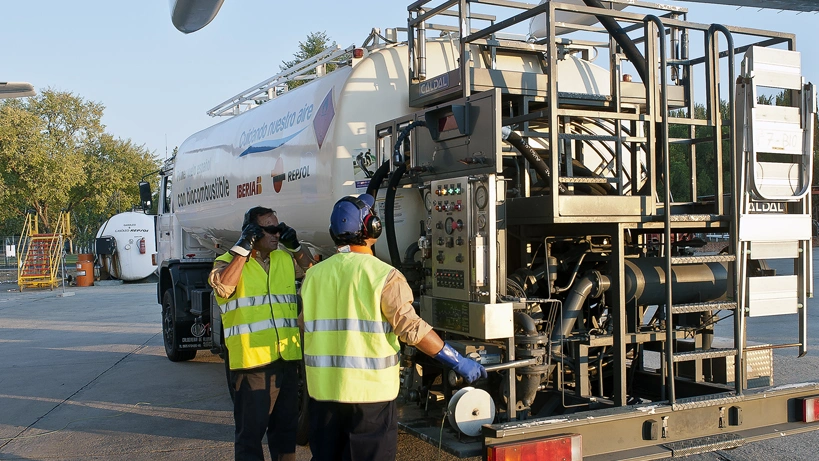
IATA’s Data that Highlight SAF Production and Growth
This slow growth and elevated cost trajectory raise serious doubts about the sector’s ability to meet future targets — especially with synthetic SAF (e-SAF) mandates on the horizon in major regions like the European Union and the United Kingdom.
IATA attributes the sluggish growth in SAF adoption largely to “poorly designed mandates” in regions such as the EU and UK. Across Europe, the ReFuelEU Aviation rules have driven up expenses in a market where SAF production remains scarce and controlled by only a few suppliers.
IATA has raised concerns about the cost of sustainable aviation fuel (SAF), arguing that airlines are being charged far more than they would pay for conventional jet fuel. The association said fuel suppliers have expanded their margins to the point where SAF can cost airlines as much as five times the price of conventional jet fuel and roughly twice its market value.
IATA Director General Willie Walsh also criticized the fragmented nature of Europe’s SAF policies. He said the current regulatory approach is distorting the market and discouraging the investment needed to increase SAF production. Walsh pointed to the European Commission’s recent STIP announcement as a move in the right direction, but said the initiative still lacks a defined timeline and stressed that concrete action will be needed to address the issue.

Similarly, the UK’s SAF mandate has led to sharp price increases, forcing airlines to shoulder the additional cost.
Here are a few numbers that point to how the sustainable aviation fuel market in the European Union looks like:
-
Europe’s ReFuelEU Aviation Regulation requires suppliers to provide 2% SAF by 2025, scaling to 70% by 2050.
-
A dedicated sub-mandate for synthetic e-fuels begins at 0.7% in 2030 and rises to 35% in 2050.
-
Current global SAF output remains extremely limited, representing just 0.53% of jet fuel consumption in 2024.
-
Production facilities under development could cover the 3.2 million tonnes required for Europe in 2030
-
SAF must meet strict international fuel-quality standards, with multiple pathways certified and ongoing work to enable 100% drop-in SAF by 2030.

In markets where SAF use is required by regulation, airlines are increasingly facing a significant cost premium. IATA says SAF can be priced at two to five times the cost of conventional jet fuel, while airlines still have limited certainty over both availability and future prices.
Willie Walsh, IATA’s Director General, argued that the policies intended to speed up aviation’s transition to lower-carbon fuels may instead be creating obstacles. He said policymakers should reassess the current mandate-based approach and work with airlines on incentives that encourage greater SAF production and support the sector’s decarbonization goals.
The effect has rippled through commitments made by carriers: many airlines that pledged to use up to 10% SAF by 2030 may need to reconsider given the limited supply and persistently high costs.
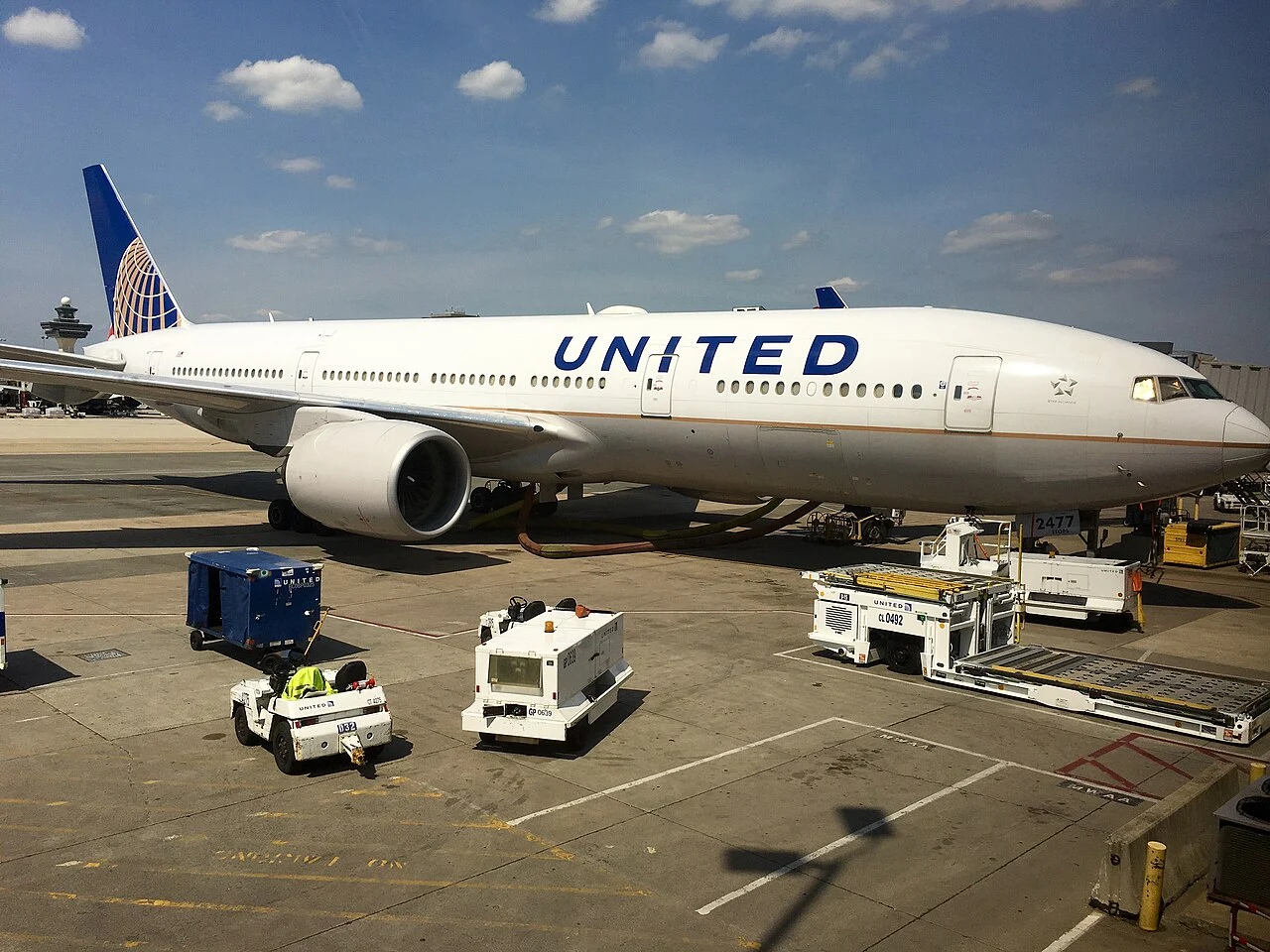
e-SAF Mandates and the Risk Ahead
Interest is rapidly growing in synthetic SAF — often referred to as e-SAF — as regulators lay down stricter mandates. In the UK, e-SAF obligations are expected by 2028, while the EU’s broader synthetic-fuel quotas target 2030 and beyond. Under current policy trajectories, e-SAF could cost up to 12 times more than conventional jet fuel. IATA warns that without robust production incentives; these mandates may fail just like their SAF predecessors.
Estimates suggest that compliance costs for e-SAF could swell to as much as EUR 29 billion by 2032 if production volumes remain insufficient. IATA’s Senior Vice President for Sustainability and Chief Economist, Marie Owens Thomsen, argued that “current policies are not having the desired effect“.
“Faced with such facts, regulators must course-correct, ensure the long-term viability of SAF production, and achieve scale so that costs can come down. Mandates have done just the opposite, and it is outrageous to repeat the same mistakes with e-SAF mandates…”
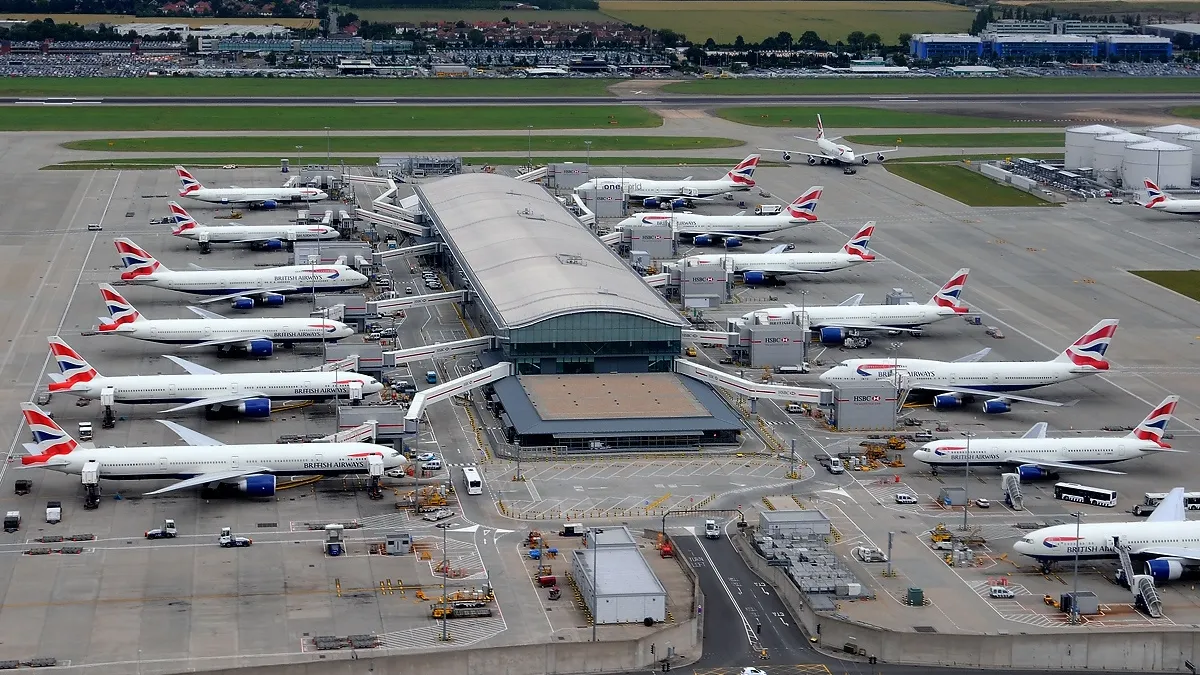
The weak growth trajectory for SAF has broader consequences for aviation’s environmental goals. And the news about the weak growth trajectory comes at a time when airlines in Europe have been accused of greenwashing its passengers.

All in All
IATA’s study from September 2025 points to the fact that the airline industry could achieve net-zero by 2050 and that the carriers around the world will need 500 million tonnes (Mt) of SAF to do that.
One of the sources for this production is “Biomass”, which “has the potential to produce more than 300 Mt of bio-SAF annually by 2050” while the other one is “Power-to-liquid (PtL)”, which “will be required to reach 500 Mt of SAF production annually by 2050“. In other words, 200 Mt of SAF will come from e-SAF.
.jpg)
_@_Washington_Dulles,_2016.jpg)

