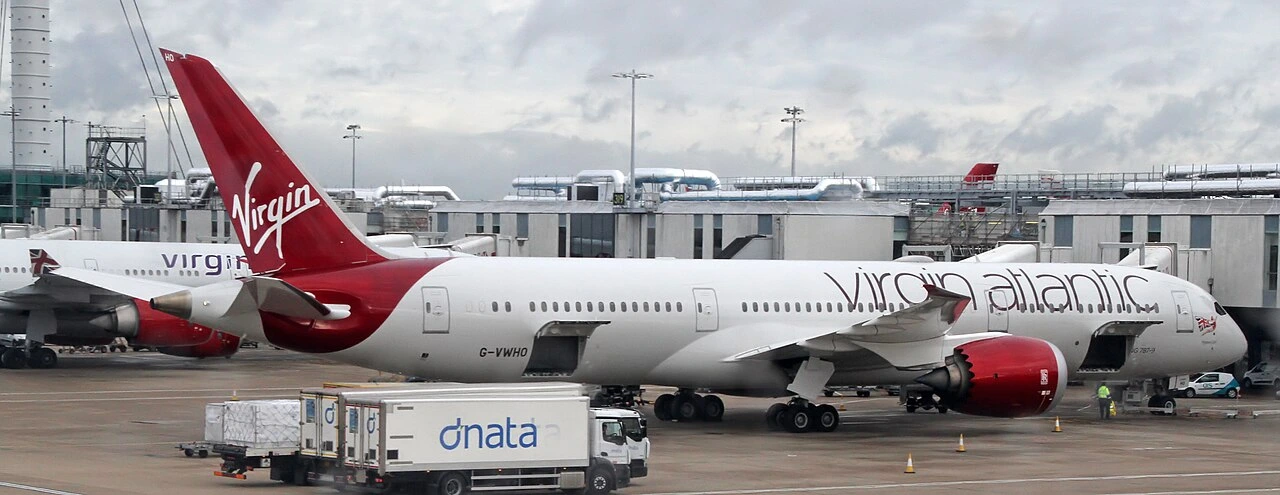
Virgin Atlantic (VS) is cutting half its London Heathrow (LHR) to Seoul Incheon (ICN) flights this winter, just months after finally launching the long-awaited route. The reductions start in late November and deepen from December 8, when the airline begins cancelling every other service.
It’s an awkward moment for a route Virgin spent years fighting to get off the ground — and one it’s contractually obligated to keep flying, whether or not it makes money.
What’s Actually Being Cancelled
The cuts unfold in two stages.
From November 25, 2026, some flights are showing as bookable in Economy and Upper Class only, with Premium Economy availability disappearing on several dates. That’s the quiet phase — a schedule that still looks intact on the surface but is already being trimmed at the edges.
Virgin Atlantic Engineer Dies After Boeing 787 Maintenance Accident at London Heathrow
Then, from December 8, 2026, the cuts become explicit: Virgin Atlantic cancels every alternate LHR–ICN flight, cutting frequency to roughly 50% of the original daily schedule, according to Head for Points, which first flagged the pattern. InsideFlyer reports the same December 8 start date and confirms the route is due to return to a full daily schedule on March 1, 2027, with all cabins back on sale.
Notably, this isn’t the first sign of trouble. AeroRoutes reported in June 2026 that Virgin had already trimmed the route from seven to roughly six weekly flights heading into the summer — so the winter cuts look less like a one-off correction and more like a pattern that’s been building for months.
Why the Cabin-Availability Pattern Matters
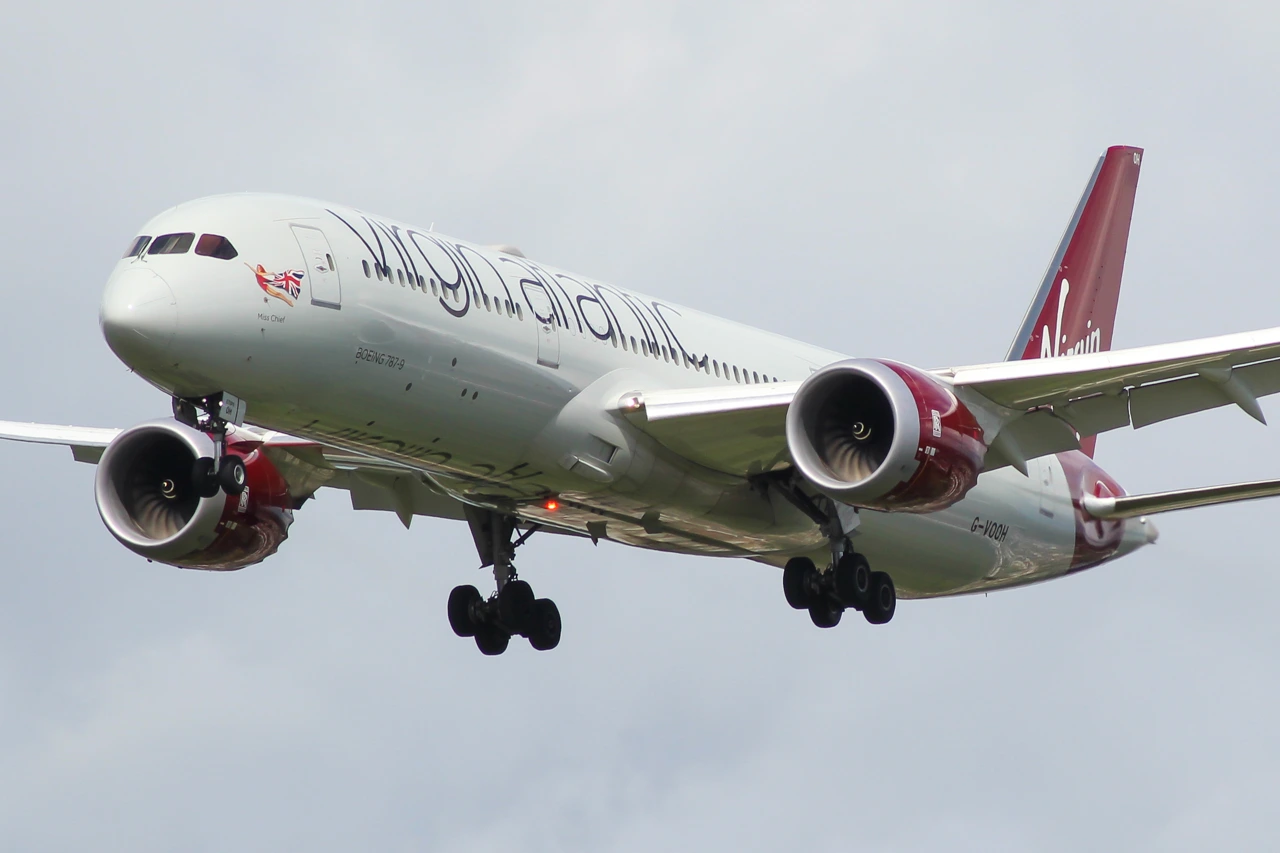
Limiting sale to just Economy and Upper Class on the flights that remain isn’t random. Head for Points suggests it’s a way of making passenger reaccommodation simpler if Virgin needs to cancel those flights too — selling fewer cabin types now means fewer complicated rebookings later.
Virgin hasn’t confirmed further cuts are coming. But the booking pattern alone has been enough to fuel speculation that more adjustments could land before spring.
The Korean Air Safety Net
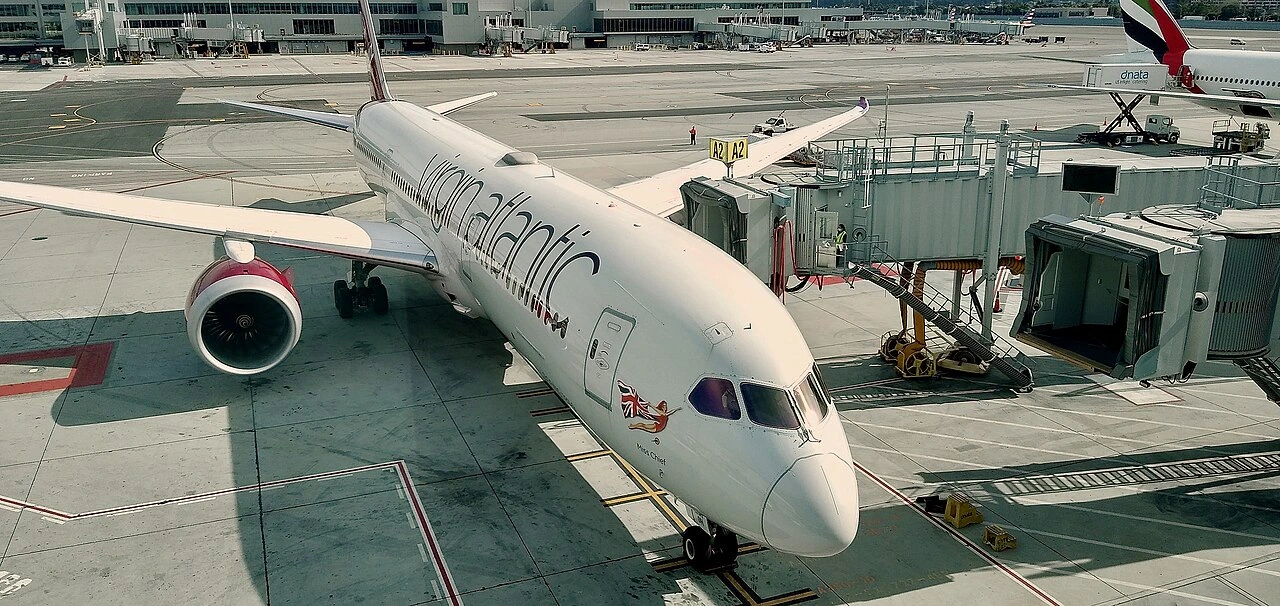
Virgin Atlantic can afford to be this aggressive with cuts partly because it isn’t leaving stranded passengers with nowhere to go. As a SkyTeam member, Virgin has a close partnership with Korean Air (KE), which continues to fly LHR–ICN daily. Affected passengers can be shifted onto Korean Air’s own service with relatively little friction — which also, not incidentally, makes trimming Virgin’s own schedule a lower-risk move commercially.
Why Virgin Can’t Just Walk Away from Seoul
Here’s the part that makes this story more interesting than an ordinary “airline cuts underperforming route” headline: Virgin Atlantic doesn’t have a free hand to abandon Seoul, even though the route is reportedly losing money.
The Heathrow slots Virgin uses for this service weren’t bought or built up over time — they were handed over as a competition remedy tied to the merger of Korean Air and Asiana Airlines. Regulators required Korean Air to release slots at Heathrow specifically to keep the London–Seoul market competitive once the two carriers combined. Head for Points has covered the origin of that arrangement in detail, noting that Virgin gave the UK Competition & Markets Authority a binding commitment back in March 2023 to launch the route.
The catch: Virgin must operate Heathrow–Seoul for three years to keep those slots permanently. Walk away early, and the slots can be reassigned to another carrier willing to fly the route. Given that individual Heathrow slot pairs are widely estimated to be worth more than £20 million, giving them up isn’t a realistic option — even if the route itself is a drag on the balance sheet in the meantime.
That dynamic explains the strategy on display here: cut frequency to cut losses, but never cut it to zero.
A Route That’s Struggled Since Before It Even Launched
Seoul has been a rocky assignment for Virgin from the start. The airline originally aimed to launch the route years earlier, but the launch slipped repeatedly — first because the Korean Air–Asiana merger itself wasn’t finalized until December 2024, per Head for Points’ account of the delay, and then again in mid-2025, when Virgin abruptly paused ticket sales for the March 2026 launch while it sorted out South Korean regulatory approvals.
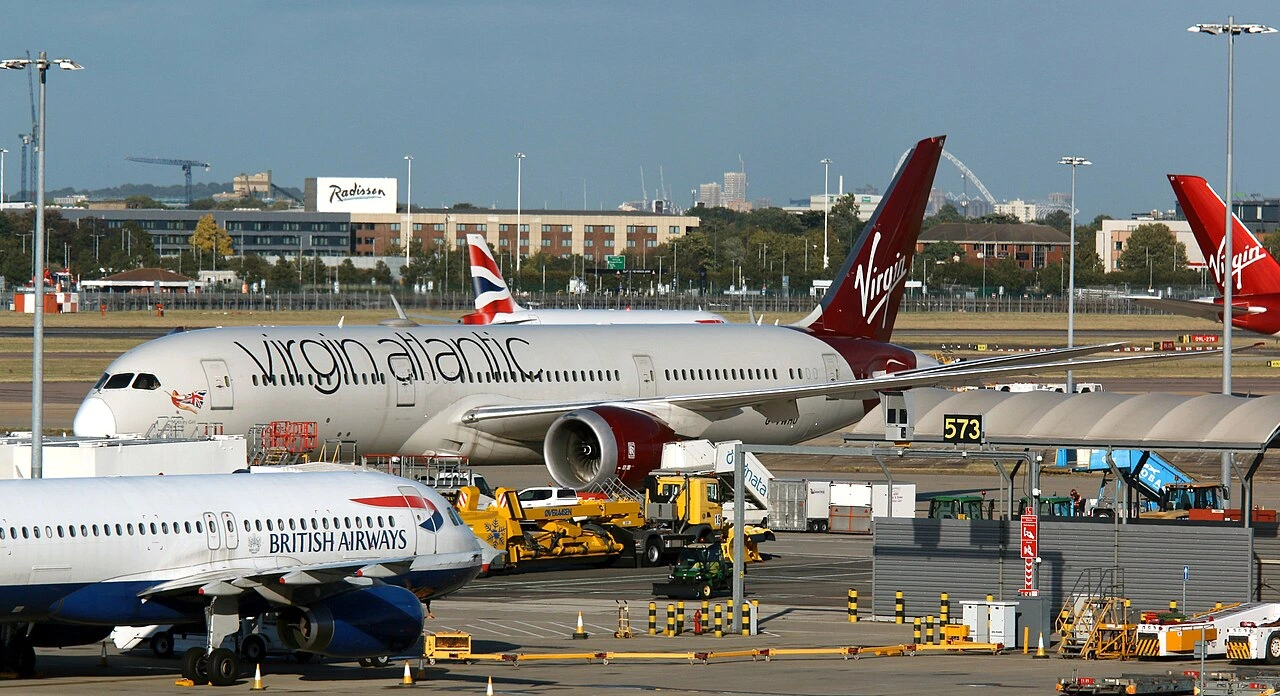
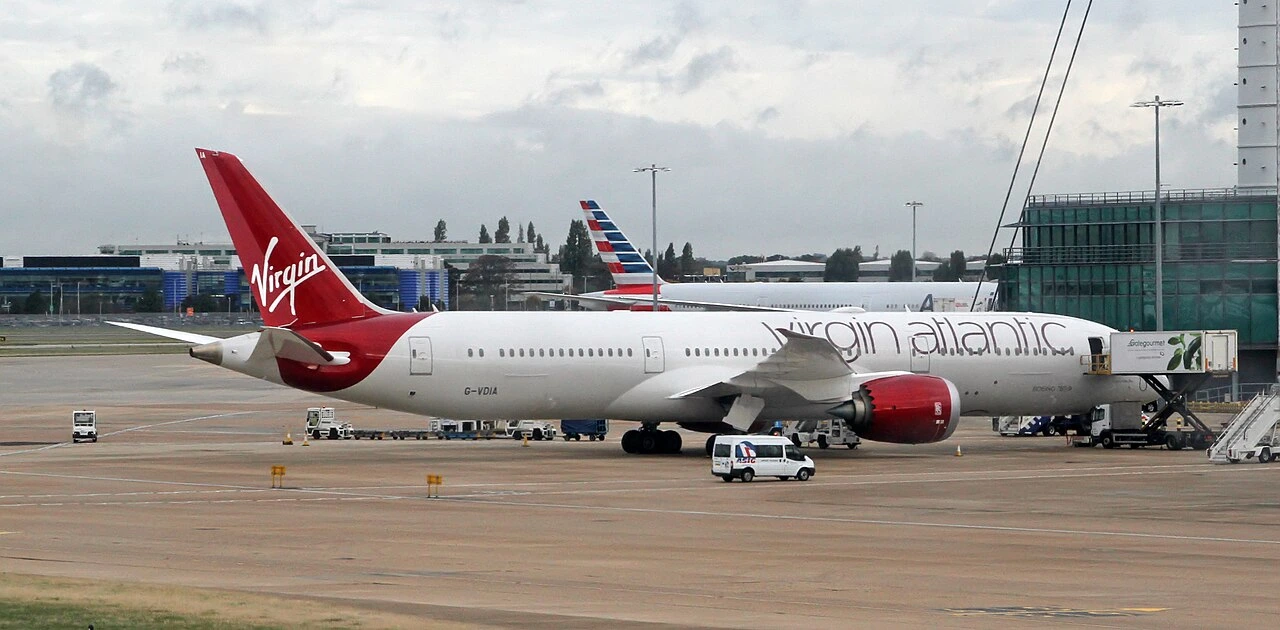
When flights finally launched on March 29, 2026, Virgin used a Boeing 787-9 fitted with what One Mile at a Time describes as the airline’s older-generation Upper Class cabin — not the refreshed product used on some of its other long-haul routes. That’s a meaningful detail: Seoul has historically been a tough market for premium, business-heavy demand, and asking price-sensitive corporate travelers to pay Upper Class fares for a dated seat was always going to be a hard sell.
Add in the practical drawbacks — the routing avoids Russian airspace, stretching block times to over 12 hours eastbound and 14.5 hours westbound — and it’s not hard to see why bookings have underperformed.

The Bigger Picture
None of this is really about Seoul specifically. It’s about the widening gap between what regulators require of an airline’s network and what that network can actually sustain commercially. Virgin Atlantic is, by its own admission, not currently a profitable airline, and Seoul is exactly the kind of long-haul, premium-dependent route that gets squeezed hardest when a carrier is looking to protect cash.
Virgin Atlantic Cuts 5 Flights to the US and India from London Heathrow
But because these particular slots came with strings attached, Virgin doesn’t get to simply drop the route the way it has dropped others in recent years, including Tel Aviv, Islamabad, Lahore, and Shanghai. Seoul has to keep flying — just not as often as originally planned.

What Happens Next
Virgin’s own booking system currently shows a return to full daily service from March 1, 2027. Whether that holds will depend on demand recovering over the winter. If it doesn’t, don’t be surprised to see this “temporary” reduction get extended again — much as the pre-launch delays did.
For now, the headline takeaway is this: Virgin Atlantic is flying Seoul because it has to, not because it wants to — and its schedule for the route will keep reflecting that until either bookings improve or the three-year slot-retention clock runs out.
_@_LHR,_Oct_2016.jpg)
.jpg)

.jpg)
.jpg)
_@_MAN,_September_2020.jpg)
