An aircraft engineer employed by Virgin Atlantic has died following a workplace accident inside a Boeing 787-9 at London Heathrow Airport (LHR). The airline confirmed the death of 23-year-old Georgie Buxton this week, roughly a month after machinery inside the aircraft collapsed on him during maintenance testing in a Heathrow hangar. The Boeing 787-9 involved has remained out of service since the incident.
Buxton spent four weeks in intensive care before his family made the decision to turn off life support earlier this month, according to a report by the Daily Mail. He had worked as an aircraft technician at Virgin Atlantic (VS) for two years, having joined the airline after previously working at the most popular budget airline in the world, Ryanair (FR). An inquest into his death opens this week at West London Coroner’s Court.
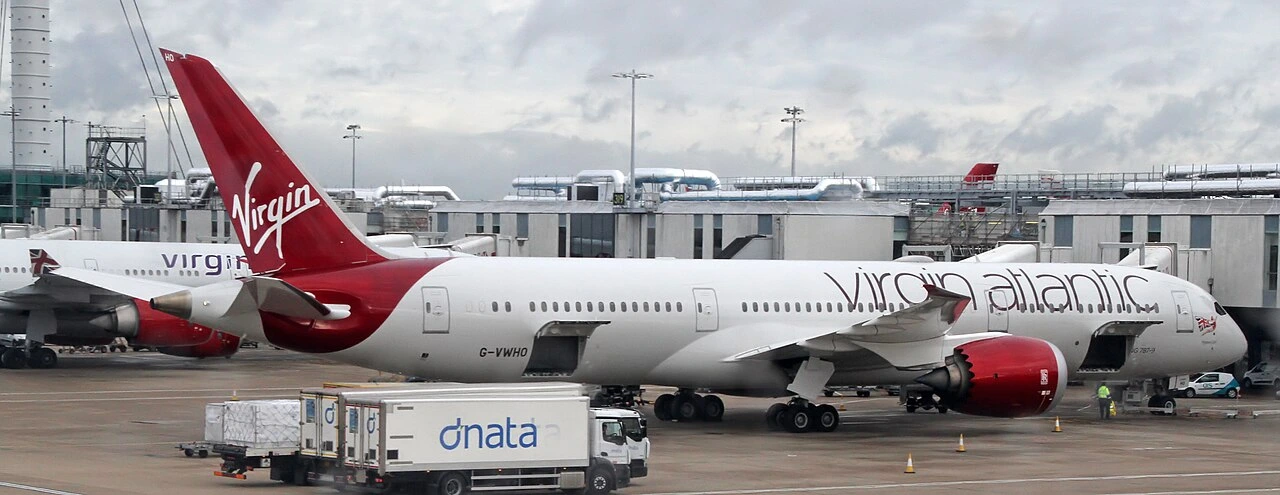
What Happened to Georgie Buxton at Heathrow’s Maintenance Hangar
Buxton was carrying out maintenance tests on the Boeing 787-9 when heavy machinery is understood to have suddenly collapsed on him. Reports citing a source close to the airline indicate the incident occurred inside the aircraft’s fuel tank area, though Virgin Atlantic has not confirmed this detail publicly. The precise cause of the equipment failure remains under investigation.
He was transported to hospital and placed in intensive care immediately after the accident. Virgin Atlantic did not disclose the exact date of the incident, and the airline has said it will not release further operational details while the investigation continues. A source close to the matter described the mood inside the airline plainly: “Georgie was a young and very loved member of the team,” The Sun reported.
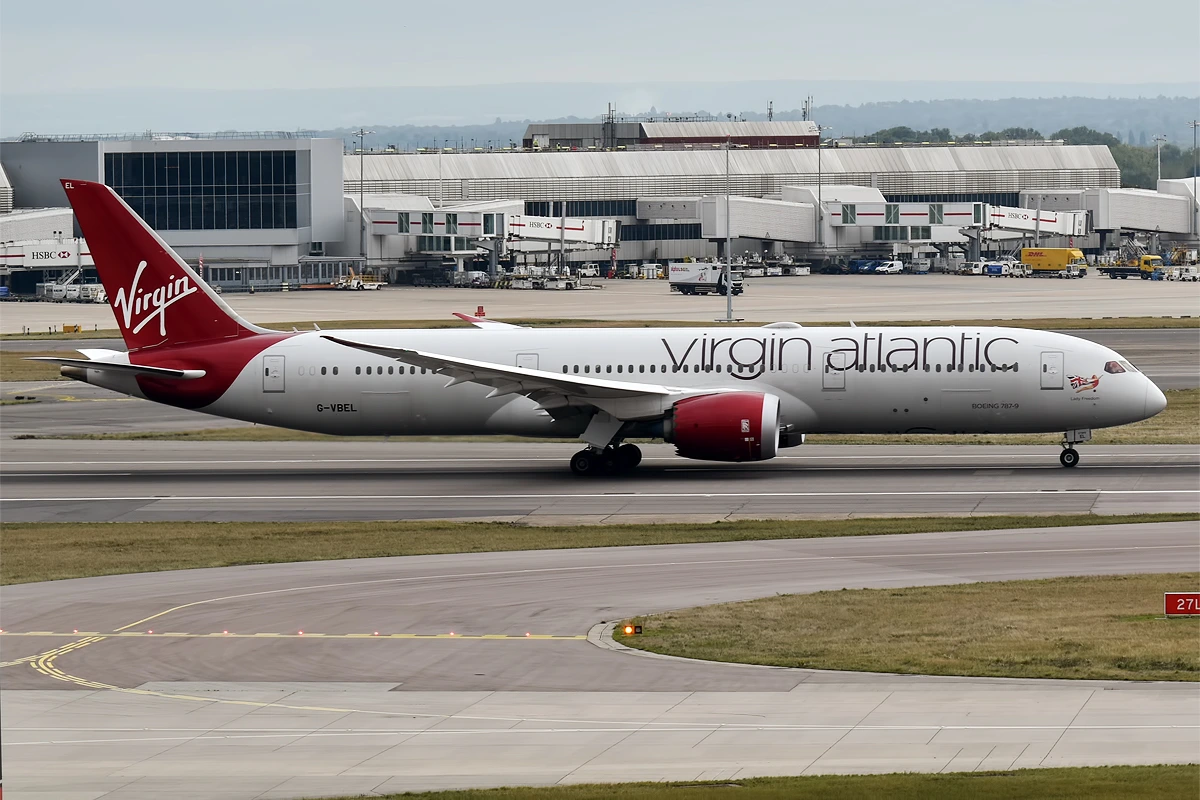
Virgin Atlantic and Heathrow Airport Respond to the Tragedy
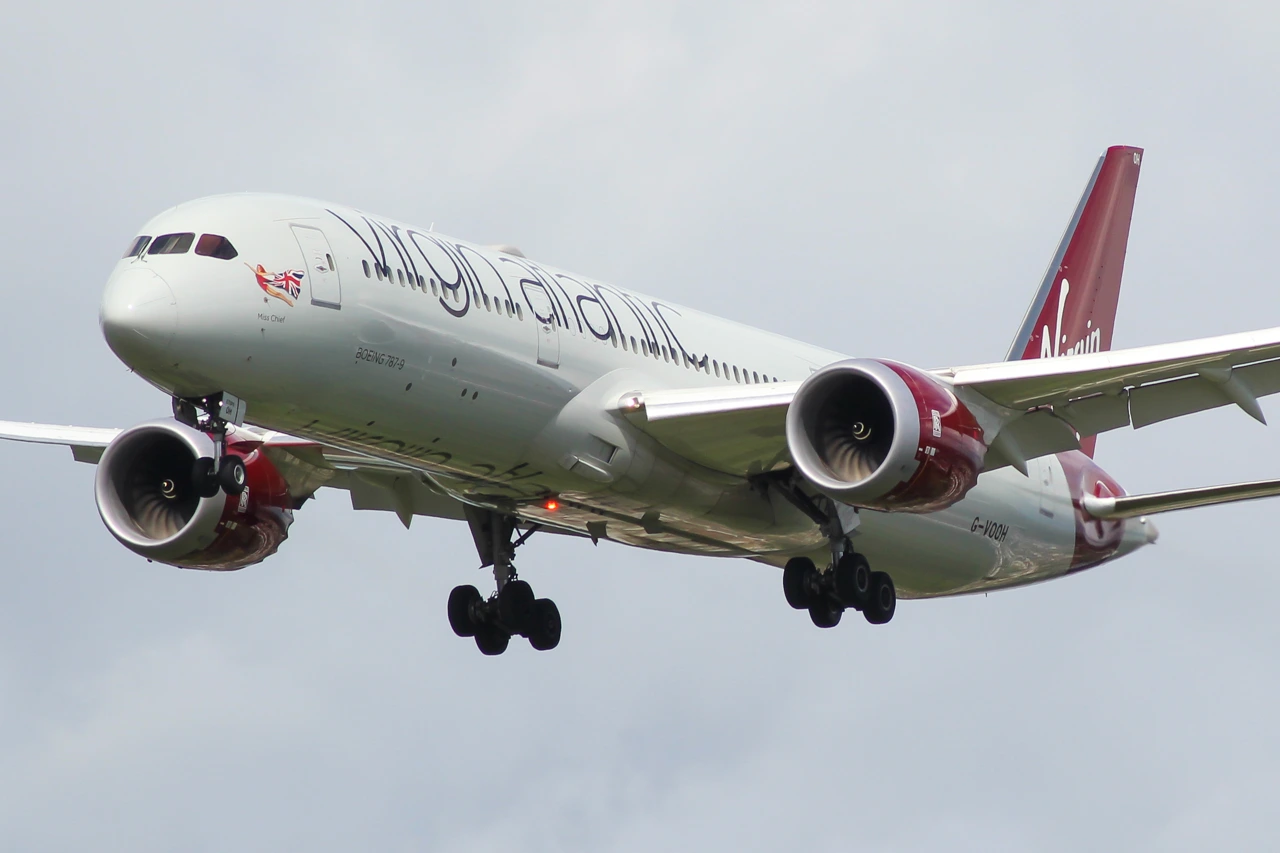
Virgin Atlantic, which is one of the few airlines that have a nose art, issued a formal statement confirming Buxton’s death and extending condolences to his family. The airline said “a much-loved member of our engineering team has passed away,” and confirmed it is working with relevant authorities and Boeing on a full investigation. Buxton’s family has asked for privacy while they grieve.
Heathrow Airport, where Virgin Atlantic operates its largest base, issued its own statement following confirmation of the death. A spokesperson said “we were very sorry to hear of this tragic accident,” adding that thoughts remained with Buxton’s family, friends, and Virgin Atlantic colleagues. Both statements stopped short of addressing what caused the machinery failure, leaving that question for the ongoing investigation and inquest.
The Boeing 787-9 Involved Remains Grounded Pending Investigation
Virgin Atlantic confirmed the aircraft involved has been withdrawn from service while its own internal safety investigation continues alongside the external inquiry. The airline has not released the aircraft’s registration publicly. Flight-tracking data reviewed at the time showed three Virgin Atlantic aircraft sitting idle with no recorded flights in the preceding week, though it remains unclear whether all three relate to this incident.
The airline said it is working closely with Boeing to establish the facts and determine what additional safety controls maintenance crews will need going forward. No timeline has been given for when the aircraft might return to service. Virgin Atlantic has stressed that the individual was not killed by an engine, and that he passed away in hospital rather than at the scene of the accident.
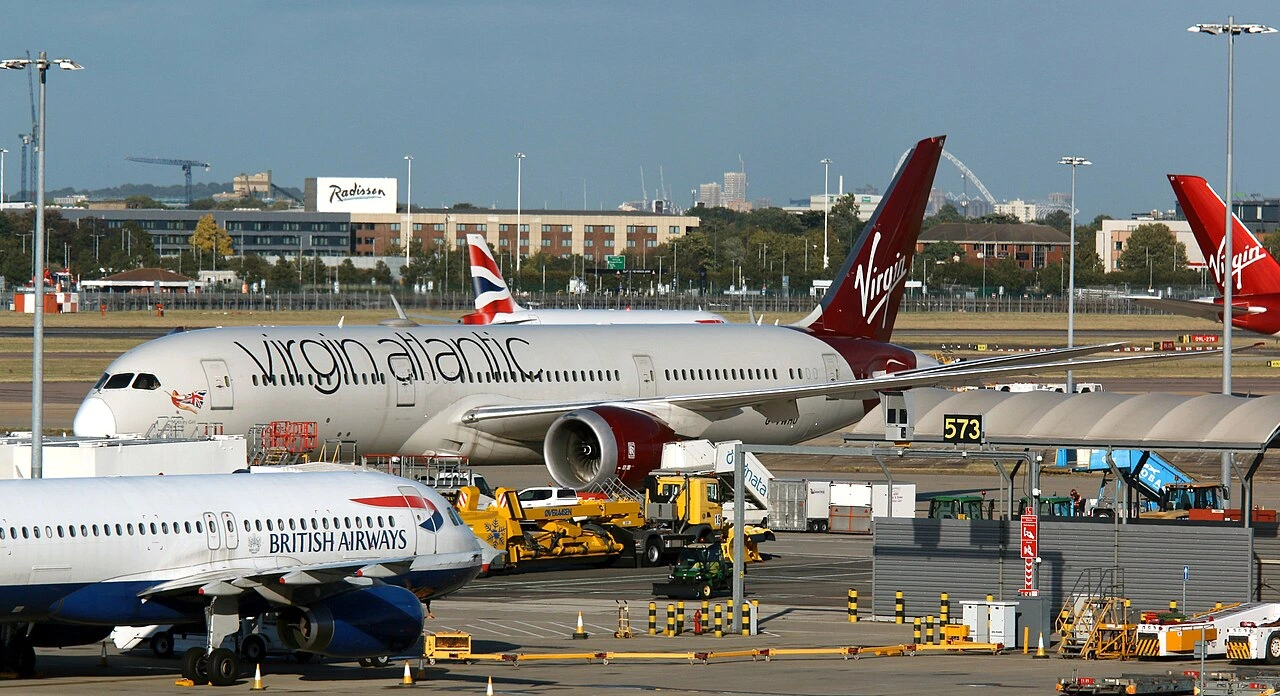
Ground Safety Deaths Remain Rare but Not Unprecedented in UK Aviation
Fatal accidents involving UK commercial airlines in the air are exceptionally rare. There has been no fatal accident involving a UK commercial airline since 1989, according to the Civil Aviation Authority’s most recent safety review. Buxton’s death falls into a different category entirely, since it happened on the ground during scheduled maintenance rather than during flight operations.
Workplace deaths across Great Britain as a whole have stayed broadly stable in recent years. The Health and Safety Executive recorded 124 work-related deaths across all industries in the year to March 2025, a slight decrease from the year before. Aviation ground maintenance is not among the sectors the HSE flags as highest-risk, which makes Buxton’s death a notable outlier rather than part of an established pattern at Heathrow or within Virgin Atlantic’s engineering operation.
What The Investigation and Inquest Will Determine Next
The West London Coroner’s Court inquest opening this week is expected to be adjourned shortly after it begins, a standard procedure for workplace deaths pending a fuller investigation. Virgin Atlantic’s own internal review runs in parallel with the coroner’s process and with Boeing’s involvement as the aircraft manufacturer. Neither Virgin Atlantic nor Boeing has indicated when either process will conclude.
The registration of the Boeing 787-9 involved has not been made public, and Virgin Atlantic has declined to answer further questions while the investigation remains open. For now, the clearest facts are the ones already confirmed: a 23-year-old engineer is dead, one Boeing 787-9 has not flown in weeks, and both Virgin Atlantic and Heathrow Airport have said the loss has been felt across their workforce.

_@_LHR,_Oct_2016.jpg)
.jpg)
.jpg)
.jpg)