As the first anniversary of the deadliest aviation disaster in a decade approaches, India’s Aircraft Accident Investigation Bureau (AAIB) is preparing an interim report rather than a definitive final one on the crash of Air India (AI) Flight AI171. The Boeing 787-8 Dreamliner, registration VT-ANB, departed Sardar Vallabhbhai Patel International Airport (AMD), Ahmedabad, on 12 June 2025, bound for London Gatwick Airport (LGW), and crashed into a densely populated residential area just seconds after liftoff, killing 260 people — 241 of the 242 persons on board and 19 on the ground. A person with direct knowledge of the matter confirmed to Reuters that investigators are not yet in a position to deliver a final report, citing the extraordinary complexity of the probe.
The forthcoming interim document, according to sources cited by Reuters, will be substantially more comprehensive than the 15-page preliminary report released in July 2025, and will examine possible primary causes as well as other contributing factors.
What The Preliminary Report Revealed
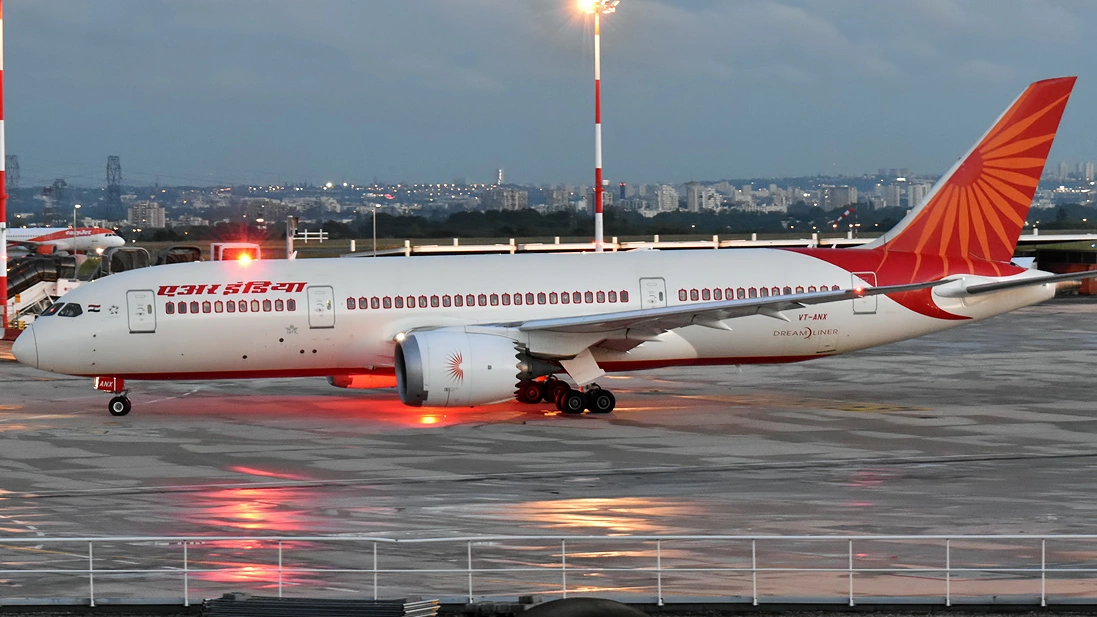
The 15-page preliminary report, released by the AAIB on 12 July 2025, provided a stark and troubling timeline: within seconds of liftoff, both engine fuel control switches transitioned from the RUN to the CUTOFF position — one after the other, with an interval of approximately one second. This abrupt cutoff starved both CFM56-class Trent 1000 turbofans of fuel, causing an immediate loss of thrust. The aircraft descended and struck the hostel block of B.J. Medical College, destroying at least five buildings and triggering a post-impact fire.
Investigators confirmed that the Boeing 787-8 had been properly configured prior to departure and lifted off normally. According to the preliminary report, the document presented no evidence of mechanical failure or bird strike that could have simultaneously disabled both engines. Both engines briefly attempted to relight, but only one succeeded in generating thrust — insufficient to prevent the catastrophe.
The AAIB stated at the time that it was “too early to reach any definite conclusions.”
The Cockpit Voice Recorder Reveals a Disputed Exchange
Cockpit voice recorder data added a layer of profound ambiguity to the investigation. The Wall Street Journal, citing sources familiar with the U.S. government’s early assessment reported by Reuters, indicated that the exchange between the two pilots suggested it was the captain who moved the fuel switches, prompting a panicked response from the first officer. The recording reportedly captured one pilot asking, “Why did you cut off?”, to which the other responded, “I didn’t.”
However, this interpretation has since been contested on technical grounds. The Safety Matters Foundation of India (SMF) published photogrammetric analysis in April 2026 asserting that the aircraft’s Ram Air Turbine (RAT) deployed 2.5 seconds before the fuel switches moved to the CUTOFF position.
This sequencing is highly significant: RAT deployment indicates a systemic electrical failure had already occurred before any switch transition, suggesting the movement may not have been the result of deliberate pilot input. The analysis places renewed pressure on the AAIB to address this timing discrepancy in its upcoming interim report.
Why is Air India Not Publishing a Final Report but an Interim One?
Under international aviation law, as codified by the International Civil Aviation Organization (ICAO), a final accident investigation report is due within one year of the incident. If investigators cannot meet that deadline — a not uncommon occurrence in complex accidents — they are required to issue an interim statement on each anniversary until the final report is complete. ICAO’s consultation process for final reports mandates a 30-day comment period, extendable to 60 days, during which participating states can review and respond to draft findings. Crucially, this consultation requirement does not apply to interim statements.
This procedural distinction carries significant practical consequences. By releasing an interim rather than a final report, Indian authorities are not obligated to share findings in advance with the U.S. National Transportation Safety Board (NTSB), which participates in the investigation by virtue of the Boeing 787’s design and manufacture in the United States.
The NTSB would retain the right to comment on any eventual final report — a mechanism that, as Reuters noted, could ultimately provide greater closure for the families of the 260 victims. Both ICAO and the NTSB declined to comment on the matter.
Air India’s Broader Response
Air India, operating under Tata Group ownership following its privatisation in 2022, has undertaken several institutional measures in the wake of the crash. The airline confirmed via its official newsroom that, in compliance with DGCA directives issued on 14 July 2025, it completed precautionary inspections of the FCS locking mechanism across its entire Boeing 787 and Boeing 737 fleet — with no defects identified.
Air India also suspended 83 wide-body flights for six weeks immediately after the crash to accommodate government-mandated safety checks, and permanently retired flight numbers AI171 and AI172.
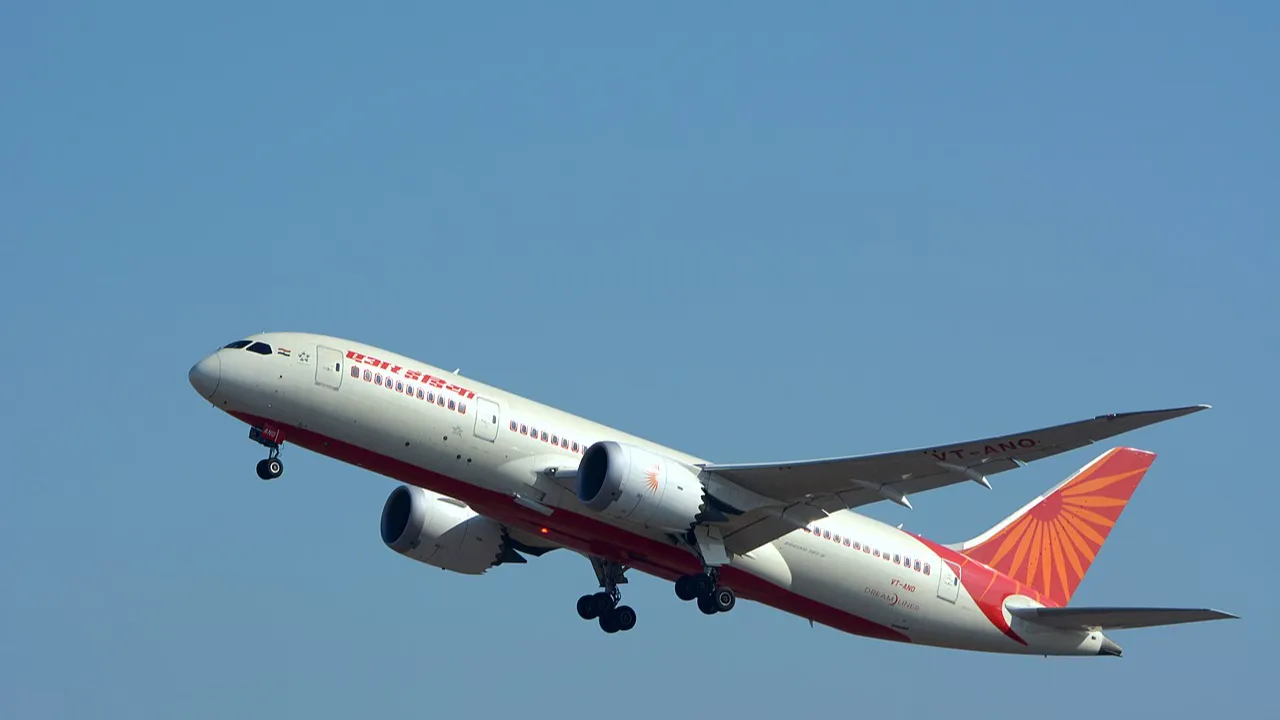
Air India CEO Campbell Wilson, speaking to the Tribune India, described the crash as “heartbreaking” and acknowledged the weight it placed on the organisation, while stating that the airline’s job is to keep improving. He confirmed that Air India’s legacy Boeing 787-8 fleet would undergo cabin refurbishment by mid-2027, followed by the Boeing 777 fleet by early 2028, with the first new Dreamliner deliveries expected between December 2026 and January 2027.
The Supreme Court of India, hearing a petition filed by the father of the late captain of AI171, reiterated in November 2025 that the AAIB’s preliminary report did not insinuate pilot fault and that the burden of blame did not rest on the pilot’s family — a ruling that provided partial relief to bereaved relatives while leaving the causal question unresolved.
What Comes Next?
The interim report must still be submitted to Indian government authorities before it can be formally released, and investigators have given no indication of when a final report may follow. The investigation, which involves the AAIB as the lead agency alongside participation from the NTSB, the UK’s Air Accidents Investigation Branch (AAIB UK) — which holds Expert status — and Boeing as a technical adviser, is one of the most internationally scrutinised aviation probes in recent years. The UK AAIB confirmed in a statement that it remains in communication with AAIB India and that “release of information on the investigation rests solely with the Indian authorities.”
Civil Aviation Minister Ram Mohan Naidu has repeatedly urged the public not to rush to conclusions, emphasising that transparency and accountability govern the investigative process. The AAIB itself issued an appeal to the media in July 2025 to “refrain from spreading premature narratives that risk undermining the integrity of the investigative process.”

.jpg)

.jpg)