On 7 November 2025, the Supreme Court of India told the father of the late Captain Sumeet Sabharwal that the preliminary investigation into the crash of Air India Flight 171 does not blame his son. The remarks came during a hearing on a petition filed by Pushkar Raj Sabharwal, who is seeking a judicially monitored investigation into the crash. Justice Surya Kant told him directly: “Nobody can blame him for anything. There is no question.”
The accident, which killed more than 260 people on 12 June 2025 shortly after takeoff from Ahmedabad, is the deadliest in Indian aviation history. The court’s remarks address how the preliminary report from India’s Aircraft Accident Investigation Bureau (AAIB) has been interpreted — the investigation itself remains open, and the court did not issue a formal finding on the crash’s cause.
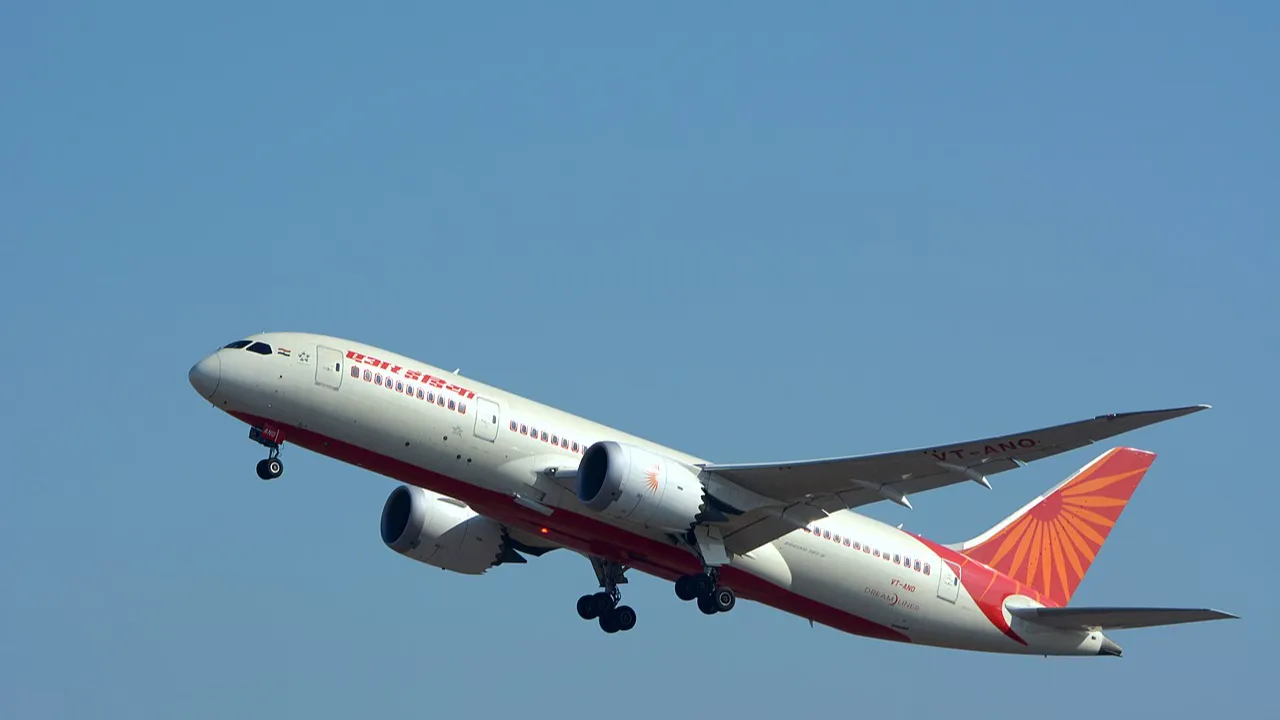
What the Supreme Court said about Pilot Liability in Case of AI 171?
Air India Flight 171 crashed on 12 June 2025 shortly after take‑off from Sardar Vallabhbhai Patel International Airport (AMD), Ahmedabad.
The accident led to the loss of lives of 260 people — 241 aboard the aircraft and 19 on the ground — and the matter in the Supreme Court of India involves a petition “seeking a judicially monitored investigation into the crash“, reported The Hindu, where the words of senior advocate Gopal Sankaranarayanan (who is also the petitioner) contended that the preliminary findings of the Aircraft Accident Investigation Bureau (AAIB) were “biased and incomplete”. A case was made that the investigation report insinuated Captain Sumeet Sabharwal’s error as the reason behind the crash.
The investigation report read:
“In the cockpit voice recording, one of the pilots is heard asking the other why did he cutoff. The other pilot responded that he did not do so.”
Touching upon this part of the investigation report, Justice Joymalya Bagchi remarked:
“There is just a mention of the cockpit recorder where one pilot asks your son whether he turned off a switch and your son answers in the negative. That is all there is in the report. The main purpose of the investigation is to ensure such incidents do not recur.”
It was reported in The Indian Express, Justice Surya Kant, on the other hand, issued to following statement to the petitioner:
“It’s extremely unfortunate that this accident took place, and this gentleman lost his son. But he should not carry this burden that his son is being accused or blamed or anything… Report also, that language, if at all it is creating this kind of wrong impression, we will clarify. Nobody can blame him for anything. There is no question,”
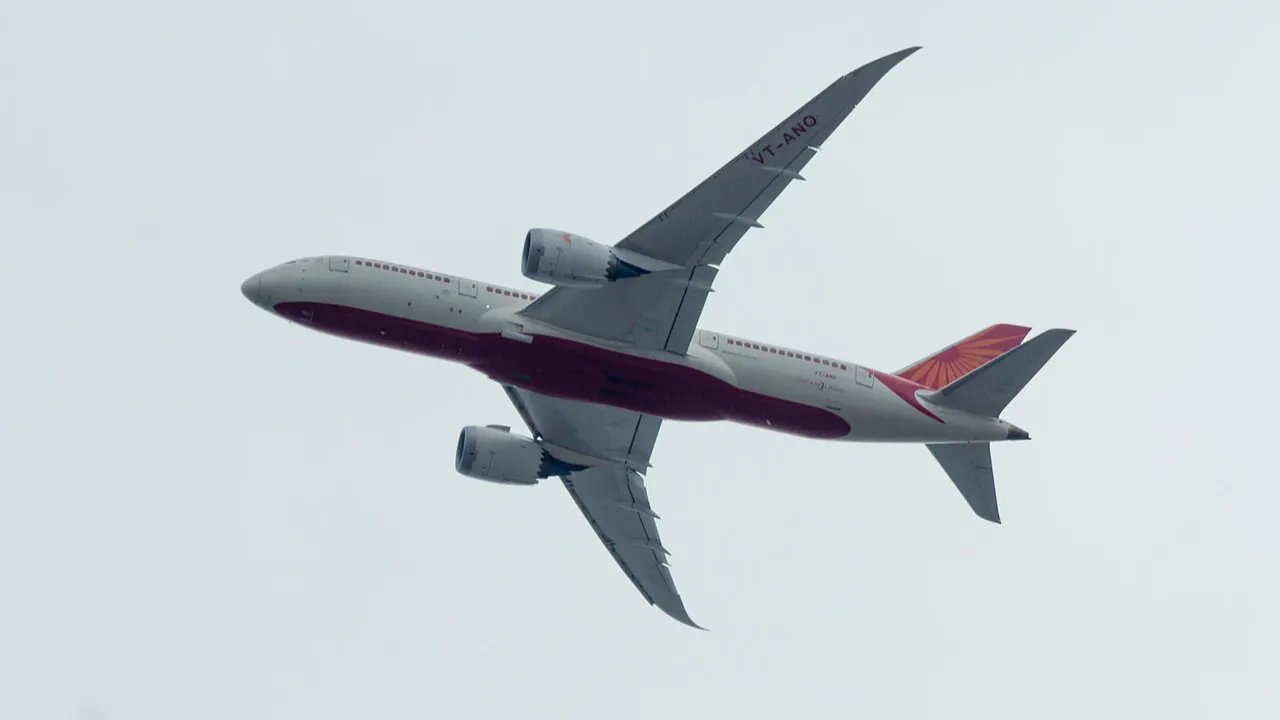
Did the crash and immediate investigation of AI 171 blame the pilot?
According to the Investigation report, at 08:08:33 UTC, the Boeing 787 Dreamliner involved in the accident crossed the take-off decision speed V1 and achieved 153 kts IAS. At 08:08:35, the Enhanced Airborne Flight Recorder (EAFR) data pointed to the Vr speed (155 kts). It was also reported that the aircraft air/ground sensors transitioned to air mode, consistent with liftoff at 08:08:39 UTC.
The initial report doesn’t mention the probable causes of the accident, nor does it mention whom the blame of the accident can be attributed to. At the time of the publication of the report, The EAFR data was being analyzed in detail, and based on the initial leads, additional details were being gathered. Here are snippets of the progress at the time the report was published:
- Engines recovered from the crash site and secured in a hangar at the airport for further examination.
-
No specific actions or directives recommended for operators of the Boeing 787‑8 or the GE GEnx‑1B engines, nor for their manufacturers.
-
The investigation team actively reviewing additional evidence, records, and information being requested from relevant stakeholders.
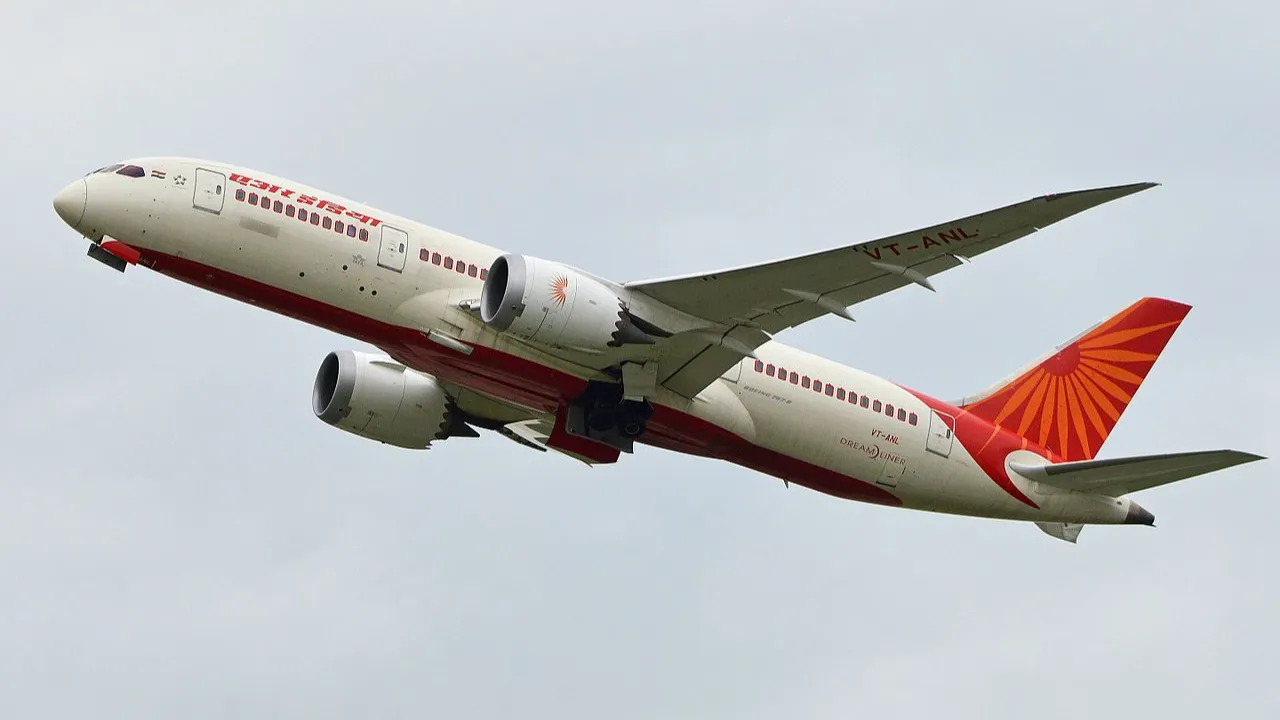
Despite the fact that the preliminary report did not show if any of the pilots cut-off the engine supply. The Wall Street Journal, however, is said to have insinuated that the pilot was at fault for the crash of AI 171 as the publication citied people familiar with US officials’ early analysis of AI 171’s evidence.
The publication further claimed that when a press officer for India’s Ministry of Civil Aviation and AAIB were asked to comment on their piece, they labelled it one-sided and refused any offers for commentary. The Telegraph Online, on the other hand, cited aviation experts assessment that the investigation carried out by the Aircraft Accident Investigation Bureau (AAIB) has language that “appears carefully chosen”.
Perhaps it was this insinuation made by WSJ that prompted the petitioners to draw attention to a fraction of people trying to apportion the blame to the pilots. The Bench at the Supreme Court advised the petitioners to not pay attention to such allegations.
In turn, the petitioner argued that persistent safety concerns surrounding Boeing aircraft – the previous examples of which were the faulty MCAS system that grounded the MAX aircraft – necessitated “a truly independent probe” into the crash of AI 171. In response to this, Justice Bagchi, however, pointed out that questioning the independence of the investigation would imply that the statutory framework itself was at fault.
The inquiry of AI 171 was led by AAIB and had the participation of the following:
- US National Transportation Safety Board
- UK’s Air Accidents Investigation Branch
- Boeing representatives

.jpg)
.jpg)
.jpg)