A UK Employment Tribunal has ruled that easyJet (U2) acted within the law when it dismissed a First Officer who had been charged with rape and sexual assault, even though prosecutors later dropped all charges and the pilot was fully acquitted, Paddle Your Own Kanoo flagged.
The judgment, issued by Employment Judge Morton and dated 8 March 2026, concludes that the airline’s dismissal of First Officer Nikita Azarkevich on 15 October 2024 was justified on the grounds of potential reputational damage to the carrier’s brand — a legal basis known in British employment law as “some other substantial reason” (SOSR) under section 98 of the Employment Rights Act 1996. The tribunal heard the case at London South by Cloud Video Platform on 2 and 3 February 2026.
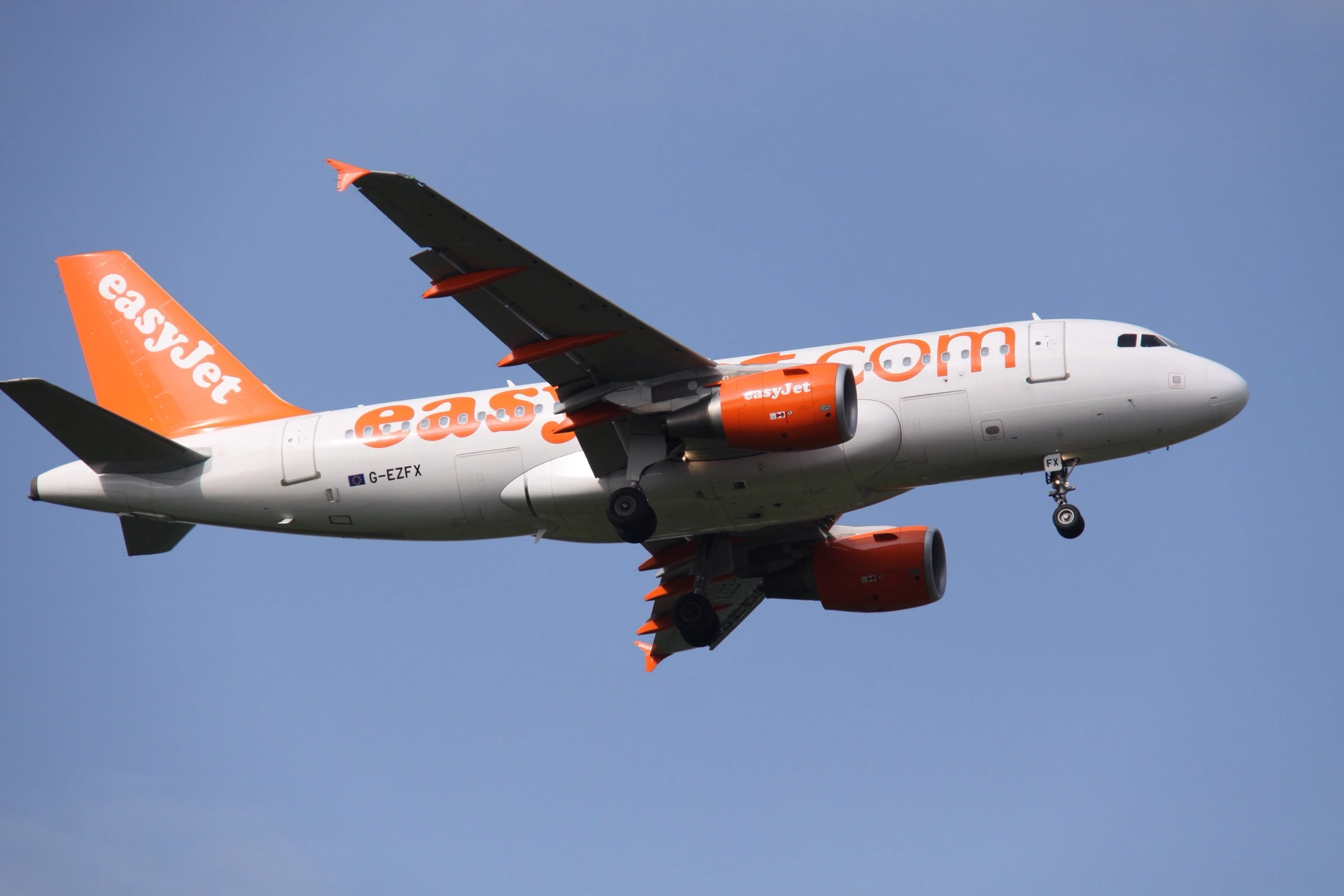
The ruling confirms that a carrier operating a consumer-facing, family-oriented brand may lawfully terminate a pilot’s employment before a criminal trial concludes — and before any verdict is reached — provided the employer holds a genuine and reasonable belief that continued employment poses a material risk of reputational harm.
However, the judgment also delivers a pointed rebuke to easyJet’s handling of the early stages of the case, finding that base management made a series of poor decisions, failed to document key interactions adequately, and misrepresented the grounds for revoking the pilot’s airside security passes.
The Pilot, The Charges, And the Timeline That Led to Dismissal
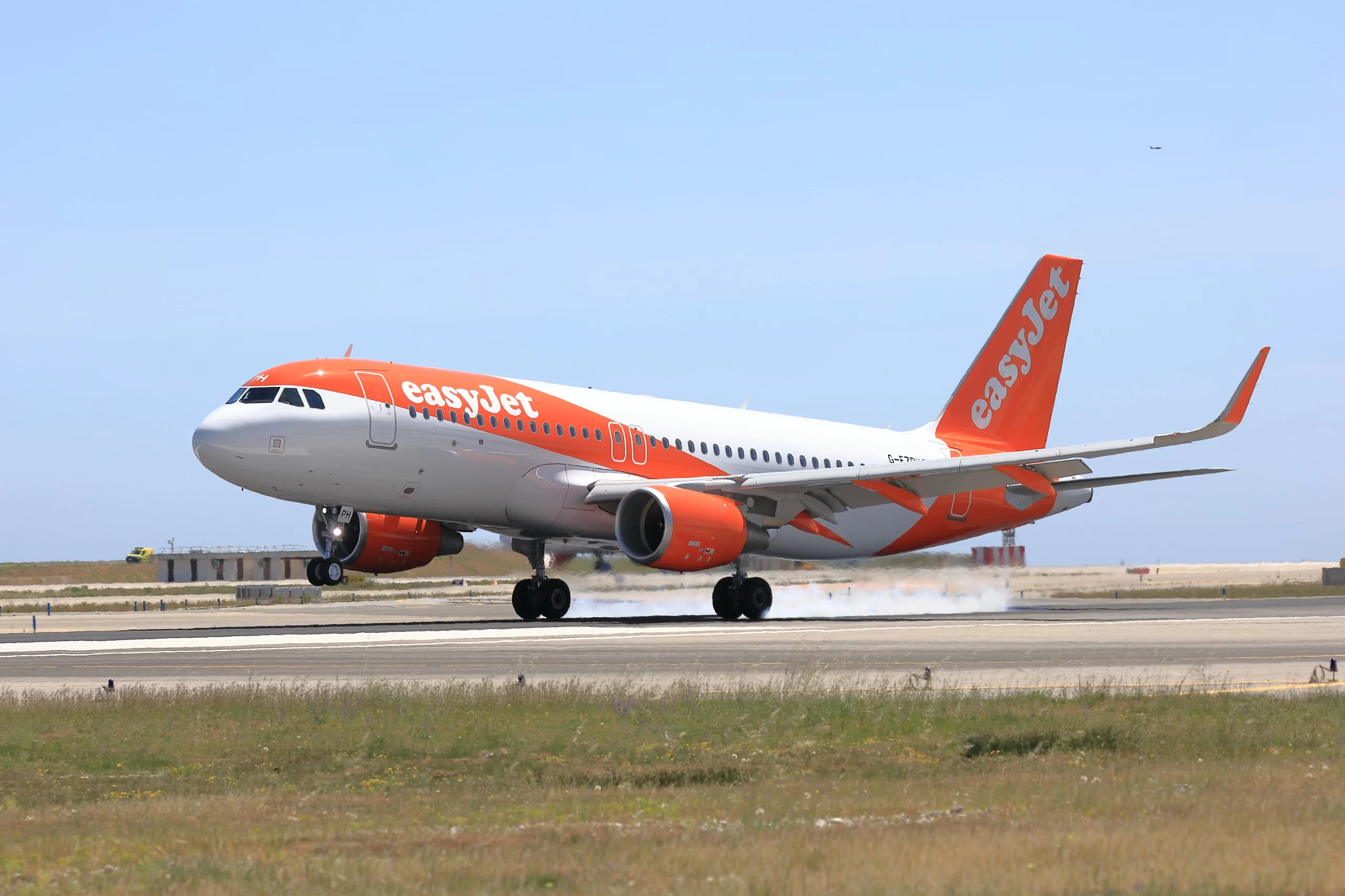
Nikita Azarkevich joined easyJet as a First Officer in Berlin on 26 March 2018 and transferred to the carrier’s base at London Gatwick Airport (LGW) on 11 February 2019, where he remained until his dismissal. On 19 April 2023, Sussex Police arrested him on suspicion of rape and released him on bail pending further investigation. The following day, police informed easyJet of the arrest.
Initially, following a meeting with his Base Captain, Lynne Clark, easyJet allowed Azarkevich to resume his flying duties while the investigation continued, operating on the principle of innocence until proven guilty. That arrangement held for over a year — until 2 May 2024, when Sussex Police informed easyJet that Azarkevich had been formally charged with both rape and sexual assault. He was immediately placed under what the airline designates “Special Operational Clearance” (SOC) status and relieved of all flying duties, partly because the court had seized his passport as a bail condition.
After his bail hearing on 5 June 2024 restored his passport, Azarkevich and his solicitor sought clarification from easyJet on whether he could return to flying duties. They received no definitive response for weeks. Instead, a series of decisions by base management at London Gatwick — including the revocation of his airside security passes — created confusion and, as the tribunal later found, constituted a significant failure of procedural fairness on easyJet’s part.
The Airside Pass Controversy and EasyJet’s Procedural Missteps
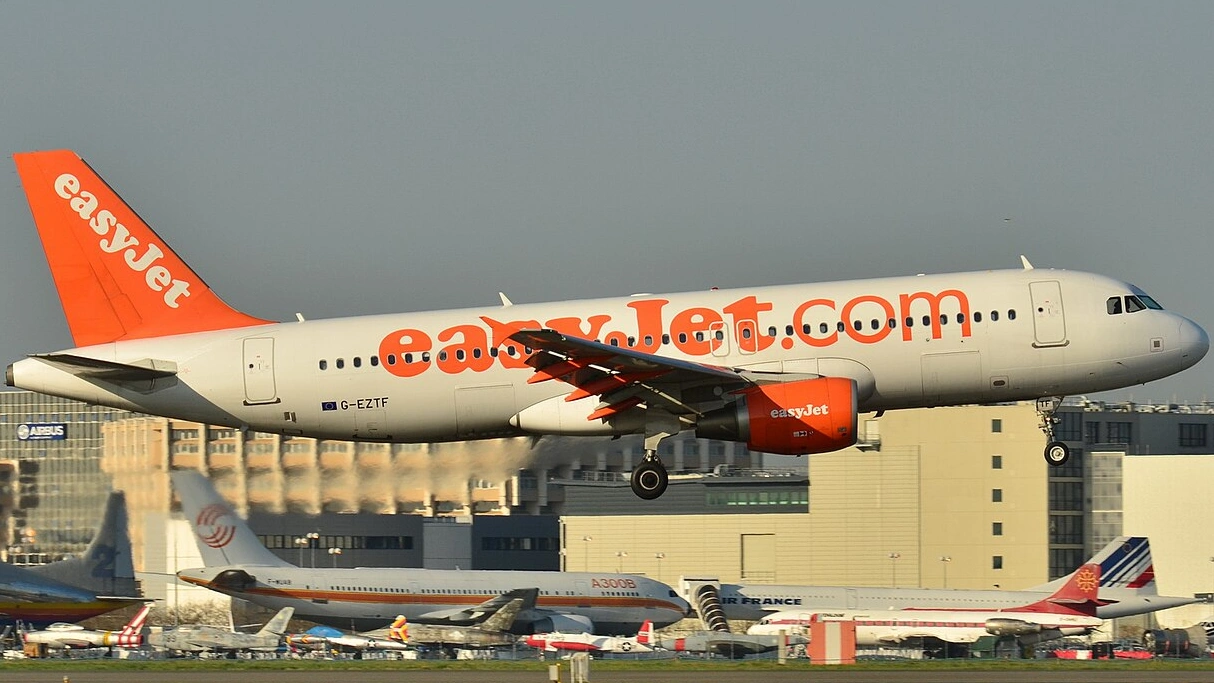
One of the most striking passages of the tribunal judgment concerns the handling of Azarkevich’s airside passes, which were the security credentials required to access restricted zones at London Gatwick. The passes were revoked on easyJet’s own instruction, yet the pilot was told by Pilot Support Manager Robert Springett that he was in breach of “Gatwick Airport airside laws” — a statement the airline later conceded was factually incorrect. Airside passes should only be suspended upon a criminal conviction, not upon a charge; Azarkevich had been charged but not convicted.
The tribunal found that easyJet then compounded the error by telling Azarkevich that his salary was suspended because he was in breach of his contract — another claim the respondent admitted was wrong. Only when Azarkevich visited the Gatwick airport ID centre himself on 21 August 2024 did he discover that it was the airline, not the airport, that had requested the revocation of his pass.
Employment Judge Morton was withering on this point, observing that base managers Springett and Petts “were ill-equipped to do so, made some poor decisions and failed to document their actions adequately” and that “an organisation of the size and with the resources available to the respondent ought to ensure that its managers understand the gravity of their actions in cases such as this.” Critically, neither Springett nor Petts gave evidence at the hearing, and the tribunal noted that the absence of contemporaneous documentation was “very surprising, giving the gravity of the matter for the claimant.”
In a letter to Azarkevich dated 6 September 2024, Regional Flight Operations Manager Tina Stephens acknowledged the error and described it as a “breakdown in communication,” restoring back-dated salary payments. Yet the tribunal found her explanation for the pass revocation “not wholly satisfactory” and her account not “completely transparent,” noting some inconsistency in her evidence.
How EasyJet’s Formal Process Ultimately Saved Its Case
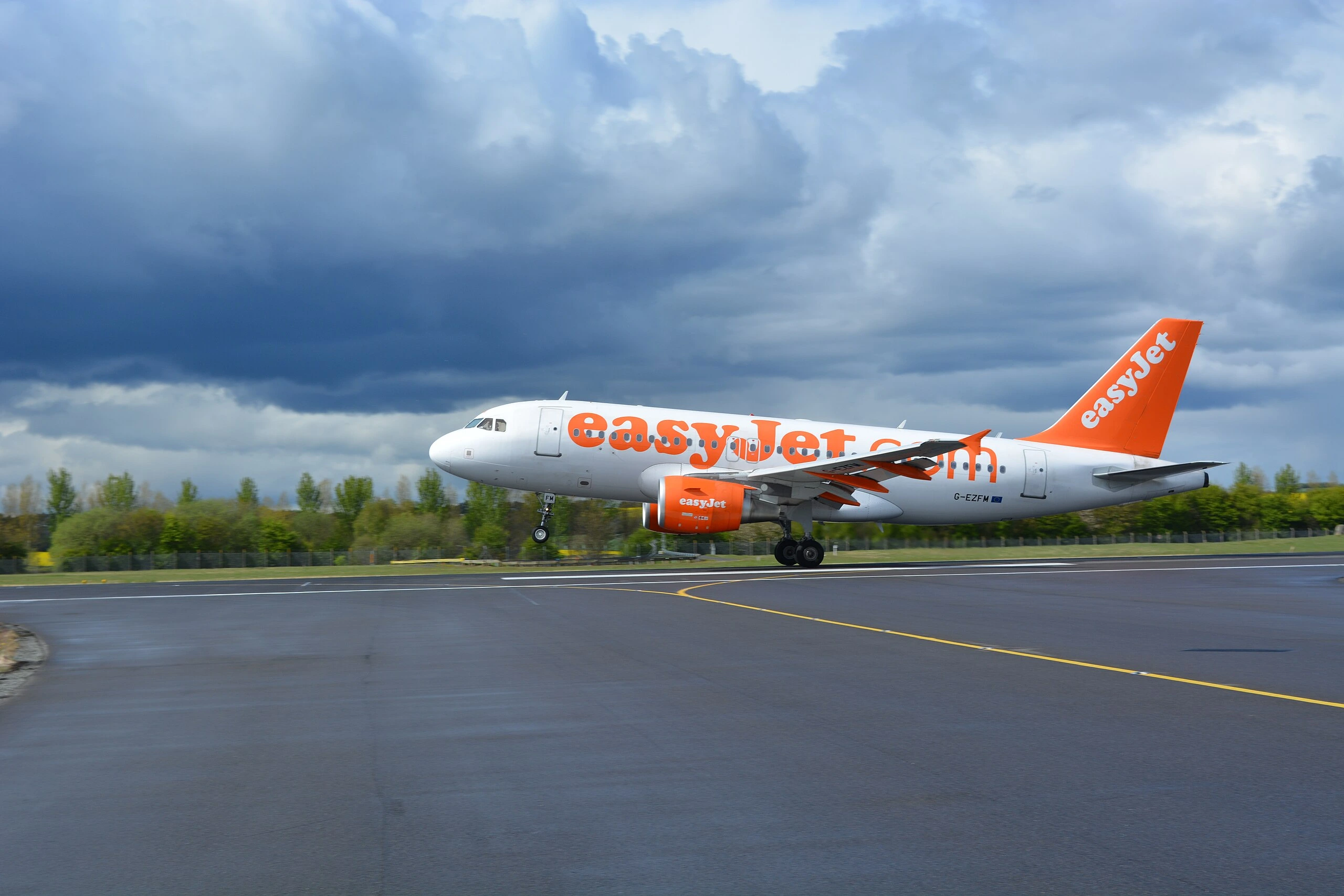
The procedural picture shifted materially when the case was reassigned to Alex Jones, a Base Captain based in Bristol, who took over the management of Azarkevich’s situation in September 2024. Jones invited Azarkevich to a formal meeting on 24 September 2024, providing him with the relevant documentation, informing him of his right to be accompanied, and making clear that dismissal was a potential outcome. Two meetings followed — on 27 September and 15 October 2024 — and Jones dismissed Azarkevich at the reconvened second session.
In his dismissal outcome letter of 31 October 2024, Jones set out his reasoning with clarity. He wrote:
“It is my belief given the information you have provided that you are facing serious criminal charges which you are due to stand trial for at Crown Court in May 2025. easyJet is a trusted family-friendly brand and having reviewed the serious nature of the charges against you, I believe that on the balance of probability the company would suffer serious reputational damage if it were to continue to employ you.”
The letter also addressed the impact on the trust and confidence that must exist between employer and employee in a safety-critical, passenger-facing role.
Azarkevich appealed, and the appeal was handled by Brendan Booth, Flight Operations Manager for Safety. The tribunal found Booth’s approach “exceptionally thorough,” noting that he convened multiple meetings, invited Azarkevich to introduce additional materials, and also placed the option of a career break — effectively a voluntary, temporary resignation with a pathway to return — back on the table. Azarkevich declined to accept the career break without a cast-iron guarantee of reinstatement, which Booth declined to provide. Booth upheld the dismissal on 20 January 2025.

.jpg)
_G-EZTF_-_MSN_3922_(6960910130).jpg)
