An easyJet (U2) Airbus A320neo departed Manchester Airport (MAN) on Thursday, 21 May 2026, bound for Sharm El Sheikh International Airport (SSH) in Egypt, when it abruptly halted its climb at just 3,700 feet and transmitted a Squawk 7700 emergency transponder code, alerting all surrounding air traffic control units to a general in-flight emergency, AirLive reported.
The airline subsequently confirmed the diversion was caused by a medical emergency on board, not a mechanical failure, and the aircraft — registered G-UZED — touched down safely on runway 23R at MAN at 16:19 BST, less than half an hour after its initial departure.
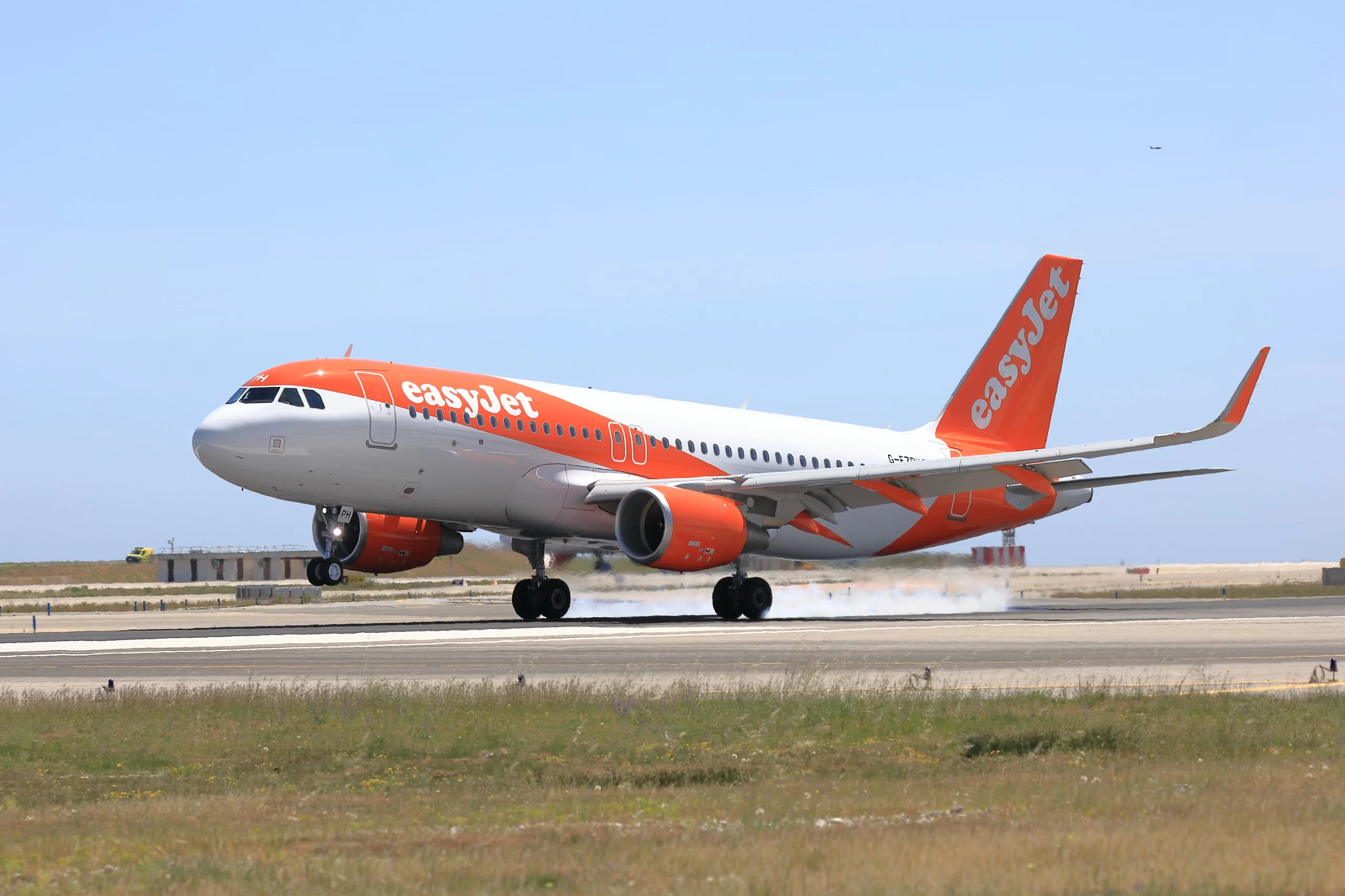
Flight U22253 had departed from runway 23L on what was intended to be a routine five-hour leisure route to the Red Sea resort. Almost immediately after the aircraft left the tarmac, a severe medical incident occurred in the passenger cabin, forcing the cockpit crew to abandon their climb, execute a series of emergency checklists, and return to the departure airport. Local emergency crews, including advanced paramedic units and specialist airport fire services, were placed on high alert and met the aircraft upon landing as a standard precautionary measure.
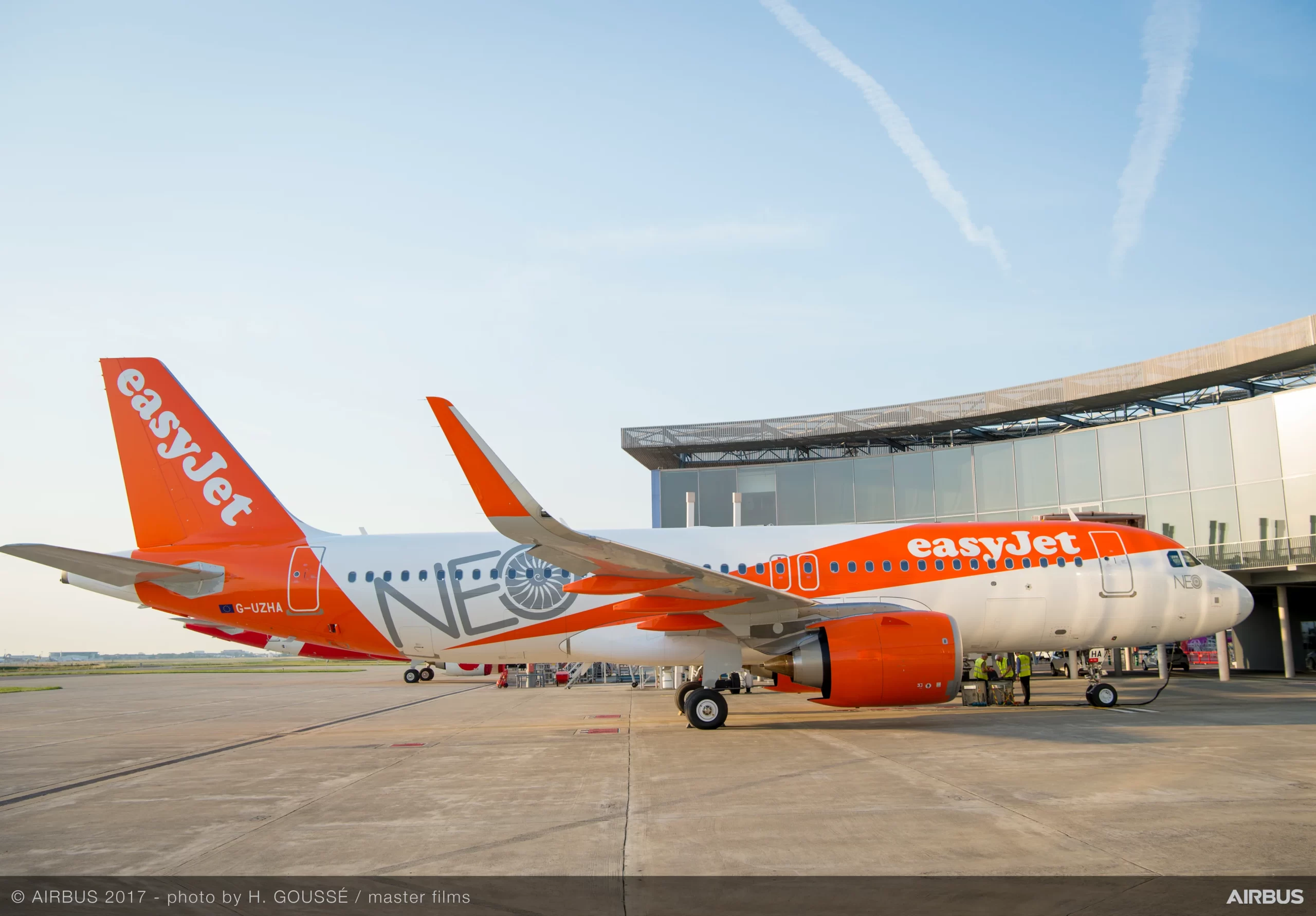
What Is Squawk 7700 And Why It Instantly Changes Everything in the Sky
When a flight crew dials the four-digit code 7700 into an aircraft’s transponder, every air traffic control facility in the surrounding airspace receives an immediate alert that the aircraft is in a state of general emergency. The code can be transmitted in response to any category of crisis — mechanical, environmental, or medical — and it grants the pilot-in-command sweeping authority to deviate from speed limits, altitude assignments, and standard routing procedures without prior clearance.
Unlike a routine radio call, which may take several seconds to process amid the constant stream of communications on busy frequencies, Squawk 7700 flashes as a digital alert on controller radar screens automatically, prioritising the stricken aircraft above all others in the vicinity.
In the case of flight U22253, the crew transmitted this code shortly after departing runway 23L, then executed the emergency checklists required to configure the Airbus A320neo for an expedited return to Manchester.
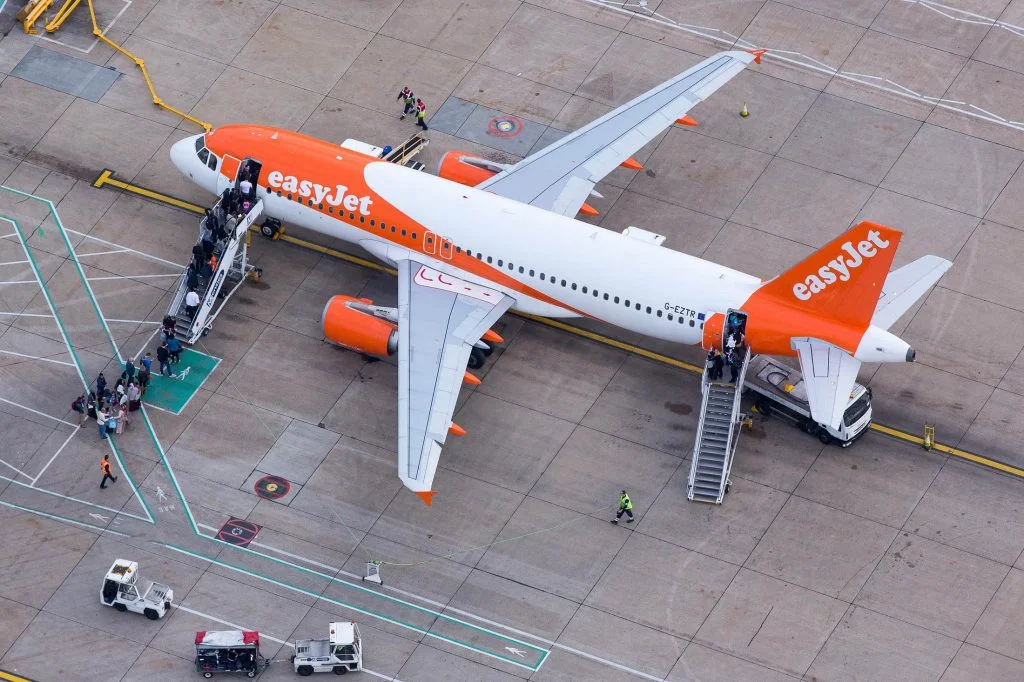
easyJet’s Airbus A320neo Involved in the Incident
The aircraft involved in the incident — registration G-UZED — is an Airbus A320-251N, the specific variant of the A320neo family powered by CFM International LEAP-1A engines. EasyJet’s A320neo is configured with 186 seats in a single economy-class cabin, featuring a 3-3 layout with a seat pitch of 29 inches. According to data from planespotters.net, the carrier has 50 aircraft of this type in its fleet and these average 5.6 years.
The Airbus A320neo registered as G-UZED was delivered to easyJet in December 2024 in a Y186 all-economy configuration. Powered by two CFM International engines, the aircraft was ferried from Hamburg Finkenwerder Airport (XFW) to London Gatwick Airport (LGW) on December 23, 2024, as part of its delivery process, before officially entering commercial service on December 28, 2024.
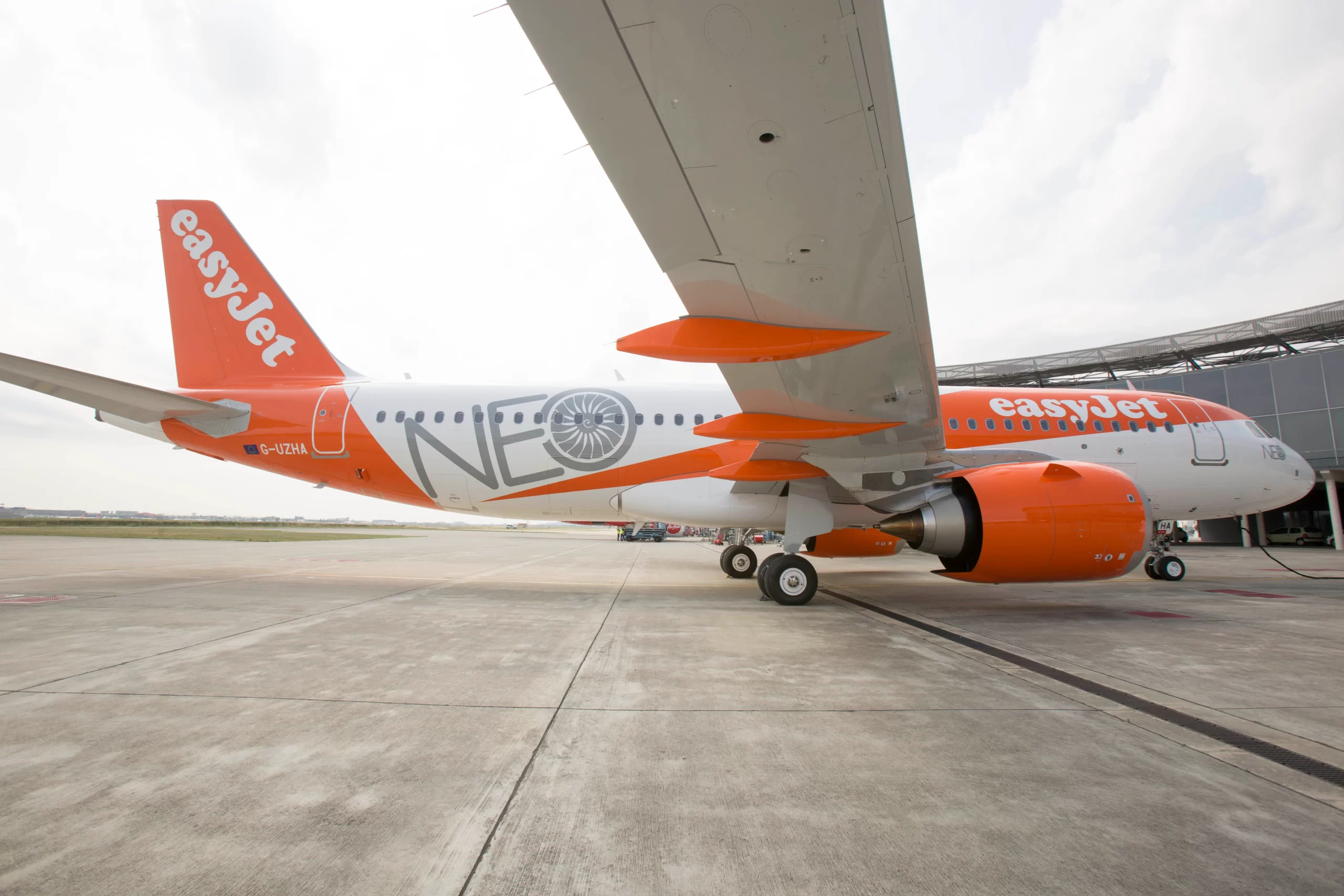
easyJet Responded to the Emergency in Under 30 Minutes
Flight tracking data published by AIRLIVE shows that flight U22253 abruptly halted its ascent at 3,700 feet after departing runway 23L, a threshold far below the aircraft’s planned cruising altitude for a Mediterranean route of this distance. The pilots transmitted the Squawk 7700 code and began working through the applicable emergency checklists to prepare the aircraft for an immediate return. At 16:13 BST, easyJet confirmed to tracking networks that the diversion was attributable to a medical emergency on board, not a technical malfunction.
Executing an emergency return at low altitude requires meticulous precision: the crew must override automated ascent protocols, recalculate landing weight and fuel burn, co-ordinate with air traffic control for an expedited approach, and ensure emergency ground services are in place before touchdown.
The aircraft landed on runway 23R at 16:19 BST, where it was met by airport emergency services as a standard precautionary measure. The entire sequence from takeoff to touchdown lasted fewer than 30 minutes.
The airline has not publicly disclosed the nature of the passenger’s medical condition, in keeping with medical privacy regulations. No fatalities or serious injuries were reported as a result of the incident.
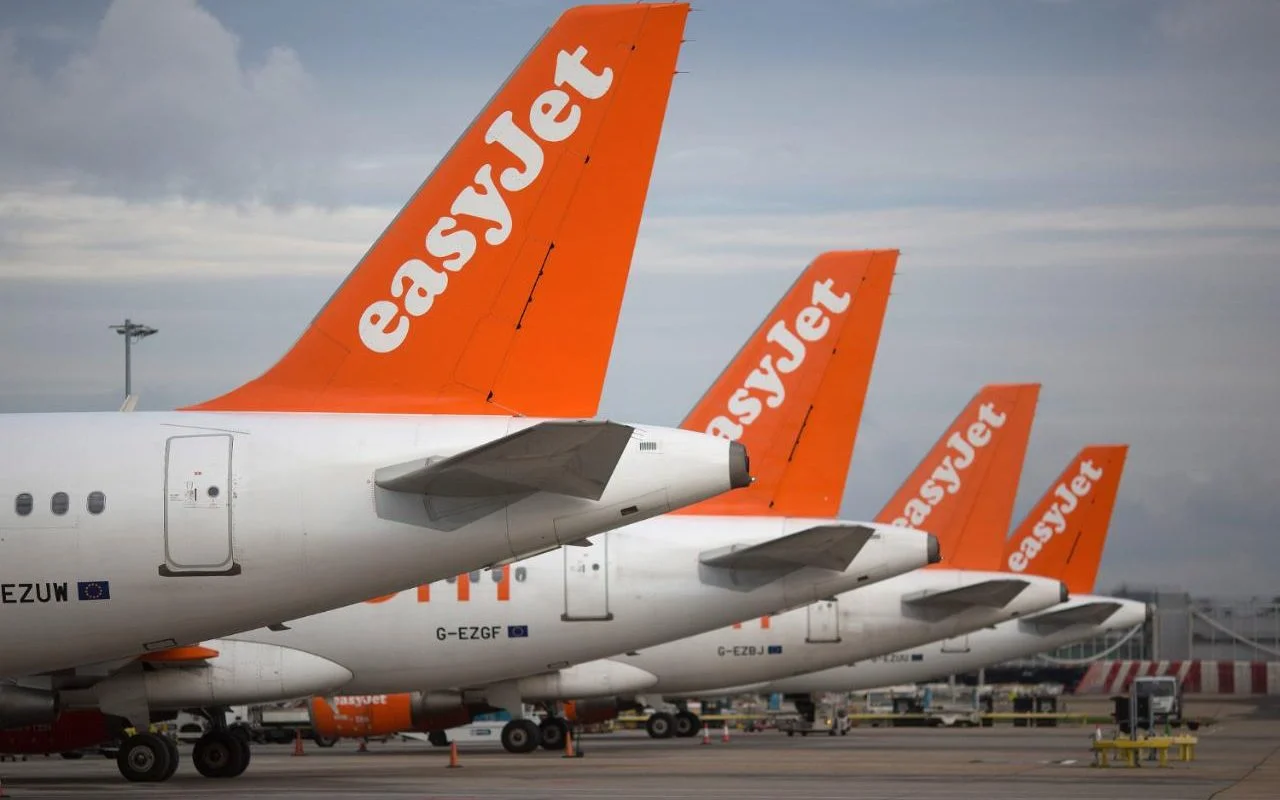
EasyJet’s Recurring Medical Emergencies
In February 2026, an easyJet flight from Hurghada to Manchester was forced to divert to Athens International Airport after the captain suffered a medical emergency approximately two hours into the journey on 8 February. Passengers reported that cabin crew abruptly rushed to the front of the aircraft after serving drinks, and it was later confirmed the captain had become unwell.
More recently, on 12 May 2026 — just nine days before the U22253 incident — easyJet flight EZY2058 from Heraklion, Greece, to Manchester diverted to Milan Malpensa Airport (MXP) after the First Officer required medical assistance. The captain performed a routine landing in accordance with standard operating procedures, and the aircraft was met by medical services. That incident drew significant public criticism because passengers were left stranded at Milan Malpensa for over thirteen hours, with reports of inadequate hotel accommodation and poor communication from ground staff.
