In a country such as Nepal, which houses some of the most dangerous STOLports and altiports such as the Tenzing Hillary Airport, bike accidents accounted for 68 percent of those killed or injured in road accidents. In a survey cited in the Kathmandu Post, “there were 1,102 deaths and injuries for every 100,000 people due to road accidents and injuries“. The government had once come up with a mandate for everyone traveling on a motorcycle to don a helmet. Although only bike riders put on a helmet (and not the person seated behind the driver) these days, it just goes on to show how helmets have been used as preventive measures against transportation accidents.
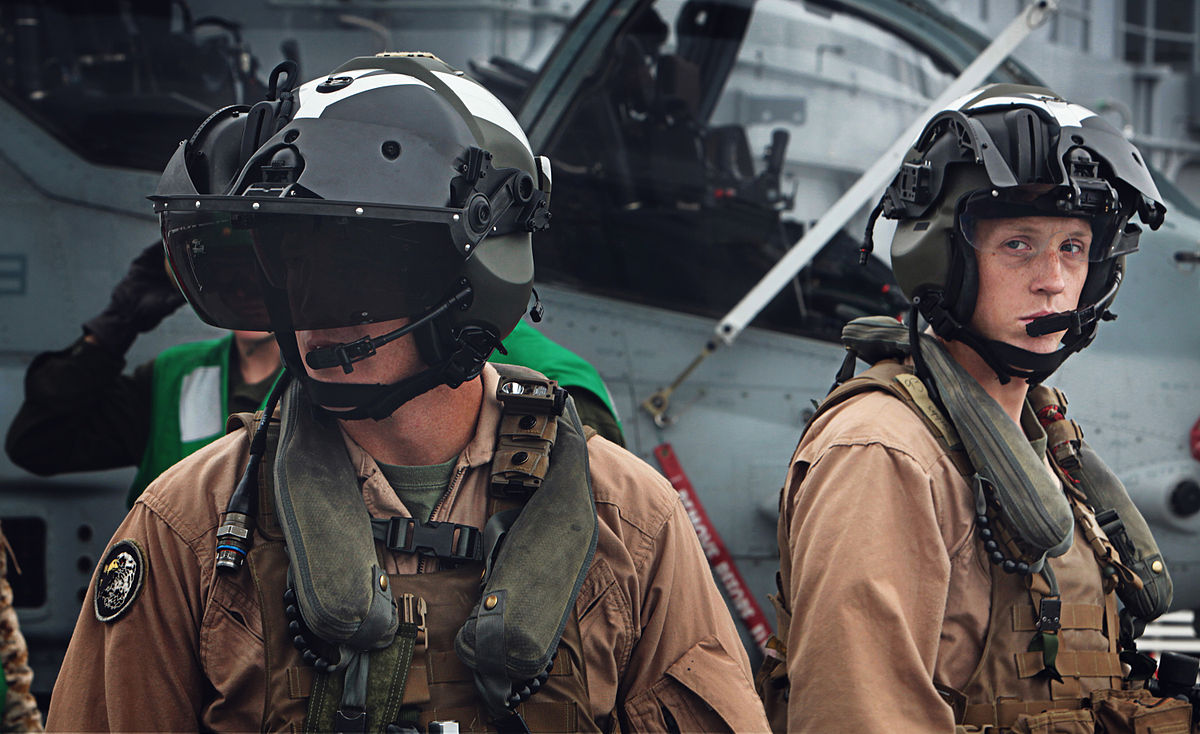
Incidentally Nepal is an infamous nation when it comes to aviation safety. US News and The Mirror have dubbed Nepal to be one of the most unsafe nations for air travel. In Lukla Airport, which is dubbed to be the most dangerous airport in the world, there have been quite a number of helicopter accidents too – one of which included a crash of a Let 410 Turbolet with an AS350. Is it mere common sense that helicopter pilots need wear helmets to save themselves from any injuries that might come about in case of accidents or is there more to it? After all, no airline pilot is ever seen wearing a helmet for safety?
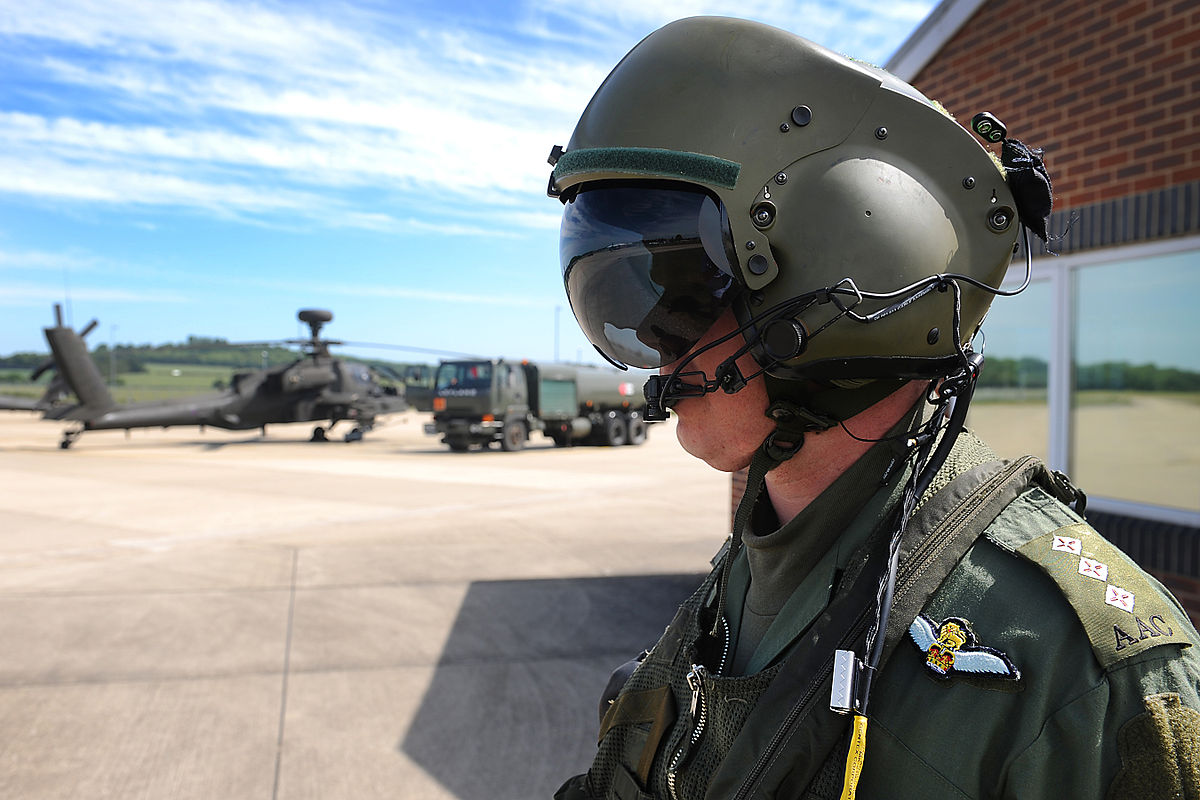
Photo: Peter Davies | Wikimedia Commons
Looking at the track record of helicopter safety and presenting a case for helmets
A study published in The Journal of Trauma, Injury, Infection, and Critical Care examined medical helicopter accidents in the United States between 1993 and 2002. Researchers identified 84 accidents involving 260 people, including patients, passengers, crew and pilots. The accidents resulted in 72 fatalities and 64 injuries, while more than half of all reported accidents occurred during the final three years of the study period.
The researchers described the findings as concerning, particularly because other research at the time had questioned whether medical helicopters were being used excessively for patients who might not receive enough benefit to justify the risks. However, this does not mean that every medical helicopter flight carries the same level of risk, as operating conditions, mission types and flight environments vary considerably.
Helicopter operations can also show higher accident rates than scheduled commercial airline operations, but direct comparisons require caution. Helicopters are frequently used for specialized missions such as emergency medical flights, rescues and operations in remote or difficult terrain, where fixed-wing aircraft or ground transportation may not be practical. Such challenging missions can increase the overall accident rate and make simple comparisons with airline operations misleading.
Other studies have similarly found that helicopter operations can carry greater risks than conventional commercial fixed-wing flights. However, the level of risk varies significantly by the type of helicopter operation, with factors such as weather, nighttime flying, low-level operations and the nature of the mission playing important roles. For example, an Australian study of helicopter emergency medical services between 1992 and 2002 found an overall accident rate of 4.38 accidents per 100,000 flight hours, while noting that nighttime VFR operations appeared to represent a particularly high-risk subgroup.
The evidence therefore suggests that helicopters can be riskier than commercial airliners in certain operating environments, but the comparison should not be reduced to a single accident or fatality figure. The type of operation and the conditions under which the helicopter is being flown are critical when assessing its safety.
Do you need a helmet to fly a helicopter?
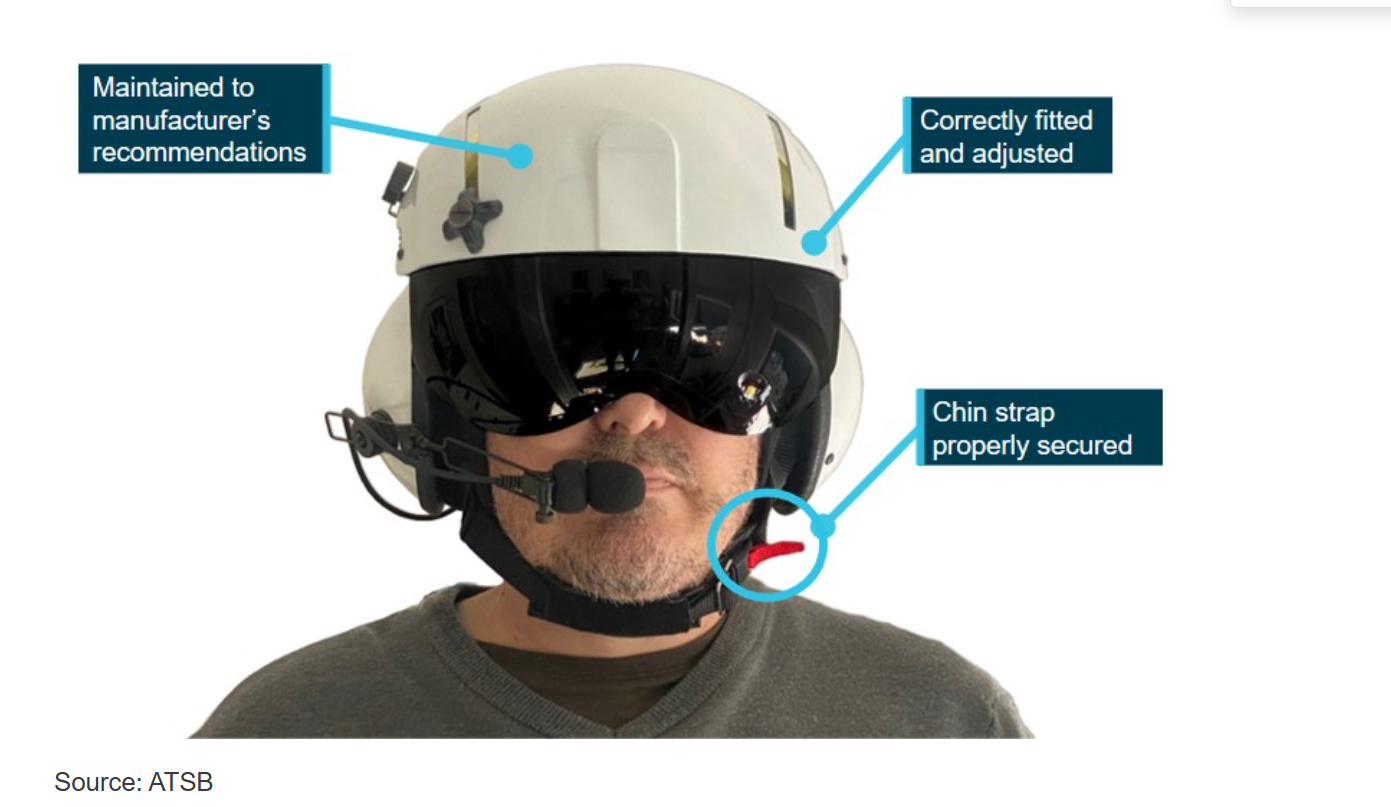
Even the Australian Government’s transport safety bureau recognizes the importance of helicopter helmets and cites a pressing example of a pilot of a Robinson R44 helicopter who was conducting aerial spraying sustained head injuries following the collision of the helicopter with terrain.

The bureau notes that Australia’s Civil Aviation Safety Authority does not require helicopter pilots to wear flight helmets, partly because there is no Australian Standard specifically covering flight helmets. However, the authority strongly encourages pilots conducting low-level operations to use one.
The helmet should be suitable for the intended operation, properly fitted to the pilot’s head and securely fastened with the chin strap. Pilots should also maintain the helmet according to the manufacturer’s recommendations.
Helicopter pilot helmets help evade injuries during accidents
Let’s just take a look at a few instances of when helmets can absorb impacts that helicopter pilots might sustain:
-
In the event of an emergency landing or crash, pilots are at risk of hitting their heads against the cockpit’s hard surfaces, such as the canopy, instrument panel, or controls.
-
Rotorcraft operate in environments where sudden jerks or rapid maneuvering can cause pilots to inadvertently strike their heads against the frame or controls.
-
Helicopters in military and search-and-rescue operations often fly at low altitudes and in difficult terrain, increasing the chances of sudden impacts.
Helmets help reduce noise for pilots
According to Purdue University, a Bell J-2A helicopter at 100 ft produced a sound of around 100 dB. Pilots who fly such machines are subject to prolonged exposure to such high noise levels can lead to hearing damage or hearing loss.
State-of-the-art aviation helmets are designed with built-in noise reduction technology, including passive and active noise-canceling features. Passive noise reduction is achieved through ear cups and padding that create a barrier against sound waves. Active noise reduction (ANR) systems further enhance this by electronically canceling out background noise.
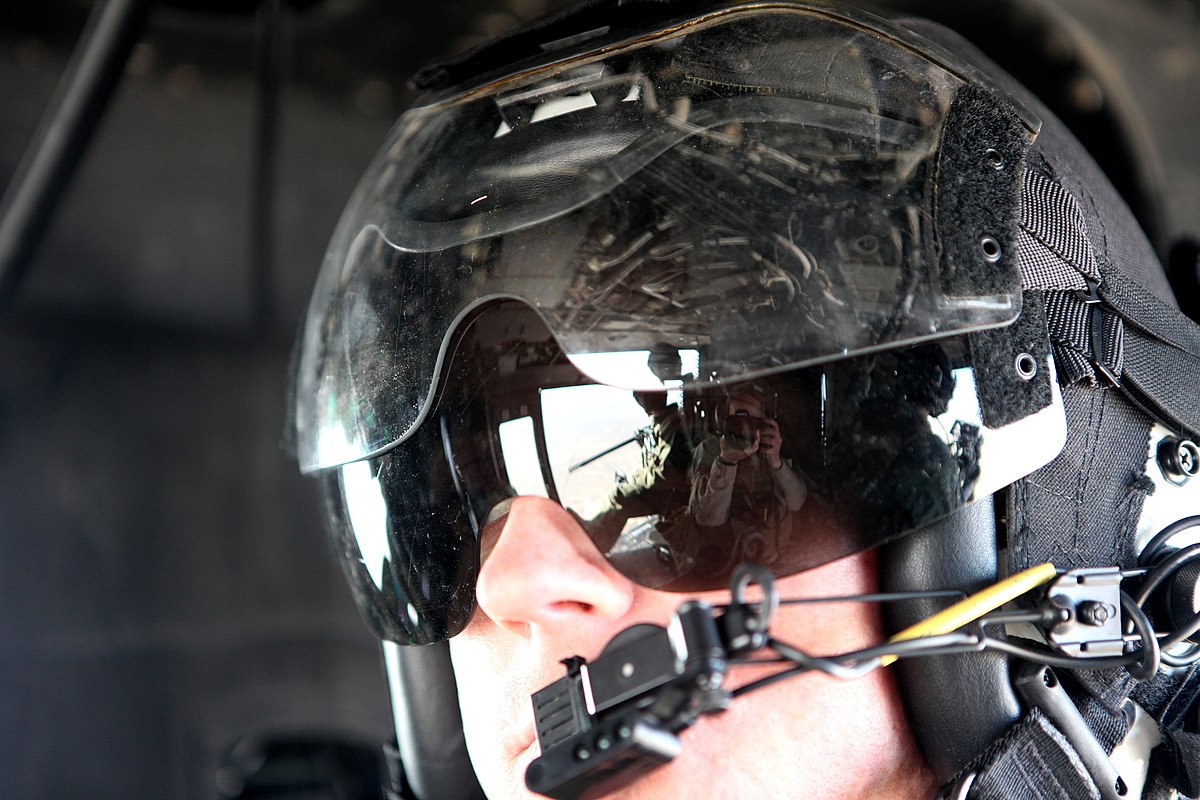
Even as far back as 1995, research related to “Noise Induced Hearing Loss in Military Helicopter Aircrew” revealed that helmets were necessary to reduce “effects of noise exposure and the irreversible nature of the hearing damage thus caused“.
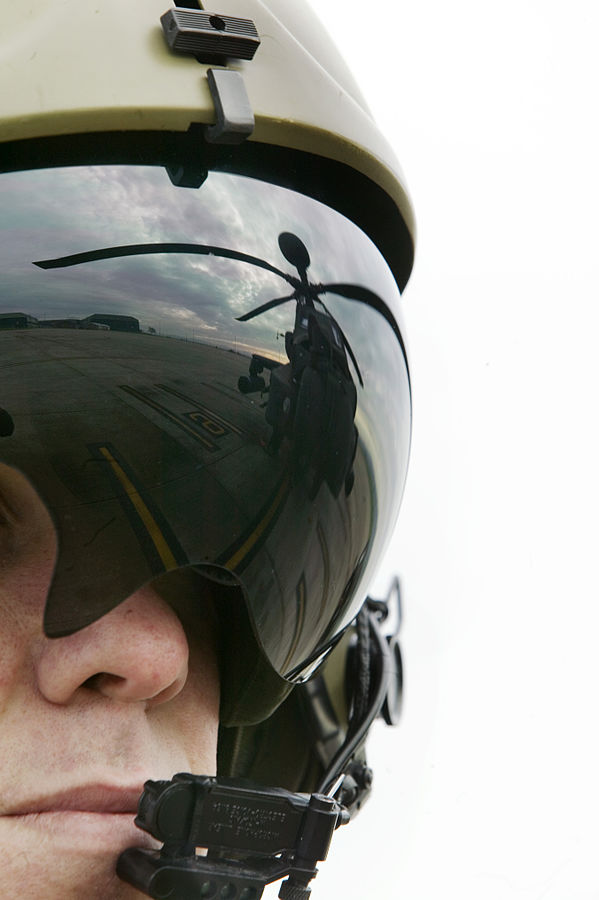
Helmets help protect from debris and environmental factors
Helicopter operations frequently take place in challenging environments, such as:
- rescue missions in mountains, deserts, jungles, mountains, and urban settings.
- military pilots are subject to shrapnel and other battlefield hazards
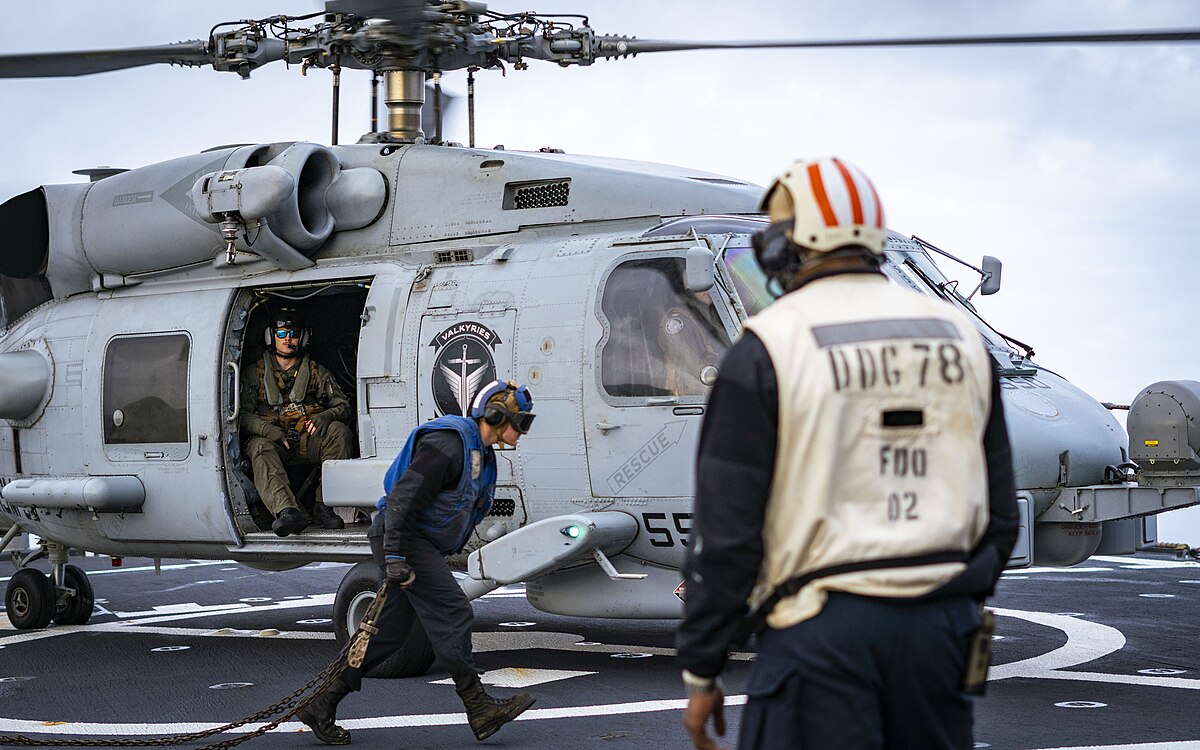
In such conditions, pilots are exposed to dust, wind, rain, and extreme temperatures – all of which can impair vision and lead to accidents. Modern helicopter helmets have visors that help ward off visor these elements. Advanced helmet designs incorporate ballistic-resistant materials to safeguard pilots from potential threats.
Some helmets also are equipped with night vision goggles (NVGs) to enhance situational awareness during nighttime / low visibility. Furthermore, some helmets are also equipped with shock-absorbing foam liners. Such helmets help protect soldiers ward off the force of impact and reduce chances of concussion.
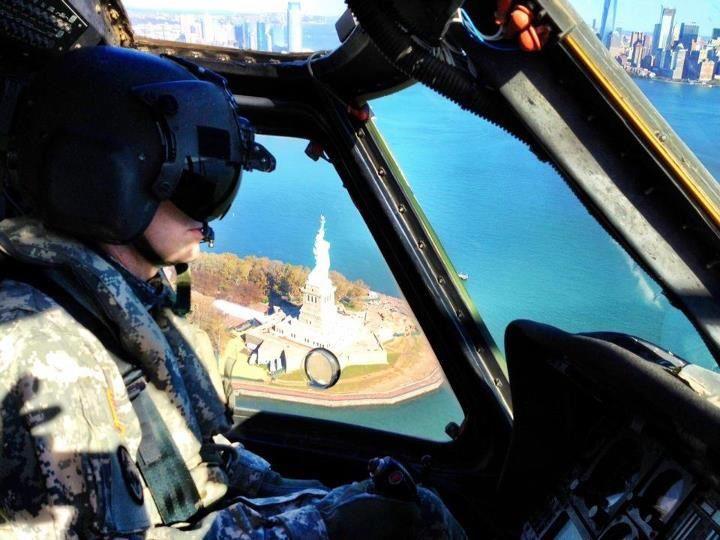
Helmets also allow for enhanced communication capabilities
Helicopter pilots involved in military missions, law enforcement, medical evacuation (MEDEVAC), and search-and-rescue missions often perform in high-noise environment. In such cases, standard communication equipment like handheld radios or cockpit intercoms might not be sufficient. Further, their correspondence with ATCs and ground support teams is also crucial.
In order to fulfill such needs, helicopter helmets are equipped with integrated communication systems. These inlcude:
- Microphones
- Speakers
- Noise-canceling headsets.
Other Interesting features in helmets worn by helicopter pilots
Let’s take a look at a few other features that come in helmets worn by helicopter pilots:
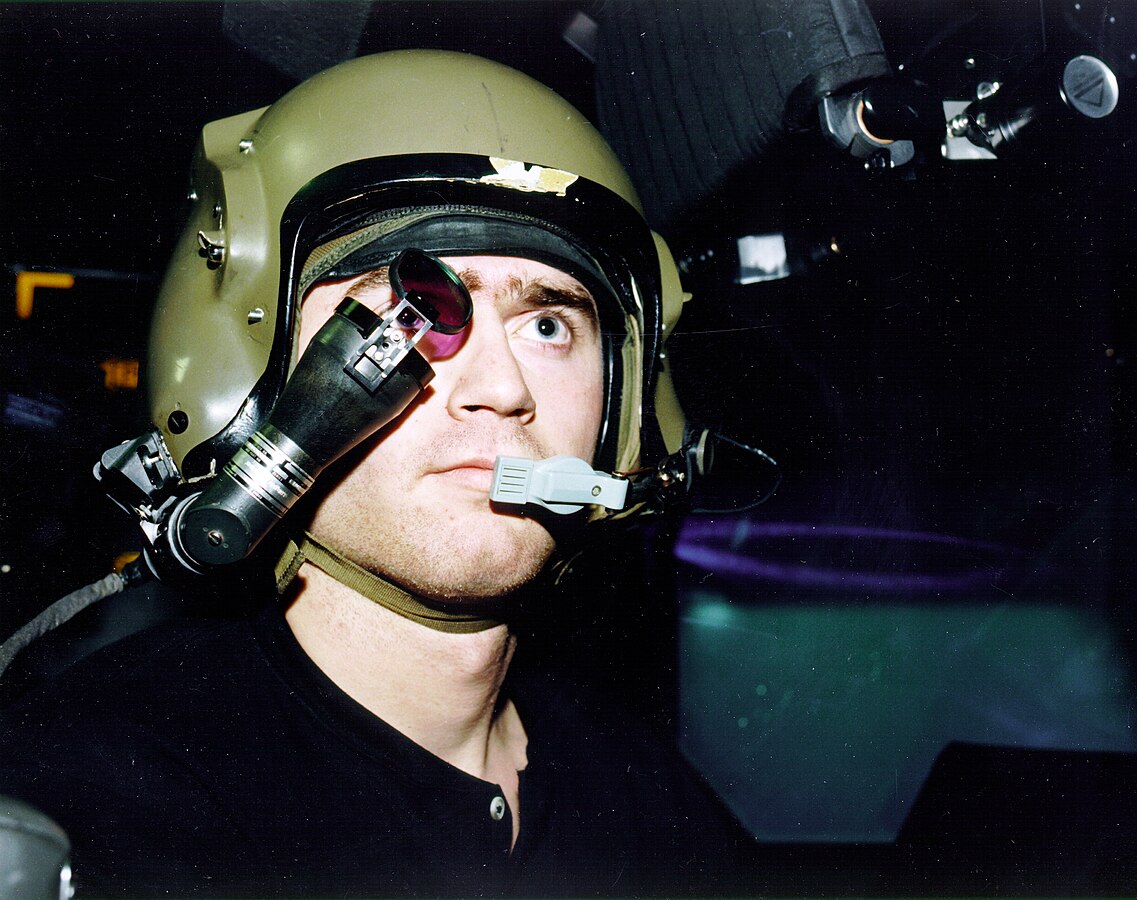
- Heads-up displays (HUDs), which present information about the flight, sensor, and weapon in the pilot’s line of sight. According to NASA Contractor Report, “The HMD was developed to allow the pilot to retain aircraft and weapon information and to view sensor images while looking off boresight.“
- A few years ago, Jerusalem Post reported that Elbit Systems had come up with a helmet for helicopter pilots that had an Augmented Reality (AR) Helmet-Mounted Display (HMD) system. This helmet named X-sight allows the helicopter pilot to see through the body of the aircraft.
Safety Regulations around helmets for helicopter pilots
EASA notes that wearing a helmet would help pilots to survive incidents of bird strikes better. This is because standard category helicopters have “virtually no requirements which specify windscreen strength or resistance against birdstrikes”.
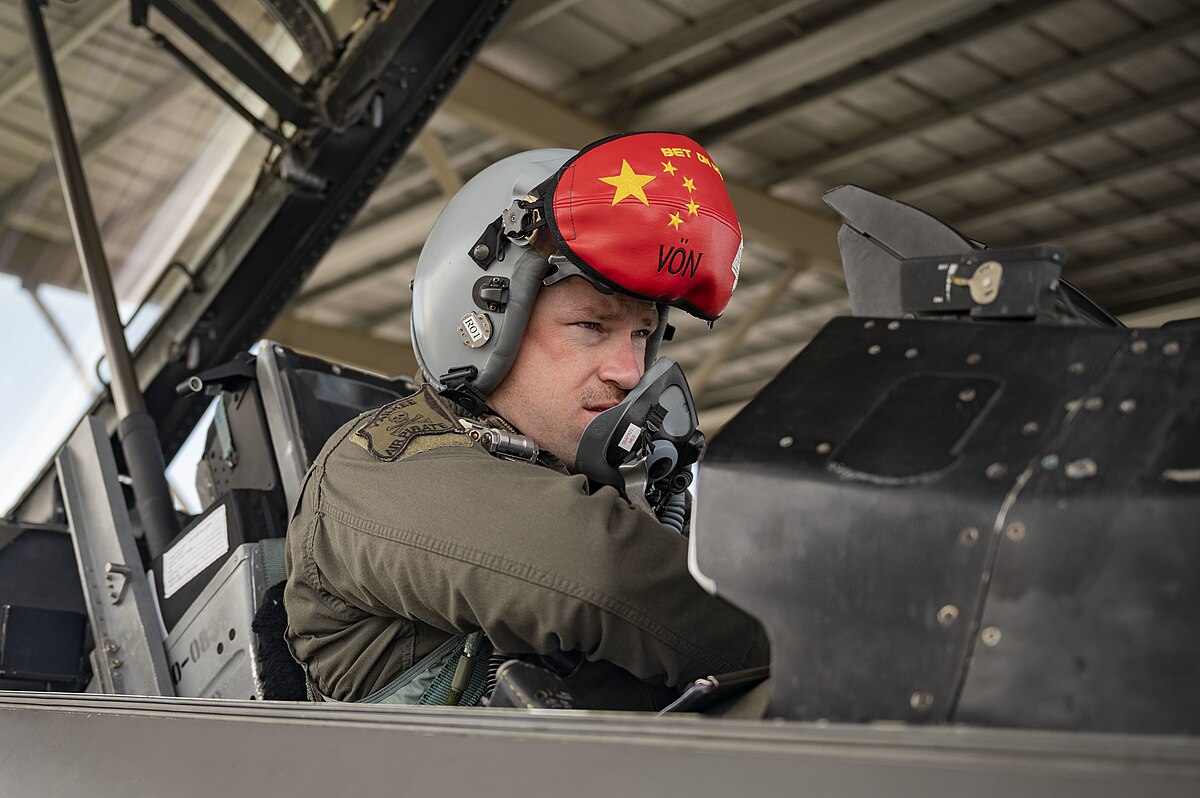
Helmets can surely be used as a technology to mitigate the effects of bird strike, However, rigorous testing about the helmets should also be done. With regards to testing the strength of the helmets, the Department of the Interior and United States Forest Service, states:
“Each helmet tested shall be impacted with a single impact at each of seven impact sites; front, rear, left and right sides, crown, and left and right ear cups. “
Conclusion
As the boundaries of aviation expands and flying though helicopters become more accessible, we will see a widespread use of helicopter pilot helmets than it already is. Although there are no mandates on using these helmets, there are numerous recommendations in helicopter accident reports about the use of helmets for reduction of loss of lives.
With an evolution in technology, helmets will likely become even more advanced, further improving pilot safety and operational capabilities in the years to come.


.jpg)


