Ryanair (FR), the budget carrier that has one of the largest fleets in the world, has pledged to base three extra aircraft and add up to two million more seats at Dublin Airport (DUB), Dublin, from summer 2027. The pledge is conditional on the Irish Aviation Authority (IAA) finalizing a draft plan to cut passenger charges at the airport by 15%. The IAA published that draft determination on Tuesday, July 14, 2026, covering the charging period from 2027 to 2031, The Irish Examiner reported.
Ryanair DAC chief executive Eddie Wilson said the airline would grow at Dublin if the regulator confirms the lower charges. He added that Dublin would become the first airport anywhere to receive Ryanair’s new Boeing 737 MAX-10 aircraft under the plan. Airport operator DAA, which runs Dublin Airport, has criticized the draft proposal, warning it could limit the money available for future terminal and runway investment.
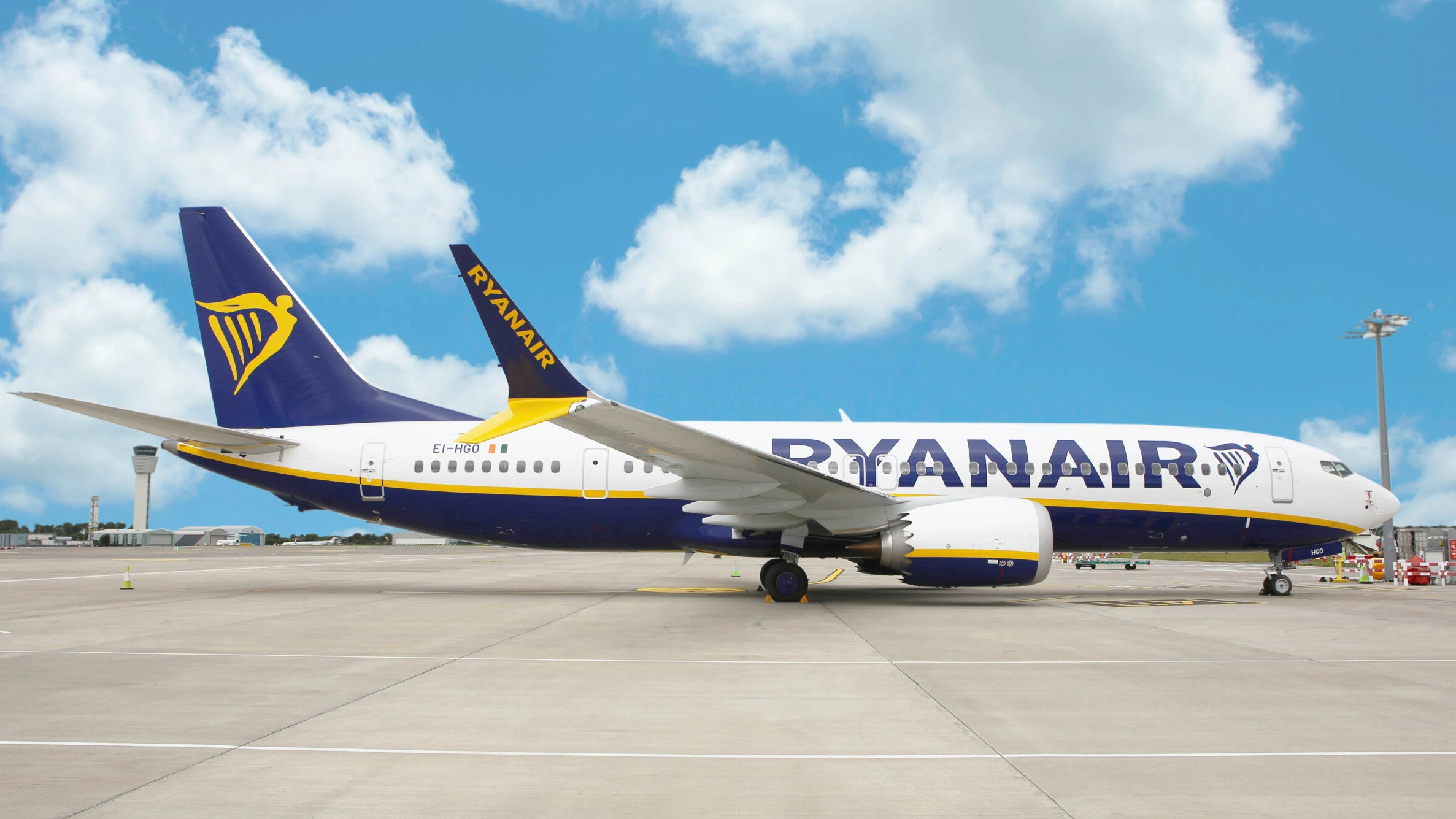
IAA Proposes 15 Percent Cut to Dublin Airport Passenger Charges For 2027
The IAA wants to lower Dublin Airport’s maximum passenger charge from €10.39 in 2026 to €8.85 in 2027, a drop of about 15%. The regulator plans to keep the cap below €9 through 2028 and 2029. It could rise to between €10 and €11 in 2030 and 2031, but only if daa has already begun major construction work on its expansion plans.
The IAA based the cut on passenger numbers that came in higher than it had forecast. According to numbers reported by RTE, IAA expects traffic to grow at an average of 3.2% a year, rising from 39.4 million passengers in 2027 to 44.5 million by 2031. That growth, the regulator said, would still let Dublin Airport collect between €1.6 billion and €2 billion in charges over the period.
IAA chief executive Declan Fitzpatrick defended the proposal as a way to fund airport growth without overcharging airlines. “The proposed price caps will enable Dublin Airport to deliver safe, secure and high-quality services to passengers and airlines for the period 2027 to 2031,” he said. He added that the caps would still let the airport add significant new infrastructure.
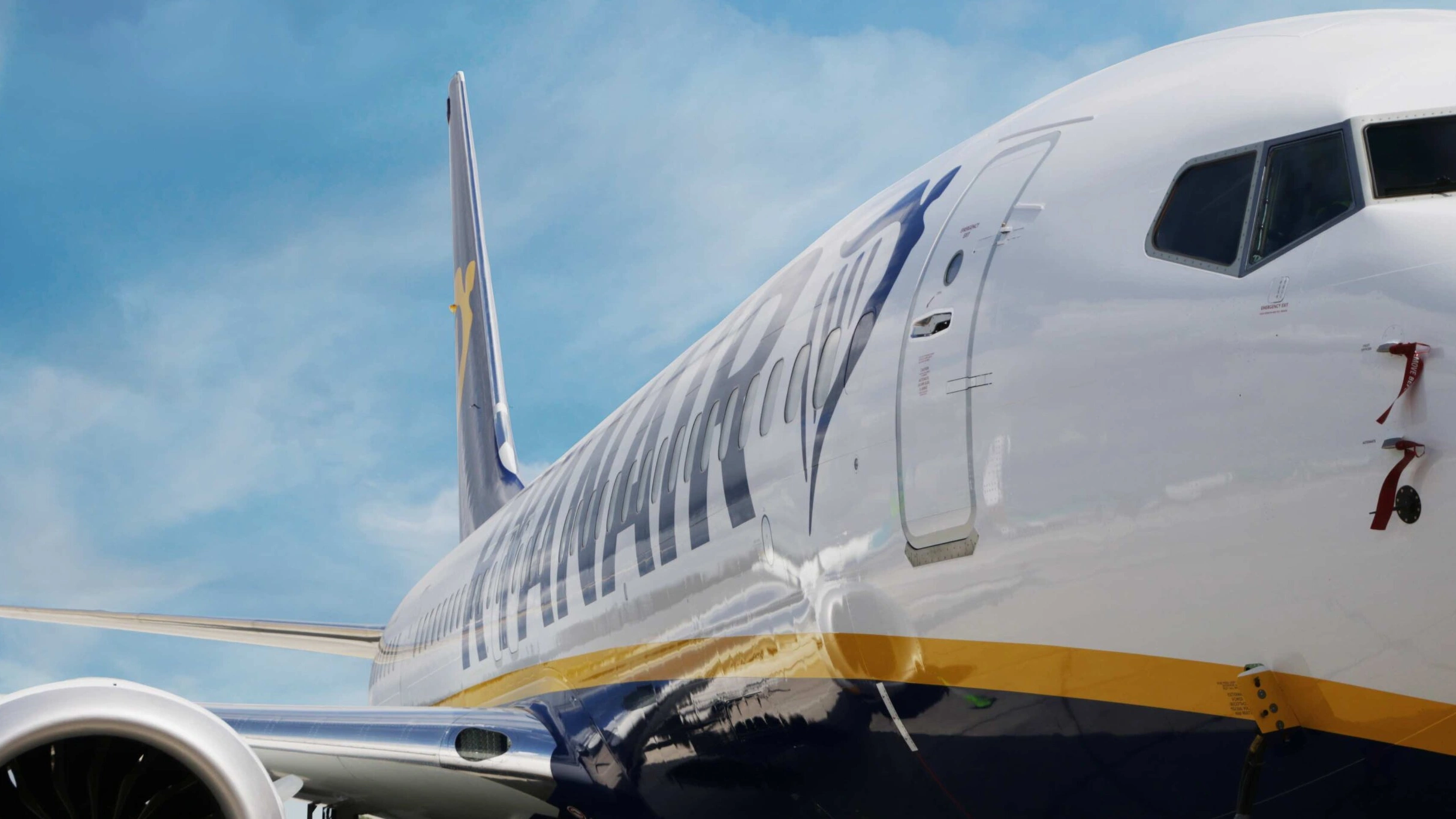
Ryanair Pledges Two Million Extra Seats and Three New Aircraft at Dublin
Eddie Wilson said Ryanair would respond to the lower charges with immediate growth. “Lower airport charges are key to attracting airlines to invest in new routes, stimulate traffic growth, improve connectivity and maximise economic benefits for the all-island economy, where Dublin Airport is the main gateway,” he said. The airline says the extra capacity would flow through new routes and higher frequencies on existing ones.
Ryanair’s commitment breaks down into two parts. If the IAA finalizes the cut, the airline says it will add:
- Up to 2 million more low-fare seats at Dublin from summer 2027
- Three additional based aircraft, on top of its current Dublin fleet
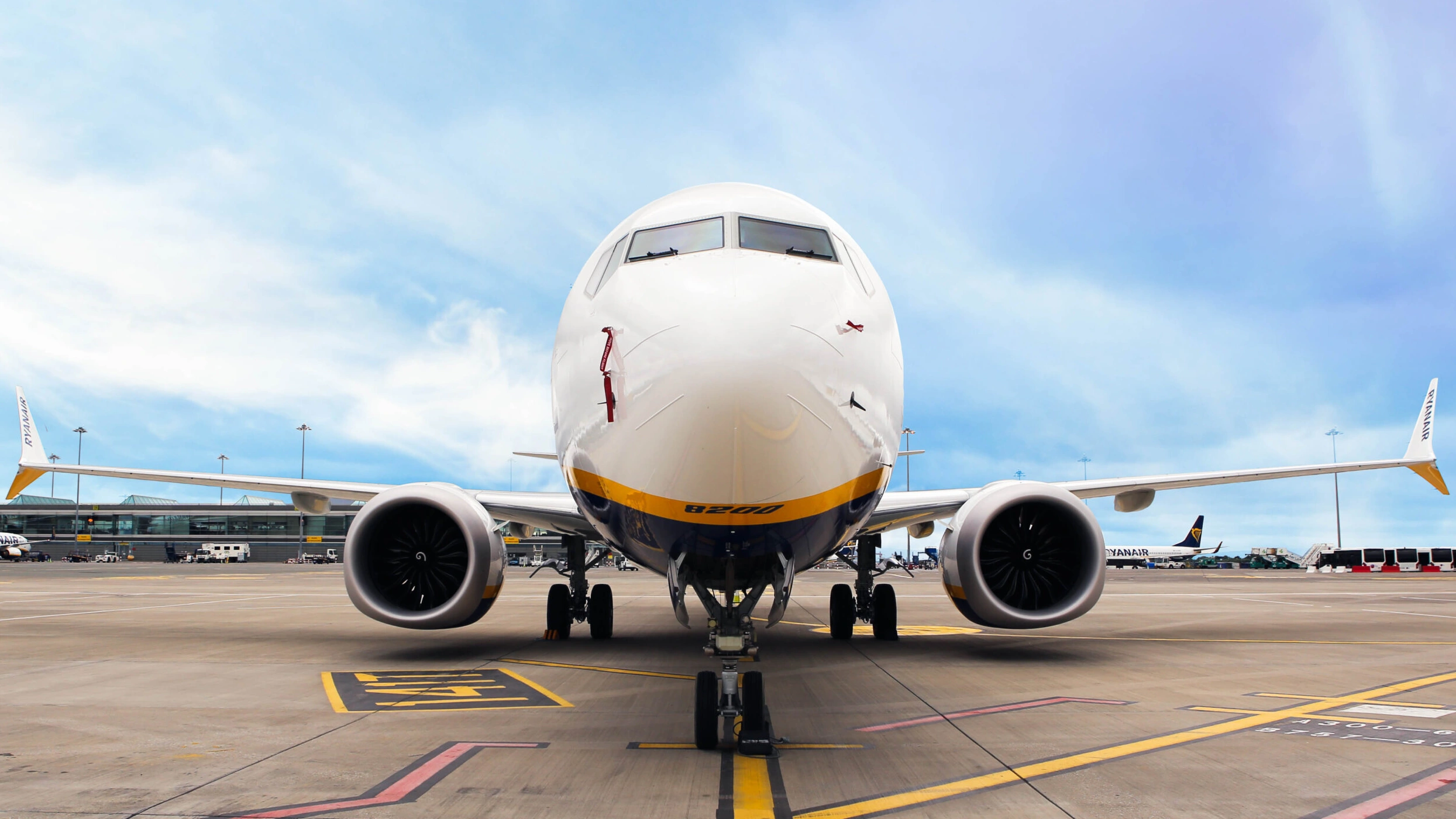
- The first Boeing 737 MAX-10 aircraft deployed anywhere in Ryanair’s network
Wilson framed the pledge in economic terms rather than purely as a fleet announcement. “This transformative investment will grow new routes and jobs in Dublin, boost inbound tourism and trade, and deliver significant economic growth for Ireland,” he told the Irish Examiner.
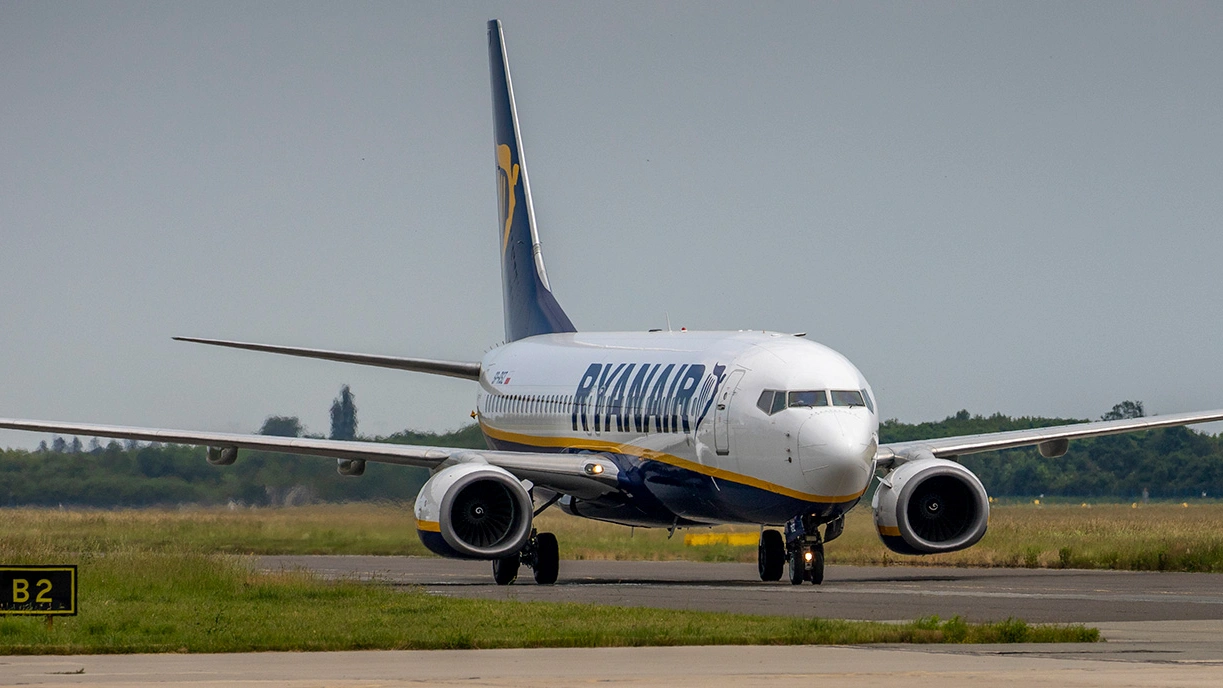
Boeing 737 MAX-10 Set to Make Its Dublin Debut
Ryanair has not previously flown the Boeing 737 MAX-10, the largest variant in Boeing’s MAX family. The airline said the aircraft would arrive first at Dublin if the charge cut goes ahead. According to figures Ryanair supplied to Irish media, the jet offers clear efficiency gains over its current fleet.
Key claimed improvements of the Boeing 737 MAX-10 include:
- Roughly 20% lower fuel burn per flight
- About 20% more passenger capacity per aircraft
- Close to 50% quieter operation (according to Nova.ie’s reporting)
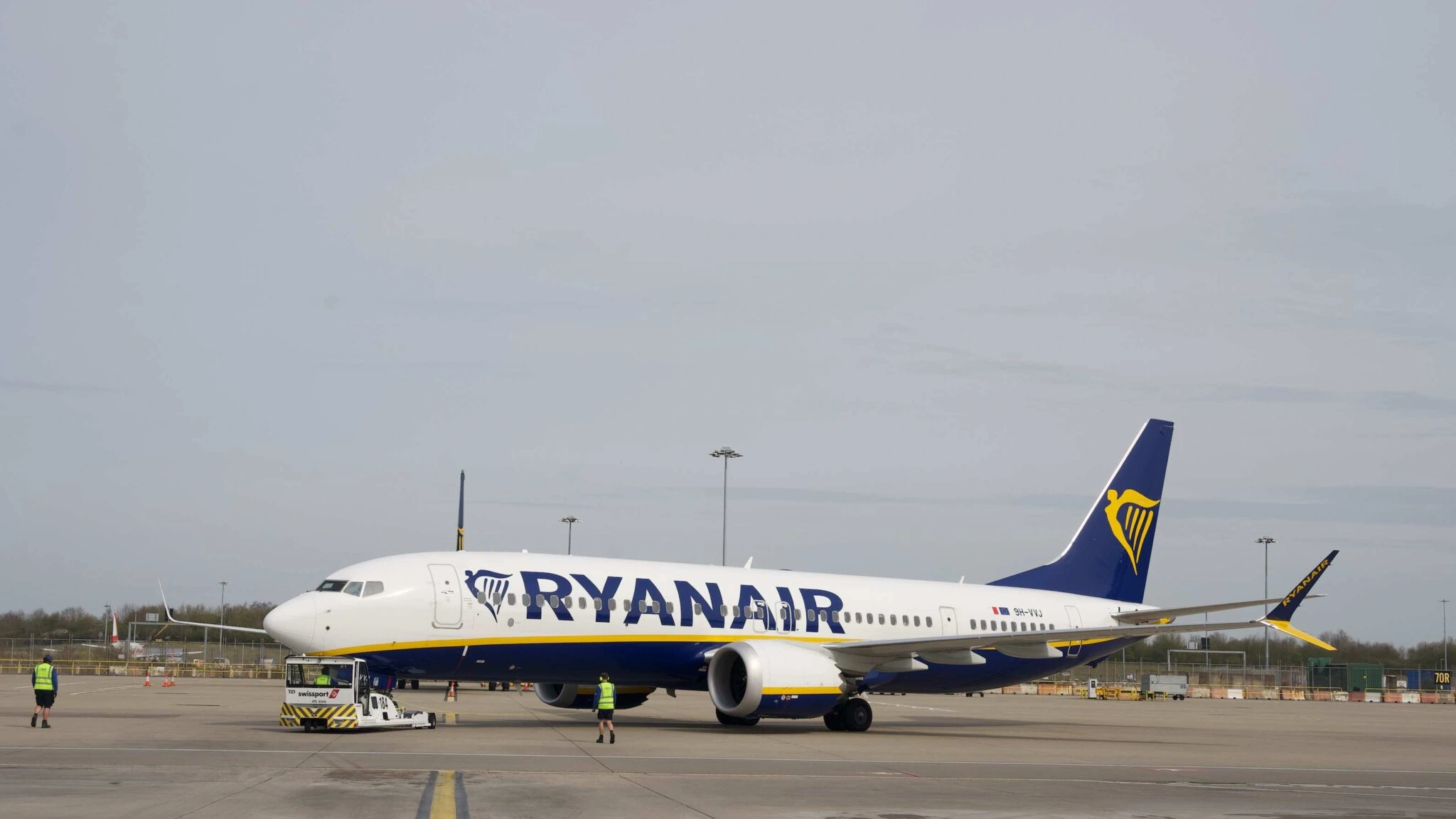
Ryanair expects its first MAX-10 deliveries in 2027, raising seat count from 197 on the current MAX 8-200 to 227 seats, according to comments Wilson made at the World Aviation Festival in 2025. Naming Dublin as the launch base ties that timeline to the IAA’s charges decision.
Dublin Airport Operator Warns of Risk To €5.6 Billion Investment Plan
Airport operator DAA wanted a higher price cap to help fund its capital plans. The company had sought a base charge of €11.14 per passenger for 2027, well above the €8.85 the IAA has proposed. DAA says its plans call for roughly €5.6 billion in capital spending between 2027 and 2031, but the IAA’s draft would only support between €2.4 billion and €3.8 billion of that.
DAA deputy chief executive Nick Cole argued the gap matters more than it looks. Travel Extra reported him to have said:
“The proposed €1.54 reduction in the airport charge may appear small, but it has significant implications for Dublin Airport’s ability to continue investing in better facilities and services for passengers and airlines,”
He added that the company remains concerned the draft determination could make it harder to sustain recent investment levels.
Planned projects at risk include 14 new aircraft parking stands, a new Pier 5 extending from Terminal 2, a new US preclearance facility, and a larger check-in hall at Terminal 2, according to the IAA’s own summary of the plan. DAA points out it has already invested almost €300 million at Dublin Airport this year, its largest single-year spend since Terminal 2 opened in 2010.
Ryanair Calls for the IAA To Reject daa’s Spending Plan in Full
Ryanair has gone further than simply welcoming the lower charge. Wilson called on the IAA to reject daa’s capital plan outright in its final decision. “Ryanair calls on the IAA in its final decision to go further and reject in full the DAA’s daft €5.6 billion ‘waste’ plan,” he said, pointing to what he called an “absurd” €1.5 billion allowance within that plan for inflation and contingencies.
Aer Lingus has taken a more cautious public position so far. The airline said it had noted the publication of the IAA’s decision and would review the details before taking part in the formal consultation process.
What Happens Next in the Dublin Airport Charges Process
The IAA’s draft determination is open for consultation, with written submissions due by Friday, September 18, 2026. The regulator plans to issue a final determination on Dublin Airport charges before the end of the year. Any confirmed charge would then apply from 2027 through to 2031.
Ryanair’s expansion pledge is explicitly tied to that outcome. If the IAA weakens the proposed cut after consultation, the airline’s commitment to add three aircraft, two million seats, and the first Dublin-based MAX-10 could shrink or disappear entirely.