Navi Mumbai International Airport (NMIA), in Ulwe, Raigad district, received its first scheduled international flight on Wednesday, July 15, 2026. Air India Express (IX), the low-cost arm of Air India, operated the inaugural service from Zayed International Airport (AUH), Abu Dhabi, marking the start of overseas connectivity at Maharashtra’s newest airport, Times of India reported.
Flight IX-208 departed Abu Dhabi at 5:45 am local time and landed at NMIA at around 10:20 am, following a journey of roughly three hours. The launch comes 201 days after NMIA opened to domestic traffic on December 25, 2025, and gives the Mumbai Metropolitan Region a second international gateway alongside Chhatrapati Shivaji Maharaj International Airport (BOM).
Air India Express Opens Abu Dhabi Route at ₹12,671 Introductory Fare
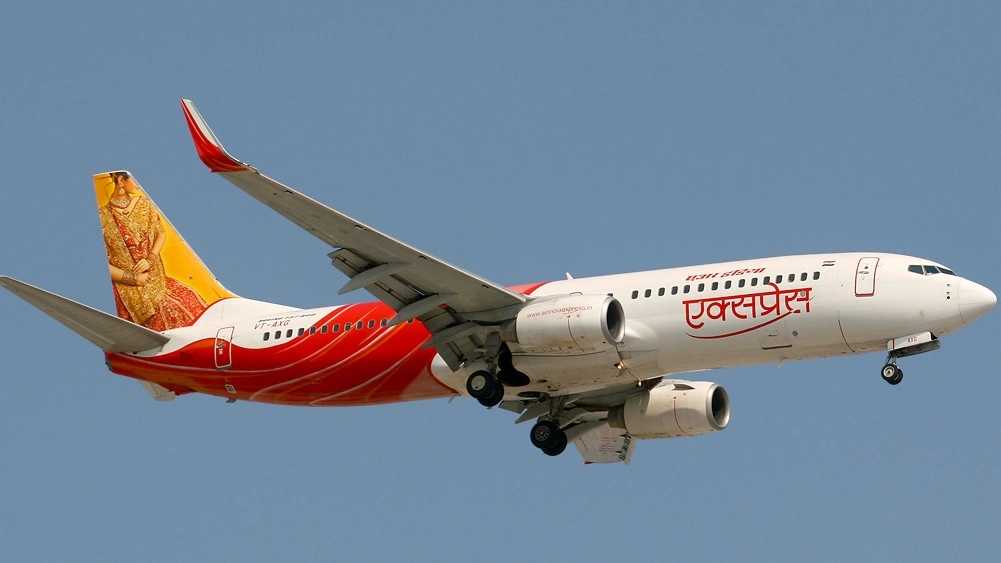
Air India Express has launched the Abu Dhabi service with a twice-weekly schedule, operating on Wednesdays and Fridays. The airline will add a Sunday departure from July 29, 2026, lifting frequency to three flights a week.
The return flight, IX-207, leaves NMIA at 2:55 pm and lands in Abu Dhabi at 4:35 pm local time, giving a flight time of about three hours and ten minutes. Air India Express has priced the route from ₹12,671, which sits below the ₹14,175 average fare for the equivalent Mumbai-to-Abu Dhabi sector out of BOM.
Nipun Aggarwal, Chairman of Air India Express, said the carrier was creating a fresh option for travellers in the region. He called it “a convenient new gateway to the UAE for travellers from the Mumbai Metropolitan Region”.
Perishable Cargo Shipment Opens New Export Corridor for Western India
The inaugural flight carried more than passengers. It also transported NMIA’s first international perishable export shipment, formally switching on the airport’s global cargo function.
Adani Airport Holdings Limited (AAHL) said the shipment is expected to widen market access for Indian exporters while building out NMIA’s freight capabilities. Free Press Journal reported that the move could create a fresh cold-chain corridor for Indian agro-exporters supplying time-sensitive goods to Gulf buyers.
Arun Bansal, Chief Executive Officer of AAHL, tied the cargo milestone to the airport’s broader ambitions. He said the flight “marks the beginning of a new phase in Navi Mumbai International Airport’s journey” .
How Navi Mumbai International Airport Reached International Status In Seven Months
Navi Mumbai International Airport (NMI) was formally inaugurated by Prime Minister Narendra Modi on October 8, 2025, following a construction process led by CIDCO and Adani Airports Holdings Limited at a cost of roughly ₹196.5 billion ($2.22 billion). Commercial passenger flights began on December 25, 2025, with IndiGo (6E), Air India Express, and Akasa Air (QP) as launch carriers on domestic routes.
Growth since then has been fast. In under seven months, NMIA connected 46 domestic destinations, served more than 2.3 million passengers, and now handles around 150 air traffic movements each day. The airport’s Phase 1 infrastructure, a single runway and terminal, is designed to handle 20 million passengers a year, with a long-term plan to scale toward 90 million.
NMIA and BOM now operate as a dual-hub system for the Mumbai Metropolitan Region rather than one airport replacing the other.
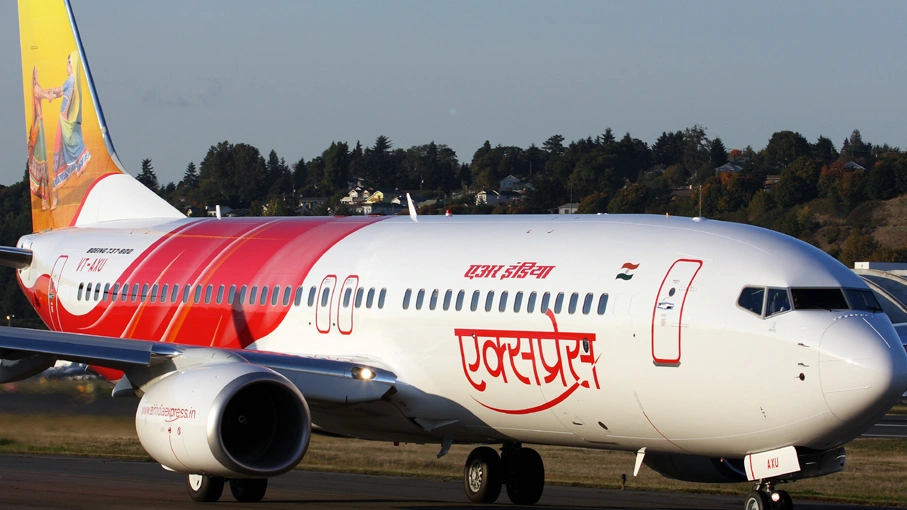
Air India Express is not the only carrier building an international network from NMIA. IndiGo (6E), India’s largest airline by market share, is also among the first carriers cleared to fly international routes from the airport, alongside Air India Express, with both airlines named in reporting on NMIA’s July 15 international debut.

What Comes Next for Navi Mumbai’s International Network
NMIA’s international ambitions extend well beyond Abu Dhabi. Adani Airport Holdings Limited has said the carrier plans to scale toward 300 domestic and 50 international weekly departures over time, with future destinations expected across the Middle East and Southeast Asia.
For now, Abu Dhabi stands as proof of concept. Bansal said the airport intends to keep “delivering seamless operations and a world-class travel experience” as it adds airline partners and destinations.

Round-the-clock operations at NMIA, targeted from February 2026, have already given the airport the operational runway to support new long-haul demand. Whether Etihad, Emirates, or other Gulf carriers follow Air India Express onto NMIA’s international apron will likely depend on slot availability and how quickly the airport’s cargo and passenger volumes justify additional widebody and narrow-body capacity.