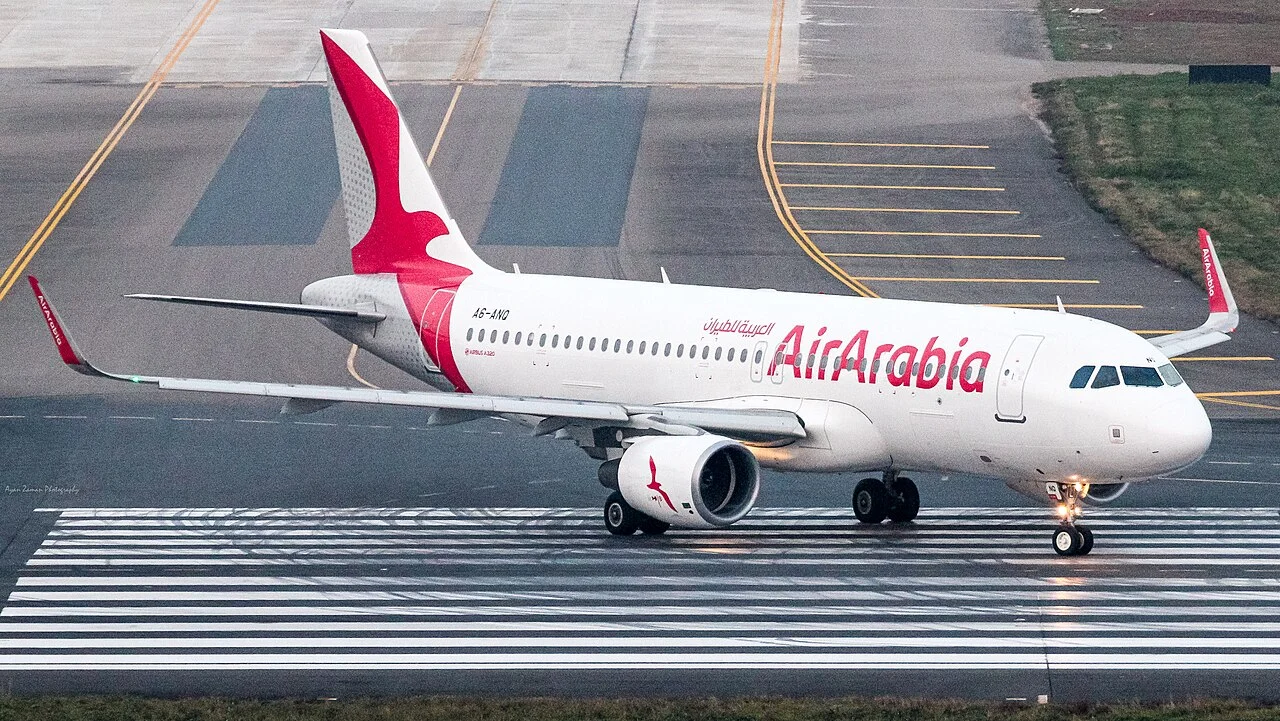
Air Arabia has launched a new non-stop route between Sharjah International Airport (SHJ) and Rome Fiumicino Airport (FCO), the Sharjah-based carrier announced this month. The service, which the airline operates five times a week on the Airbus A320neo, became Air Arabia’s second direct route to Italy from its home hub, joining its existing Milan Bergamo (BGY) service.
The launch was marked with ceremonies at both airports. Officials including Ms. Francesca Dell’Apa, Deputy Consul General of Italy, and Ivan Bassato, Chief Aviation Officer of Aeroporti di Roma, joined Air Arabia Group CEO Adel Al Ali to mark what the airline called another milestone in its European expansion.
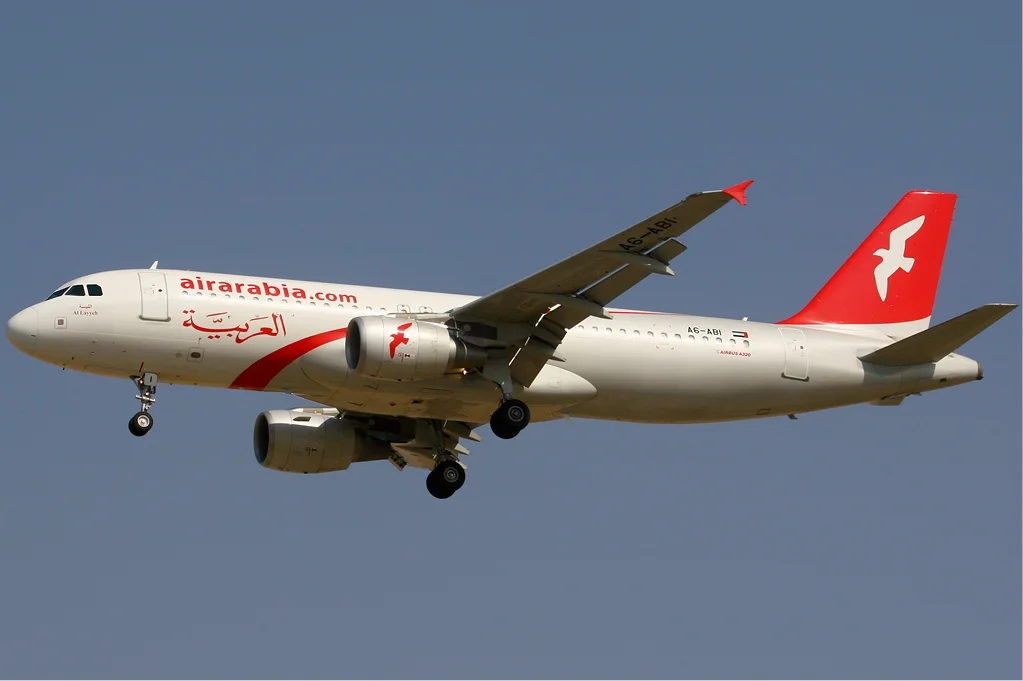
Air Arabia Operates Five Weekly Flights on the Sharjah-Rome Route
Air Arabia’s press office confirmed the Sharjah–Rome Fiumicino route operates five weekly non-stop flights, a revision from the daily schedule the airline had originally announced in February. Flight-tracking data shows the change took effect from July 11, 2026, with the reduced pattern running through the end of August before frequency is reassessed.
The route flies twice weekly on a morning pattern, departing Sharjah around 08:10 and landing in Rome close to midday, with additional afternoon departures on other days of the week. Air Arabia has priced the route from AED 567 one-way, positioning it as a low-cost alternative to full-service carriers connecting the Gulf and southern Europe.
The Sharjah–Rome sector takes roughly six to seven hours in each direction. Onboard, the single-class Airbus A320neo cabin includes Air Arabia’s SkyTime streaming service and SkyCafe buy-on-board dining menu, along with points earned through the carrier’s Air Rewards loyalty programme.
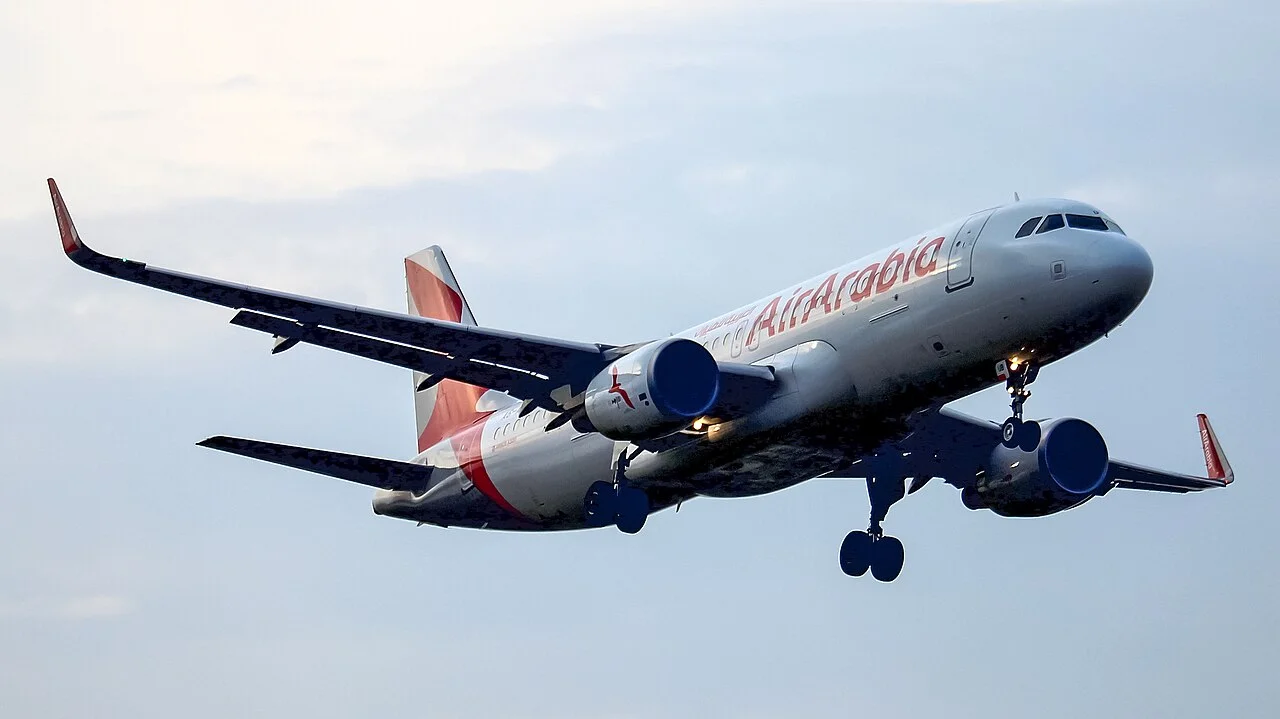
Sharjah And Fiumicino Airports Both Cite Passenger Growth Behind the New Link
Sharjah International Airport, Air Arabia’s primary hub, set a passenger record of nearly 20 million travellers in 2025, up 14 percent from 17 million the year before. That growth has coincided with Air Arabia’s push to add long-haul, narrow-body routes such as London Gatwick and now Rome to a network historically built around shorter Gulf, North African, and Central Asian sectors.
Rome Fiumicino Airport (FCO), for its part, has been named Best Airport in Europe by Skytrax for nine consecutive years and holds Skytrax’s 5-Star Airport rating. Bassato said the new Sharjah link expands Fiumicino’s intercontinental reach, adding a low-cost option alongside the Gulf’s full-service carriers already serving the Italian capital.
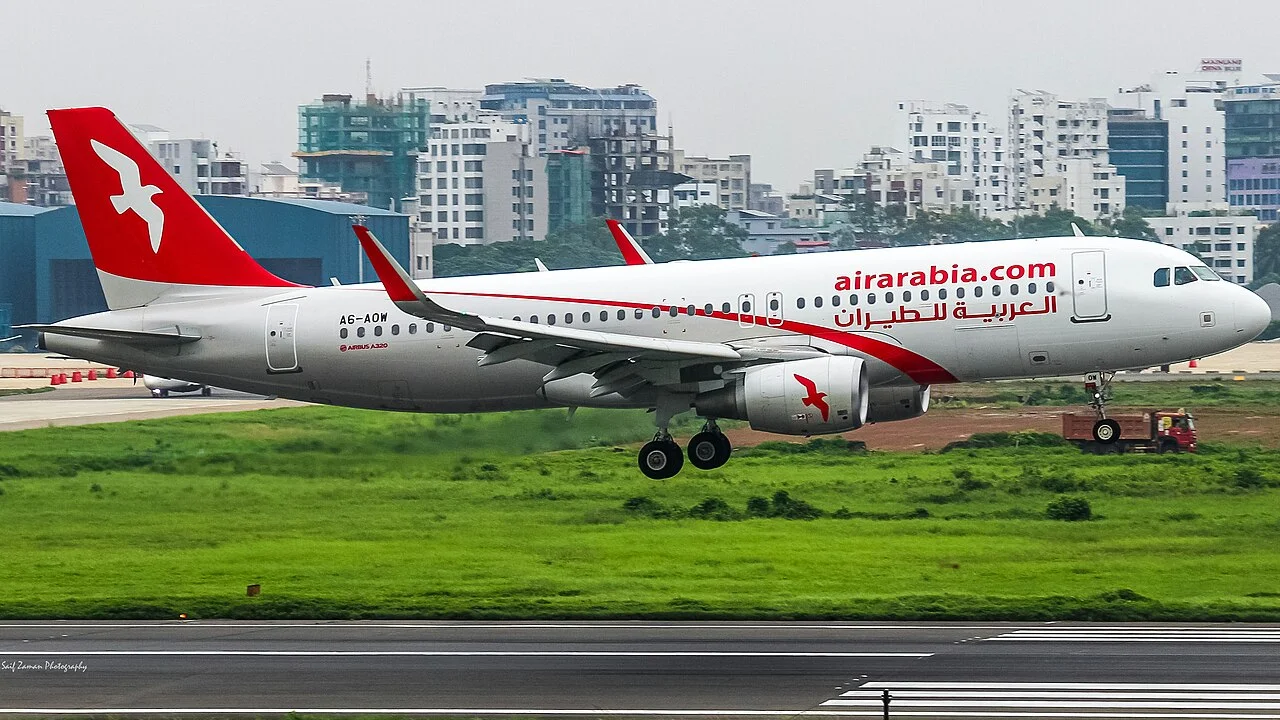
Sharjah Route Marks Second Italian Gateway After Milan Bergamo
Rome joins a European network from Sharjah that already spans Milan Bergamo, Munich, Vienna, Athens, Prague, Krakow, Warsaw Chopin, Warsaw Modlin, and London Gatwick. Adel Al Ali said the Italian market carries particular weight for the airline’s growth plans. He said Italy “continues to be an important market for Air Arabia” as the carrier widens its choices for customers.
Ali Salim Al Midfa, Chairman of Sharjah Airport Authority, framed the new service as part of a broader European push. He said the Rome route marks a “new step in Sharjah Airport’s journey” toward deeper European connectivity.
Bassato, representing the Rome side of the partnership, pointed to passenger growth as justification for the new link. He said Sharjah’s addition helps Fiumicino connect with “a key market for Rome”, which he noted had grown five percent in 2025.
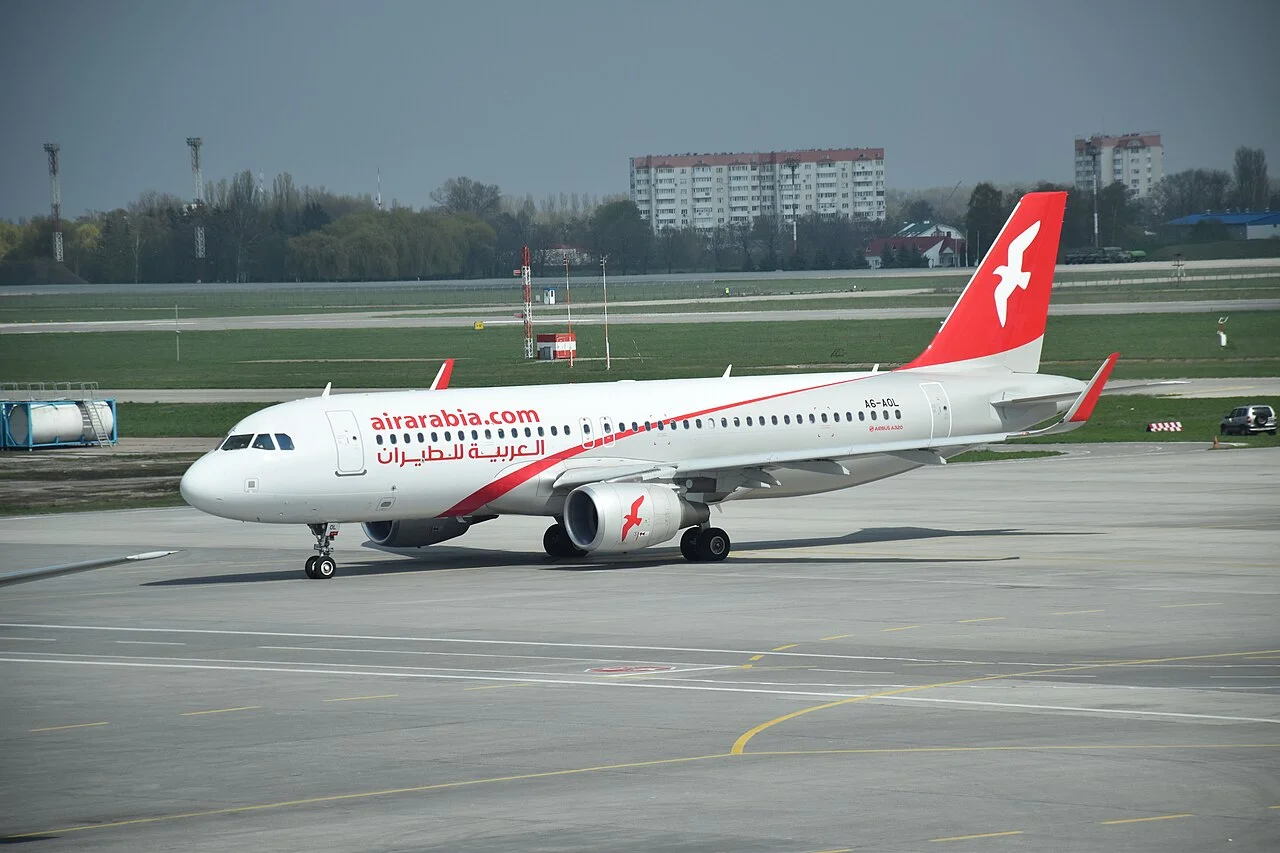
The Rome launch follows a run of network additions at Sharjah in 2026. Air Arabia began non-stop Sharjah–London Gatwick flights earlier this year, its first scheduled service to the United Kingdom, before adding Rome and a daily Aleppo route from July 4.
These additions sit inside a broader growth pattern. Air Arabia, the Middle East and North Africa’s first and largest budget carrier operator, (Air Arabia does not yet have its own dedicated tag page on Avio Space, so this related article discussing the carrier’s Sharjah hub is linked instead), added 30 new routes across its six hubs in 2025 and carried 21.8 million passengers, up 16 percent year-on-year. The airline posted a record pre-tax net profit of AED 1.8 billion for 2025, though first-quarter 2026 profit fell 22 percent to AED 278 million as regional airspace closures cut capacity.
All in All
Air Arabia has not announced further Italian destinations beyond Rome and Milan Bergamo. The carrier’s broader 2026 pattern, however, points to continued network additions from Sharjah, following the same playbook used for Rome, London Gatwick, and Aleppo this year.
Aeroporti di Roma, for its part, has signalled interest in deepening Gulf connectivity beyond this single route. Bassato said the new service “strengthens its role as a leading hub” for connections between Italy and the Middle East, suggesting Rome’s operator sees room for further growth on the corridor.


_Airbus_A320-214_MSN-5423_VGHS.jpg)

.JPG)
