Defense Secretary Pete Hegseth told the Senate Appropriations Committee on Tuesday, 21 July 2026, that the Pentagon’s cost estimate for the war with Iran has risen to $37.5 billion. Hegseth said that without emergency supplemental funding, the military will have to “curtail” training to cover those costs, Air & Space Forces Magazine reported.
Hegseth appeared alongside Chairman of the Joint Chiefs of Staff Gen. Dan Caine to defend the Trump administration’s supplemental funding request, which asks Congress for $67.1 billion for the Pentagon as part of an $87.6 billion package. The hearing came five months into a war that the U.S. and Israel launched against Iran on 28 February 2026, and which has recently escalated again after a ceasefire collapsed.
What Hegseth Told the Senate Appropriations Committee
Hegseth testified that the $37.5 billion figure includes military pay, operations and maintenance, and other anticipated costs through the end of the fiscal year on 30 September. He told Sen. Dick Durbin (D-Ill.) that the estimate does not include costs to repair or rebuild military infrastructure damaged during the conflict.
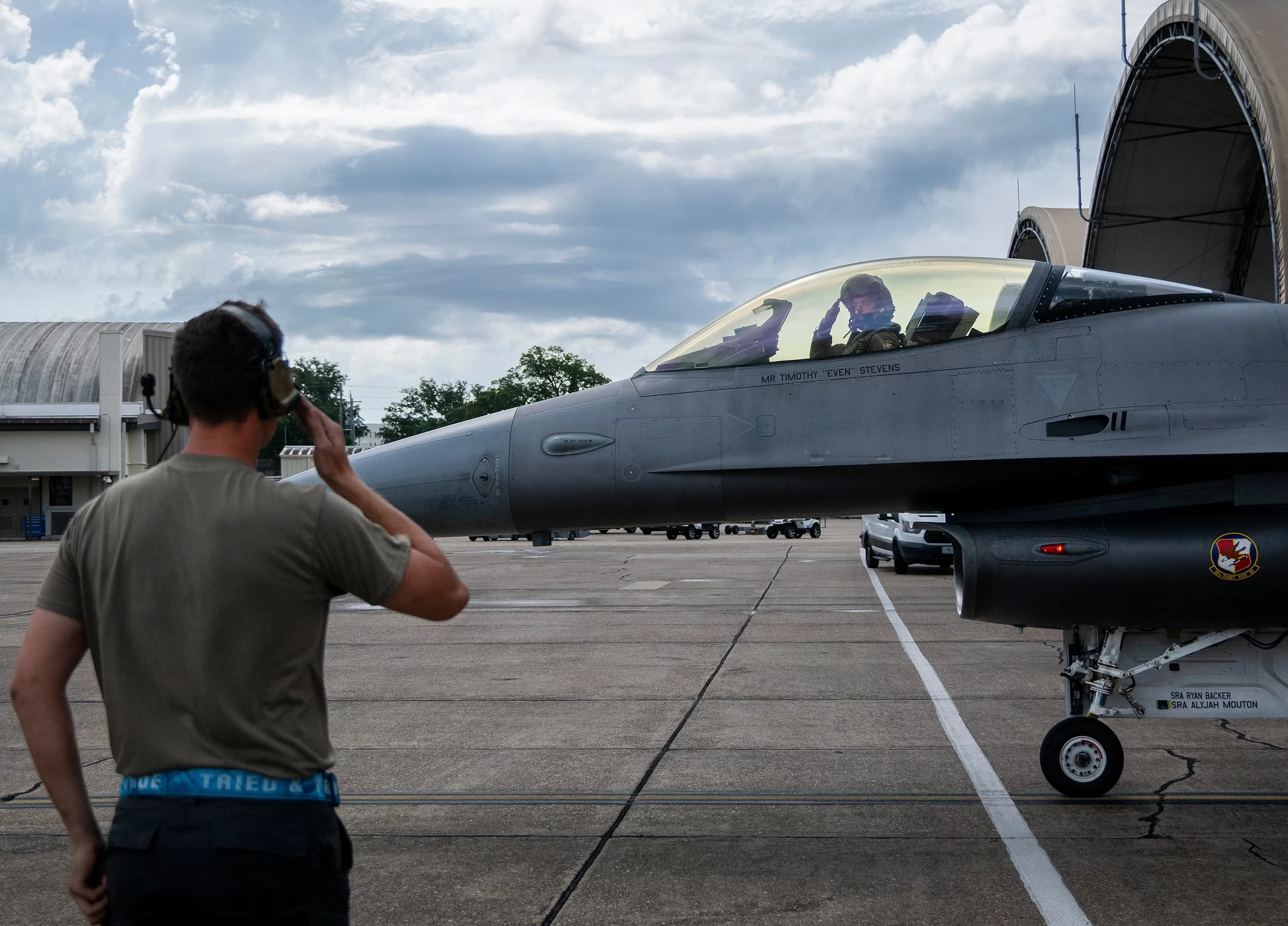
Hegseth warned Sen. Susan Collins (R-Maine) that delays in funding carry a direct operational cost. “There is training, training right now and training in the future, that would have to be curtailed if we do not get our budget needs met and met urgently,” he said. His comments echoed a Washington Post report that some military training and exercises have already been delayed or canceled to free up funds for Iran operations.
How The $37.5 Billion Estimate Breaks Down
Hegseth’s written testimony split the supplemental request into two categories: $21.3 billion for “sustaining military readiness” and $45.9 billion for “accelerating critical capabilities.” According to Air & Space Forces Magazine, he categorized part of the request as intended “for core operational costs, funding military pay, and operational shortfalls in training and readiness accounts and other mission-related costs,”
The Office of Management and Budget outlined specific line items to Congress in the request, which include the following:
- $21 billion for munitions, including Joint Direct Attack Munitions and hypersonic weapons
- $17.3 billion for operational costs
- $1.5 billion for fuel costs
- $2 billion to replace equipment lost or damaged during combat operations
- $4 billion for high-priority Space Force programs, unrelated to Iran
- $5.1 billion for cybersecurity and autonomy programs, unrelated to Iran
- $1.7 billion for drone programs, unrelated to Iran
Defense budget analysts have told Air & Space Forces Magazine that it remains unclear exactly how much of the $67.1 billion Pentagon request is tied to Iran operations specifically, given how many unrelated line items sit inside the same package.
How The Cost Estimate Has Grown Since February
Tuesday’s $37.5 billion figure marks the latest in a string of rising official estimates since the war began. Pentagon officials told lawmakers in a closed-door briefing that the first six days of the war alone cost at least $11.3 billion, the Associated Press reported at the time. Sen. Chris Coons (D-Del.) said even then that he suspected the real number was higher. “I expect that the current total operating number is significantly above that,” Coons said. “If all you’re looking at is the replacement cost for the munitions used, it’s already well beyond $10 billion.”
The Pentagon’s acting comptroller, Jules “Jay” Hurst III, estimated the cost at $25 billion in late April, before revising that figure to $29 billion by early May. White House Office of Management and Budget Director Russell Vought put the cost at up to $30 billion in late June. Hegseth’s $37.5 billion estimate represents roughly an $8 billion jump from the figure Pentagon officials gave lawmakers earlier this month.
Even the new total is likely conservative. Sources familiar with the matter told CBS News that the actual cost is much higher, partly because the current estimate excludes items like military construction for damaged U.S. bases. Separately, Moody’s Analytics has estimated the war’s broader domestic economic cost, including higher U.S. energy prices, could reach as much as $150 billion.
Democrats And Republicans Clash Over the Funding Request
Sen. Patty Murray (D-Wash.), the committee’s ranking Democrat, argued that much of the supplemental has little to do with Iran at all, saying:
“The president’s request is not even primarily a request to cover the costs of the Iran war,” Murray said. “This request is chock full of asks to fund unrelated DOD priorities, which should be considered through our annual appropriations process, not in an emergency supplemental”
Murray also warned of a wider conflict without a clear endpoint. “This war is now spiraling out of control again,” she said, adding that Trump “has told us over 40 times now that a deal is near, and the war will be over soon”.
Sen. Susan Collins, who chairs the committee, said the additional funding is needed to maintain military readiness and support U.S. forces already deployed. She argued that reducing investment would weaken essential defense capabilities and emphasized that service members do not choose where they are deployed or what missions they undertake. Collins added that Congress has a duty to provide military personnel with the equipment, training, and resources necessary to carry out their assignments effectively.
House Republicans, meanwhile, are advancing a separate $60 billion defense package through budget reconciliation, a process that avoids the Senate’s 60-vote threshold. Leaders now say that money will go toward Iran war costs and munitions rather than the broader $350 billion in 2027 defense priorities once discussed for the same bill.
The Air Power Toll: Tankers, Fighters, And Blocked Airspace
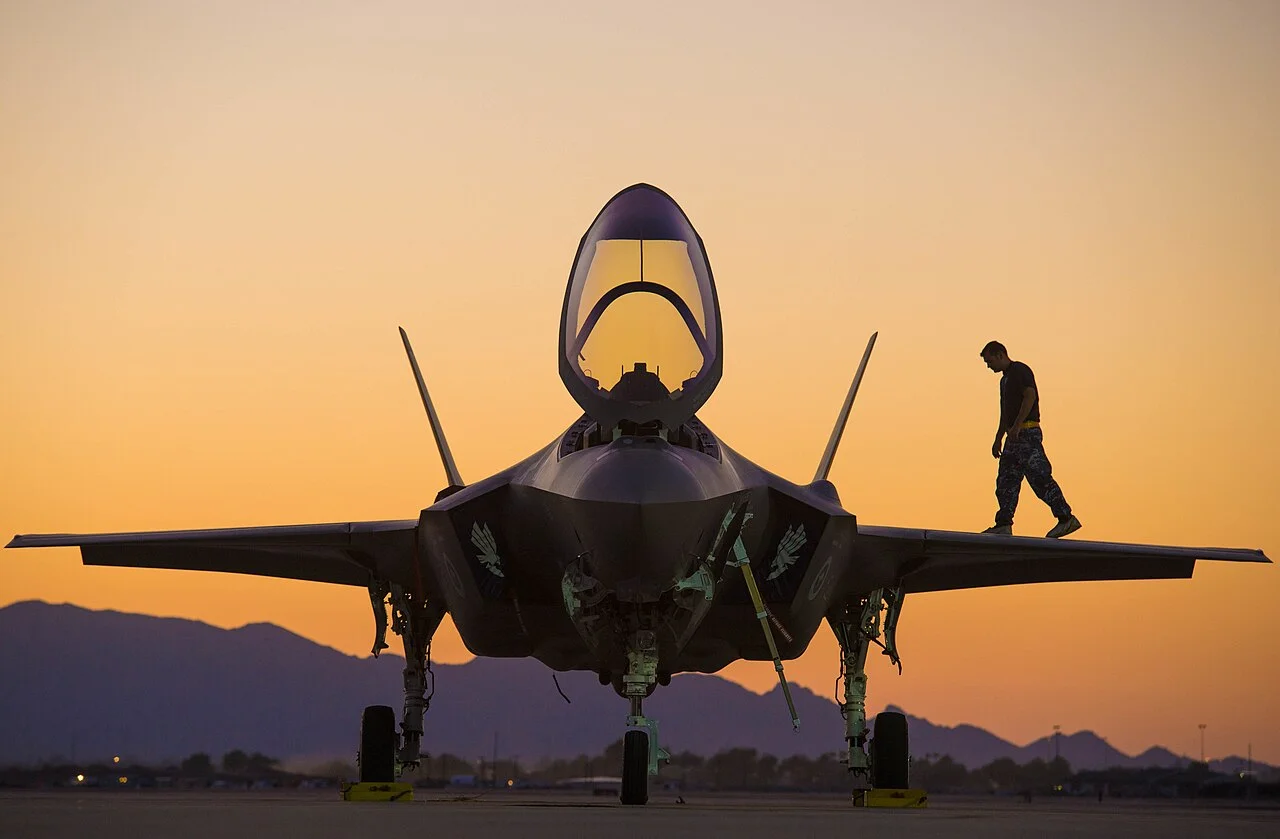
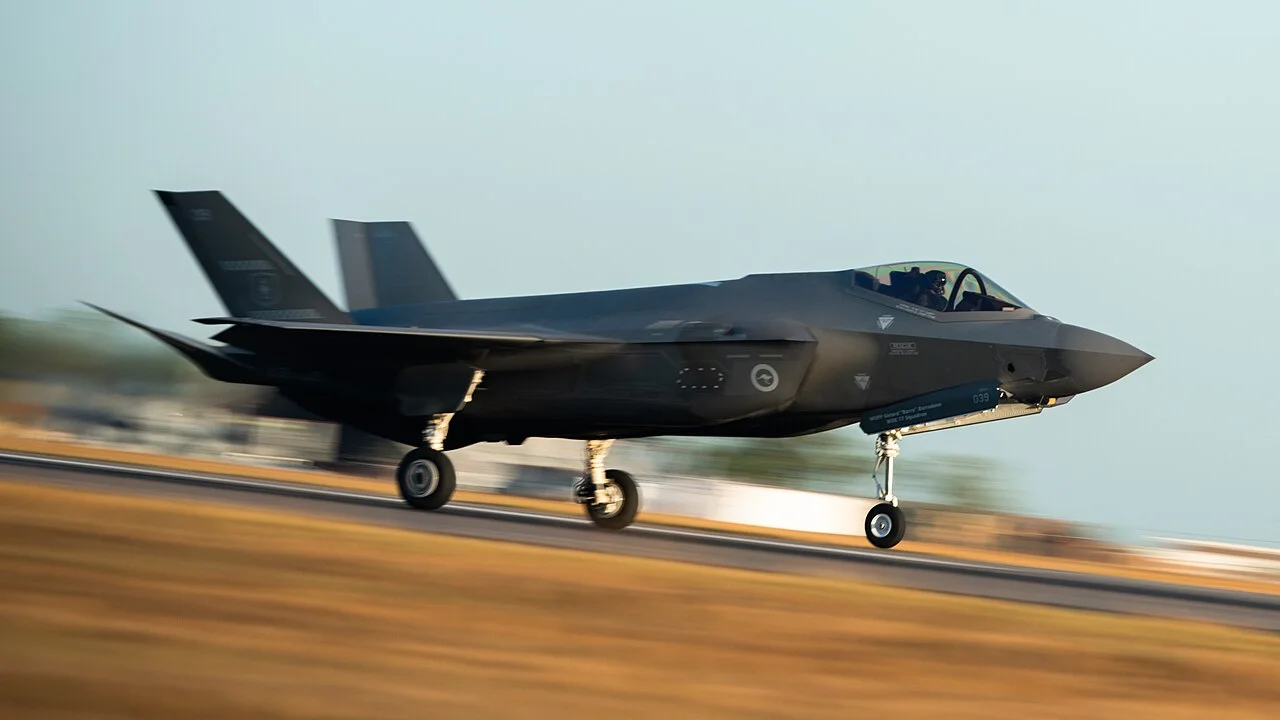
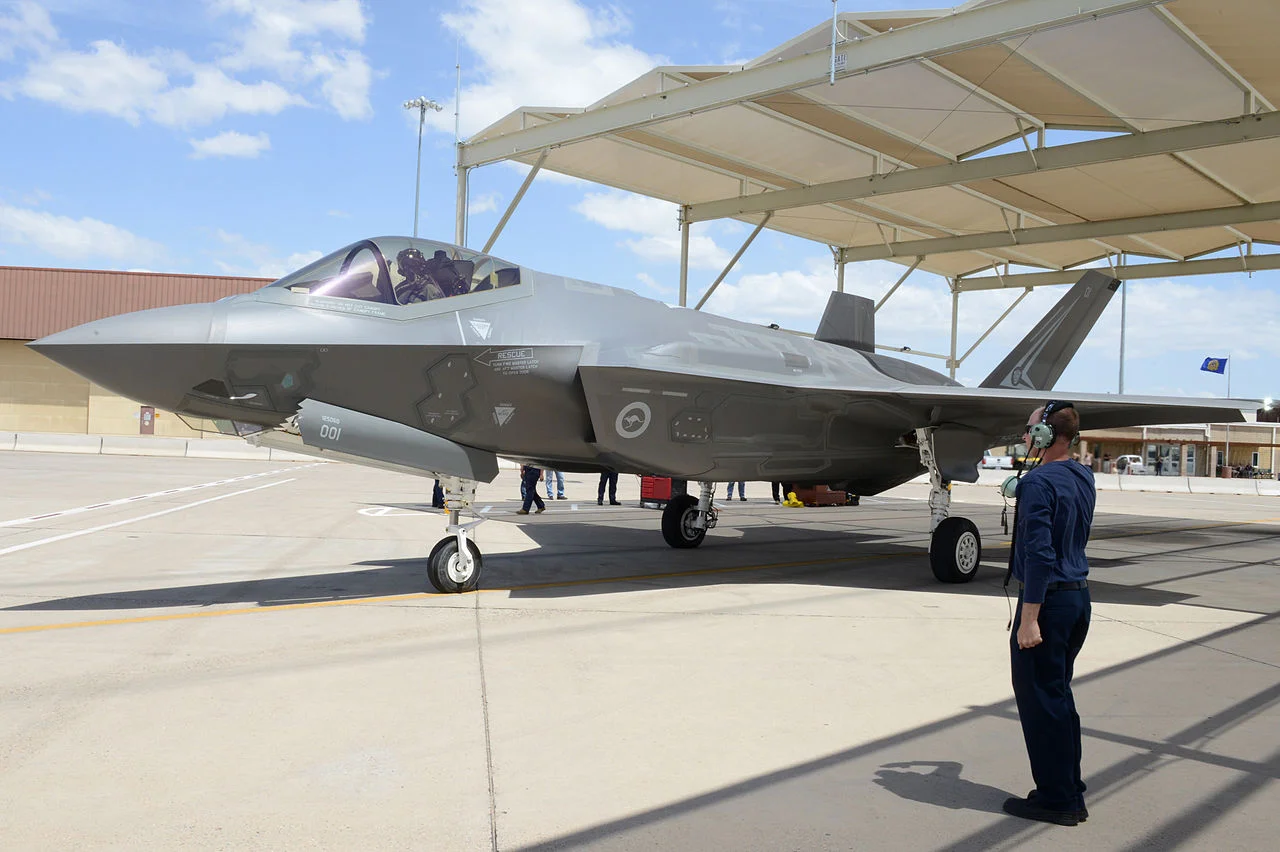
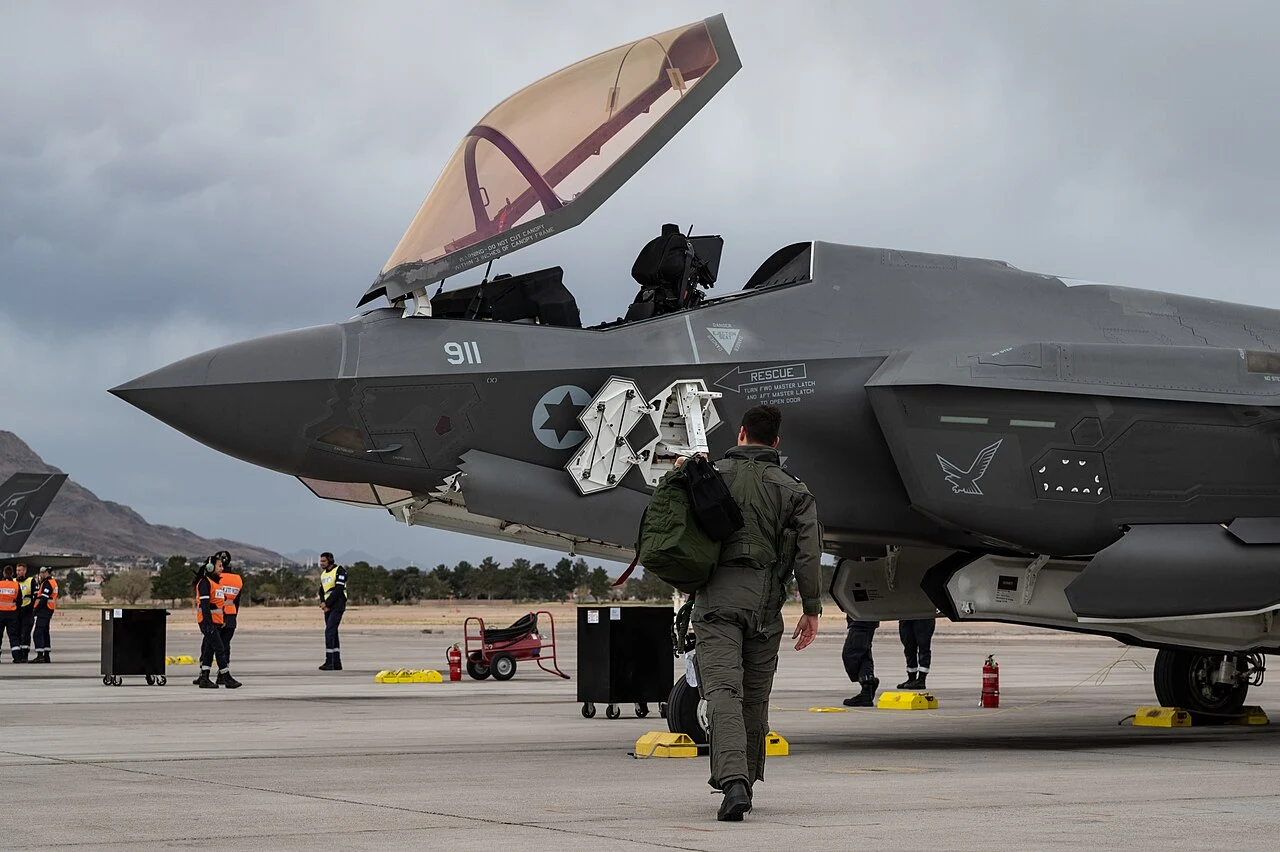
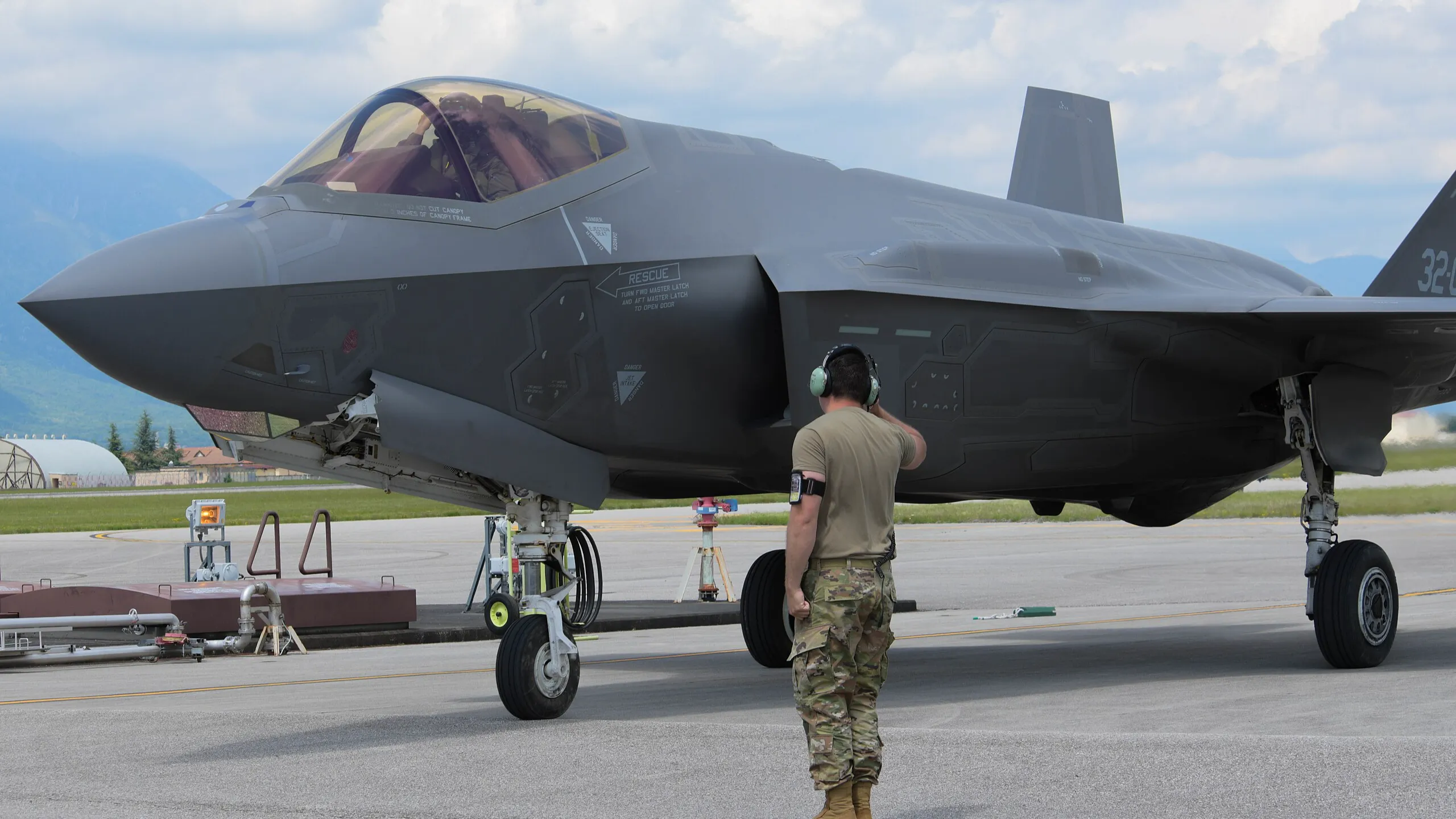
The hearing followed days of intensified fighting. The Pentagon confirmed that three additional U.S. service members died in the conflict, bringing the American death toll to 17, with more than 100 wounded. U.S. Central Command has carried out 11 consecutive nights of strikes against Iran, CNN reported, and the Air Force has rushed additional F-16 and F-35 fighters to the region as the fighting reignites.
The costs Hegseth cited extend beyond weapons and pay. When Spain denied U.S. Air Force tankers access to its bases in March, over a dozen KC-135 refuelers had to relocate out of the country mid-operation, forcing U.S. Transportation Command to lean on artificial intelligence tools to find new basing options within hours. Spanish Defense Minister Margarita Robles confirmed the country would not authorize its bases or airspace for operations tied to the Iran war, forcing tankers to reroute through bases in Germany and France instead.
All In All
Hegseth’s $37.5 billion figure is not likely to be the final word on what the Iran war has cost the United States. Every official estimate since the conflict began in February, from $11.3 billion after six days to $25 billion in April, $29 billion in May, and now $37.5 billion in July, has moved in one direction: up.


.jpg)