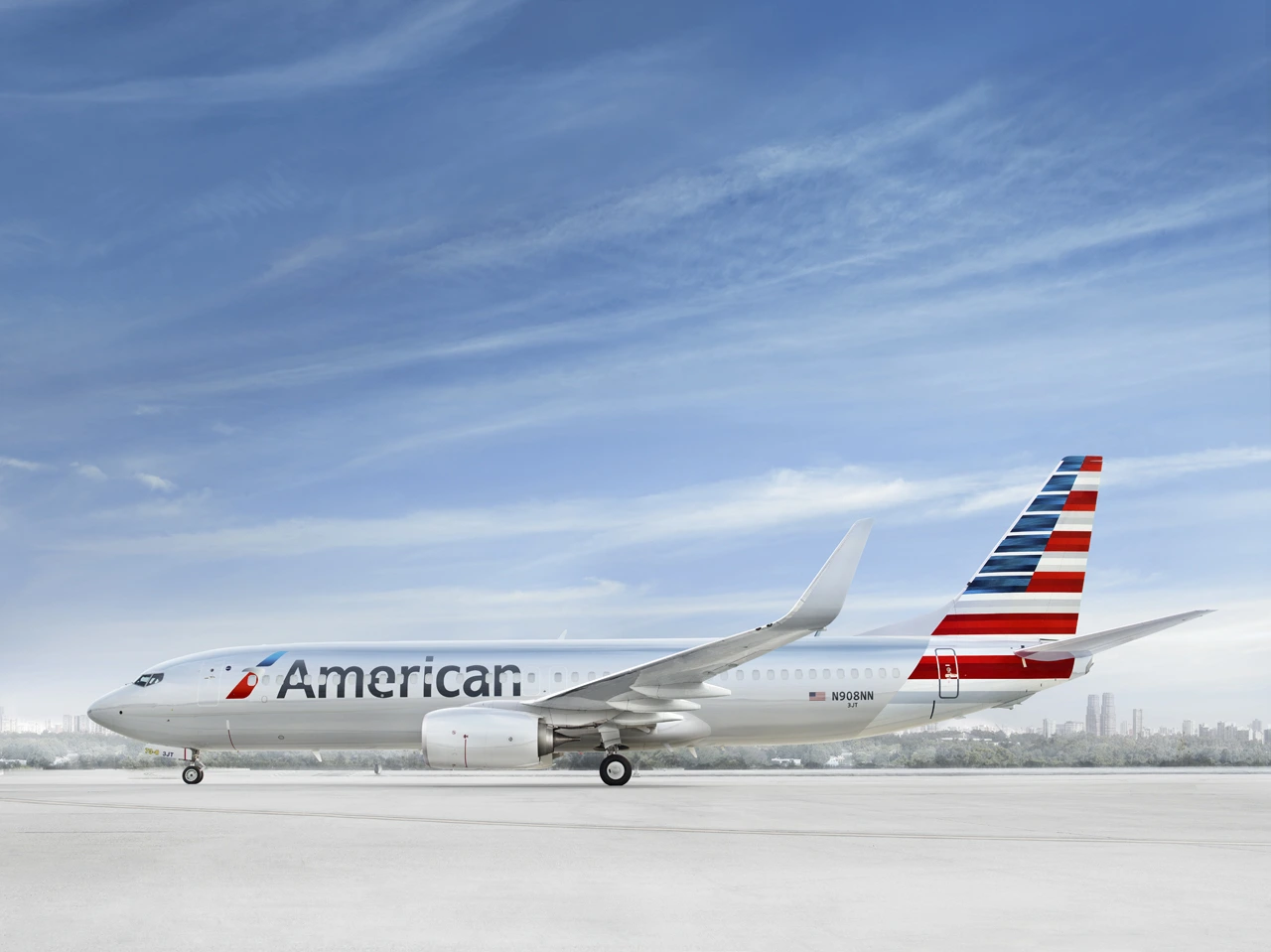
President Donald Trump, the person after whose initials Palm Beach Airport’s code was changed to DJT, directed his administration on Tuesday, 21 July 2026, to let all U.S. airline carriers fly directly to Lebanon, ending a ban that has stood since 1985. Trump made the announcement on Truth Social shortly after meeting Lebanese President Joseph Aoun at the White House, CNBC reported.
The ban dates back to the hijacking of TWA Flight 847, a flight from Athens to Rome that hijackers forced to land in Beirut in 1985. The 17-day ordeal ended with the death of a U.S. Navy diver, and President Ronald Reagan’s administration barred direct U.S. flights to Lebanon soon after, according to NOTUS. No U.S. carrier has flown directly to the country since.
What Trump Announced After Meeting Lebanon’s President
Aoun’s visit marked the first trip to the White House by a Lebanese president since 2009. During the meeting, Trump described Lebanon’s treatment in stark terms. “It’s been a very badly treated place and country and we’re going to have it properly treated and treated with the respect it deserves,” he told Aoun, adding, “We’re gonna help it a lot.”
Hours after Aoun left the White House, Trump posted the formal directive on social media. “I am hereby directing my Administration to allow all U.S. airline carriers to fly directly to Lebanon so that Americans can easily visit this beautiful land,” he wrote. “Hopefully, other Countries will do the same. Enjoy!”
The Federal Aviation Administration (FAA) responded to the directive the same day. “[The FAA] looks forward to working with airlines and our interagency partners to implement the President’s directive and support the safe return of flights to Lebanon,” the agency said in a statement.
Why US Flights to Beirut Have Been Banned Since 1985
The 1985 restriction took the legal form of a Presidential Determination issued by Reagan, which barred U.S. carriers from operating direct flights into Beirut–Rafic Hariri International Airport (BEY). The ban survived even as later administrations eased other restrictions, including a policy that let U.S. carriers sell tickets on Lebanon routes through interline agreements with foreign airlines.
Beirut’s only commercial airport has faced repeated security disruptions over the decades beyond the 1985 hijacking, including attacks and closures tied to regional conflict. The airport remains the hub for Middle East Airlines, Lebanon’s flag carrier, and handled more than 7.1 million passengers in 2023, according to Wikipedia’s airport data drawn from official statistics.
What Needs to Happen Before Flights Actually Resume
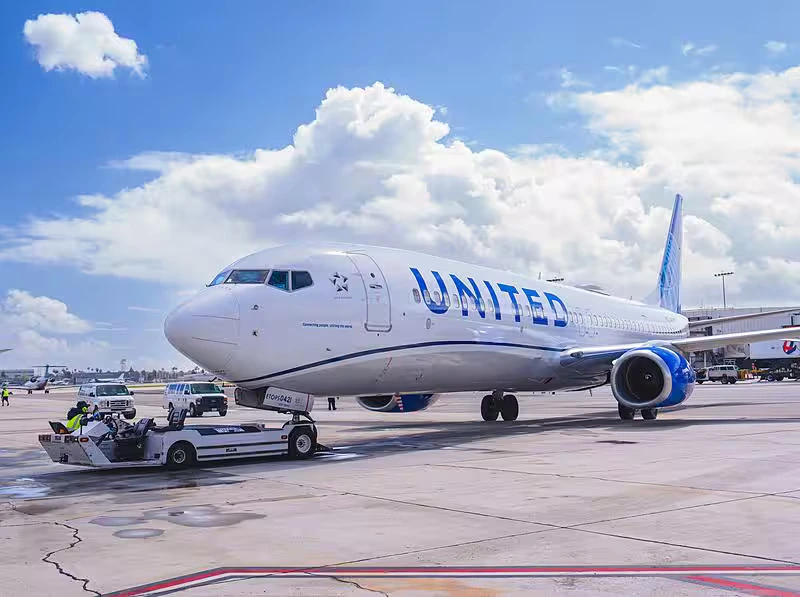
Trump’s directive changes U.S. policy, but it does not put a single new flight in the air immediately. U.S. officials must still complete an extensive security review of Beirut’s airport and formally certify it as safe before flights can begin, CNBC reported. It remains unclear whether any U.S. carrier is willing to resume service once that certification is complete.
No U.S. airline has announced a Beirut route as of 21 July 2026, and no nonstop ticket from any American city to Beirut is currently available to book. The State Department’s Level 4 “Do Not Travel” advisory for Lebanon, and a July 17 security alert from the U.S. Embassy in Beirut, remain the most current official guidance for would-be travellers, the outlet reported.
Several near-term hurdles stand between the announcement and an actual flight, including the following:
- Completion of the FAA’s security review and formal safety certification of Beirut’s airport
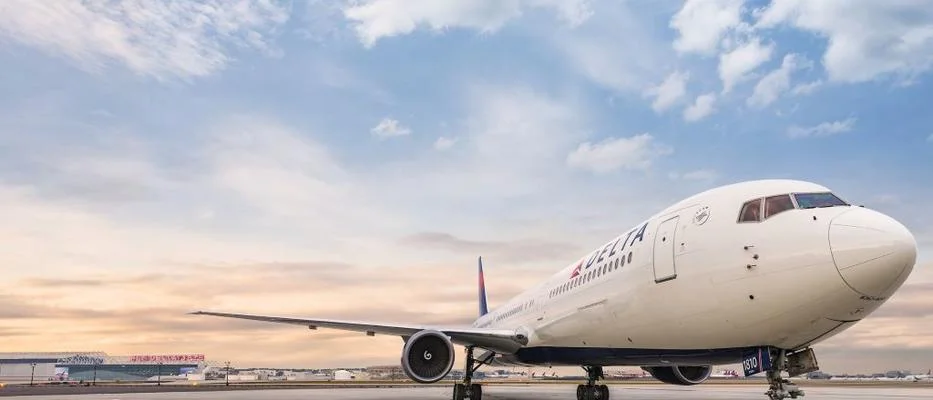
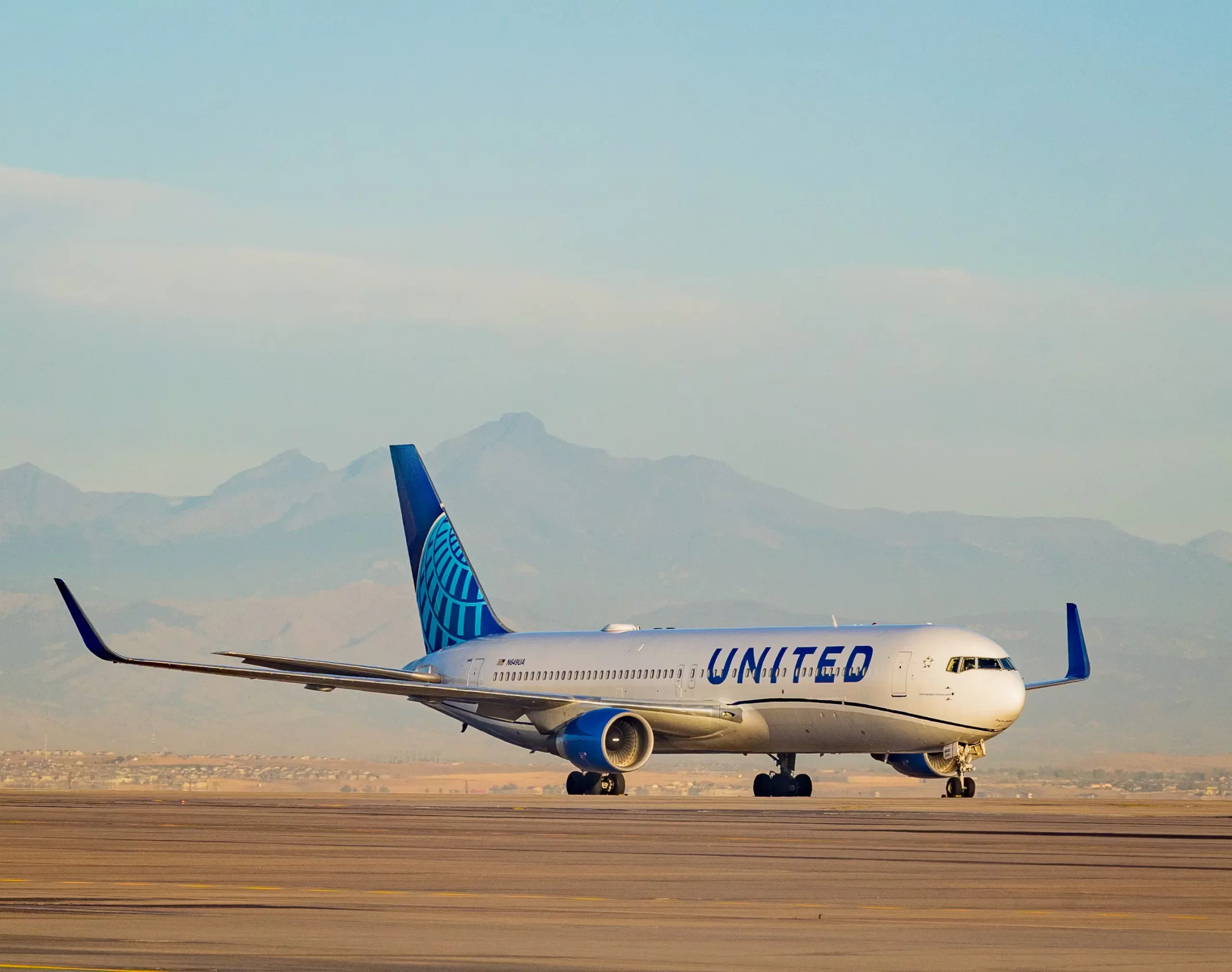
- A decision by American Airlines (AA), United Airlines (UA), or Delta Air Lines (DL) – the three biggest airlines in the world by fleet size – to actually launch a route
- Coordination on ground handling, crew safety protocols, and airport infrastructure
- A possible downgrade of the State Department’s current Level 4 travel advisory
How This Compares to Trump’s Earlier Reversal on Venezuela Flights
This is not the first time in 2026 that Trump has ordered a reversal of a long-standing U.S. flight ban tied to a geopolitical event. In January, Trump directed the Transportation Department to lift a ban on U.S. passenger service to Venezuela after U.S. forces captured Venezuelan President Nicolás Maduro in a military operation that month.
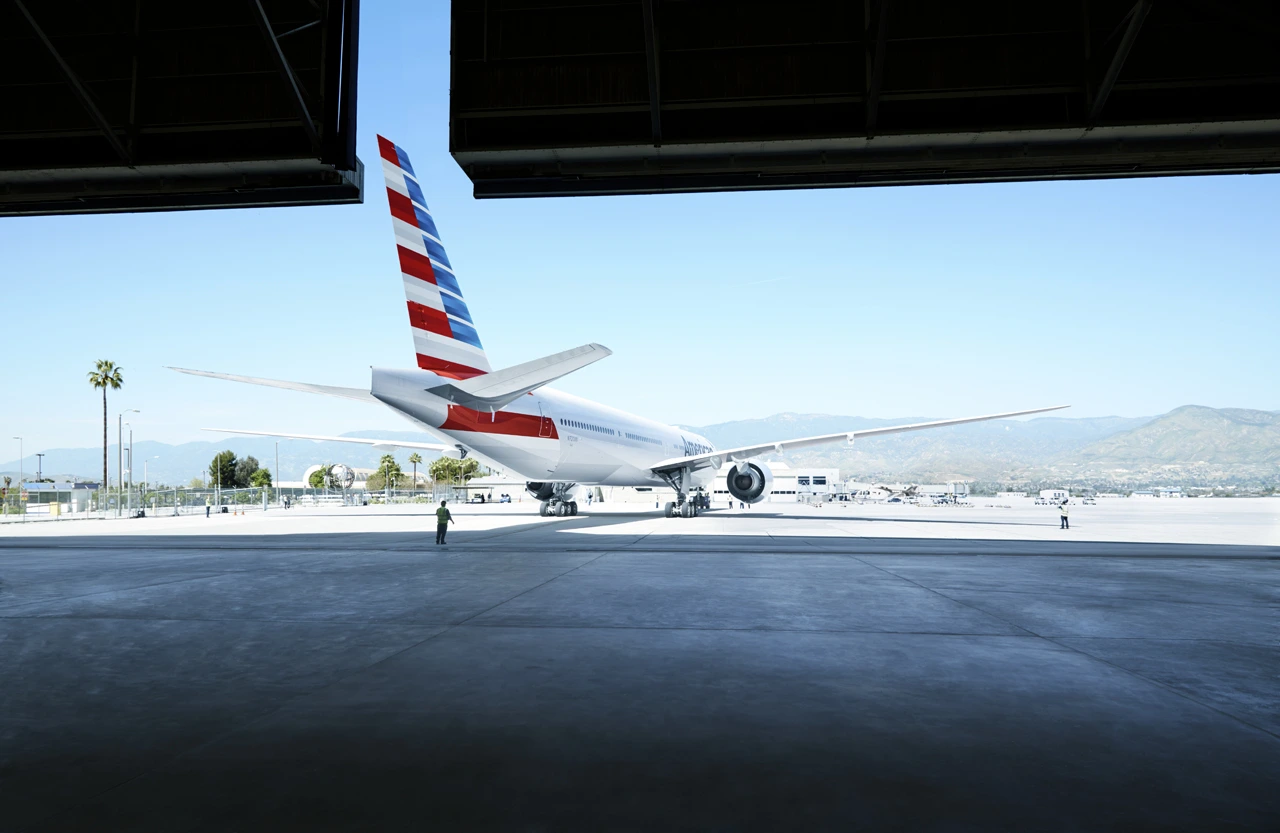
That reversal took several months to translate into an actual flight. American Airlines resumed service to Caracas (CCS) through its regional carrier Envoy in late April, seven years after Venezuelan airspace was closed to U.S. carriers, following a Transportation Security Administration review of airport security in Caracas. In its filing seeking approval, American said the move would “further President Trump’s goal of reopening air service to Venezuela and serve the public interest,”.
US Carriers’ Wider Retreat from the Region
Trump’s Lebanon directive comes as America’s three largest airlines maintain a cautious posture elsewhere in the region. American Airlines, United Airlines, and Delta Air Lines have all halted flights to nearby Tel Aviv, Israel, citing security concerns, CNBC reported.
United had briefly resumed twice-daily Tel Aviv flights from New York in July following a ceasefire, telling reporters the move reflected the carrier’s “longstanding commitment to serving Tel Aviv,” according to Fox News. United had suspended that route the previous month during a 12-day conflict between Israel and Iran.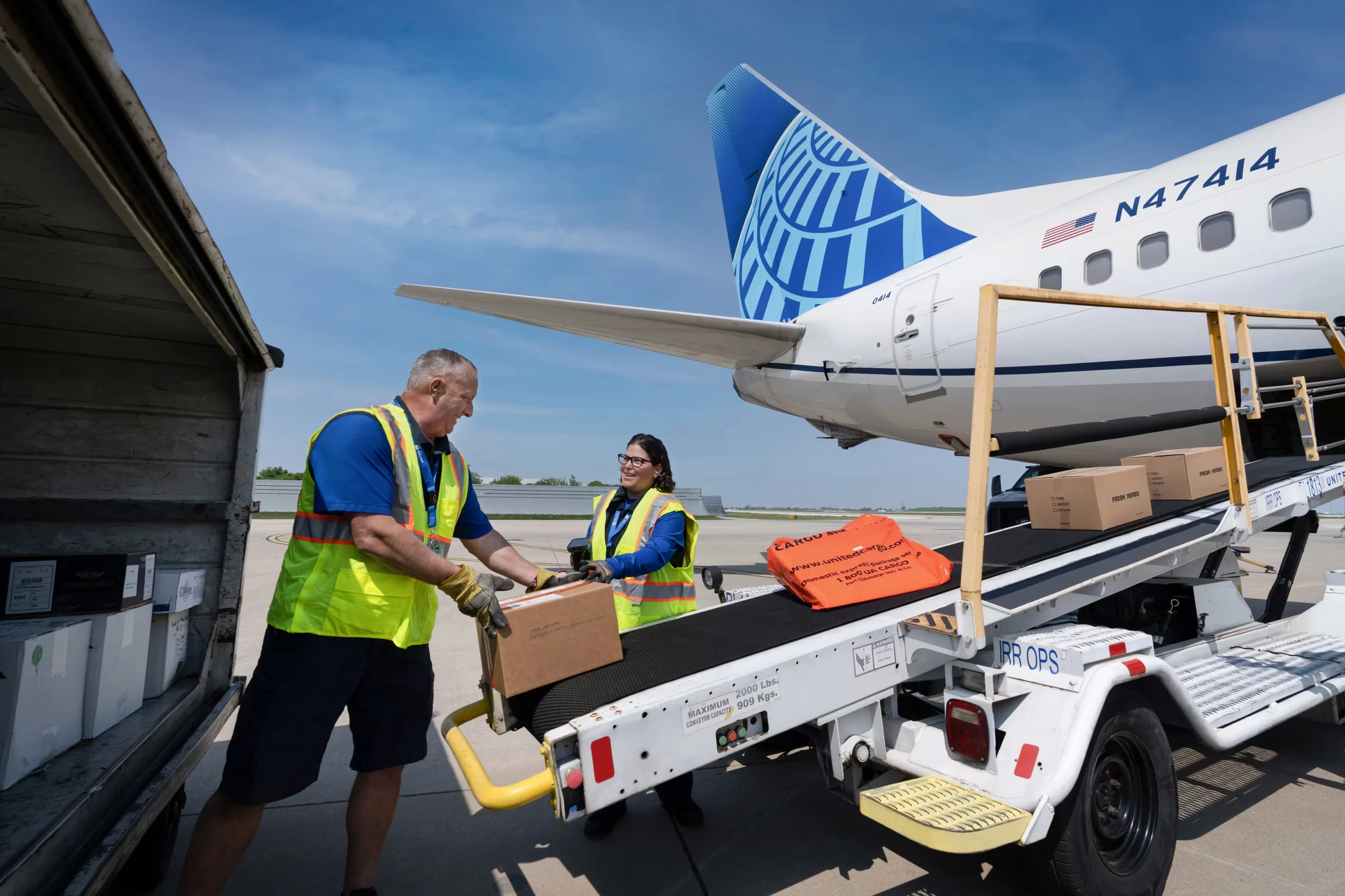
Photo: United Airlines
Lebanon’s Broader Security Picture Still Weighs on Airlines
Beyond the airport review, Lebanon’s overall security situation remains a factor in whether any U.S. carrier moves forward. The State Department ordered non-emergency U.S. government employees and their families to leave Lebanon in February over safety risks, a measure that remains in place, CNBC reported.
Trump also raised Hezbollah’s presence in Lebanon directly during Tuesday’s meeting, saying, “There’s a Hezbollah problem,” and suggested he could personally speak with the group if Aoun wanted him to, Fortune reported. He also floated the idea of Syria intervening against Hezbollah, a suggestion Fortune noted would likely prove unpopular in Lebanon. It remained unclear on Tuesday whether Israeli troops had withdrawn from any Lebanese territory, with a Lebanese military official telling Fortune the army could not confirm Israeli movements around the town of Zawtar al-Gharbieh.