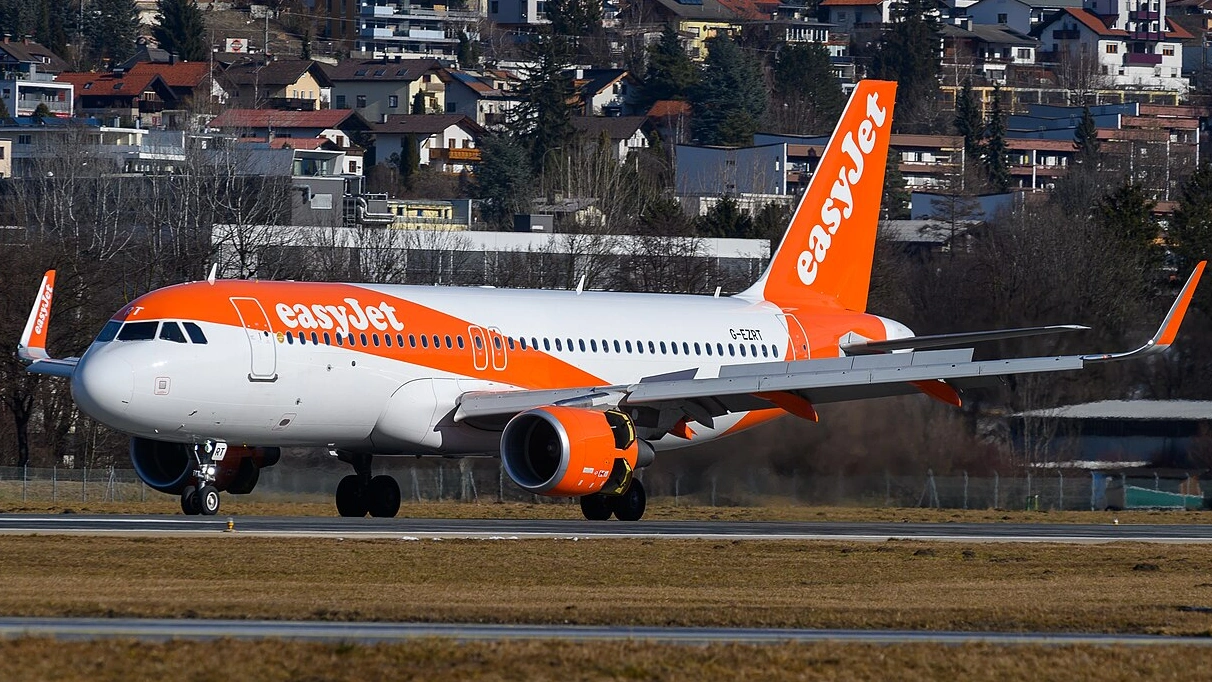
A group of around 10 passengers started a fight on board easyJet (U2) flight EZY3352 on Tuesday evening, 21 July 2026, roughly 30 minutes after it left Tenerife South Airport (TFS), Granadilla de Abona, Spain. The captain turned the Liverpool-bound aircraft around and flew it back to Tenerife, where Spanish police met the plane on landing, according to a statement from Spain’s air traffic control service, reported by the Press Association.
The captain made the decision because of the danger the fight posed to flight safety, air traffic control said. Once police cleared the passengers involved, the aircraft, which can carry up to 186 people, continued on to Liverpool John Lennon Airport (LPL), England. It is not yet clear whether any passengers were arrested or formally charged.
What Happened on Flight EZY3352
Flight tracking data shows the aircraft departed Tenerife South Airport just before 8pm local time and landed back at the same airport at 9.05pm. That places the return roughly an hour after the initial departure, matching air traffic control’s account of a 30-minute outbound leg followed by the turnback.
Spanish air traffic control described the sequence in a statement, originally issued in Spanish. “The crew of the flight from Tenerife South to Liverpool, after about 30 minutes of flight, informed us that they needed to return to the airport and requested police presence upon arrival,” the controller said, per Newbury Today.
The controller added further detail on how ground staff handled the return:
“A group of about 10 passengers had started a fight on board, and the captain decided to return due to the danger it posed to the safety of the flight. We expedited their return as much as possible while coordinating with the airport for police presence. They landed and cleared runway 07 without incident.”
The statement closed with a message of solidarity for flight crews. “Our full support goes out to the crews and passengers who are increasingly having to endure these situations,” the controller said.
easyJet Confirms Police Met the Aircraft on Landing
easyJet confirmed the incident in a statement to reporters:
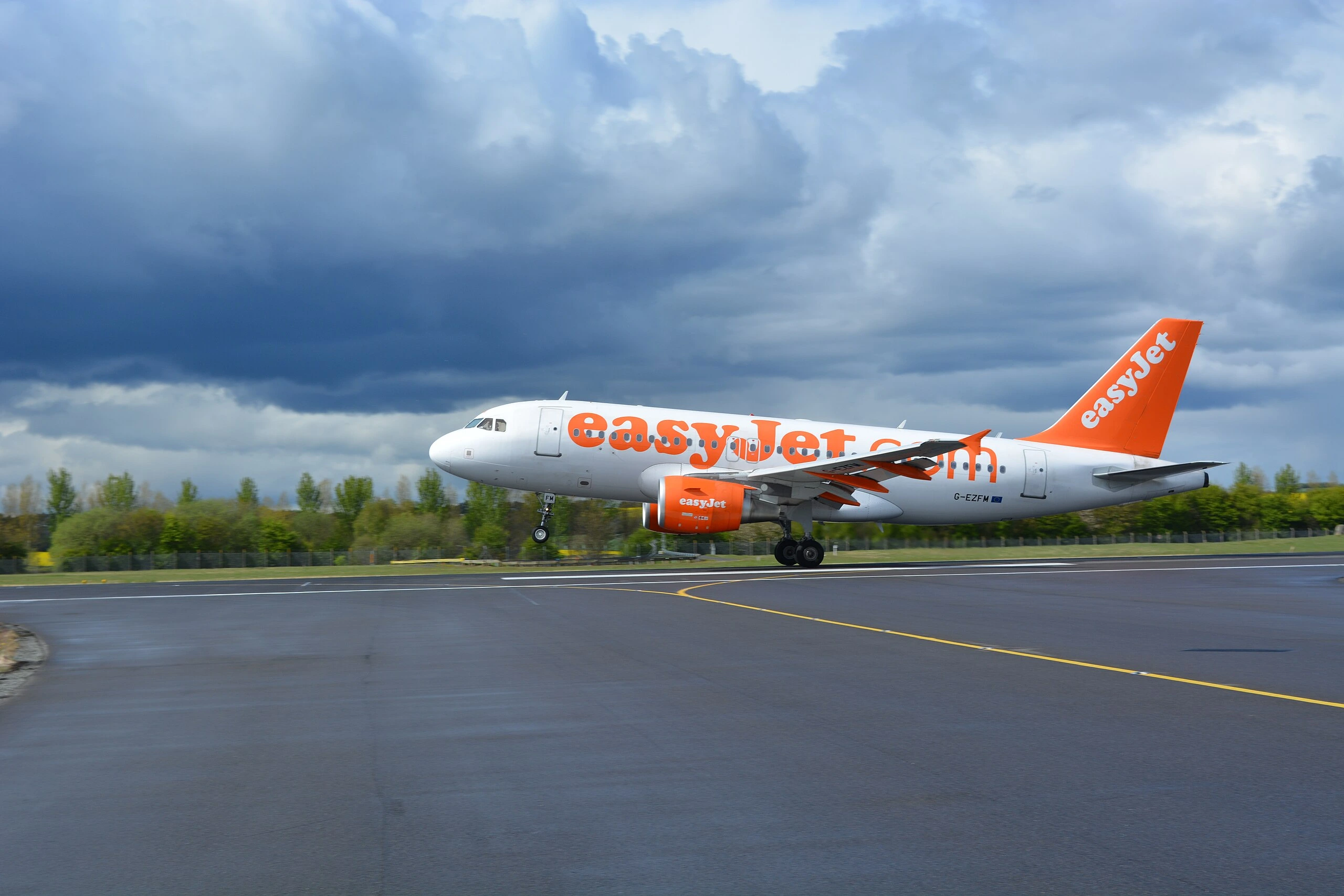
“Flight EZY3352 from Tenerife to Liverpool yesterday returned to the airport and was met by police due to a group of passengers behaving disruptively. The flight then continued onto its final destination.”
The airline emphasised its standard response to onboard disorder:
“Our cabin and ground crew are trained to assess all situations and to act quickly and appropriately to ensure that the safety of the flight and other customers is not compromised at any time. We take these incidents very seriously and do not tolerate disruptive behaviour towards our staff. The safety and wellbeing of customers and crew is always our highest priority.”

This is not the only easyJet flight to make headlines this year over an onboard incident. In December 2025, easyJet flight EZY8070 from Málaga Airport (AGP) to London Gatwick Airport (LGW) returned to its stand after passengers reported an elderly woman had died on board, delaying departure by roughly 12 hours.
A separate easyJet flight from Málaga to Liverpool was cancelled entirely in 2025 after intoxicated passengers were removed from the aircraft before departure, with the captain telling passengers his crew was “traumatised,” . easyJet has also faced a 30-hour delay on a Belfast to Hurghada service after police were called to deal with disruptive passengers before the aircraft even left the gate.
Why Unruly Passenger Numbers Keep Rising
Flight EZY3352 lands within a wider trend of rising disruptive passenger reports across UK aviation. Airlines reported 390 cases of intoxicated, violent, or unruly passengers to the UK Civil Aviation Authority (CAA) in 2019. That figure rose to 1,245 incidents by 2023 and stayed well above 1,000 in 2024, per the same CAA data cited by consumer group Which?.
The CAA’s figures also show a seasonal and directional pattern relevant to routes like Tenerife to Liverpool. Outbound flights from the UK account for roughly 35% of total UK flights, yet they generate more than 60% of all disruptive incidents, the CAA data shows. May and June see the highest incident rates, a pattern linked to peak stag and hen party travel.
Globally, the trend has shown early signs of easing. The International Air Transport Association (IATA) reported that the worldwide rate of unruly passenger incidents improved from one incident per 307 flights in 2024 to one per 355 flights in 2025, based on more than 93,000 incident reports from over 140 airlines. Non-compliance with crew instructions remains the most commonly reported behaviour, ahead of verbal abuse and intoxication.

What Happens Next for Passengers Involved
Spanish police questioned the situation on the tarmac at Tenerife South Airport once the aircraft landed, though it remains unclear whether any of the passengers involved face criminal charges. Airlines operating in Spain, including easyJet, can refer serious onboard incidents to local authorities for prosecution once a flight lands. Passengers found guilty of endangering flight safety can face fines, travel bans, or criminal proceedings, depending on the severity of the incident and the jurisdiction involved.
For the roughly 186 passengers who continued on to Liverpool, the incident added an estimated delay of just over an hour to their journey, based on the aircraft’s departure and return times. easyJet has not said whether it plans to ban the passengers involved from future flights, something the airline has done in past disruptive passenger cases.
.jpg)


_G-EZTF_-_MSN_3922_(6960910130).jpg)
