On Thursday, December 18, 2025, passengers on an easyJet (U2) flight from Málaga Airport (AGP), Málaga, Spain to London Gatwick Airport (LGW), United Kingdom alleged that an elderly British woman was wheeled onto the aircraft already deceased.
Multiple passengers claimed the woman’s relatives told easyJet ground staff she was “just tired” and “unwell” before boarding, only for cabin crew to later realize she had died, prompting the aircraft to return to the stand and delaying departure by approximately 12 hours.
What happened on easyJet flight EZY8070
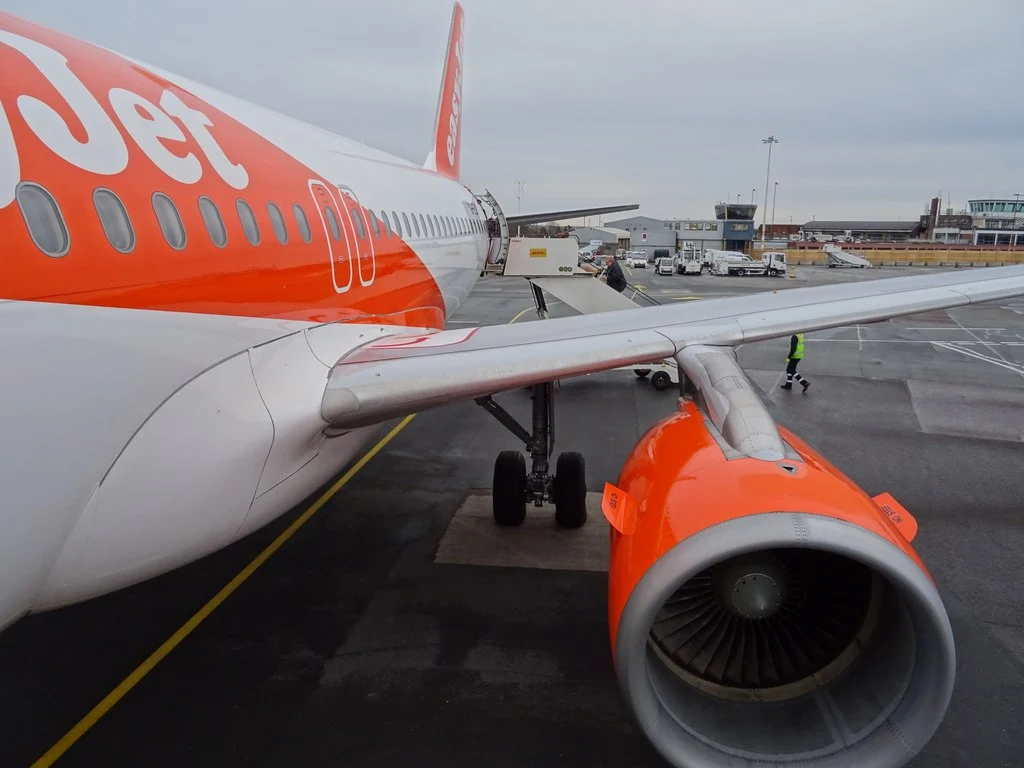
Passengers on flight EZY8070 (the flight number comes from a report published in LBC) from Málaga (AGP) to London Gatwick (LGW) described a surreal sequence of events. Witnesses reported that five relatives pushed an elderly woman in a wheelchair through boarding, telling staff she was unwell and had simply fallen asleep.
| Details | |
|---|---|
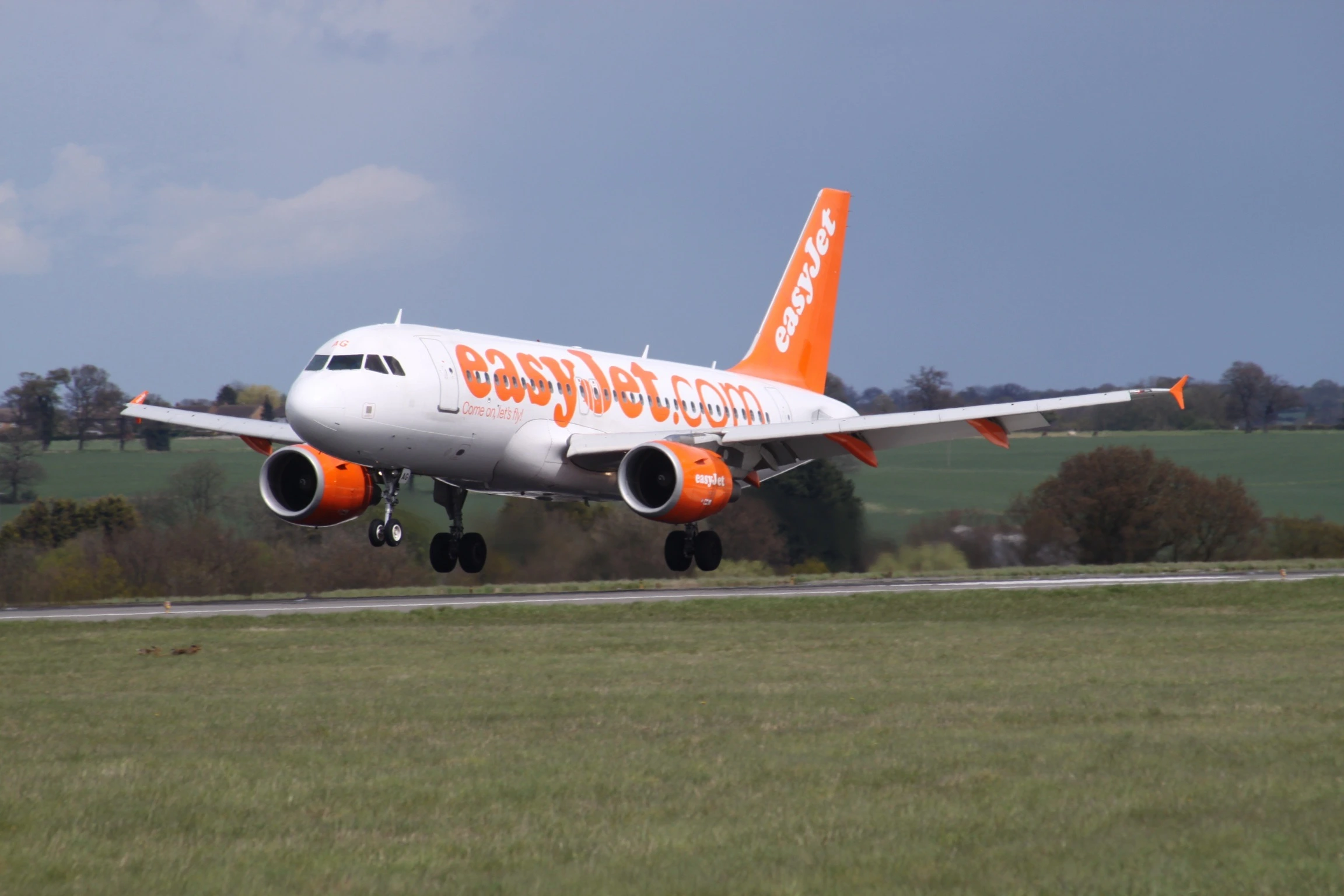
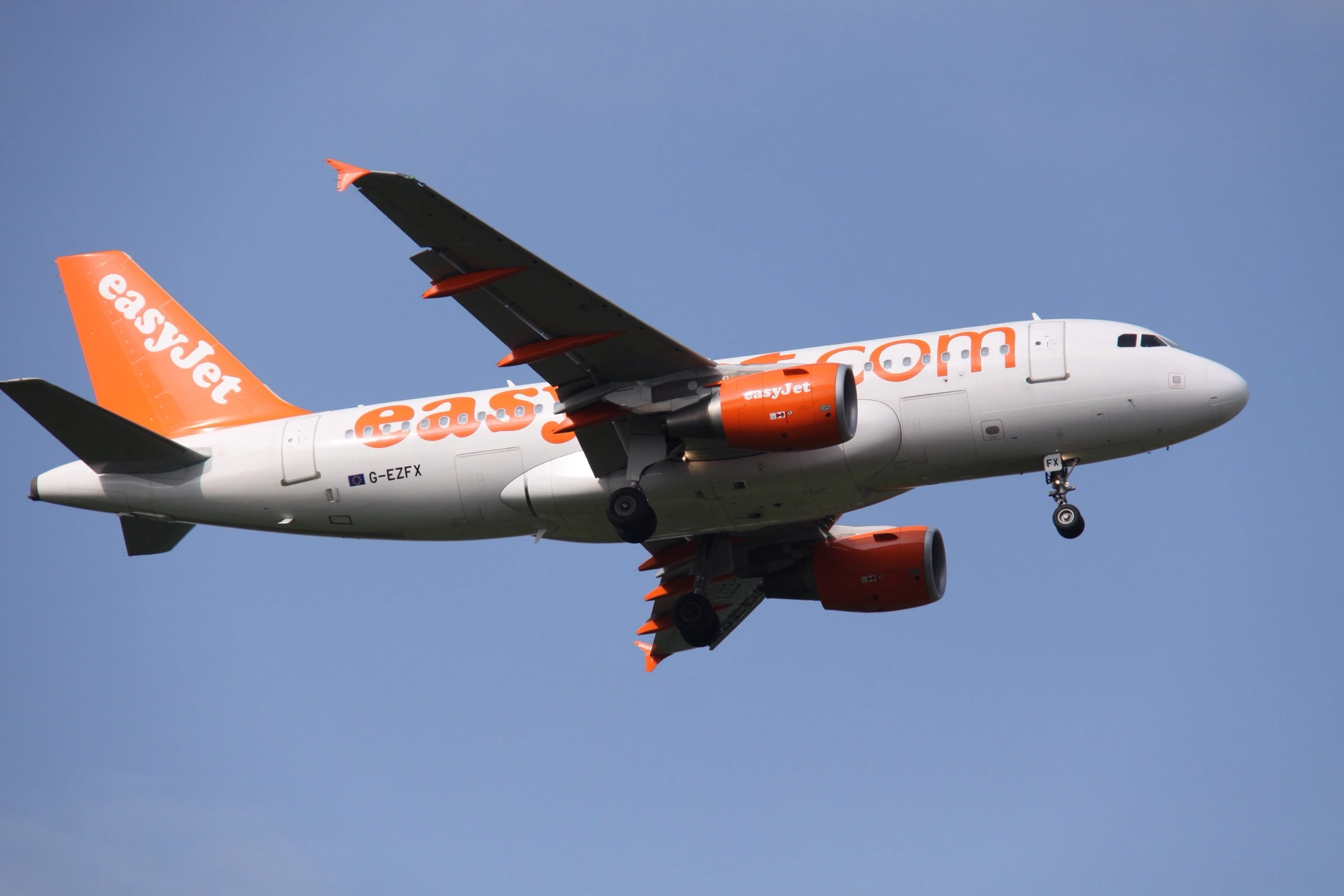
| Aircraft type | Airbus A319 |
| Registration | G-EZFI |
| Route | Málaga Airport (AGP), Málaga → London Gatwick Airport (LGW), UK |
| Date of operation | 18 December 2025 |
| Delay | 11+ hours |
| Arrival time | Around midnight (local) |
Various outlets have quoted passengers onboard the flight that the elderly woman was slumped and lifeless, with GB News claiming that a relative appeared to support her head as she walked through the cabin. The same publication talked about another eyewitness stating that a person on board, purportedly a doctor, confirmed to other passengers that the woman was already dead when seated:
“It was only when the plane had begun moving towards the runway when cabin crew realised the woman had died. Witnesses claim boarding staff questioned the woman’s condition multiple times before allowing her onto the aircraft. One passenger alleged that a member of the group told a clerk they were doctors.”
As the aircraft began taxiing, cabin crew reportedly became concerned about the situation and returned the jet to the stand before departure. Emergency services were summoned, and the woman was pronounced deceased by authorities.
Passengers expressed shock and frustration on social media, with one stating: “Why did you let a dead person on our flight?” — a comment widely shared in eyewitness accounts.
easyJet, in its response, said: “Flight EZY8070 returned to stand prior to departure due to a customer onboard requiring urgent medical assistance. The customer sadly passed away.”
The airline further emphasized its priority on passenger safety and adherence to procedures.
“Our thoughts are with the family and friends of the customer, and we are offering support and assistance at this difficult time. The wellbeing of our passengers and crew is always easyJet’s highest priority and we would like to thank passengers for their understanding for the delay.”
The incident led to lengthy delays — the flight was initially scheduled to depart at around 11:15am local time but did not subsequently take off until late that night.
Regulatory and Legal Context Surrounding
easyJet flight EZY8070: Airline Medical Fitness
The easyJet episode intersects with aviation health and safety regulations concerning fit‑to‑fly assessments, passenger welfare, and medical documentation.
When passengers with significant medical conditions travel, airlines and their ground handling agents rely on certificates of fitness to fly, often issued by medical practitioners. easyJet claims that the woman had a certificate to fly.
All in All
The incident has triggered a wave of commentary across social media and in the travel community. Several passengers focused criticism on the handling of the situation by ground staff and special assistance teams, suggesting that the woman’s visible condition should have triggered more thorough checks before boarding was permitted.
Others emphasised empathy for the family’s loss, even as they expressed bewilderment at the episode unfolding in an aircraft cabin. A spokesman for the Civil Guard in Malaga was quoted to have said:
“She was pronounced dead on the aircraft which had been due to leave Malaga for London just after 11am yesterday morning.”
easyJet operates 79 aircraft of the type that was involved in the incident – the Airbus A319-100. These have an average age of 17.1 years.


.jpg)
.jpg)