Air travel to and from the Middle East is going through another turbulent stretch. Air France has pulled back from Dubai and Riyadh and pushed its Beirut restart out to August, and it isn’t alone — more than a dozen international carriers are juggling suspensions, rerouted flight paths, and reduced frequencies as the US-Iran conflict that in its first phase claimed an F-15 E and an A-10 Warthog continues to flare on and off. This guide breaks down exactly which airlines are affected, which routes are grounded, how long the suspensions are expected to last, and what travelers should do next — with sourcing throughout so you can verify every date for yourself before you book, cancel, or head to the airport.
Why Are So Many Airlines Suspending Middle East Flights?
The wave of cancellations traces back to the 2026 Iran war, which began on February 28, 2026, when the United States and Israel struck Iranian military targets. Iran responded by closing the Strait of Hormuz to foreign shipping, and the conflict has cycled through ceasefires and renewed strikes ever since. A US-Iran memorandum signed on June 17, 2026 briefly reopened the strait, but a new strike cycle from June 26–28 interrupted that reopening before both sides stood down on June 29.
Fighting flared again in early July: US strikes on Iranian targets near the Strait of Hormuz resumed on July 7, and Iran answered with missile and drone attacks on US bases in Bahrain and Kuwait. Tehran went further on July 11–12, striking five Gulf states — Bahrain, Kuwait, Jordan, Qatar and Oman — and again declaring the Strait of Hormuz closed after a third round of US strikes that week.
As of mid-July, the ceasefire framework has “effectively broken down,” according to aviation risk monitor OPSGROUP, though most Gulf flight information regions (FIRs) remain open to overflights with tactical routing in place. The European Union Aviation Safety Agency (EASA) is currently advising airlines to avoid the airspace of Iran, Iraq, Lebanon, Bahrain, Kuwait, Qatar, the UAE and the western Gulf of Oman at all flight levels, and GPS jamming and spoofing remain a persistent hazard across the region. Kuwait’s airspace has been the most tightly restricted, with overflights through the Kuwait FIR barred and only direct arrivals and departures permitted with prior approval, a restriction extended into early August.

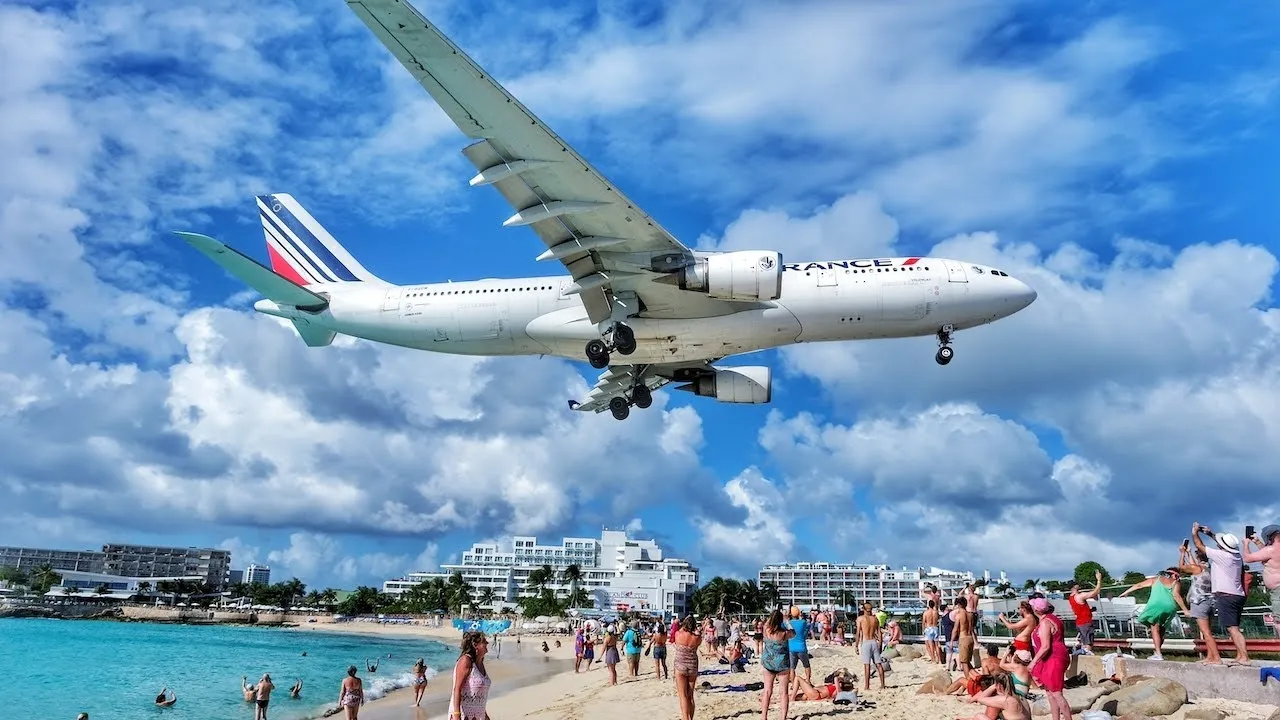
Air France: Dubai, Riyadh and Beirut Suspensions Explained
According to Middle East Monitor, Air France (AF) announced on July 20, 2026, that it was suspending Dubai and Riyadh flights and pushing back its planned Beirut restart, citing a security situation it called “rapidly evolving”. The carrier had actually resumed Dubai, Riyadh and Tel Aviv service earlier in July, only to reverse course days later as the conflict widened again — illustrating just how fluid these schedules have become.
Here are the confirmed dates as of this update:
- Dubai (DXB): Suspended until July 27, 2026 for arrivals; departures from Dubai remain grounded through July 28.
- Riyadh (RUH): Suspended until July 24, 2026 for arrivals; departures from Riyadh are affected through July 25.
- Beirut (BEY): Extended suspension until August 2, 2026, after an originally planned July 20 restart was scrapped.
Air France says any resumption depends on an ongoing local security assessment rather than a fixed date, and it is contacting affected passengers directly. Under the airline’s current commercial policy, customers can cancel or rebook without paying a change fee, even if their specific flight is still showing as scheduled. Travelers who booked directly with Air France can manage changes through the “My Bookings” section of its website; those who booked via a travel agency need to go back to that agency for rebooking or a refund.
Despite Air France’s pullback, Dubai International Airport itself has kept operating at close to full capacity throughout the conflict — Dubai Airports CEO Paul Griffiths has said the airport is running at “pretty much full capacity,” with more than six million passengers passing through since the regional conflict began.
Which Other Airlines Have Suspended Middle East Routes?
Air France is far from the only carrier reshuffling its Middle East network. Here’s how the rest of the field stacks up.
European carriers
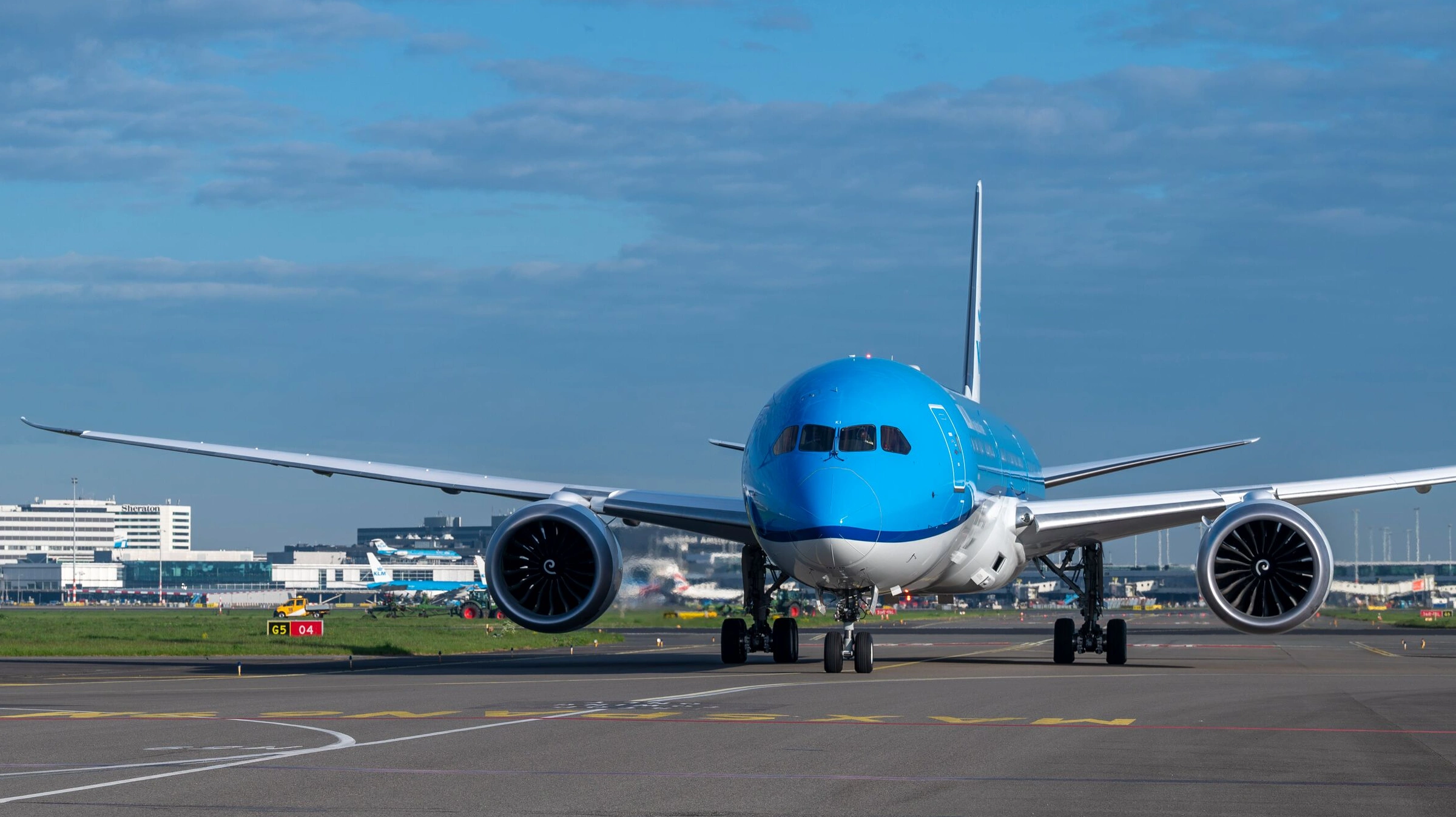
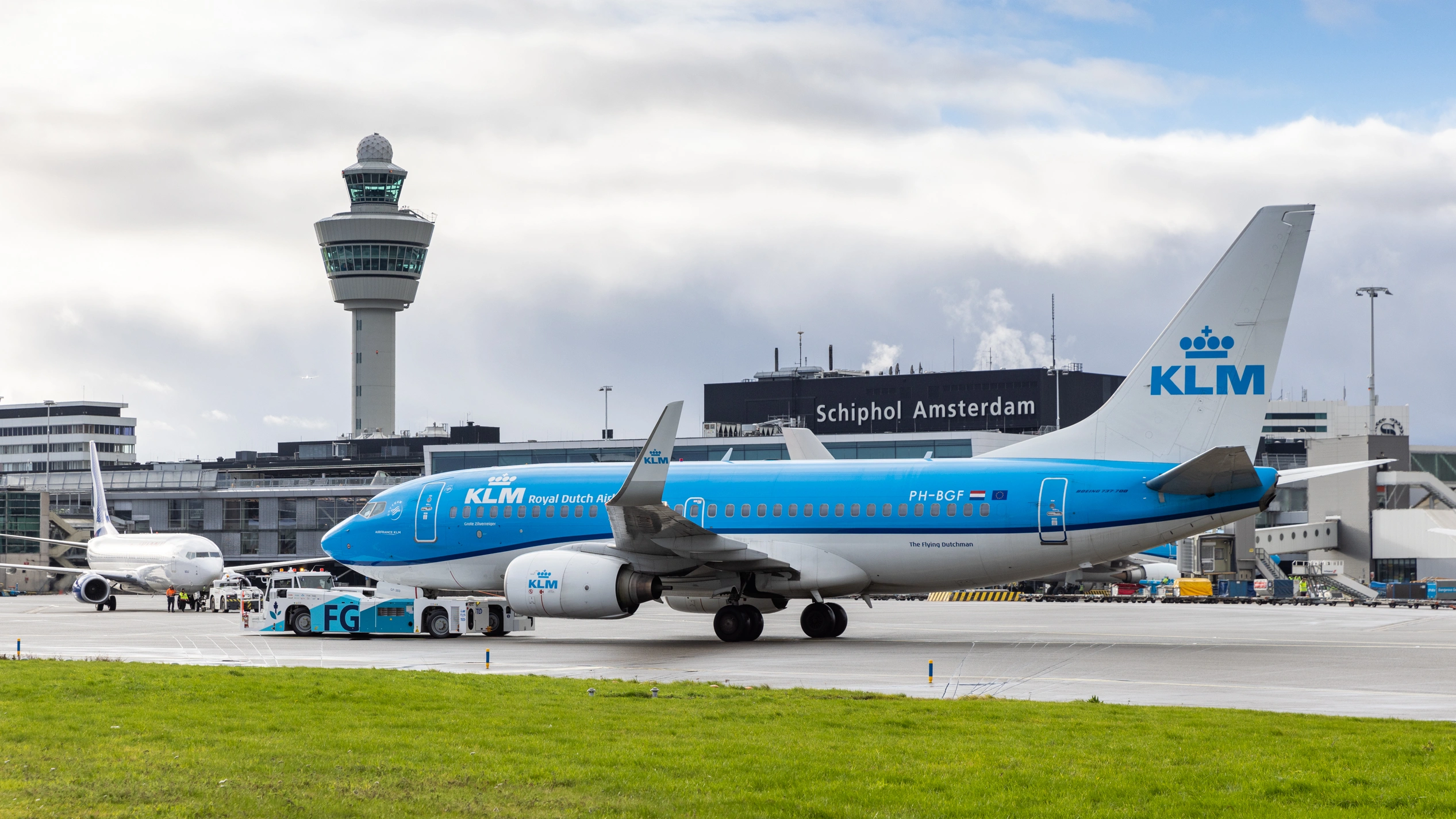
- KLM is avoiding Iranian, Iraqi and Israeli airspace altogether and has suspended flights to Riyadh, Dammam and Dubai until August 23, 2026.
- British Airways (BA) delayed a phased return that was originally planned for July 1. Dubai, Tel Aviv, Bahrain and Amman remain suspended until October 25, 2026. Doha frequencies are being cut from twice daily to once daily starting August 1, and Riyadh service drops from two flights a day to one starting August 8. BA has permanently withdrawn from Jeddah.
- Finnair has extended its Helsinki–Dubai suspension until October 24, 2026, and has pulled its Doha route for the entire winter season for commercial reasons, rerouting affected bookings largely onto Qatar Airways-operated flights.
- Lufthansa Group (Lufthansa, Swiss, Austrian Airlines and Brussels Airlines) has resumed Tel Aviv service on most of its brands, though Brussels Airlines remains suspended there. Lufthansa and Swiss flights to Dubai are on hold until September 13, 2026, while group-wide service to Abu Dhabi, Amman, Beirut, Dammam, Riyadh, Erbil, Muscat and Tehran is suspended until October 24, 2026.
- Air Astana, the Kazakh flag carrier, has suspended Almaty and Astana flights to Dubai until August 31, 2026, citing deteriorating conditions in the Strait of Hormuz.
Asian and other long-haul carriers
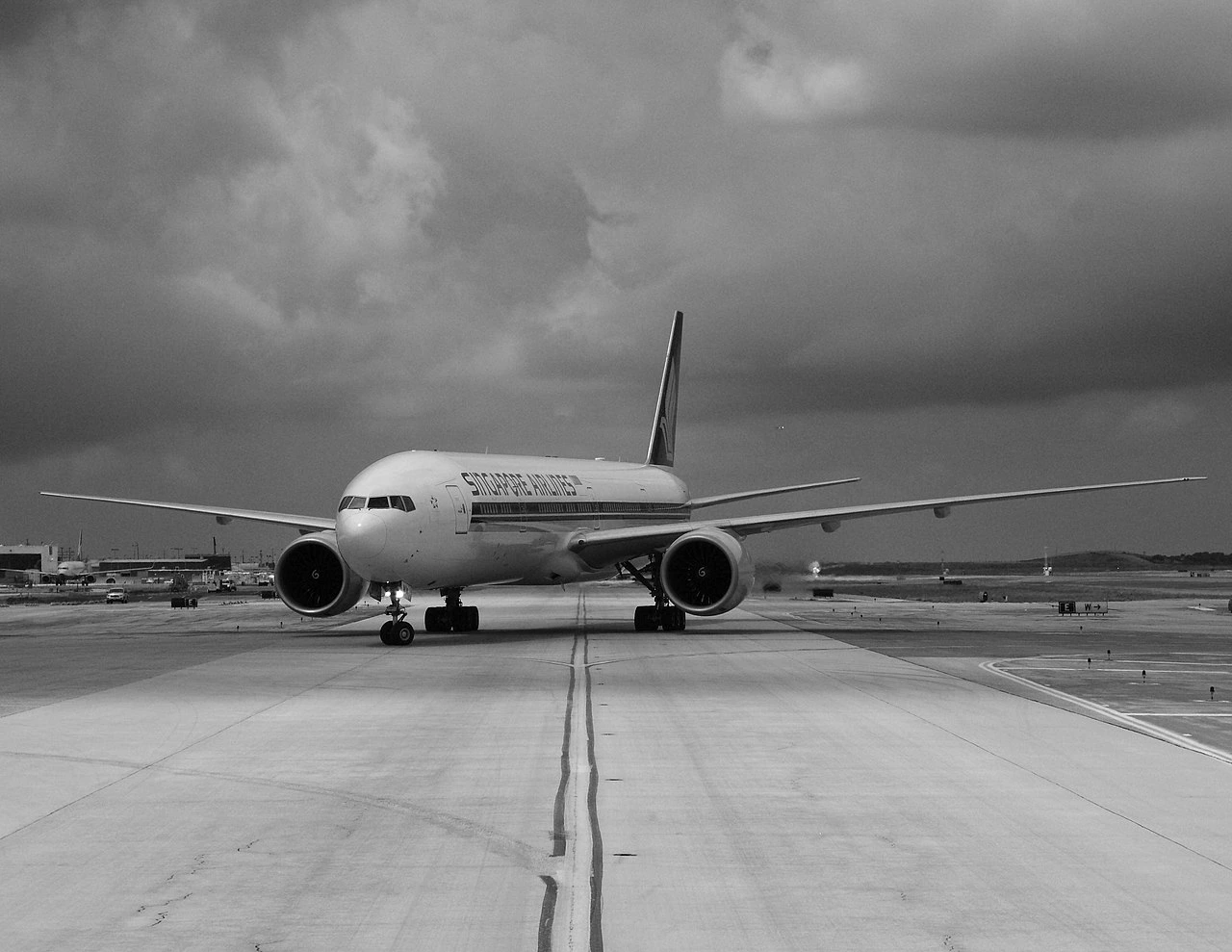
- Singapore Airlines had been due to resume Dubai flights on August 2, but has now pushed that suspension out to October 24, 2026, warning that “other flights may be affected” as conditions remain fluid (The National).
- Scoot, Singapore Airlines’ budget arm, has suspended Singapore–Jeddah flights until August 8, 2026, with refunds or rebooking offered.
- Cathay Pacific has extended its Dubai suspension to October 24 and Riyadh to October 25, 2026 — both routes had originally been penciled in to restart September 1.
- Philippine Airlines has resumed Manila–Doha service but keeps its Dubai route suspended until October 2, 2026.
- Turkish Airlines has resumed flights to Abu Dhabi, Dubai, Damascus, Beirut and Amman, but continues to hold off on Iran service, warning that further cancellations are possible as it monitors the region’s airspace in real time.
- Air Canada has extended its Tel Aviv and Dubai suspensions until October 24, 2026.
Gulf carriers: largely business as usual
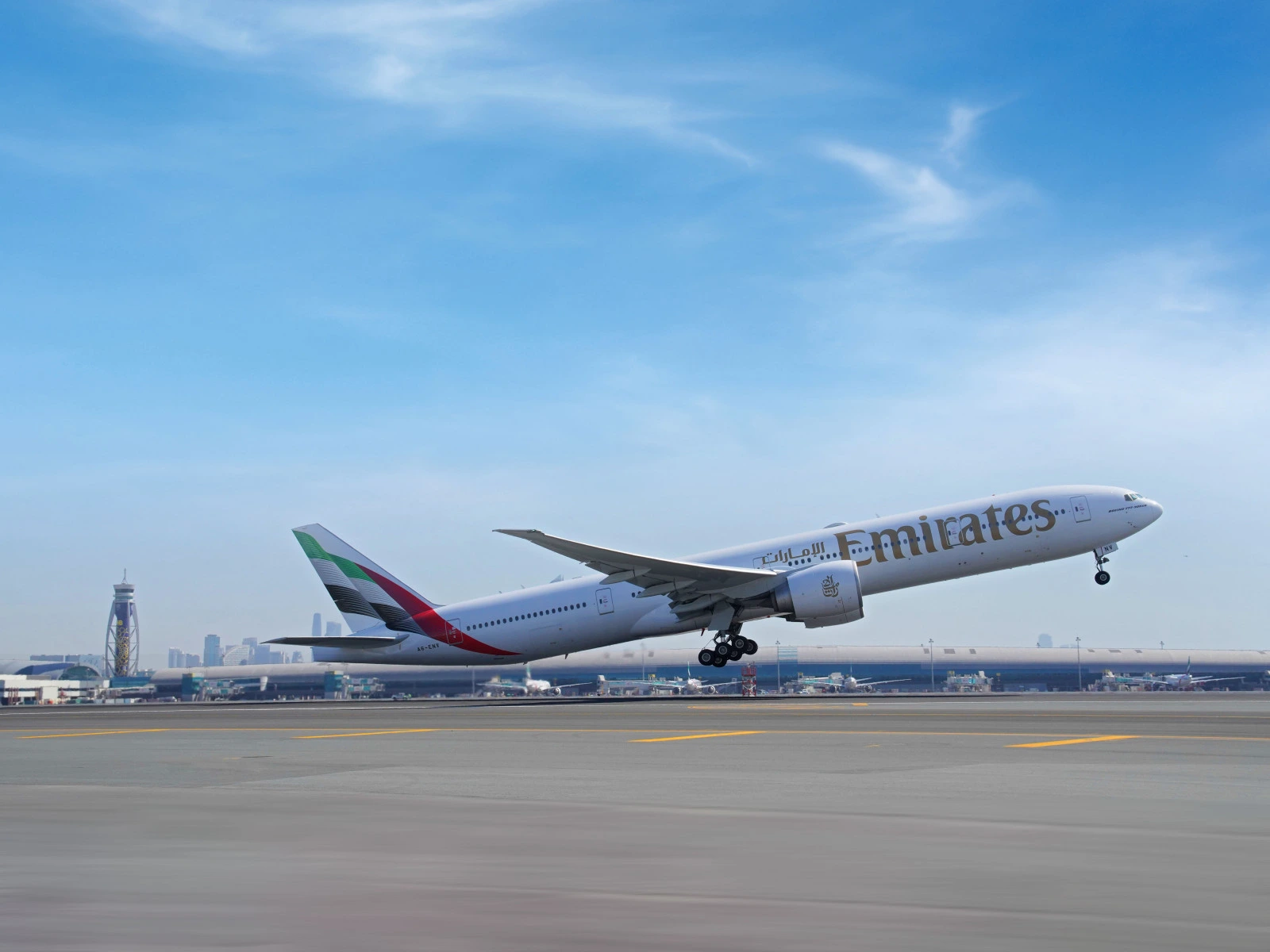
It’s worth stressing that the region’s own airlines have kept flying through most of this. Emirates has described its operations as “business as usual,” reporting more than 1.7 million passengers carried on over 5,800 flights in a recent two-week stretch, and now serves 137 destinations in 72 countries. As of mid-July, Gulf carriers including Emirates, Qatar Airways, Etihad, Gulf Air and Oman Air had restored between roughly 75% and 96% of pre-conflict capacity, with Etihad alone running about 93% of its pre-war schedule.
Qatar Airways is routing all Doha traffic through a limited set of government-authorized corridors rather than open airspace, which can add anywhere from 30 minutes to several hours to journey times, and it has paused further route resumptions — including a tentative return to Iran — since the mid-July escalation.
Industry-wide, OAG schedule data shows Middle East carriers were set to operate about 22.9 million departing seats in July 2026, a solid recovery from the worst of the disruption earlier in the year but still roughly 7.5% below pre-conflict levels and about 6.9% down year-on-year. Aviation analyst John Strickland, founder of JLS Consulting, has summed up the calculus foreign carriers are making: airlines won’t fly a route again until they get assurance from the relevant authorities that it’s safe to do so.
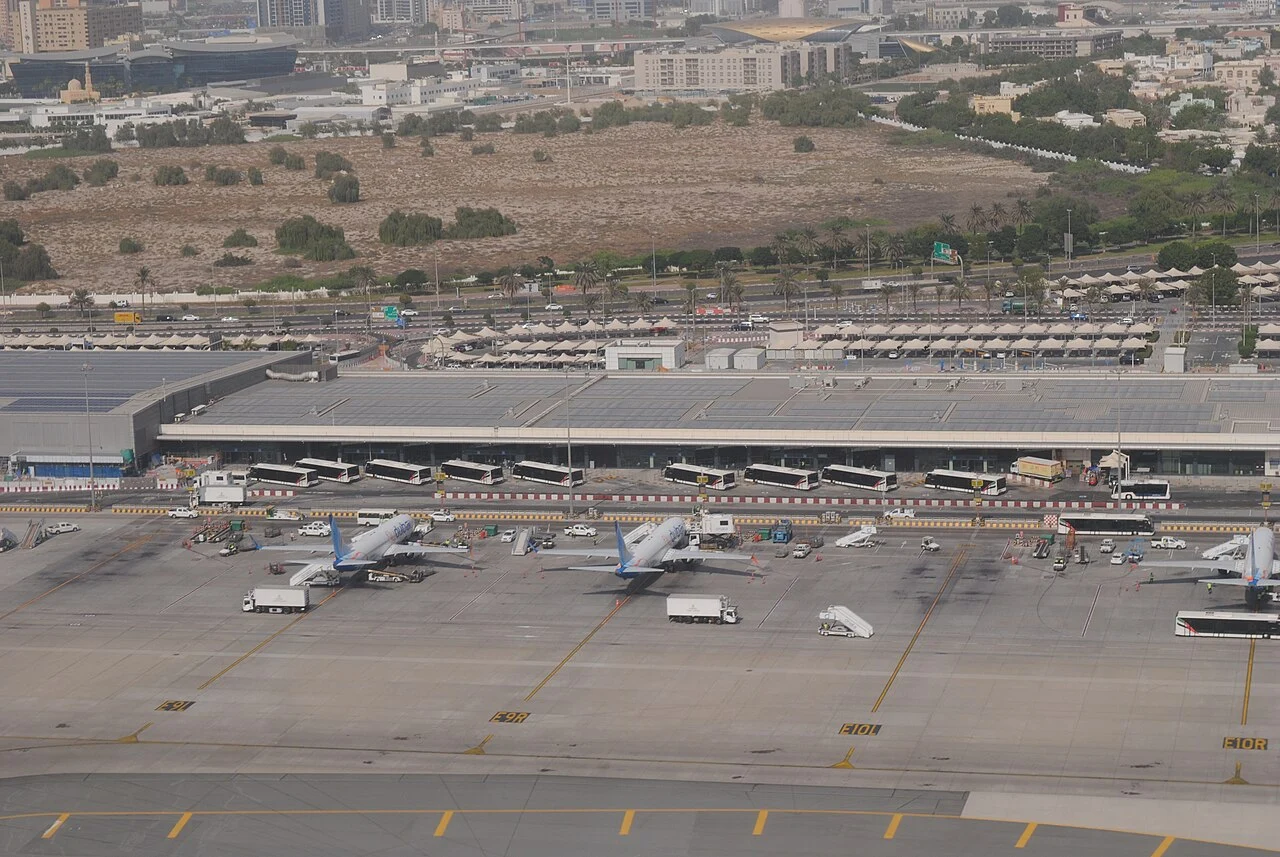
Airport-by-Airport Snapshot
| Airport | Status as of late July 2026 |
|---|---|
| Dubai (DXB) | Operating near full capacity; only a small share of flights cancelled or delayed despite airline-level suspensions |
| Abu Dhabi (AUH) / Sharjah (SHJ) | Continuing normal operations |
| Doha (DOH) | Open; traffic routed through restricted corridors, adding to journey times |
| Riyadh (RUH) | Open; several foreign carriers still suspended |
| Beirut (BEY) | Open but with repeated airline-level suspensions tied to the Israel-Lebanon front |
| Kuwait City (KWI) | Airspace overflights barred; direct arrivals/departures allowed with prior approval, restrictions extended into early August |

What This Means If You’re Booked to Fly
- Check your specific flight, not just the headline suspensions. Airlines are updating city pairs individually and sometimes reversing course within days, as Air France’s July resume-then-resuspend of Dubai and Riyadh shows.
- Most major carriers are waiving change fees. Air France, Singapore Airlines, Cathay Pacific and others are offering free rebooking, rerouting, or full refunds even when a flight hasn’t been formally cancelled.
- Expect longer flight times, not just cancellations. Airlines still flying through the region are routing around Iranian, Iraqi and, in places, Israeli and Kuwaiti airspace, which can add real time to a journey even when a flight operates as scheduled.
- Travel insurance terms matter more than usual. Because many flights are still technically “scheduled” even while under an active advisory, coverage can hinge on whether your policy treats a government or airline advisory as a qualifying event — check the fine print before assuming a claim will be paid.
- Arrive early. With schedules compressed onto authorized corridors and some airports urging longer buffers, budget three to four hours before departure at major Gulf hubs.
Frequently Asked Questions
Is it safe to fly to Dubai right now?
Dubai International Airport has continued operating at near-normal capacity throughout the conflict, and Gulf carriers such as Emirates describe operations there as business as usual. The suspensions making headlines are airline-specific decisions by foreign carriers, not airport or airspace closures affecting Dubai itself.
When will Air France resume Dubai and Riyadh flights?
Air France’s current target dates are July 27 (Dubai arrivals) and July 24 (Riyadh arrivals), but the airline has already reversed an earlier resumption once this month and says any restart depends on an evolving security assessment rather than a fixed calendar.
Can I get a refund if my flight hasn’t been officially cancelled?
With most major airlines affected, yes — carriers including Air France, Singapore Airlines and Cathay Pacific are allowing free cancellation, postponement, or rebooking for affected routes even when the flight itself is still showing as operating.
Which airlines have suspended Beirut flights?
Air France has extended its Beirut suspension to August 2, 2026, and Lufthansa Group carriers have also suspended Beirut service as part of their wider regional hold, tied to instability along the Israel-Lebanon front.
Why are flights taking longer even when they’re not cancelled?
Carriers such as Qatar Airways are routing traffic through a restricted set of government-authorized corridors instead of open airspace to avoid higher-risk zones, which can add 30 minutes to several hours depending on the route.

.jpg)

