Melbourne Airport (MEL) will receive a $4.5 billion international terminal expansion after Qantas signed a long-term deal to back the project, along with a 15-year commitment to the airport’s planned third runway. The Qantas Group and Australia Pacific Airports Corporation, which operates Melbourne Airport under a 50-year Commonwealth lease, announced the agreement on July 27, 2026. According to a report by The Canberra Times, the deal adds new international routes, faster check-in processing, and a larger lounge network to a facility that already runs as Australia’s largest 24-hour gateway,
The upgrade follows years of pressure on Melbourne’s aviation infrastructure and comes soon after Qantas (QF) confirmed nonstop Sydney-to-London flights for 2027. Qantas plans to base part of its new Airbus A350-1000LR (the aircraft type that will be deployed in the Project Sunrise) fleet in Melbourne, opening routes to cities the airline cannot reach nonstop today. The expansion also adds five widebody gates and a rebuilt check-in hall, positioning Melbourne to compete more directly with Sydney for long-haul international traffic.
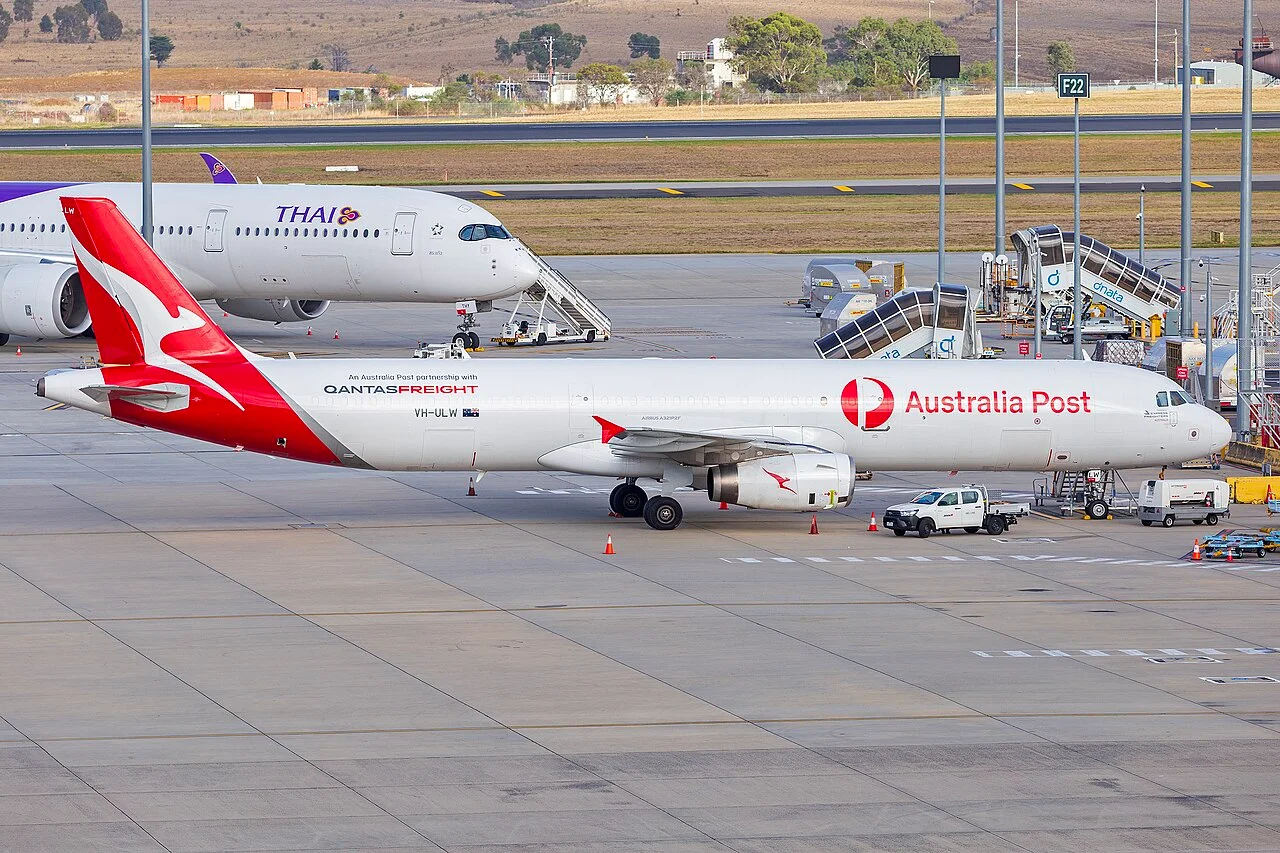
Qantas Group Backs Melbourne Airport’s Third Runway For 15 Years
The commercial agreement locks Qantas into supporting Melbourne Airport’s third runway for 15 years. The runway will stretch three kilometers and run parallel to the existing north-south runway, sitting 1.3 kilometers to the west of it. The federal government approved the project in 2024, and construction is already underway ahead of a planned 2031 opening.
Melbourne Airport chief executive Lorie Argus called the deal a vote of confidence in the city. She said the airport is “proud to be Australia’s largest 24-hour gateway” and that the partnership pairs the airport’s infrastructure investment with Qantas Group’s spending on aircraft and network growth.
The parallel runway system will allow simultaneous takeoffs and landings once it opens. Melbourne Airport expects this to ease delays and give both existing carriers and new entrants room to grow their schedules into the city. Industry estimates put the runway’s own cost at roughly $3 billion on top of the $4.5 billion terminal program.
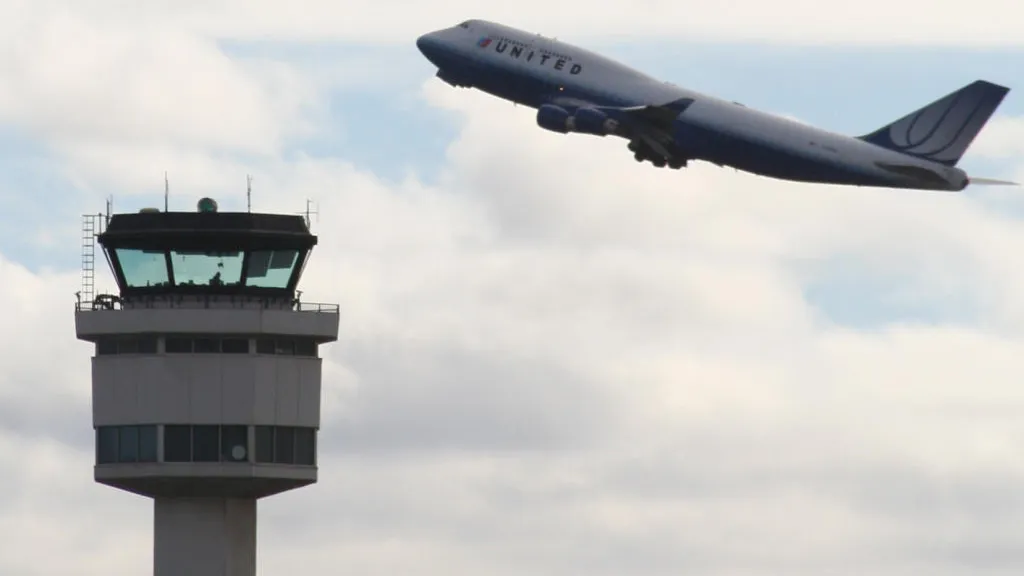
Terminal Expansion Adds Five Widebody Gates and Faster Check-In
The $4.5 billion program centers on Melbourne Airport’s international terminal. It adds five widebody aircraft gates to expand capacity for long-haul services, alongside a rebuilt check-in hall.
The terminal upgrade includes the following features:
- Premium check-in areas alongside standard processing zones
- Automated bag drop and real-time bag tracking
- An early baggage storage facility for arriving passengers
- Expanded baggage reclaim space and added carousels
- More floor space for Australian Border Force processing
Justin Brownjohn, senior manager at the RMIT Aviation Academy, said Melbourne already leads other Australian airports on security screening, letting passengers leave laptops and liquids in their bags. He told Explore that “the industry is moving more towards self check-in practices,” and expects Melbourne’s self-service bag drop zones to expand further under the new investment.
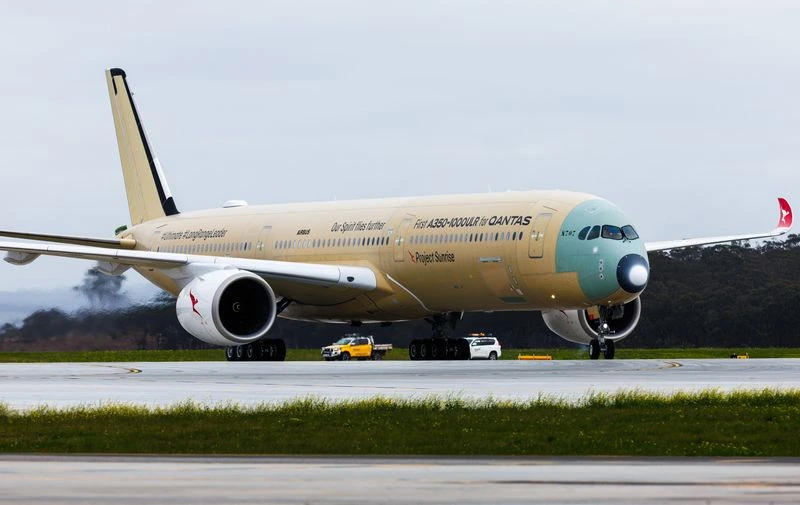
Qantas Plans New A350-1000LR Base to Unlock Nonstop Routes from Melbourne
Qantas will base part of its Airbus A350-1000LR order at Melbourne, drawing from a fleet of 12 ultra-long-range jets. Qantas Group chief financial officer Rob Marcolina said the move would “unlock growth for both Qantas and Melbourne Airport” and improve the experience for millions of yearly customers.
These aircraft sit apart from the Airbus A350-1000ULRs Qantas is using for its Project Sunrise nonstop flights from Sydney. A Project Sunrise test aircraft already proved Melbourne’s ability to handle ultra-long-haul operations, landing at the airport after a direct 19-hour flight from Toulouse, France.
The new Melbourne-based A350-1000LRs could support nonstop flights to North American hubs such as Seattle, San Francisco, and Vancouver, none of which Melbourne currently reaches directly. Other possible destinations include Santiago, Johannesburg, Tokyo Haneda, Dubai, and Doha, though Qantas has not confirmed a specific route list.
Dr Oleksandra Molloy, senior lecturer in aviation at the University of New South Wales, Canberra, said greater route diversity from Melbourne would reduce dependence on connecting through Sydney. She told Explore that Victorian travellers would gain the most from direct access to international destinations rather than routing through Sydney or an overseas hub.

New Qantas International Business Lounge to Open By 2029
Qantas will build a new International Business Lounge at Melbourne Airport as part of the deal. The lounge will sit on a level above Terminal 2 and measure up to one-third larger than the airline’s current facility.
Construction and fit-out are targeted for completion by 2029. Argus said the new lounge would deliver strong improvements for premium customers and offer some of the best views in the airport.
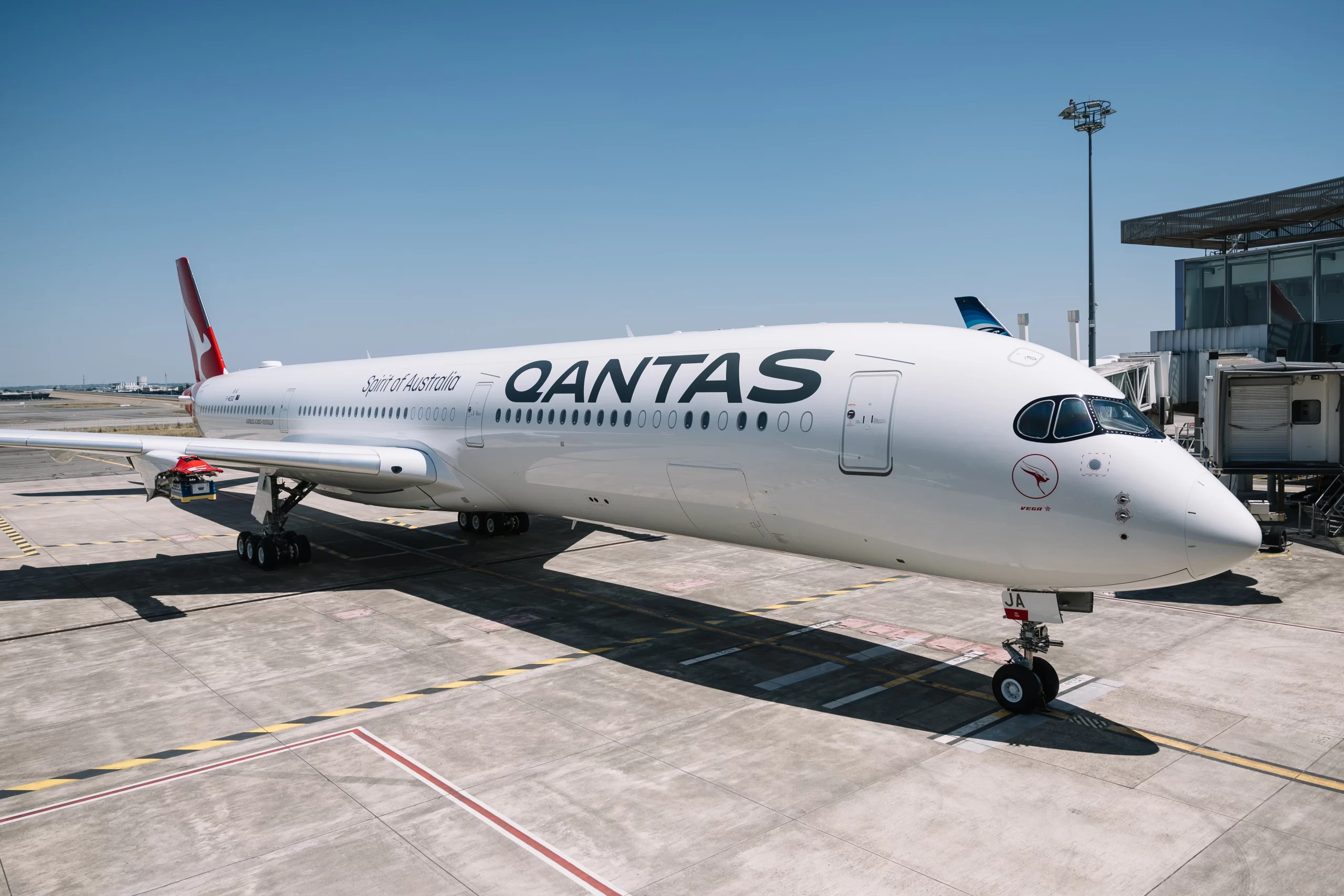
Singapore Airlines and Qatar Airways Show Melbourne’s Shifting Lounge and Widebody Landscape
Singapore Airlines (SQ) confirmed a full relocation and rebuild of its SilverKris Lounge at Melbourne Airport, with the new space expected to open in late 2026 or early 2027. The rebuilt lounge will be 30 percent larger than the current facility and will move out of a basement location nicknamed the airport’s “dungeon.”
Timothy Chua, Singapore Airlines’ vice president of lounge development and inflight operations, described plans for an expanded gate lounge area above departures. He said the level above departures would “become the home of an expanded gate lounge area” as the terminal grows over time.
Not every carrier is expanding its widebody presence at Melbourne, though. Qatar Airways ended Airbus A380 services to Melbourne Airport in March 2020 after accumulating 1,004 superjumbo departures from Doha since July 2017. Booking data from that period showed almost none of the top demand markets for the route were Australian, with European cities such as London, Rome, and Paris dominating passenger origins.
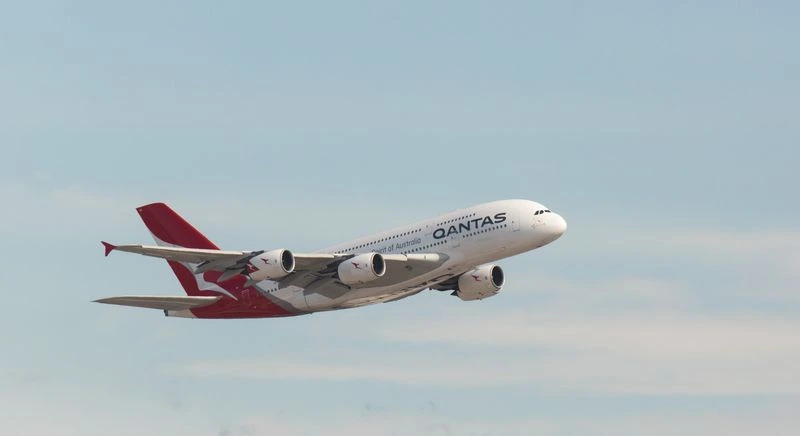
Melbourne’s Third Runway Fits into a Broader Domestic Growth Story
The expansion also creates room for Qantas’s low-cost arm, Jetstar (JQ), to keep growing. Jetstar already operates close to 1,000 flights a week from Melbourne during peak periods, and the airport accounts for around 45 percent of the carrier’s total domestic passengers.
Qantas and Jetstar together serve 17 international destinations from Melbourne today. The new gates and runway capacity give both airlines room to add frequency on existing routes as well as launch new ones.

What Comes Next for Travellers
The next milestone arrives in late 2026 or early 2027, when Singapore Airlines opens its rebuilt SilverKris Lounge. Qantas will follow with its new International Business Lounge by 2029, ahead of the third runway’s opening in 2031.
Qantas has not yet named which new international routes the Melbourne-based A350-1000LRs will fly. Confirmation is expected closer to the aircraft’s delivery, as Qantas Group finalizes network plans alongside the terminal construction timeline.

_Airbus_A321-231(P2F)_at_Melbourne_Airport.jpg)
