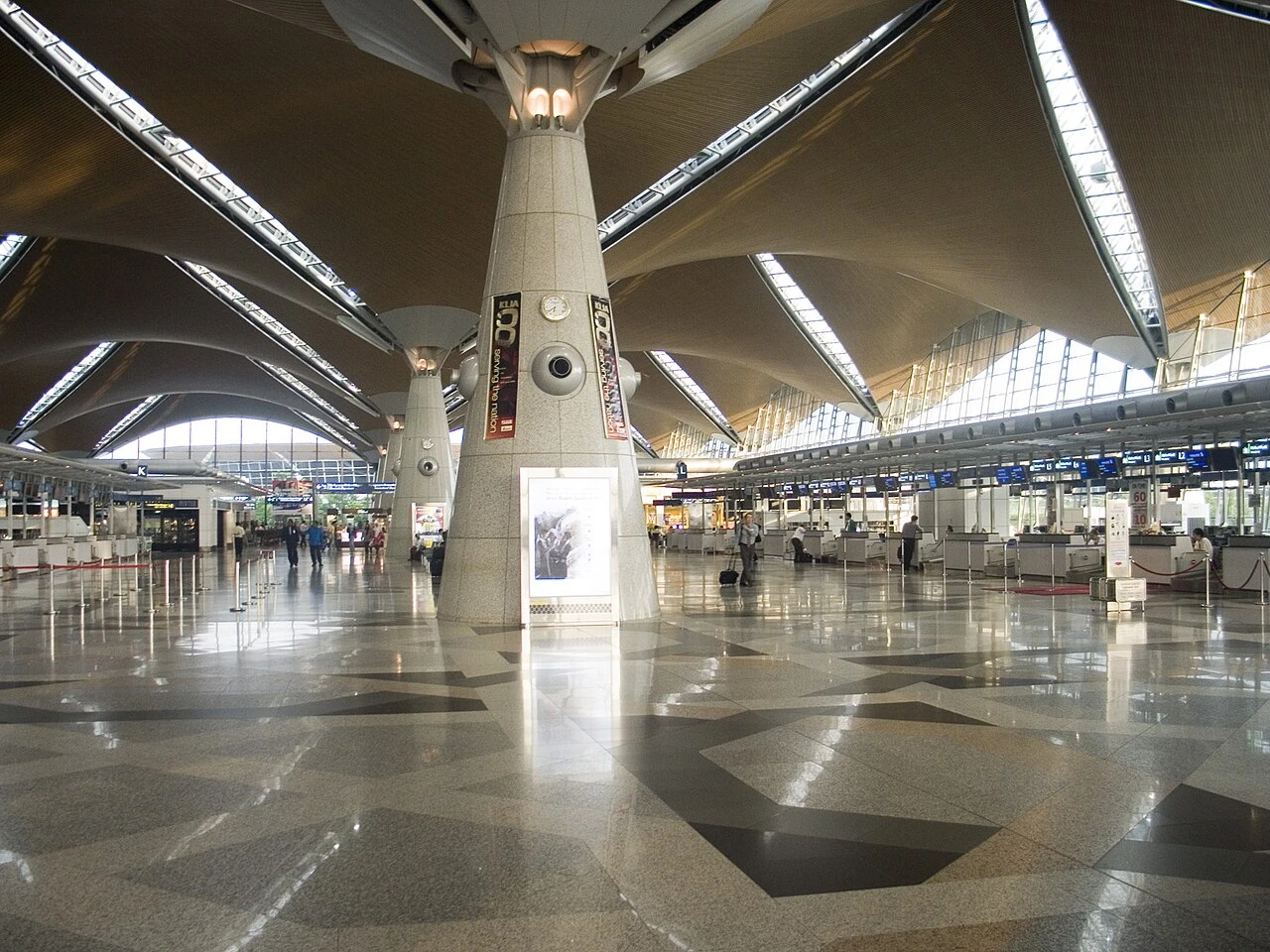
Indonesian customs officers arrested the pilot, identified only by his initials MSO, late on Wednesday at Jakarta’s Soekarno-Hatta International Airport (CGK), shortly after he landed a flight from Kuala Lumpur International Airport (KUL). The 39-year-old Malaysian national had just completed the short-haul route when investigators searched his luggage.
Officers found 14 vacuum-packed bags of ecstasy, totalling more than 70,000 tablets, hidden inside his checked suitcase. A further four grams of methamphetamine, believed intended for personal use, turned up separately in his hand luggage. The scale of the haul immediately marked the case as one of the largest individual smuggling attempts linked to an active flight crew member in the region this year.
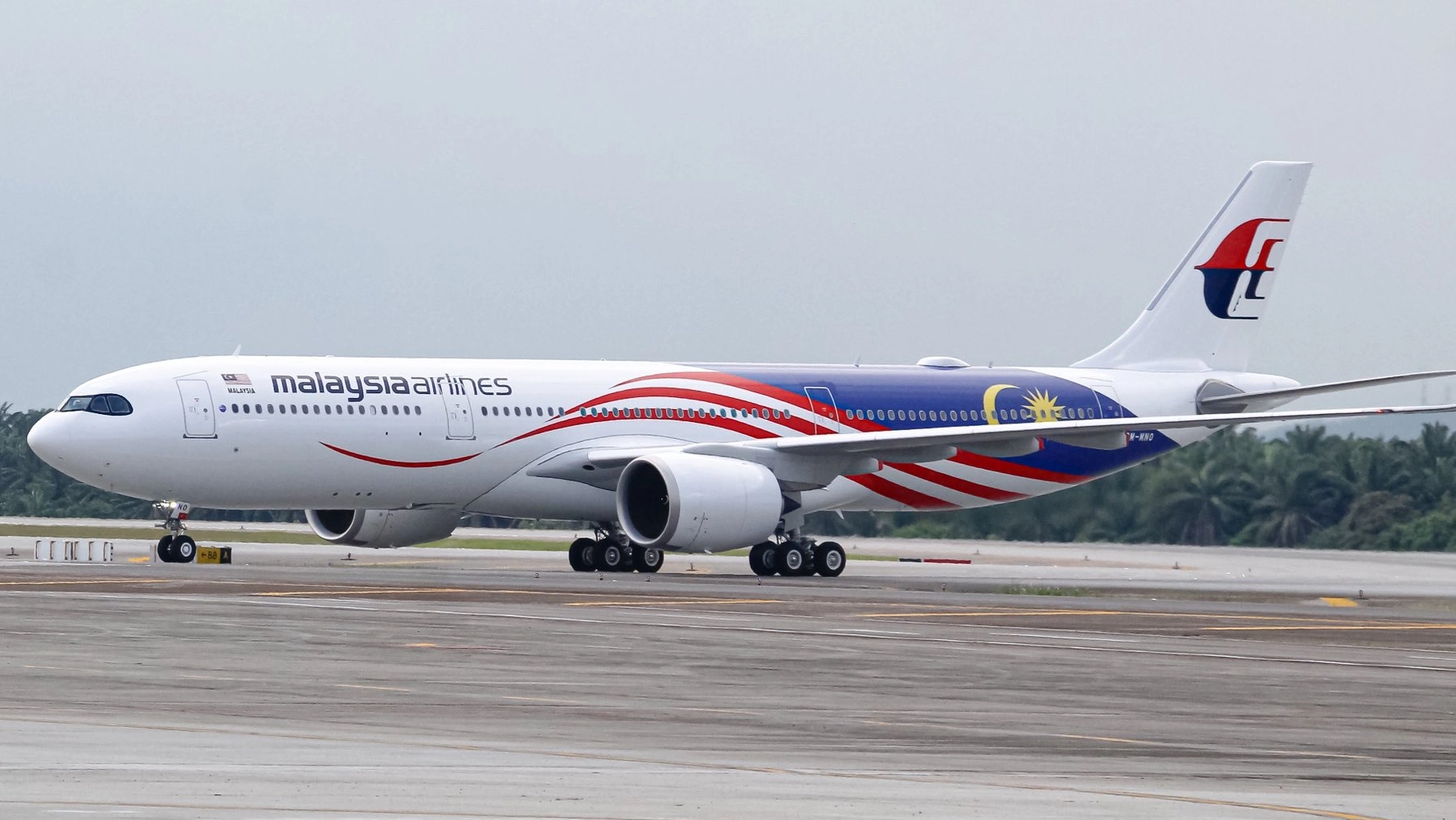
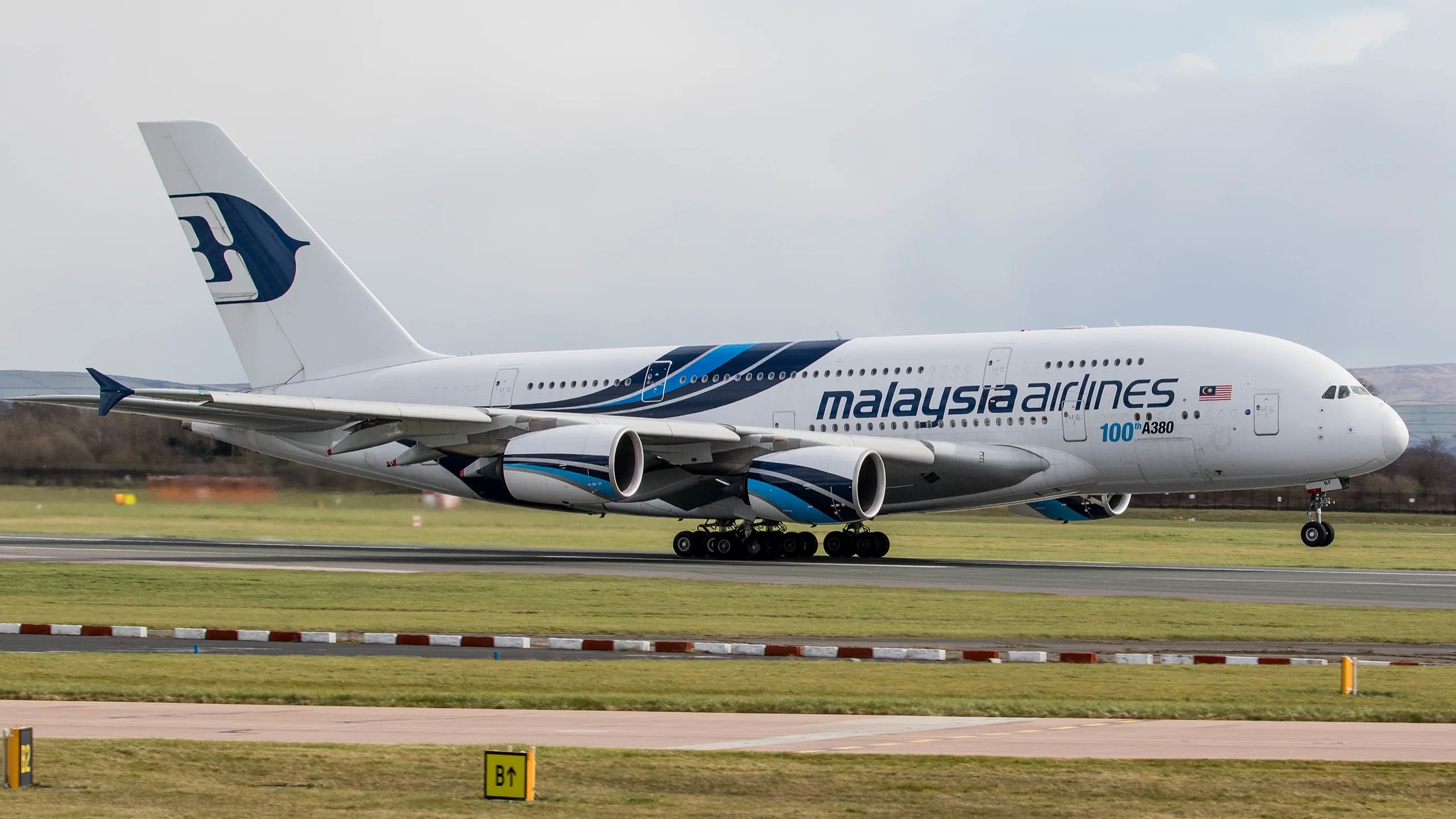
While the airport’s customs office did not initially confirm the carrier, the flight number tied the pilot to a Malaysia Airlines (MH) service from Kuala Lumpur. It was, according to police, the third time the man had attempted to smuggle narcotics, and the second specifically targeting Indonesia.
Drug Test Confirms Pilot Was Flying Under the Influence
What has drawn the sharpest concern from Indonesian authorities is not only the volume of drugs seized, but the fact that the pilot tested positive for methamphetamine, MDMA, and cocaine at the time he was in command of the aircraft. A urine test administered after his arrest returned positive across all three substances.
Hengky Tomuan Parlindungan Aritonang, an official with the Soekarno-Hatta customs office, told reporters the pilot was “at the time he arrived, he had just flown that plane” from Kuala Lumpur while impaired. Officials have not disclosed whether Indonesian or Malaysian aviation regulators plan to review the pilot’s fitness-to-fly records or flight history more broadly.
National police drugs unit officer Awaludin Amin said investigators strongly suspect the pilot is “part of an international syndicate” operating across the two countries. The pilot reportedly told investigators he had been promised roughly 50,000 Malaysian ringgit, just over $12,000, to deliver the narcotics once he reached Jakarta.
Charges Carry the Death Penalty Under Indonesian Law
The pilot has been formally charged under Indonesia’s narcotics law, which permits the death penalty or life imprisonment for convicted traffickers. Despite the severity of the law, Indonesia has observed a de facto moratorium on carrying out drug-related executions for several years. The country last executed prisoners for narcotics offences in 2016, when one Indonesian national and three Nigerian nationals were put to death by firing squad.
The case adds to a steady flow of foreign nationals prosecuted at Indonesian airports on trafficking charges, including a widely reported case earlier this year involving two British nationals accused of smuggling cocaine into Bali.
The pilot’s case is also notable for involving an active flight crew member rather than a passenger or ground-based courier, a distinction Indonesian officials say raises separate concerns about aviation safety oversight. Authorities have not indicated whether the case will prompt a review of pre-flight screening protocols for cockpit crew on routes between Malaysia and Indonesia.

Malaysia Airlines Launches Internal Review
Malaysia Airlines confirmed on Friday that it had opened an internal review following the arrest, stating it was treating the allegations with seriousness while cooperating with the ongoing Indonesian investigation. The carrier has not commented on the pilot’s current employment status or how long he had been flying for the airline.
The airline’s brief statement stopped short of confirming operational details of the flight involved, and the carrier said it would not comment further while the Indonesian legal process continues. No irregularities with the aircraft or the flight’s operation have been reported by either Indonesian or Malaysian authorities.
Aviation’s Recurring Insider Smuggling Problem
Earlier this month, Thai customs officers at Phuket International Airport intercepted a 32-kilogram cannabis shipment carried by two women in a single day, part of a wider surge in cannabis seizures tied to UK-bound smuggling networks operating out of Thailand.
Airport insiders, rather than passengers alone, have increasingly become a focus for investigators. A Toronto Pearson Airport baggage tag-switching scheme uncovered corrupt ground staff swapping luggage tags to route narcotics through unwitting travellers, implicating at least 17 innocent passengers on flights to countries where trafficking carries the death penalty.
What Happens Next in the Case
The pilot remains in Indonesian custody as the case moves through the country’s legal system, with no timeline yet confirmed for formal court proceedings. Investigators have not disclosed whether additional suspects tied to the alleged syndicate have been identified or detained.
Malaysia Airlines’ internal review is ongoing, and the airline has given no indication of when its findings will be made public.
.jpg)


