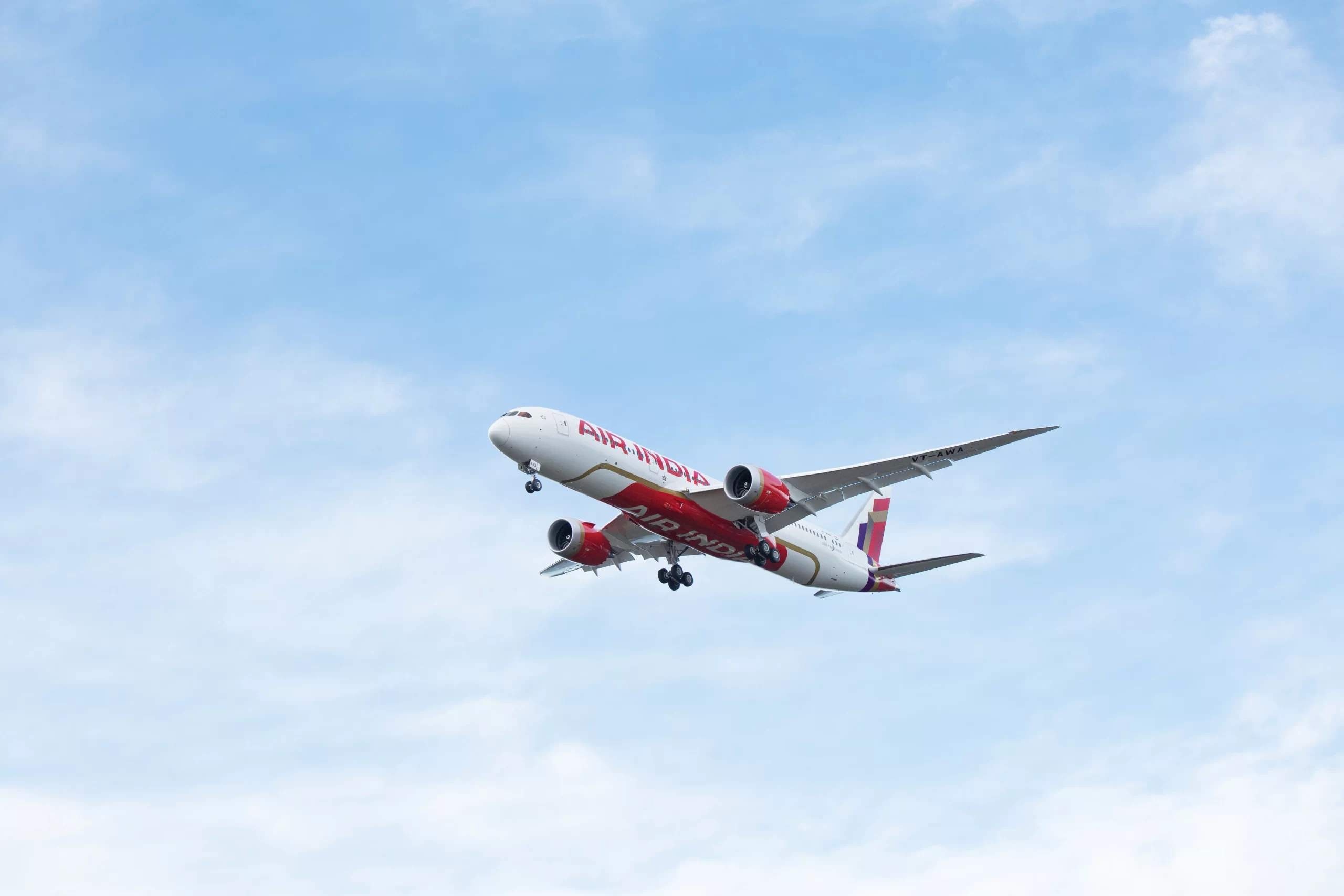
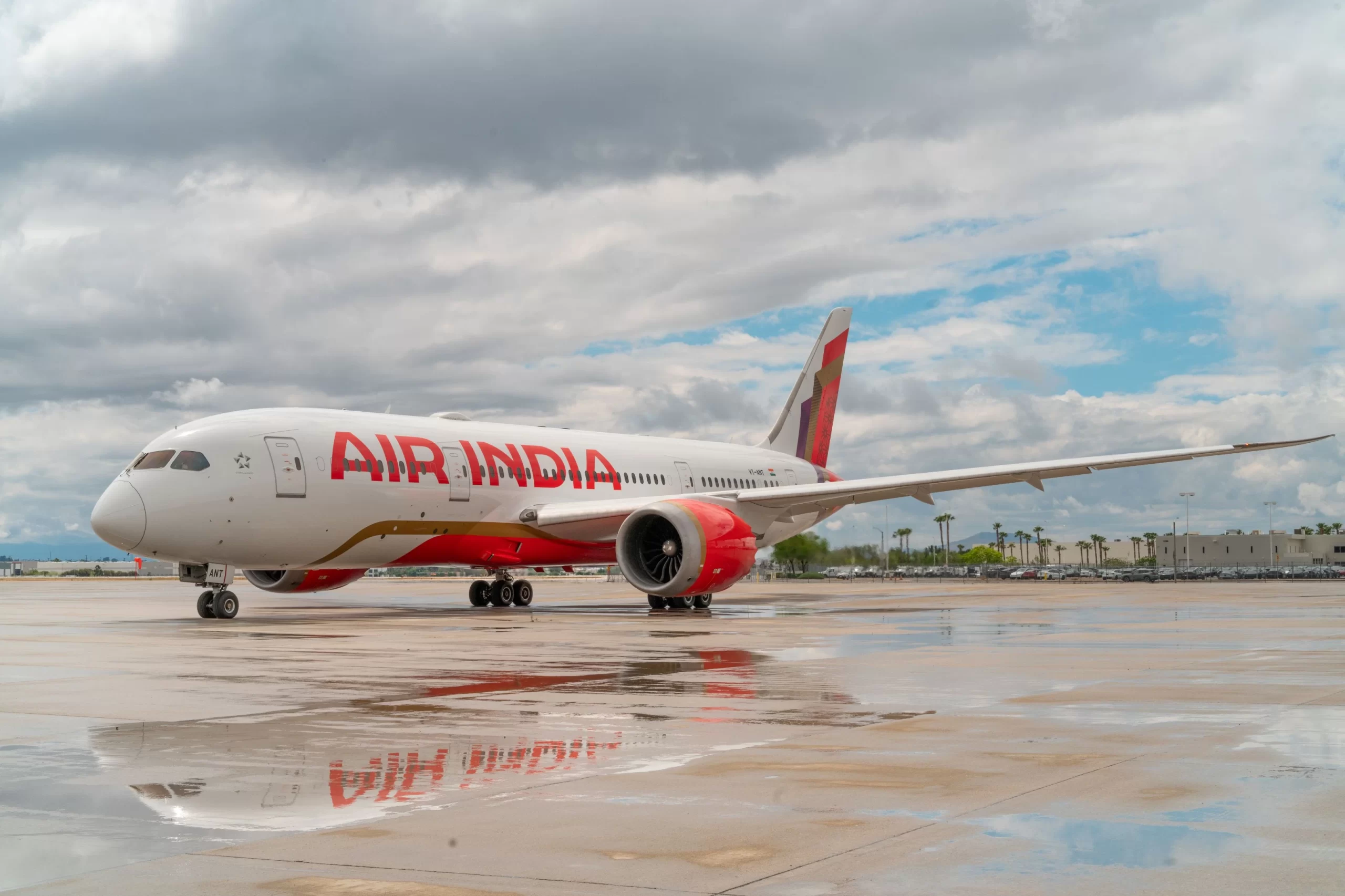
Air India has signed a memorandum of understanding with Japanese eVTOL developer SkyDrive Inc. and automaker Suzuki Motor Corporation to study whether flying cars can move organs, blood and emergency medical supplies across Indian cities. The three companies announced the deal on July 31, 2026, according to a report by DRONELIFE. The study targets severe traffic congestion in cities such as Mumbai, Bengaluru and Delhi, where road delays routinely stretch the transit windows for time-critical medical cargo.
Air India (AI) will supply airport infrastructure knowledge and stakeholder relationships. SkyDrive will bring its electric vertical take-off and landing (eVTOL) technology, and Suzuki will contribute its manufacturing base and deep understanding of the Indian market. The feasibility study has no confirmed launch date or route map yet.
Why India’s Traffic Congestion Makes Evtols a Practical Fix
India’s largest metropolitan hubs lose hours each day to gridlock, and that congestion has a direct medical cost. Delayed transport can shorten the usable window for donor organs and slow the arrival of blood, vaccines and emergency equipment to hospitals. eVTOL aircraft take off and land vertically like helicopters, but they run on electric power and produce a smaller noise footprint. That combination lets them skip clogged arterial roads and move cargo point to point.
Ramesh Mamidala, Air India’s head of cargo, framed the plan as a fit for India’s growth. “India is today one of the world’s largest and fastest-growing aviation markets, and we see advanced air mobility as a natural extension of the country’s transport ecosystem,” he said in the companies’ joint statement. He added that Air India will contribute “operational expertise, airport infrastructure knowledge, and stakeholder relationships to help evaluate and develop a framework for safe, reliable, and scalable eVTOL operations.”
What SkyDrive Brings to the Feasibility Study
SkyDrive is a Toyota City-based company that has flown crewed eVTOL prototypes since 2019. Its production aircraft, the SD-05, uses a multicopter layout rather than the tilt-rotor designs favored by rivals such as Joby Aviation and Archer Aviation. The simpler architecture is designed to cut mechanical complexity and add redundancy if a motor fails mid-flight.
Publicly disclosed specifications for the SD-05 include:
- Seating for one pilot and two passengers, or an equivalent cargo load
- Twelve independent electric motors and rotors for lift and stability
- A maximum takeoff weight of about 1,400 kilograms
- A cruising speed of roughly 100 kilometers per hour
- A current range near 15 kilometers per charge, with SkyDrive targeting 30 to 40 kilometers as battery technology improves
SkyDrive founder and chief executive Tomohiro Fukuzawa linked the India study to the company’s founding mission. “We are incredibly proud to partner with Air India and Suzuki to take a step toward medical logistics — a sector where every second counts and lives can be saved,” he said. “In India, where chronic congestion is a pressing issue, utilizing eVTOLs for advanced medical logistics … will reshape medical infrastructure.”
Suzuki’s role centers on manufacturing scale and market knowledge rather than aircraft design. The automaker already builds SkyDrive’s SD-05 airframes at a plant it owns in Japan, and Masao Fujitani, the company’s executive general manager for next-generation business development, said the aircraft reflects Suzuki’s philosophy of building mobility that is “smaller, fewer, lighter, shorter, and neater.” He said the goal is infrastructure mobility that stays close to people’s daily lives.
SkyDrive’s Wider Push Beyond Japan
The India MoU is one of several SkyDrive has signed with airlines this year as it looks past its home market. The company has separately partnered with Bangkok Airways, Saha Pathana Inter-Holding and Saha Tokyu to explore eVTOL routes in Thailand, and it is preparing eVTOL medevac trials in Taiwan alongside the Industrial Technology Research Institute.
SkyDrive is targeting commercial certification and launch of the SD-05 in Japan around 2028, pending approval from Japan’s Civil Aviation Bureau and the US Federal Aviation Administration. For Suzuki, the tie-up extends a manufacturing relationship that began when SkyDrive started building the SD-05 at a Suzuki-owned plant in March 2024.
Open Questions Before Any Flights Begin
The MoU sets no fixed timeline for when, or whether, eVTOL medical flights will begin operating in India. Several practical hurdles remain before the study can move to trial flights:
- India’s aviation regulator has not yet published a certification framework specific to eVTOL aircraft
- Vertiport infrastructure, the small landing pads eVTOLs need, does not currently exist in Indian cities
- The SD-05’s present 15-kilometer range limits it to short hops rather than long cross-city routes
- Battery charging turnaround times will need to support multiple flights per day to be cost-effective for hospitals
None of the three partners has given a projected date for a pilot program in India. The companies said the feasibility study itself, rather than flight trials, is the immediate next step.
