Qantas Airways (QF) will launch the world’s first non-stop commercial flights between Sydney Kingsford Smith Airport (SYD) and London Heathrow Airport (LHR) in October 2027. The announcement, made on June 17, 2026, positions the Sydney–London route as the longest scheduled commercial flight in aviation history, with a flight time of up to 22 hours covering approximately 17,015 kilometres. The service forms the centrepiece of the airline’s “Project Sunrise” programme, which aims to connect Australia’s east coast directly with major global cities.
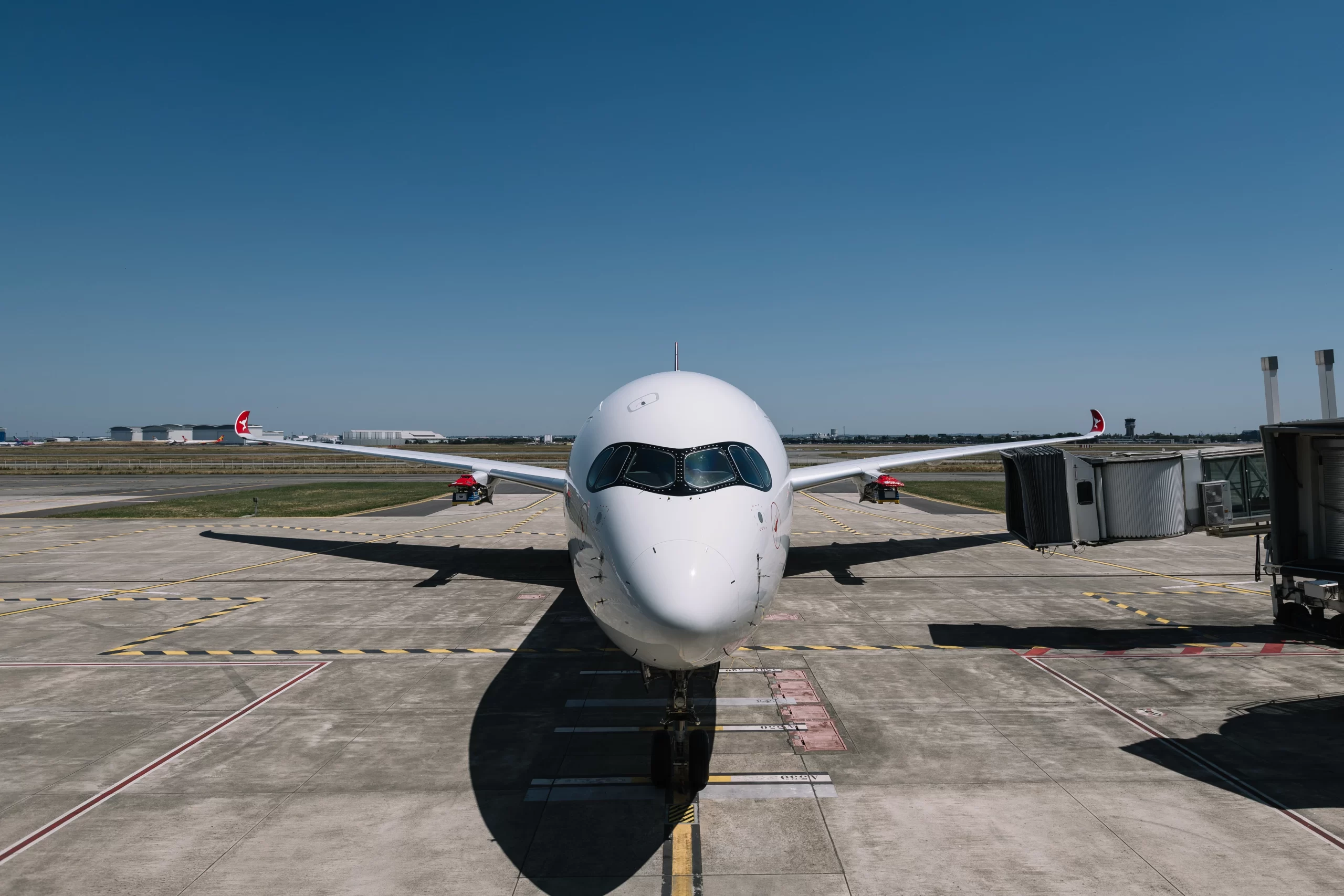
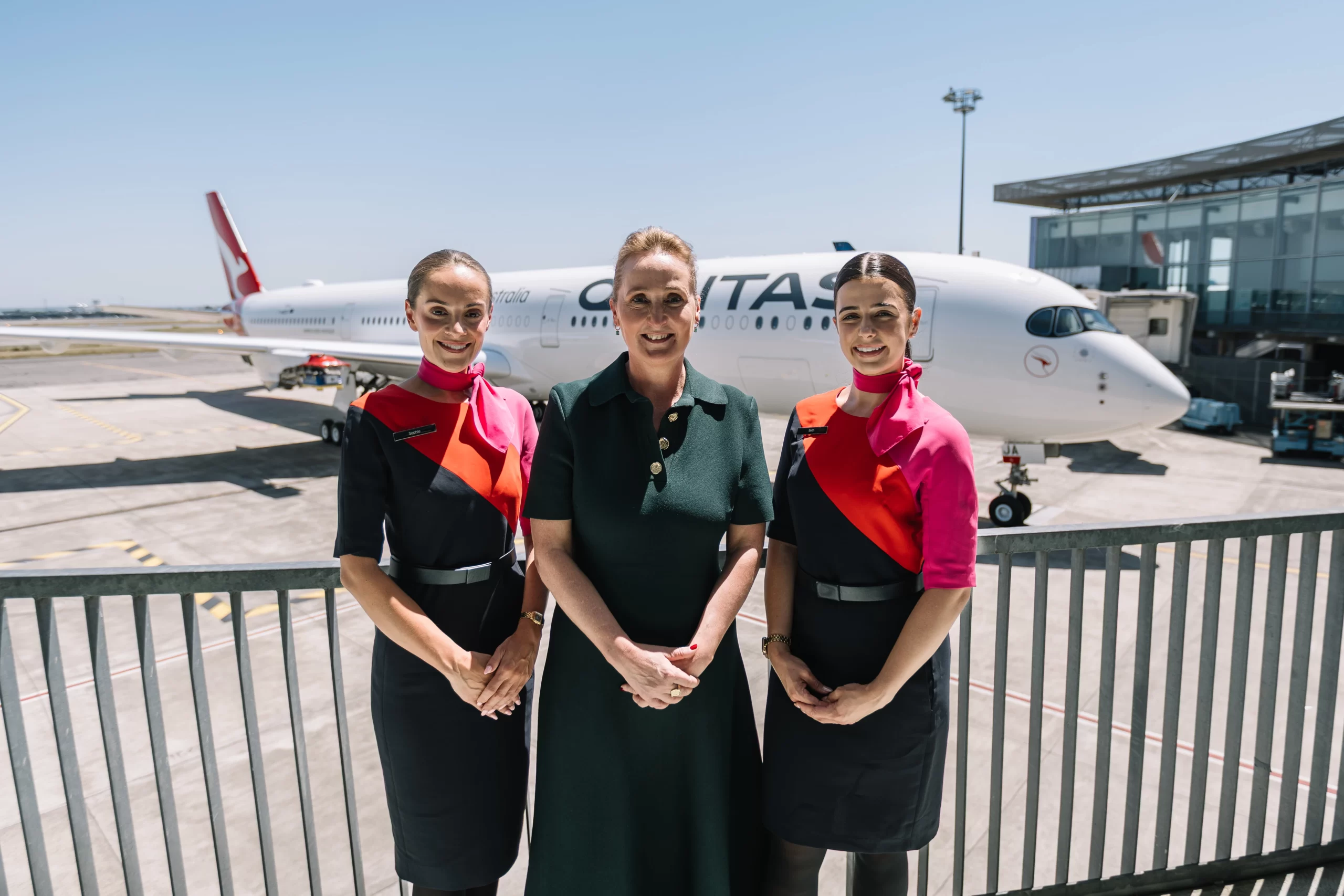
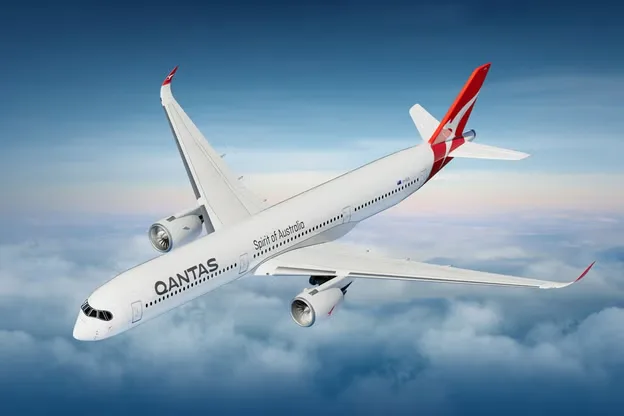
The Australian flag carrier unveiled its first Airbus A350-1000ULR (Ultra Long Range) aircraft in full Qantas livery at Airbus’ manufacturing facility in Toulouse-Blagnac Airport (TLS), France. The aircraft — the only type capable of sustaining ultra-long-haul flights of this range — was purpose-built for Qantas and features a specially modified fuel system. Tickets for the Sydney–London service will go on sale in February 2027, with Sydney–New York John F. Kennedy International Airport (JFK) confirmed as the next destination to follow later in the same year.
Qantas Confirms London as the First Project Sunrise Route
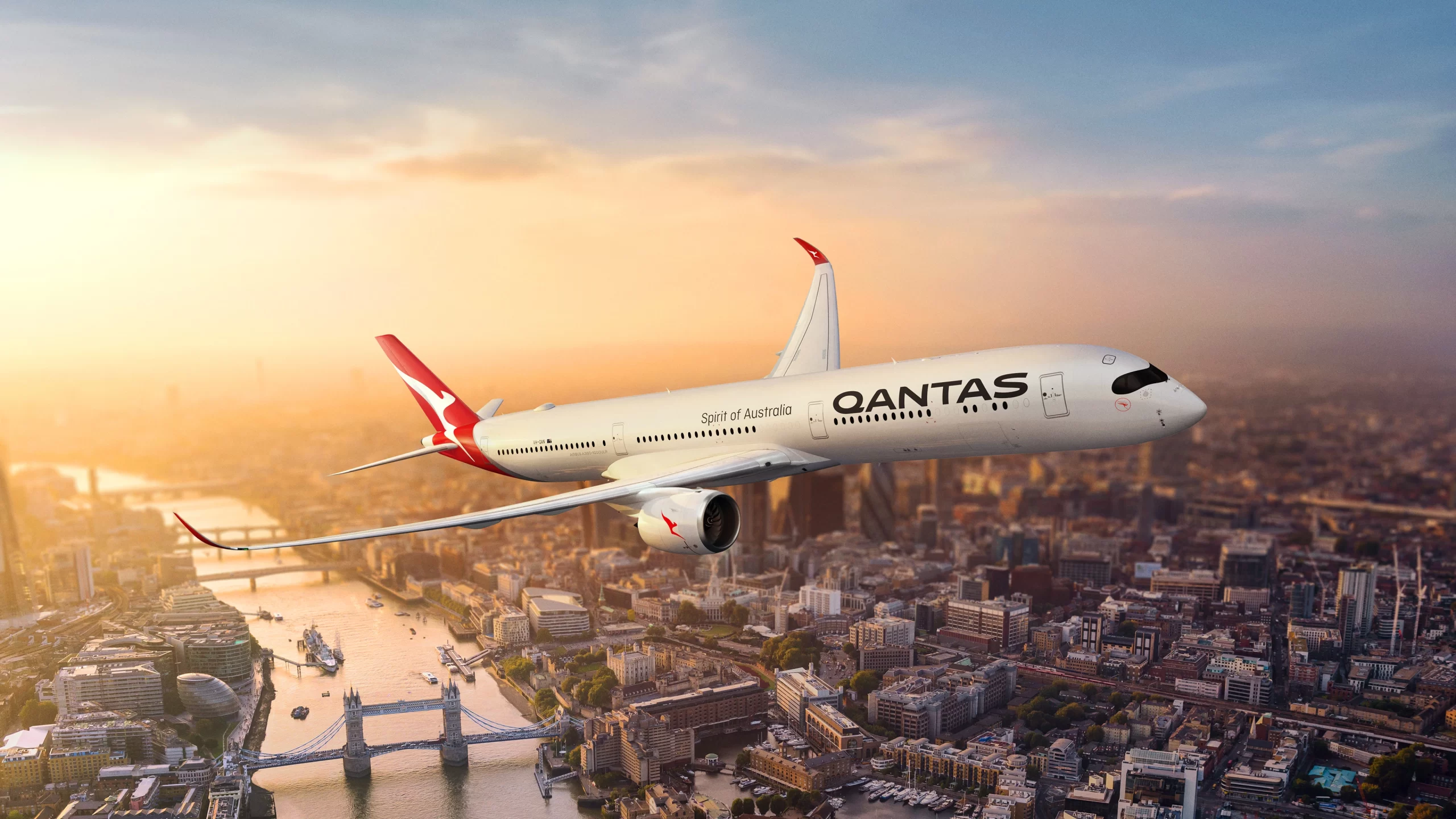
Qantas announced the launch of the world’s first non-stop service between Sydney and London in October 2027, fulfilling a core objective of its “Project Sunrise.” The roughly 20-hour daily flight will use custom-ordered Airbus A350-1000ULR aircraft, designed for ultra-long-haul travel and equipped to help mitigate jetlag.
The route will immediately become the world’s longest scheduled commercial flight, at up to 22 hours. At a distance of 10,573 miles (17,015 km), the Sydney–London flight will leapfrog Singapore Airlines’ Singapore Changi Airport (SIN) to Newark Liberty International Airport (EWR) non-stop service, which is blocked at almost 19 hours.
Qantas Group CEO Vanessa Hudson revealed the record-breaking non-stop route will begin in time for the IATA 2027–2028 Winter Season. Hudson stated that Sydney–New York will launch towards the end of 2027, with a confirmed date to be announced early next year.
Qantas Group CEO Vanessa Hudson placed the development in the context of the airline’s long history on the Kangaroo Route. When Qantas first operated the Australia–UK journey in 1947, the route required seven stops, with successive generations of aircraft gradually reducing the number of refuelling and operational breaks.
Project Sunrise is expected to remove the final stop, allowing passengers to travel between Australia and the UK on a nonstop service. Hudson said this could cut as much as four hours from the overall journey compared with a one-stop itinerary.
The Airbus A350-1000 aircraft being developed for Project Sunrise has also been specifically designed around the demands of ultra-long-haul travel. Its cabin incorporates features intended to help passengers manage the effects of long flights and jet lag, while the onboard environment has been developed specifically for journeys lasting well beyond conventional long-haul sectors.
The Kangaroo Route: From Four Days To 22 Hours
Qantas has flown from Sydney to London since 1947. In its early years, the flight gained the nickname ‘The Kangaroo Route’ due to the large number of stopovers, or hops, needed to fly between Australia and the UK.
When the original Kangaroo Route launched, it took four days with seven stops in Darwin, Singapore, Calcutta, Karachi, Cairo, Castel Benito, and Rome on the way to the UK. Each stop reflected the range limitations of aircraft of the era.
The name “Project Sunrise” carries historical significance. During the Second World War, after the fall of Singapore, Qantas operated Catalina flying boats from Western Australia to Sri Lanka to connect with onward flights to London. Those non-stop flights, carrying just three passengers and 70 kg of essential mail, lasted 33 hours — during which passengers and crew saw the sun rise twice.
Non-stop flights from Perth International Airport (PER) to London Heathrow commenced in March 2018 with Boeing 787s, making the Kangaroo Route a non-stop route for the first time and connecting Australia and Europe via a non-stop route for the very first time. The October 2027 Sydney–London service now extends that milestone further, bringing non-stop service to Australia’s most populated city.
What Government and Industry Leaders Said
The announcement drew responses from senior officials in both Australia and the United Kingdom.
Australian Trade and Tourism Minister Senator Don Farrell welcomed Qantas’ Project Sunrise plans, describing the new London service as an important development for both aviation and tourism. He noted that millions of people travel between Australia and the UK each year for family visits, holidays and business, with the new service expected to make those journeys faster and more convenient from 2027.
The UK government also viewed Qantas’ decision as a strong endorsement of London’s position as a global tourism and business hub. It said the project could create additional opportunities for businesses, tourism operators and travellers while further strengthening the longstanding relationship between Australia and the UK.
The announcement also attracted significant international aviation attention. CNN aviation correspondent Richard Quest reported on the development from Toulouse, highlighting Project Sunrise as an important moment for the commercial aviation industry and Qantas’ ambitions for ultra-long-haul travel.
Delays And the Road to October 2027
Project Sunrise has not followed a straight line from announcement to launch. In 2019, Qantas announced Project Sunrise, originally targeting 2025 for launch. Between 2020 and 2022, the COVID-19 pandemic disrupted travel, manufacturing, and global supply chains.
The October 2027 launch date represents an approximately six-month delay from the timeline Qantas pointed to last November. Delivery delays from Airbus, driven in part by seat manufacturing bottlenecks, have repeatedly shifted the schedule.
At a panel discussion in Toulouse hosted by CNN’s Richard Quest, Benoit de Saint-Exupery, Executive Vice President Sales of the Airbus Commercial Aircraft business, was asked directly about the cause of delays. As reported by Point Hacks:
“What is it [causing the delay?] Is it the ovens, the seats?” Quest asked.
“Unfortunately, it’s all of the above. It’s mainly the seats… with premiumisation comes complexity. The seat situation is definitely the bottleneck for us,” de Saint-Exupery replied.
Qantas says the success of its Boeing 787-9 routes, including its one-stop from Sydney to London via Singapore, “continues to show Project Sunrise’s potential.” Qantas International division achieved a 20 percent improvement in underlying EBIT to A$903 million during FY2025.