Lufthansa Group has confirmed a €3 billion investment to upgrade its India-bound fleet with new-generation seating and cabin technology, the airline said at a media briefing in New Delhi, The Hindu reported. The announcement came alongside the German National Tourist Office (GNTO) India’s unveiling of its four campaign themes for 2026: culture, city life, cuisine and nature. Kevin Markette, Senior Director, Sales, South Asia for Lufthansa Group, delivered the update as the airline marks its 100th year of operations.
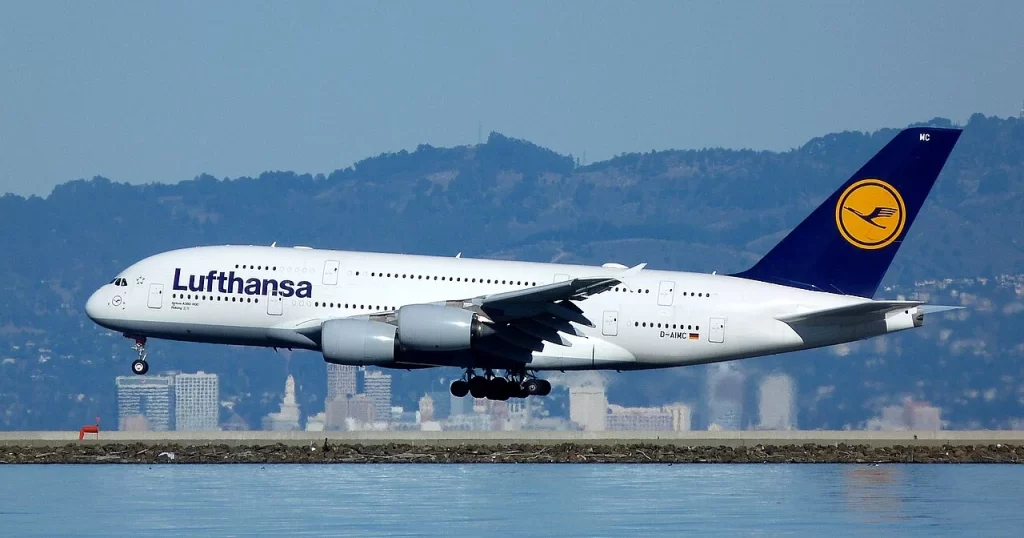
The centrepiece of the India push is a capacity upgrade on the Mumbai-Munich route, where Lufthansa (LH) will deploy an Airbus A380 in place of its current aircraft, doubling seat count on the route.
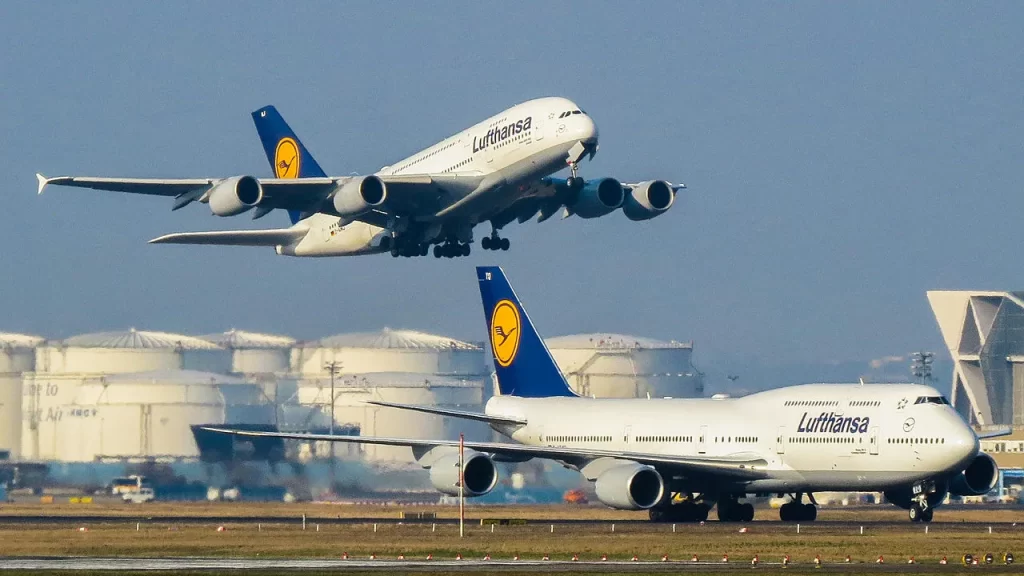
Lufthansa Commits €3 Billion to New-Generation Seats and Cabin Technology
Markette said Lufthansa’s immediate priority was stabilising its newest aircraft types in the Indian market, calling the India-bound investment “one of the clearest demonstrations of Lufthansa’s commitment to India.” He added that the airline is bringing its newest technology and product to the market as part of the spend. Fuel efficiency remained a stated priority, he said, as sustainability concerns increasingly shape airline investment decisions across the industry.
The €3 billion figure covers seating and cabin upgrades across Lufthansa’s India-facing widebody fleet rather than a single aircraft type or route. It lands in the same year Lufthansa Group has guided investors toward roughly €2.9 billion in group-wide capital expenditure for 2026, the peak year of its current delivery cycle, according to a Lufthansa investor presentation reported by MarketBeat. India sits alongside South America and Africa as one of the regions the group has flagged for the strongest intercontinental capacity growth this year.
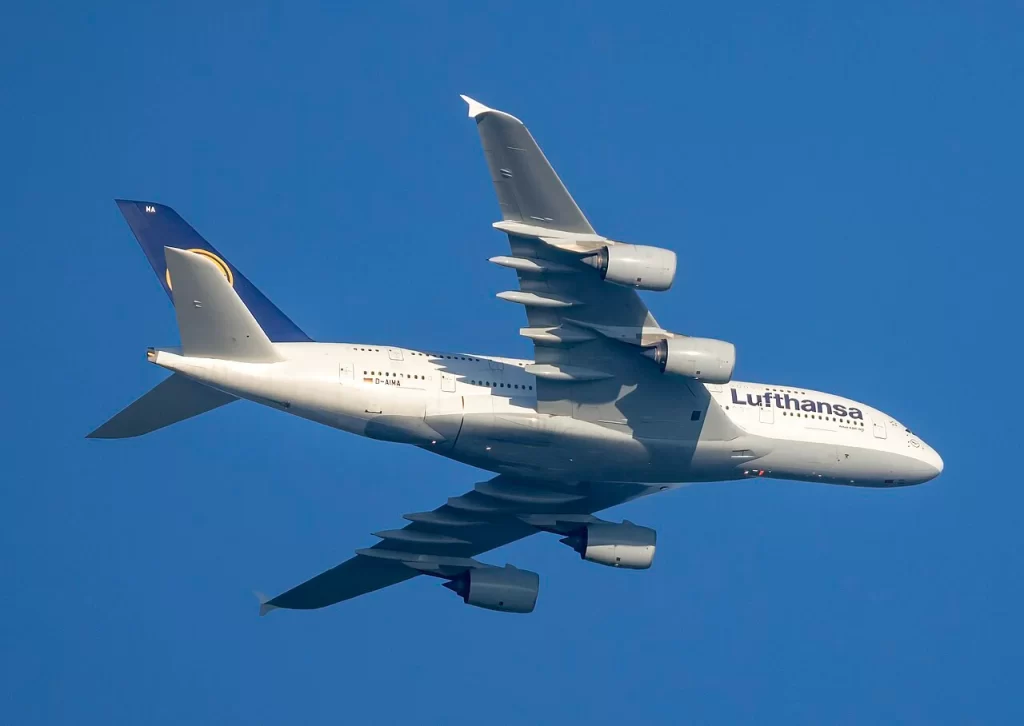
Mumbai-Munich Route Gets an Airbus A380 Upgrade
Markette said the Mumbai-Munich upgrade would “effectively double” capacity on the route, with the aircraft seating 571 passengers. Lufthansa’s A380 fleet operates exclusively from Munich Airport (MUC), and the carrier began daily A380 service to Chhatrapati Shivaji Maharaj International Airport (BOM), Mumbai, on 6 July, complementing its existing year-round A380 flights to Indira Gandhi International Airport (DEL), Delhi.
Lufthansa’s published A380 configuration has typically run to 509 seats on unretrofitted aircraft and 499 on the newer cabin standard, so the 571-seat figure cited at the briefing reflects the carrier’s own account of the upgraded Mumbai deployment. The retrofitted cabin includes:
- A 1-2-1 business class layout with direct aisle access, replacing the older 2-2-2 arrangement
- Eight first class suites on the upper deck
- A rear upper-deck economy cabin with its own dedicated flight attendant and lavatory
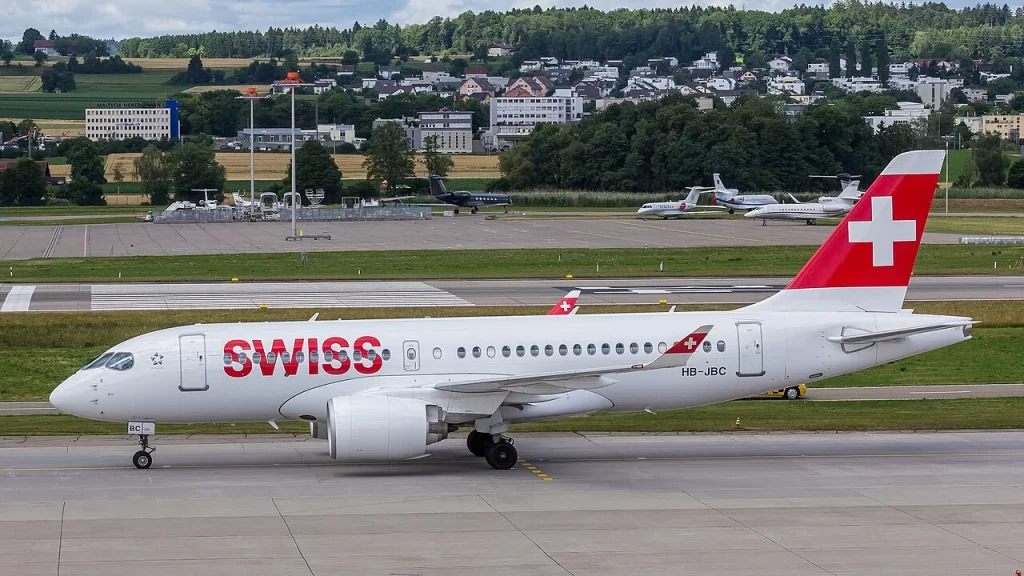
SWISS Adds Zurich-Bengaluru as Lufthansa Group’s Newest India Route
Alongside the Mumbai upgrade, SWISS will begin flying Zurich to Kempegowda International Airport (BLR), Bengaluru, five times weekly from the winter 2026/27 schedule. It is SWISS’s first-ever service to the city and its third India destination after Mumbai and Delhi. Girish Nair, Chief Operating Officer of Bangalore International Airport Limited, called the route “a strong validation of the market maturity and long-term potential that Bengaluru continues to demonstrate,” according to the airline’s own newsroom statement.
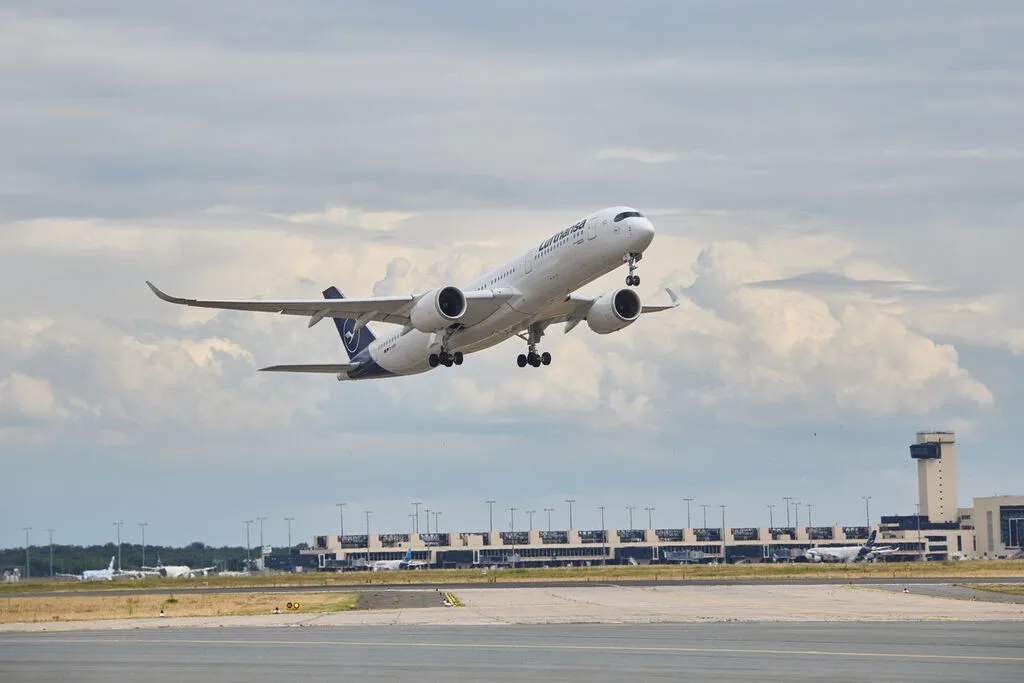
The route targets Bengaluru’s technology and business travel base directly, rather than routing that traffic through Delhi or Mumbai first. It will use an Airbus A330-300 and extends Lufthansa Group’s combined India schedule past 70 weekly flights for winter 2026, per the group’s own figures.
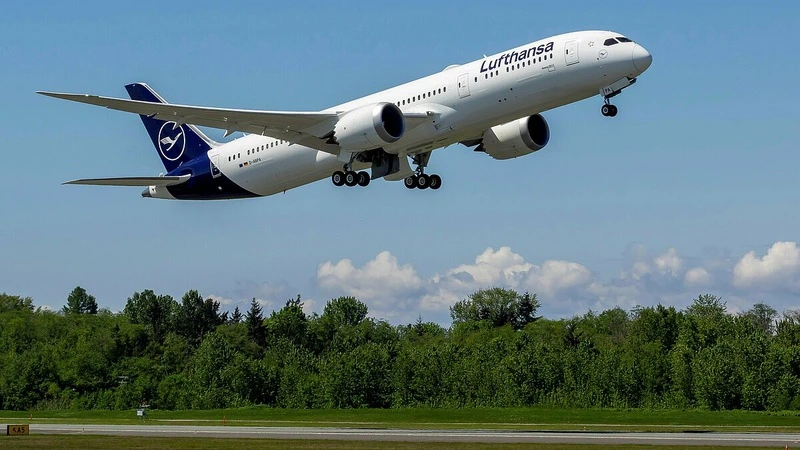
GNTO’s 2026 Campaign Leans on Culture, Cities, Cuisine and Nature
GNTO’s four campaign pillars for 2026 lean heavily on the 150th anniversary of the Bayreuth Festival, the Wagner opera event that draws visitors into Germany’s classical music heritage, alongside an expanding calendar of exhibitions in Berlin. Romit Theophilus, GNTO India’s Director, said Indian travellers were increasingly “going deeper into a region” rather than passing through, a shift he said the entire 2026 strategy is built around.
That shift toward longer, more immersive trips dovetails with Lufthansa’s own connectivity push. A tourist office pursuing culture, city breaks, food tourism and nature travel needs reliable point-to-point capacity to convert interest into bookings, and Lufthansa Group’s expanded India schedule is the mechanism GNTO is counting on to deliver those visitors.
A Contrast with Lufthansa’s Caution Elsewhere in Its Network
The scale of Lufthansa’s India commitment stands out against the airline’s more guarded posture in other parts of its network this year. Lufthansa Group only agreed to restart flights to Tel Aviv in phases from July, months after grounding the route over regional conflict risk, and it kept Abu Dhabi, Amman, Beirut, Riyadh and several other Middle East destinations suspended well into the second half of 2026. The airline has applied a similarly cautious, staged approach to capacity restoration wherever geopolitical risk remains elevated.
What This Means for Indian Travellers
Mumbai travellers gain access to a larger, better-appointed aircraft on the Munich sector, while Bengaluru gets its first direct European service to Switzerland. Both moves also feed into a broader pattern already visible in India’s own aviation planning, where the government is building out a 44-airport hub-and-spoke network anchored on Delhi, designed to route more long-haul connecting traffic through Indian hubs rather than overseas ones such as Dubai, Doha or Singapore.
Indian carriers are pursuing their own version of the same fleet-renewal logic. Air India, for instance, has restored nonstop Delhi-Toronto service with a new Boeing 787-9 carrying Premium Economy for the first time on that city pair, cutting close to three hours off the journey.


.jpg)


