The Lufthansa Group announced on 13 May 2026 that it will gradually restore passenger and cargo services to Ben Gurion International Airport (TLV), Tel Aviv, Israel — flights that have remained suspended since the group grounded its Israel operations on 28 February 2026, following joint United States and Israeli military strikes on Iran that triggered widespread airspace closures across the Middle East.
The group stated that the decision follows a comprehensive safety and security assessment, with Austrian Airlines (OS) set to be the first carrier to restart operations, effective 1 June 2026. Lufthansa (LH) itself and Swiss International Air Lines (LX) plan to resume their own flights on 1 July, with leisure unit Eurowings (EW) expected to return to TLV in mid-July.
The decision coincides with a concurrent announcement from Hungarian low-cost carrier Wizz Air (W6), which confirmed it will restart flights to TLV from 28 May 2026 — becoming the first major European carrier to physically return to Ben Gurion Airport (TLV) since the suspension began.
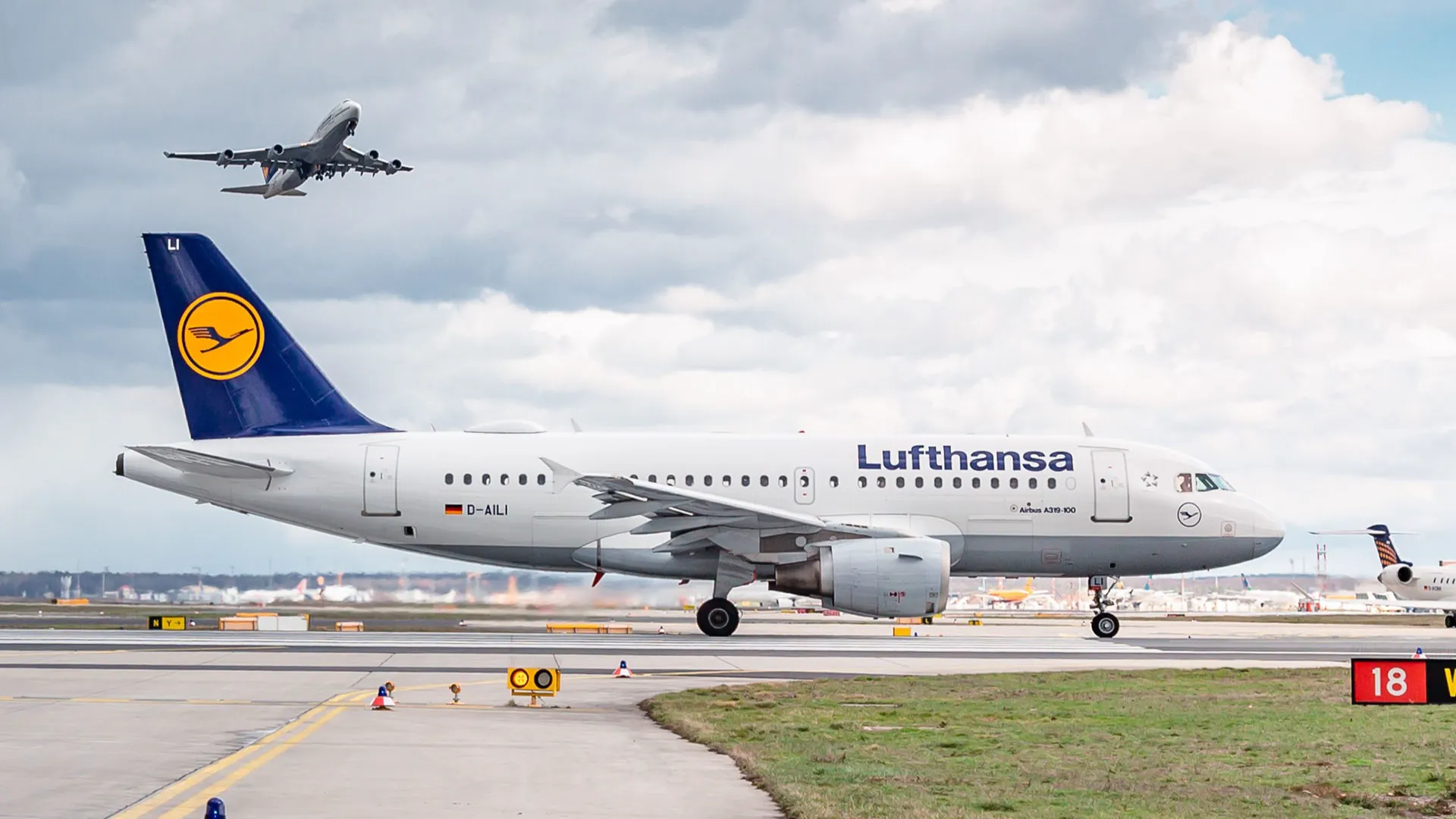
Schedule of All Carriers Across the Lufthansa Group
The Lufthansa Group’s return to Tel Aviv is deliberately sequenced, with each sub-brand assigned a distinct restart date reflecting both operational readiness and a graduated approach to reintroducing risk into the network. The official schedule, as confirmed on Lufthansa’s own Current Information page, is as follows:
| Airline | Planned Tel Aviv Operations Resumption | Notes |
|---|---|---|
| Austrian Airlines | 1 June 2026 | First Lufthansa Group carrier scheduled to resume Tel Aviv flights |
| SWISS | 1 July 2026 (planned) | Resumption subject to operational conditions |
| Lufthansa | 1 July 2026 (planned) | Flights expected to restart alongside SWISS |
| Brussels Airlines | Operations suspended until 24 October 2026 | No earlier restart date announced |
Separately, Lufthansa and Swiss will continue to suspend flights to and from Dubai International Airport (DXB) for operational reasons until and including 13 September 2026, with affected passengers being contacted directly and offered flexible rebooking options or a full refund. The following table gives us a cue of other airlines’ flight suspensions:
| Destination | Flights Suspended Through | Affected Airlines |
|---|---|---|
| Abu Dhabi | 24 October 2026 | Lufthansa, SWISS, Austrian Airlines, Brussels Airlines |
| Amman | 24 October 2026 | Lufthansa, SWISS, Austrian Airlines, Brussels Airlines |
| Beirut | 24 October 2026 | Lufthansa, SWISS, Austrian Airlines, Brussels Airlines |
| Dammam | 24 October 2026 | Lufthansa, SWISS, Austrian Airlines, Brussels Airlines |
| Riyadh | 24 October 2026 | Lufthansa, SWISS, Austrian Airlines, Brussels Airlines |
| Erbil | 24 October 2026 | Lufthansa, SWISS, Austrian Airlines, Brussels Airlines |
| Muscat | 24 October 2026 | Lufthansa, SWISS, Austrian Airlines, Brussels Airlines |
| Tehran | 24 October 2026 | Lufthansa, SWISS, Austrian Airlines, Brussels Airlines |

EASA’s Softened Advisory Paved the way for Lufthansa’s Return
The Lufthansa Group’s announcement on 13 May came directly on the heels of a pivotal regulatory update. European Union Aviation Safety Agency (EASA) extended its Conflict Zone Information Bulletin (CZIB) for airspace across the Middle East and Persian Gulf covering Iran, Iraq, Lebanon, Israel, Jordan, Bahrain, Kuwait, Qatar, Oman, the UAE, and Saudi Arabia until 27 May 2026. What distinguished this update, however, was the agency’s markedly altered posture toward Israeli airspace specifically.
While previous EASA communications had urged airlines to completely avoid the region, the revised bulletin shifts toward a strategy of heightened vigilance. Carriers are now advised to exercise caution and take potential risks into account when operating within the airspace of Bahrain, Kuwait, Israel, Jordan, Qatar, Oman, the UAE, and Saudi Arabia.
EASA still maintains an outright prohibition on operations within Iranian, Iraqi, and Lebanese airspace at all altitudes. In its latest assessment, the agency acknowledged the reduction in conflict intensity but issued an explicit caveat, warning:
“While the overall level of risk has decreased in the region, the sustainability of the ceasefire remains uncertain in the longer term, with a possibility of rapid escalation. Therefore, close monitoring and up-to-date risk assessments remain essential to ensure safety of flights. Should the existing truce break down, the airspaces covered by this Bulletin are likely to be exposed to imminent threats.”
FlightGlobal reports that Lufthansa cited the decision to resume routes as following a comprehensive safety and security assessment, while Wizz Air indicated its move follows the latest update from EASA as well as the carrier’s ongoing coordination with international and local authorities. Crucially, both announcements came within 24 hours of EASA’s latest bulletin.

A Fragmented European and North American Return to Tel Aviv
The landscape of airline resumptions at Ben Gurion Airport remains strikingly uneven, illuminating the divergent risk appetites across international carriers. Airlines that have already resumed operations at Ben Gurion Airport include Cyprus Airways, Blue Bird Airways, Sky Express, Tus Airways, Etihad Airways (EY), flydubai (FZ), Ethiopian Airlines, Red Wings, Aegean Airlines (A3), Smartwings, Azerbaijan Airlines, Georgian Airways, Tarom, FlyOne, SkyUp, and Air Seychelles.
Among carriers that have not yet returned, the picture is considerably more cautious: