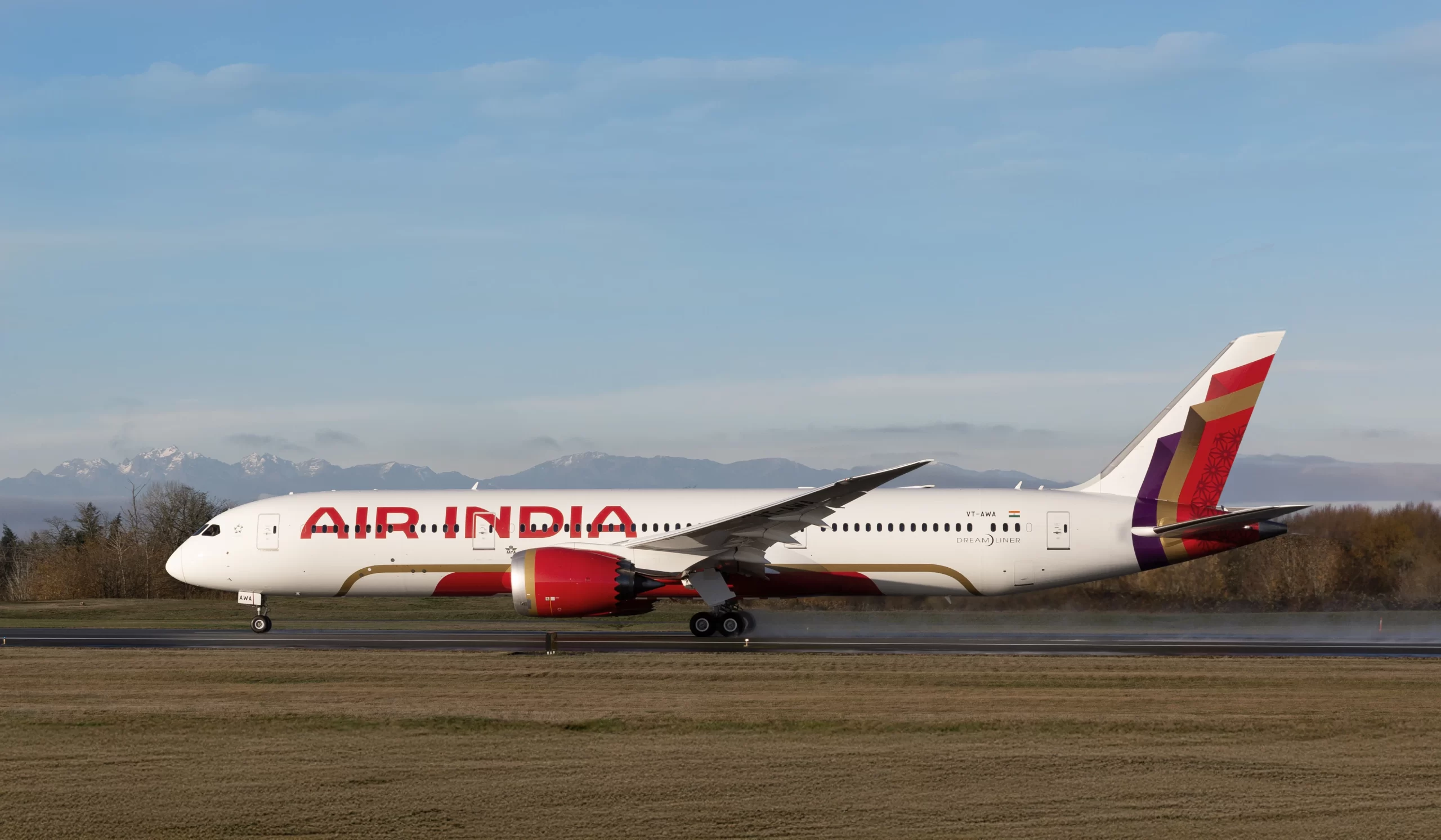
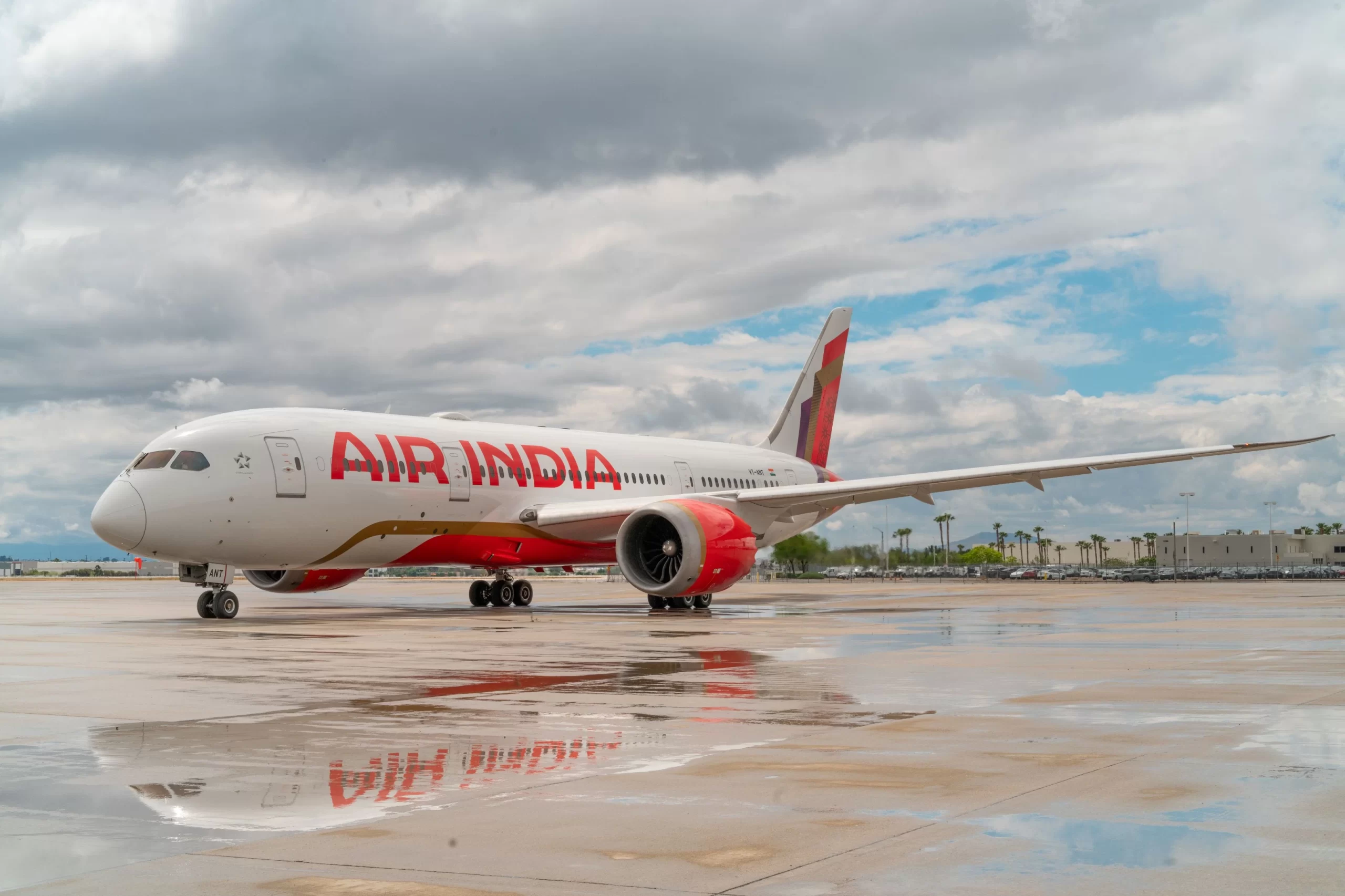
Air India (AI) will operate non-stop flights between Delhi and Toronto from 1 August 2026, replacing its current one-stop routing through Vienna. The airline confirmed the change on 22 July 2026, tying the schedule shift to the arrival of its newest Boeing 787-9 Dreamliner on the route. The aircraft carries all-new cabin interiors designed specifically for Air India.
The move affects travellers flying between Indira Gandhi International Airport (DEL), Delhi and Toronto Pearson International Airport (YYZ). Air India said the change happened because its new B787-9 has the range to skip the technical refuelling halt, subject to available airspace. The upgrade also restores daily frequency on the route and introduces Premium Economy seating for the first time between India and Canada.
Delhi-Toronto Flight Time Drops From 20 Hours to 17 Hours
Air India’s current Delhi-Toronto service stops in Vienna to refuel before continuing to Canada. From 1 August, that stop disappears. The airline said the change will cut the journey by close to three hours, bringing total flying time down to about 17 hours from around 20 hours.
The improvement applies mainly to the outbound Delhi-Toronto sector. The return Toronto-Delhi flight already operates non-stop and will continue to do so, with a flying time of up to 16 hours.
Air India has flagged that the non-stop operation depends on available airspace. This caveat matters because closed airspace over Pakistan has forced Indian carriers, including Air India, to fly longer routings on several long-haul sectors since April 2025.
Daily Flights Return After a Temporary Cut in June and July
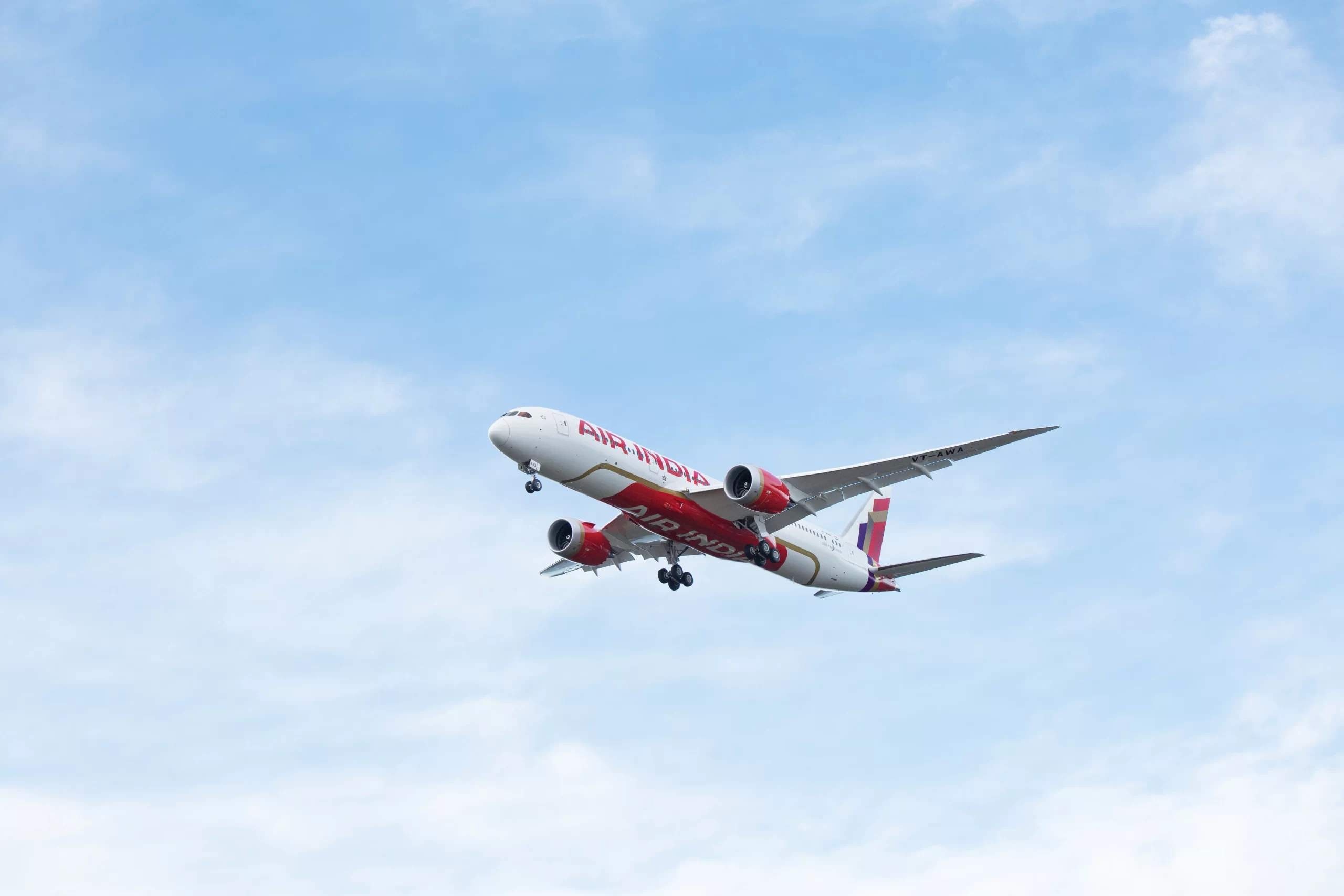
Air India will also restore daily service, or seven flights a week, on the Delhi-Toronto route starting 1 August. That is an increase from the five weekly flights the airline had been running.
The airline had reduced Delhi-Toronto frequency during June and July 2026. It attributed the temporary cut to a sharp rise in fuel prices combined with wider geopolitical developments that affected flight operations during that period.
Restoring daily flights alongside the new aircraft signals that Air India views the Toronto route as a priority within its North American network, rather than a market it is scaling back.
Premium Economy Debuts on the India-Canada Route
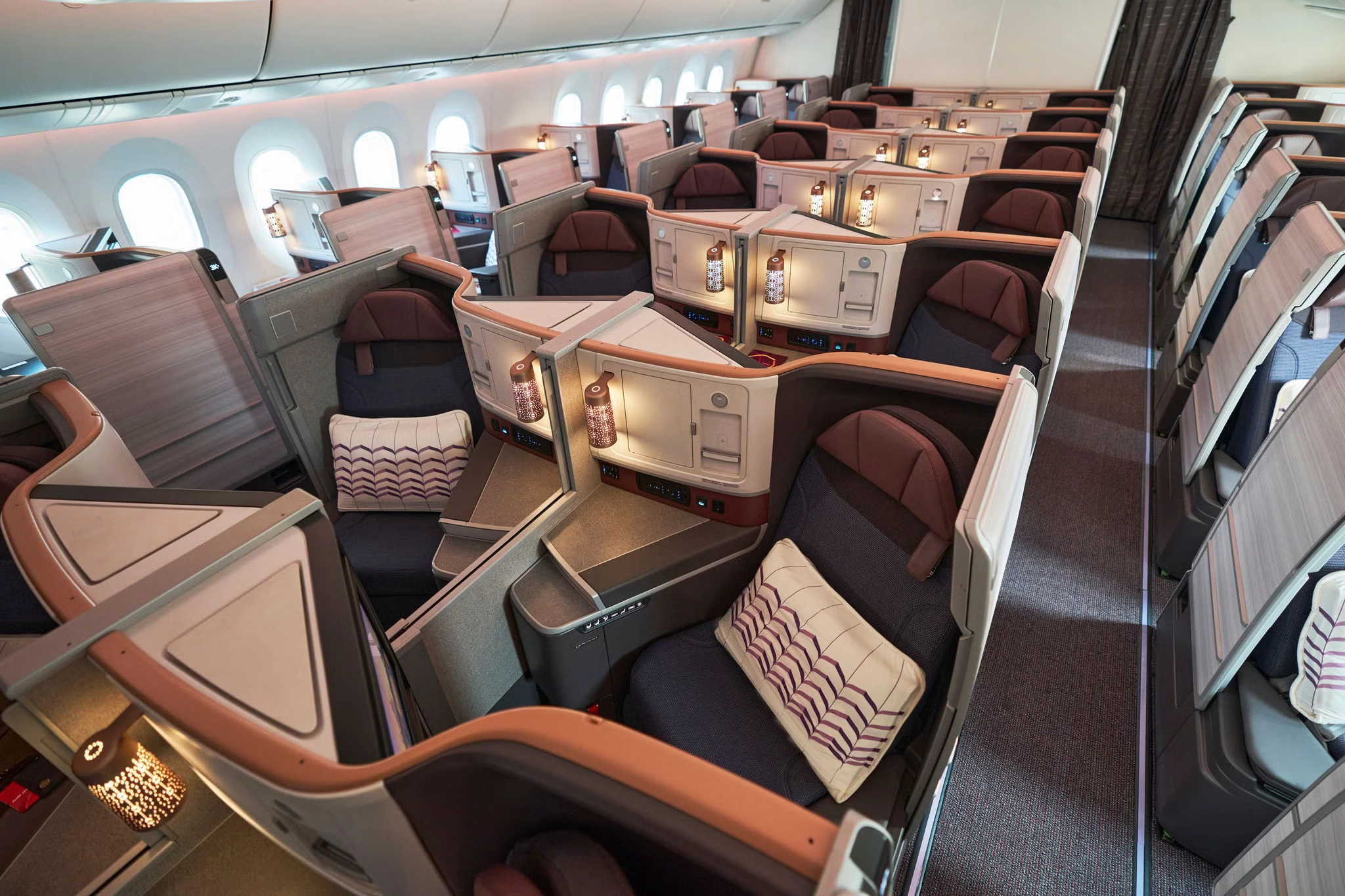
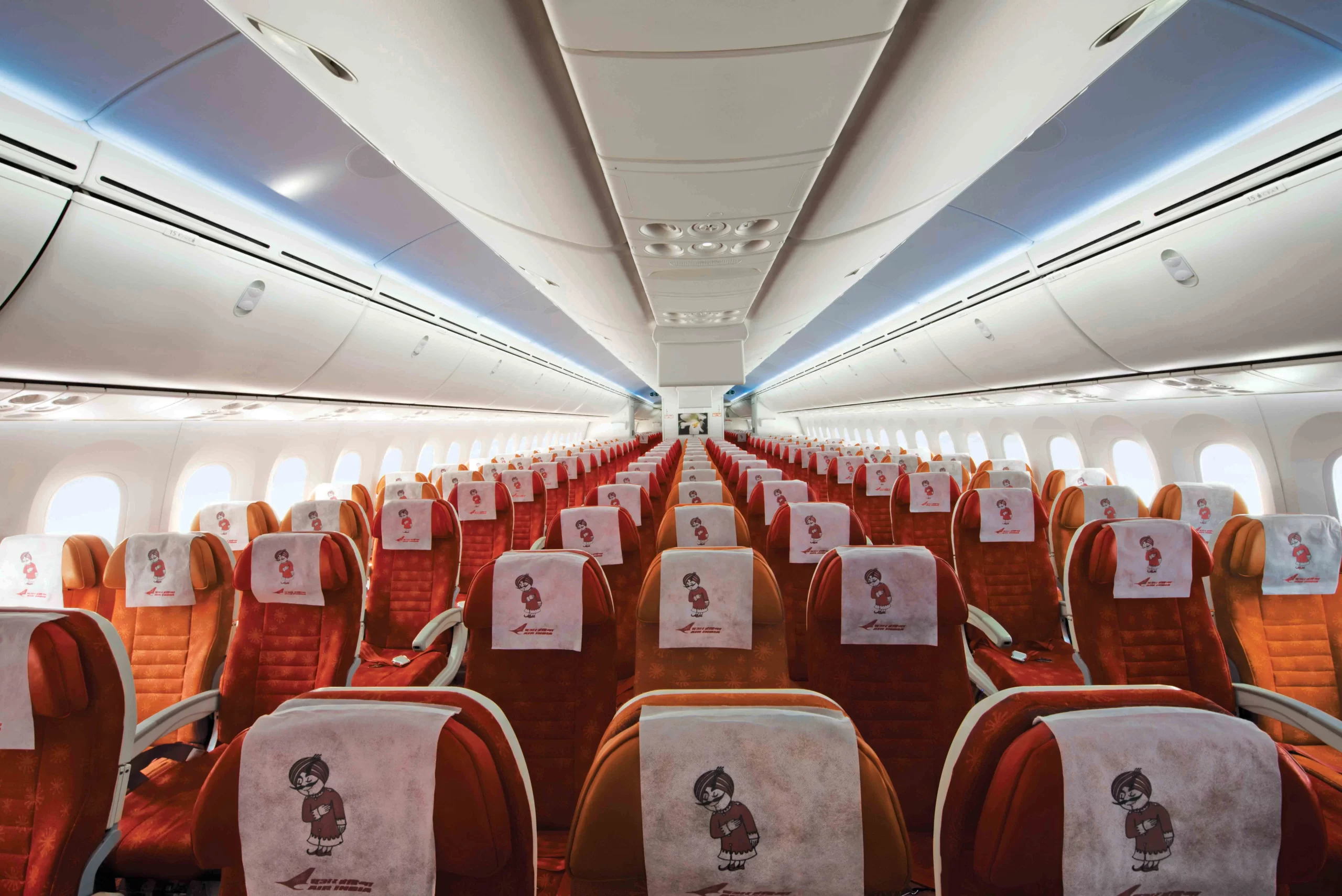
The new Boeing 787-9 brings a three-class cabin to the Delhi-Toronto route for the first time. Air India’s line-fit B787-9 aircraft, built on Boeing’s production line specifically for the airline, seats 296 passengers across Business, Premium Economy, and Economy.
The cabin breaks down as follows:
- 30 Business Class suites in a 1-2-1 layout, each with direct aisle access
- 28 Premium Economy seats arranged in a 2-3-2 configuration
- 238 Economy Class seats
Business Class passengers get fully flat beds up to 79 inches long with a 42-inch pitch, wireless charging, generous personal storage, and 17-inch 4K QLED HDR touchscreens for entertainment. Premium Economy seats offer a 38-inch pitch, extra recline, adjustable headrests, adjustable leg and calf rests, and 13.3-inch entertainment screens.
Before this deployment, Air India’s North America flights offered only Business and Economy cabins on most Boeing-operated routes. The Toronto upgrade gives Canada-bound travellers a mid-tier product that did not previously exist on this city pair.
What Campbell Wilson Said About the Canada Market
Air India Chief Executive Officer and Managing Director Campbell Wilson linked the upgrade to the size of the Indian diaspora in Canada and the route’s strategic weight within the airline’s North American network, according to a statement carried by Travel Trade Journal. He described Toronto as “one of Air India’s most important international gateways.”
Wilson tied the deployment to Air India’s broader transformation programme, framing it as part of a push to extend the airline’s newest cabin products across key international routes. He said the Boeing 787-9 introduction on Delhi-Toronto represents another milestone in bringing an enhanced travel experience to customers moving between India and Canada.
The comments echo language Air India used when it rolled out the same B787-9 product on other routes earlier in 2026, suggesting a consistent messaging strategy across the airline’s fleet renewal announcements.
Fleet Renewal Underpins the Wider Network Strategy
The Toronto deployment forms part of a larger fleet renewal effort at Air India. The airline has placed orders for 600 Airbus and Boeing aircraft combined, one of the largest such commitments in commercial aviation, PAX reported.
Air India has taken delivery of three new Boeing 787-9 aircraft over the past six months. More B787-9s and Airbus A350-1000s are due to join the fleet later in 2026. The airline is simultaneously retrofitting its existing widebody aircraft with the same new cabin interiors fitted to the line-fit jets.
This combination of new deliveries and retrofits explains why Air India can add capacity on some routes, such as Toronto, while temporarily cutting others, such as Washington, depending on which aircraft are available at a given time.
Revised Schedule and Booking Details
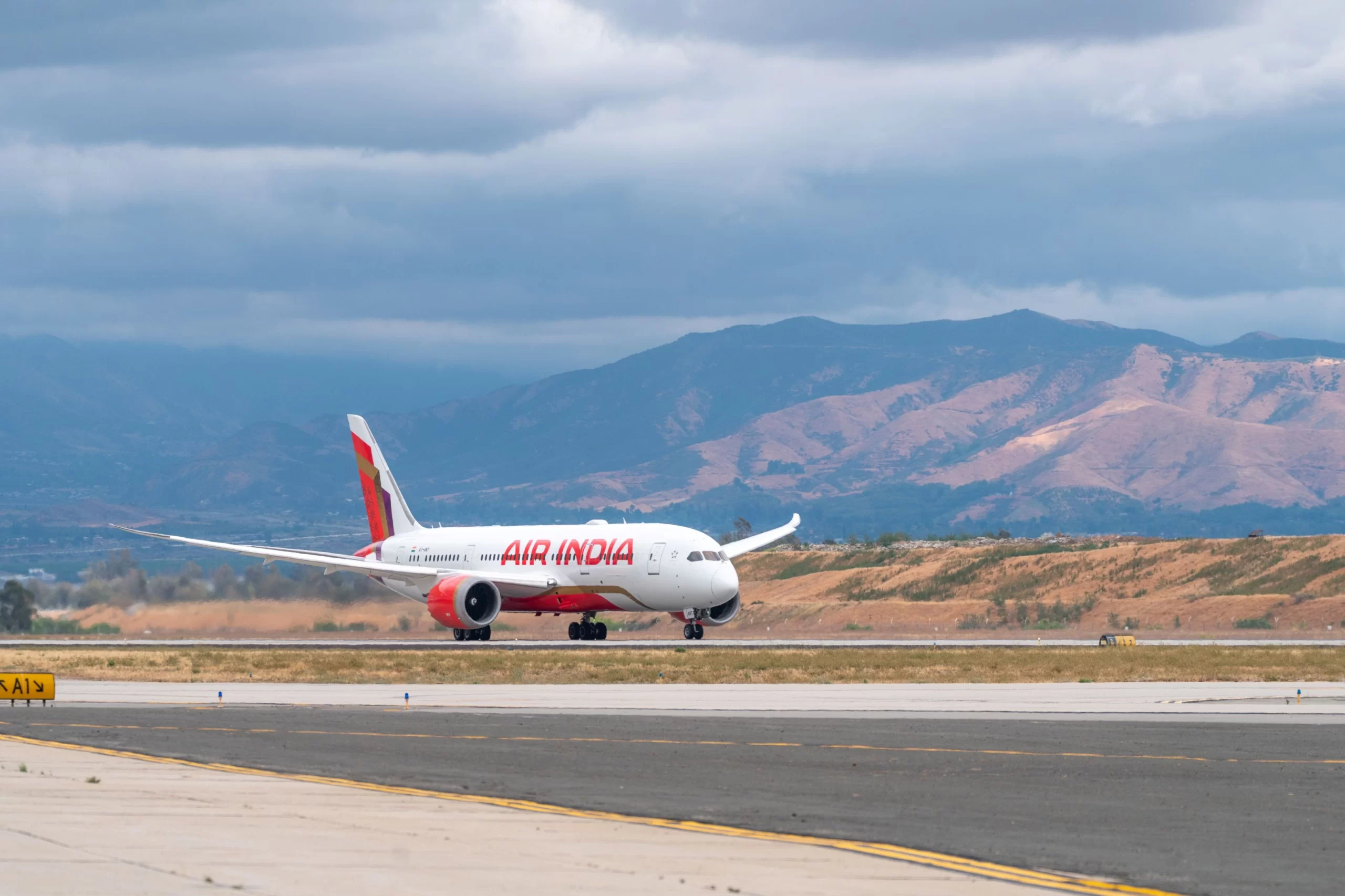
Under the schedule effective 1 August, flight AI187 will depart Delhi at 1:45 a.m. and arrive in Toronto at 9:30 a.m. local time. The return flight, AI188, will leave Toronto at 12:30 p.m. and land in Delhi at 2:05 p.m. the following day.
Bookings for the upgraded service are open through Air India’s website, its mobile app, its customer contact centre, and travel agents. Passengers who already hold tickets on the current Vienna-routed service will fly on the new non-stop schedule once it takes effect on 1 August.
The Delhi-Toronto upgrade adds to a run of network changes Air India has made through 2026, including new Premium Economy cabins on its Tokyo Haneda and Mumbai-London Heathrow routes, as the airline works through a multi-year plan to standardise its long-haul product across international destinations.