Boeing is laying the groundwork for a new narrow-body aircraft program that could launch later this decade, but only after strengthening its finances and completing certification of key commercial aircraft. The manufacturer says its immediate priorities remain securing approvals for the remaining Boeing 737 MAX variants and the Boeing 777X before investing billions in an all-new jet.
The Boeing 737 MAX family continues to anchor the company’s recovery efforts as airlines worldwide expand their fleets. While Boeing acknowledged ongoing industry concerns over aircraft reliability, it said customer demand for the MAX remains robust.
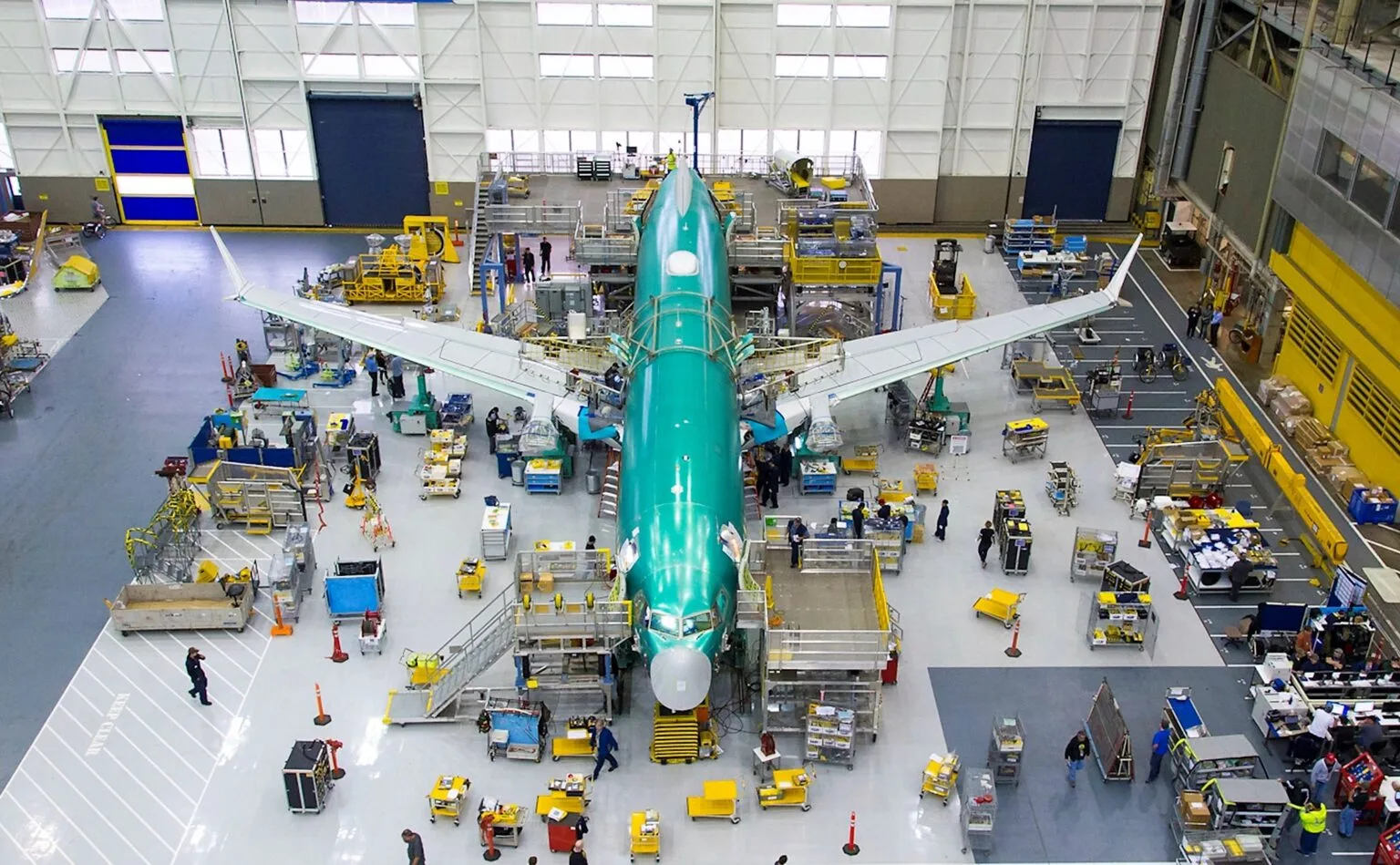
Boeing Eyes New Narrow-Body Jet
Boeing expects to be in a position to begin development of a successor to the 737 MAX later this decade, once its financial recovery is firmly established and current certification programs are complete.
Chief Executive Officer Kelly Ortberg said the company has been focused on restoring its financial health following several difficult years marked by production disruptions and operational setbacks.
He noted that Boeing anticipates having the financial capacity within the next few years to fund development of a new commercial aircraft. At the same time, the company has continued investing in engineering and advanced technologies so it is prepared when the timing is right to launch the program.
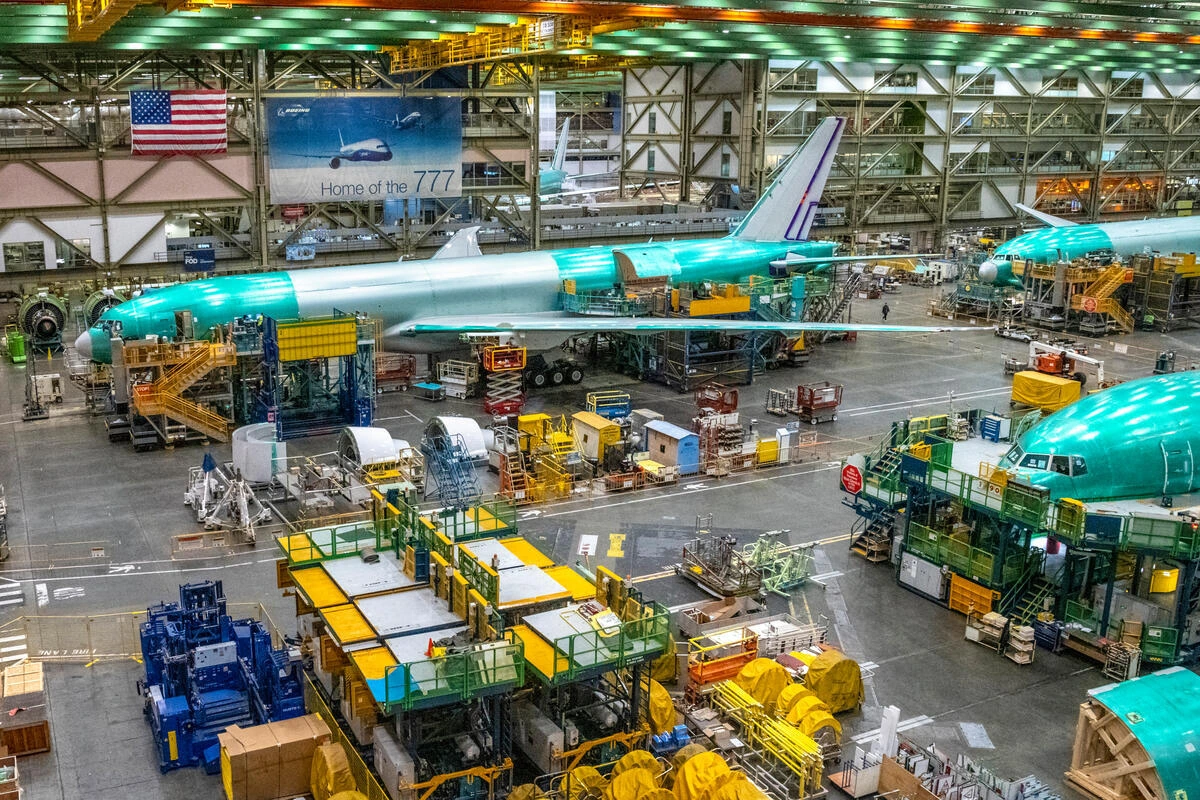
737 MAX and 777X Certifications Take Priority
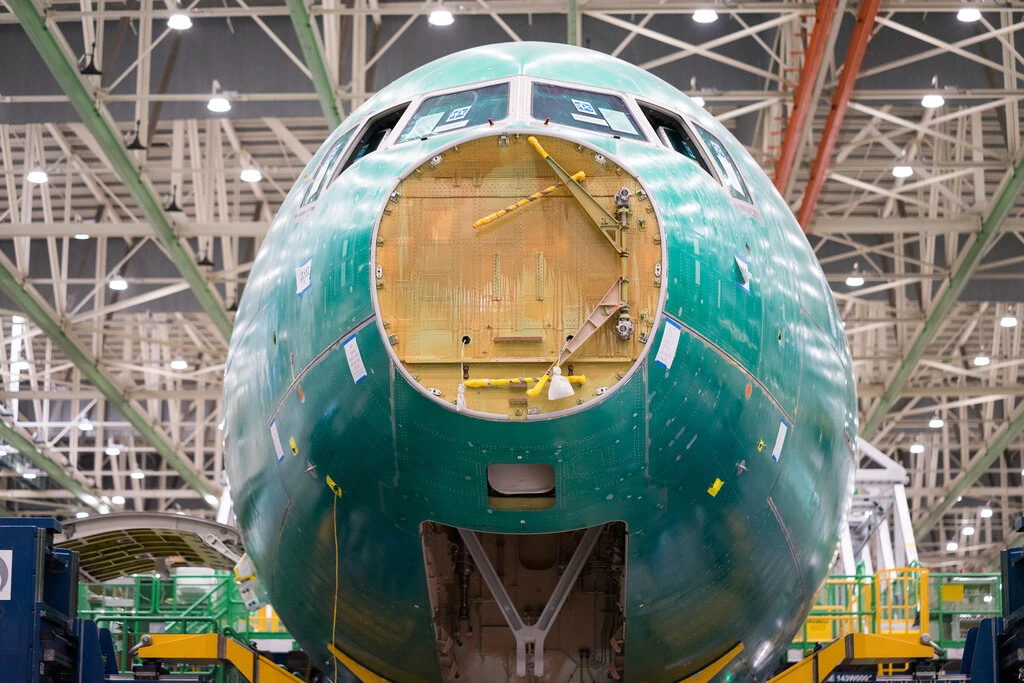
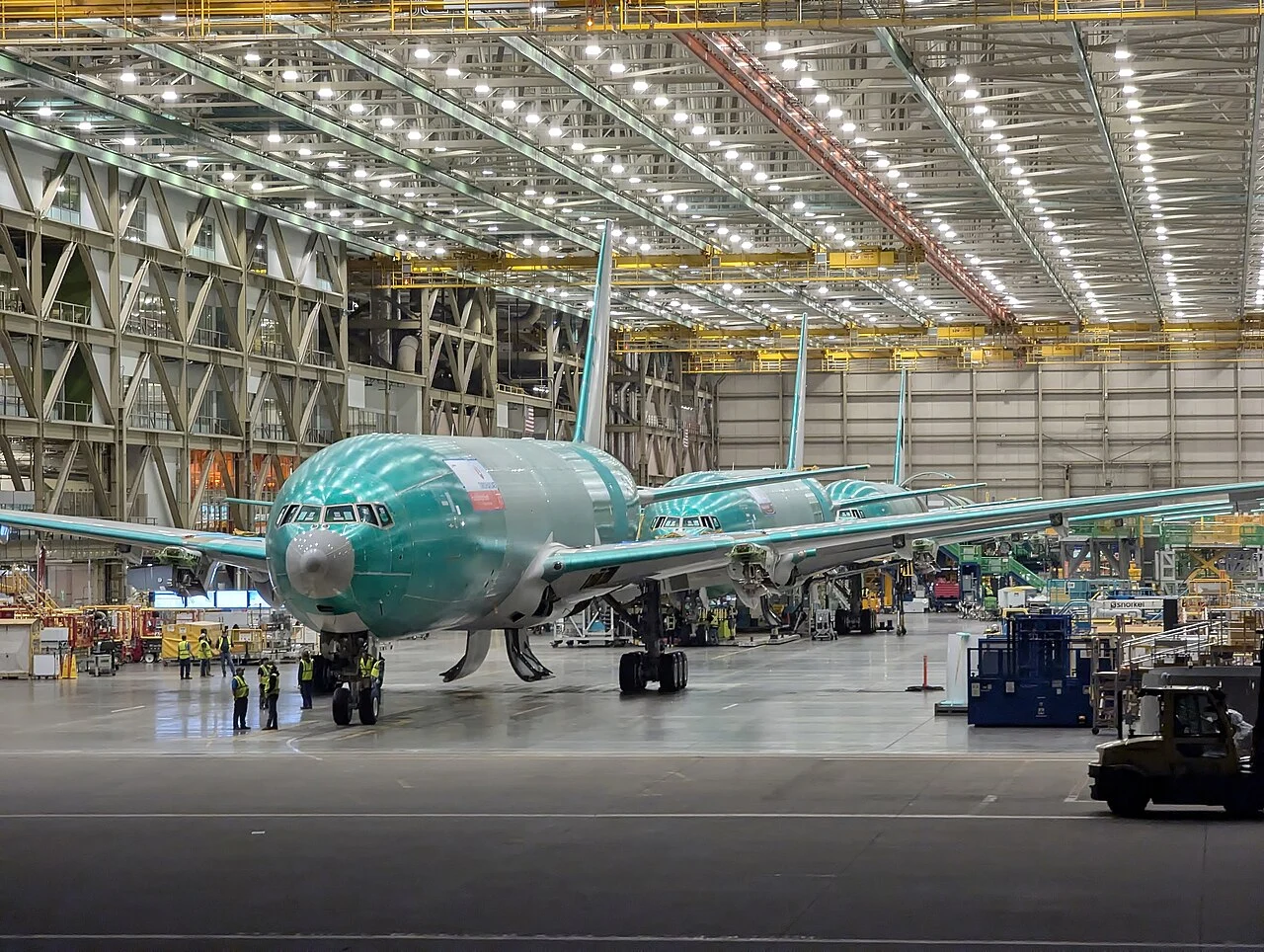
Before committing resources to a new aircraft, Boeing wants to complete certification of the 737 MAX 7, 737 MAX 10, and the long-delayed 777X.
The manufacturer is progressing toward regulatory approval for the 737 MAX 7, the smallest member of the MAX family, while expecting certification of the larger MAX 10 before the end of the year.
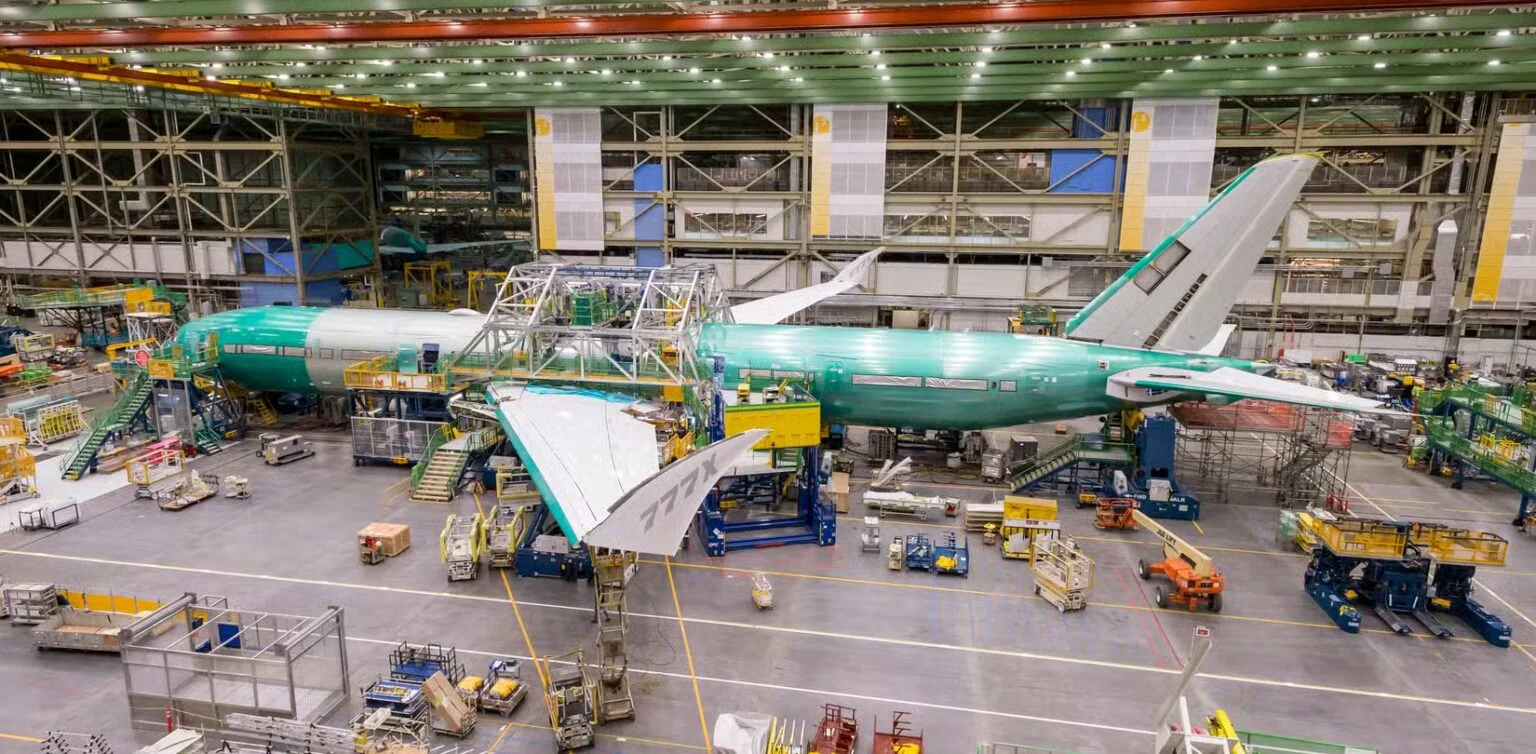
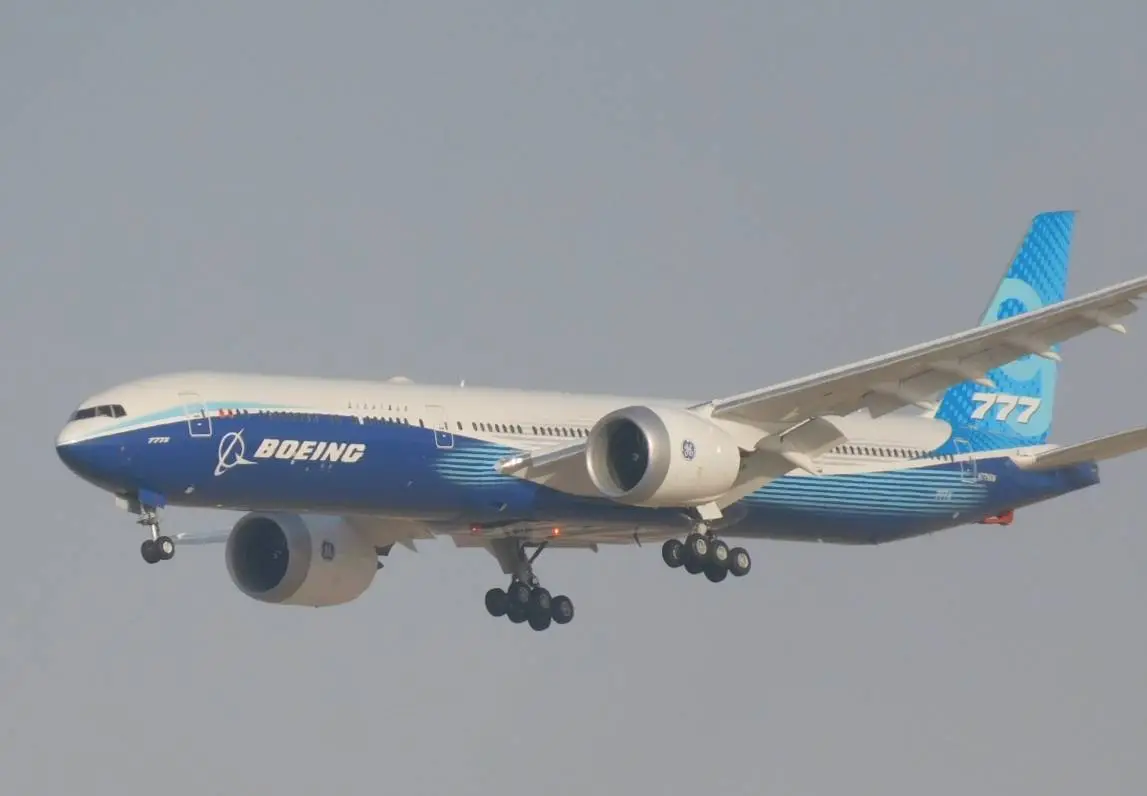
Flight testing also continues on the 777-9, the largest variant of the 777X family, with deliveries still scheduled to begin next year after repeated delays.
Ortberg said completing these certification efforts would free up engineering teams and financial resources for future aircraft development.
Financial Position Improving
Developing an entirely new commercial aircraft requires a significant financial commitment, and Boeing believes its balance sheet must first be strengthened.
Ortberg said achieving financial stability remains a top objective before launching such a program. The company has previously projected positive cash flow during the second half of the year as production of the 737 MAX ramps up.
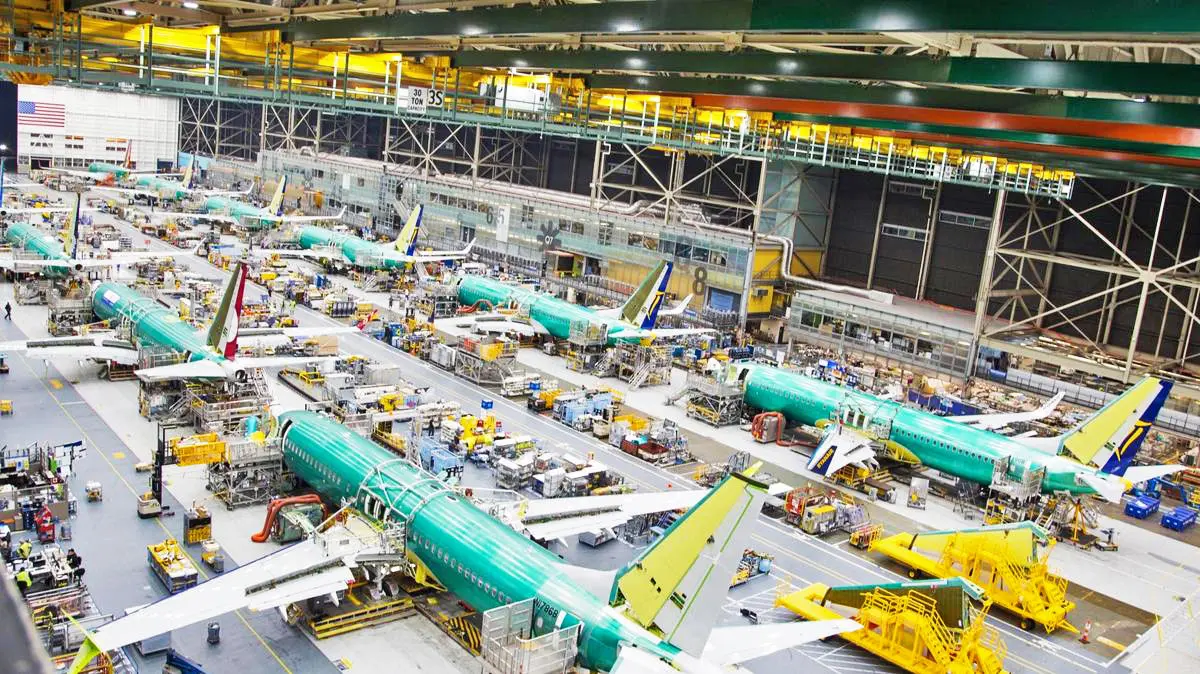
Boeing recently added another production line for the MAX program and plans to increase monthly output from 42 aircraft to 52, with further increases expected over time.
Higher production levels are expected to improve cash generation while helping the company work through its substantial order backlog.
Airlines Prioritize Reliability
Although Boeing is preparing for a future aircraft, Ortberg said airline customers are currently placing greater emphasis on improving the reliability of aircraft already in service.
Many operators continue dealing with maintenance issues affecting modern aircraft engines, leading to costly repairs, grounded fleets, and shortages of spare parts.
According to Ortberg, Boeing will wait until the underlying technologies have matured before introducing a new aircraft, ensuring it can meet airlines’ expectations for long-term reliability and operational performance.
Conventional Engines Remain Preferred
Ortberg did not reveal specific design details for Boeing’s future narrow-body aircraft.
However, he indicated that the company’s current thinking favors a traditional enclosed turbofan engine instead of the more experimental open-fan technology being developed by CFM International and studied by Airbus.
He said Boeing’s focus is on delivering the right aircraft for customers rather than rushing development to match competitors.
Deliveries Continue to Rise
Boeing said meeting existing customer demand remains a bigger challenge than winning new business.
The manufacturer delivered 171 aircraft during the second quarter, an increase of 12 percent compared with the same period last year.
During June, Boeing recorded 121 gross aircraft orders, slightly higher than the 116 orders received in June of the previous year.
With an order backlog nearing 7,000 aircraft, analysts continue to identify production capacity and supply chain performance as the company’s key operational challenges.

FAA Returns Certification Authority
Ortberg also pointed to a recent milestone involving the US Federal Aviation Administration (FAA), which restored Boeing’s authority to issue its own airworthiness certificates for all 737 MAX and 787 aircraft.
That authority had been suspended following the second fatal 737 MAX accident in 2019.
He described the move as an important step toward rebuilding confidence with regulators, airline customers, and the wider aviation industry.

Defense Business Strategy Evolves
Alongside its commercial aviation plans, Boeing is reshaping its defense strategy in Europe to align with changing regional security priorities.
Ortberg said the company expects to deepen partnerships with local defense manufacturers instead of relying primarily on direct equipment sales.
Boeing already collaborates with BAE Systems, Saab, and Rheinmetall on several defense projects, including trainer aircraft and uncrewed combat aircraft programs.
He added that increased cooperation with domestic suppliers and expanded co-production arrangements could become more important as European governments seek to strengthen local industrial capabilities.
Strong Order Book Supports Outlook
Despite the challenges it has faced in recent years, Boeing said demand for commercial aircraft remains healthy.
Ortberg noted that the company’s primary objective is fulfilling its existing orders rather than pursuing additional sales.
He added that Boeing continues working to restore confidence while positioning itself for the next phase of commercial aircraft development.

.jpg)

