
Global airlines worldwide are forecast to post a net margin of 3.9% in 2026, according to the latest outlook from International Air Transport Association (IATA), with aggregated industry profit reaching a record US$41 billion.
Despite lingering supply-chain bottlenecks and elevated costs, IATA expects total airline revenue to grow to US$1.053 trillion in 2026, outpacing operating expenses projected at US$981 billion.
.jpg)
The Evolution of Pilot Retirement Age: From 60 to 65 and the Debate Beyond
Global Airline Industry at a glance
| Metric | 2026 Forecast |
|---|---|
| Net profit margin | 3.9 % |
| Net profit (aggregate) | US$ 41 billion |
| Total revenues | US$ 1.053 trillion |
| Operating expenses | US$ 981 billion |
| Profit per passenger | ≈ US$ 7.90 |
| Passenger load factor (global) | 83.8% (record high) |
Why 2026 looks stable for airlines?
IATA projects passenger ticket revenues to climb to US$751 billion in 2026, up from US$716 billion in 2025, primarily driven by a 4.9% expansion in revenue passenger-kilometers (RPK).
Ancillary revenues — from services such as baggage fees, seat upgrades, and other non-ticket items — are expected to reach US$145 billion (up 5.5%), while cargo revenues are forecasted at US$158 billion.
Despite a modest 2.1% growth, yields stay elevated — approximately 30% above pre-pandemic levels — aided by capacity constraints and sustained e-commerce demand.
Cost Moderation and Structural Headwinds
IATA expects a slight decline in fuel costs in 2026. Projection suggests jet-fuel prices averaging around US$88 per barrel (Brent), down from US$90 in 2025, aided by weaker crude oil prices and the expiry of high-cost hedges.
Fuel is projected to account for 25.7% of total operating expenses (down from 26.8%), partly offsetting rising non-fuel costs such as labor, maintenance, leasing, and regulatory compliance.
Labor costs, now the largest single expense component (28%), continue to grow as airlines hire to meet demand — though productivity has yet to fully rebound to pre-pandemic norms. Meanwhile, maintenance costs are increasing due to an ageing fleet and supply-chain delays affecting spare-parts delivery.
_@_Washington_Dulles,_2016.jpg)
Regional dynamics: Asia-Pacific and beyond
The 2026 outlook differs by region. In Asia-Pacific — where demand remains robust thanks to growing middle-class travel and tourism resurgence — net profit is forecast at US$6.6 billion with a net margin roughly 2.3% and load factors in in this region reaching 84.4%, a regional record.
In Europe, airlines are set to deliver the strongest profit per passenger owing to disciplined capacity management and efficiency, particularly among low-cost carriers, such as Ryanair, among others. North America continues to see stable profitability, though growth remains constrained by domestic market saturation, tight labour markets, and regulatory uncertainties, as was the case in the recent government shutdown in the US that led to more than 8000 flight cancelations in a day.
| Metric | Africa | Asia-Pacific | Europe | Latin America | Middle East | North America |
|---|---|---|---|---|---|---|
| 2025 Net Profit (E) | $0.2 b | $6.2 b | $13.2 b | $2.5 b | $6.6 b | $10.8 b |
| 2025 Net Margin | 1.1% | 2.3% | 4.8% | 5.2% | 9.3% | 3.3% |
| Profit per Passenger 2025 | $1.40 | $3.30 | $10.60 | $7.30 | $28.90 | $9.50 |
| 2026 Net Profit (F) | $0.2 b | $6.6 b | $14.0 b | $2.0 b | $6.8 b | $11.3 b |
| 2026 Net Margin | 1.0% | 2.3% | 4.9% | 3.8% | 9.3% | 3.4% |
| Profit per Passenger 2026 | $1.30 | $3.20 | $10.90 | $5.70 | $28.60 | $9.80 |
| 2026 Demand Growth (RPK) | 6.0% | 7.3% | 3.8% | 6.6% | 6.1% | 1.5% |
| 2026 Capacity Growth (ASK) | 5.7% | 7.1% | 3.8% | 6.5% | 5.4% | 1.0% |
.jpg)
Qatar Airways Taps Collins Aerospace Ascentia for Predictive Maintenance on Boeing 787s
Challenges for the Aviation Industry: Supply-Chain, Regulation, Sustainability
Though the 2026 outlook is broadly positive, IATA warns that supply-chain bottlenecks — particularly in aircraft delivery schedules — remain a key constraint. However, recently Embraer, which announced that it would be canceling their much-talked about 70- to 90-seat next-generation turboprop aircraft would not go through, but not as a result of the supply chain issues and said that “the risk for the supply chain in 2025 … is over”.
Here are figures that hint at the problem of supply chain reported by IATA in 81st IATA AGM in Delhi.
| Metric | Value / Observation |
|---|---|
| Delivery backlog | 17,000 aircraft (implies 14-year wait between order and delivery) |
| 2025 scheduled deliveries | 26% less than promised a year ago |
| Aircraft under 10 years in storage | >1,100 aircraft (3.8% of fleet; nearly 3× pre-pandemic level of 1.3%) |
| Annual fleet replacement rate | 3% (below normal 5–6%) |
Regulatory costs are also rising. Airlines face increasing compliance burdens from environmental regulations such as sustainable-aviation-fuel (SAF) mandates and carbon offsetting schemes (like CORSIA). IATA estimates incremental compliance and SAF procurement costs will reach US$4.5 billion in 2026.
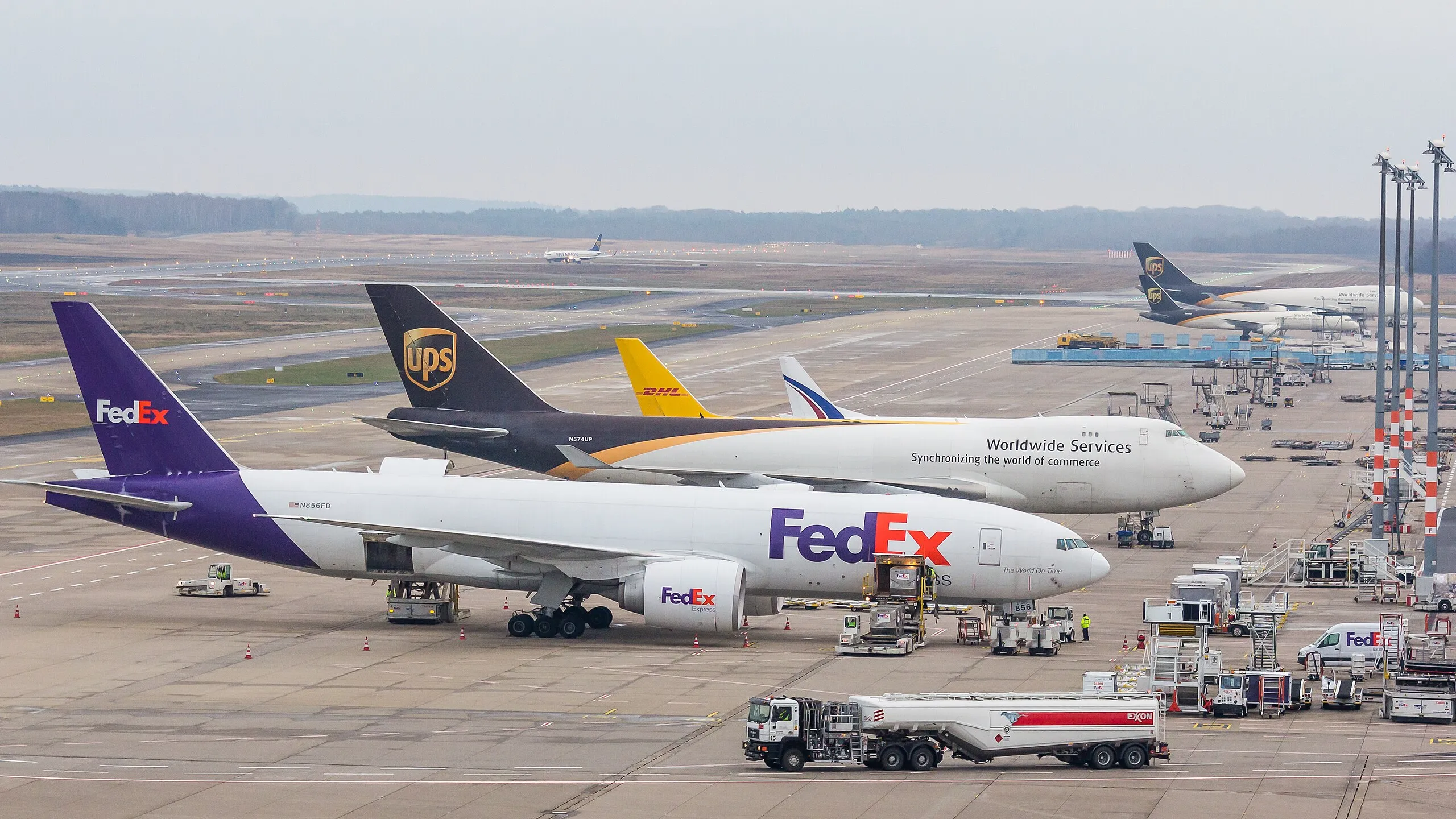

One of the recent events in aviation that will have a dent in the aviation sector is the greenwashing scandal that many airlines in the European Union were accused of. In the figures reported in IATA’s 81st AGM in Delhi, SAF production was set to double to 2 million tonnes in 2025, yet it would only cover 0.7% of global airline fuel demand. Some of the other problems surrounding SAF included:
-
Governments have failed to establish supportive policy frameworks to achieve their 2030 SAF targets.
-
US tax credits that previously stimulated SAF production are now uncertain, while major players like BP and Shell have delayed or cut SAF investments globally.
-
Support for CORSIA is weakening; many governments are increasing aviation taxes, with Sweden being a rare exception. Other countries raising or introducing taxes include UK, France, Germany, Netherlands, Gabon, and Djibouti.
-
The EU SAF mandate to mix 2% SAF in jet fuel increased costs without boosting production; compliance fees create a billion-dollar windfall for suppliers.
-
Supply chain challenges are aging fleets from 13 to 15 years, slowing improvements in fuel efficiency.
-
Airbus has delayed plans to develop a hydrogen-powered aircraft, reducing prospects for medium-term zero-emission innovation.
Moreover, infrastructure limitations — capacity bottlenecks at congested airports, air-traffic management inefficiencies — continue to hamper growth, particularly in regions lacking investment in modernization, said Willie Walsh, IATA’s Director General:
“Airlines are expected to generate a 3.9% net margin and a $41 billion profit in 2026. That’s extremely welcome news considering the headwinds that the industry faces—rising costs from bottlenecks in the aerospace supply chain, geopolitical conflict, sluggish global trade, and growing regulatory burdens among them. Airlines have successfully built shock-absorbing resilience into their businesses that is delivering stable profitability,”

Past Precedents & Comparable Cycles
Global Airline Industry Financial Comparison (2024–2026)
| Metric | 2024 | 2025 (Forecast) | 2026 (Forecast) |
|---|---|---|---|
| Net Profit | $31.5 b | $36.6 b | $41 b |
| Net Profit Margin | 3.3% | 3.6% | 3.9% |
| Net Profit per Passenger | $6.40 | $7.00 | $7.90 |
| Operating Profit | N/A | $67.5 b | $72.8 b |
| Operating Margin | 6.4% | 6.7% | 6.9% |
| Return on Invested Capital (ROIC) | 6.6% | 6.8% | 6.8% |
| Weighted Average Cost of Capital (WACC) | N/A | N/A | 8.2% |
| Total Revenues | N/A | $1.007 trillion | $1.053 trillion |
| Total Expenses | N/A | $940 b | $981 b (derived from revenue – operating profit) |
| Passenger Numbers | N/A | 5.2 b | 5.2 b |
| Load Factor | N/A | N/A | 83.8% |
| Cargo Volume | N/A | 72.5 m tonnes | 71.6 m tonnes |
Comparison shows that 2026’s 3.9% margin reflects a stabilization, rather than a dramatic rebound — suggesting the industry remains vulnerable to external shocks despite improved demand and cost structure.

Broader implications for travelers and economies
For passengers, the stable profitability of airlines suggests continuing capacity and connectivity expansion.
IATA’s forecasted load factor increases and revenue growth point to flight availability and potentially stable fares and their public poll suggests that people have a generally positive outlook on the aviation industry:
| Survey Statement | Percentage of Passengers Who Agree |
|---|---|
| Air connectivity is critical to the economy | 90% |
| Air travel has a positive impact on societies | 88% |
| The global air transport network contributes to UN Sustainable Development Goals (SDGs) | 82% |
| Passengers care about the success of the aviation industry | 83% |
One of the major things IATA noted in 2024 was that Trump Administration with its potential for tariff wars could disrupt the aviation industry, something that is glaringly absent from this year’s IATA press release.

Conclusion
The 2026 forecast by IATA paints a cautiously optimistic picture: the global airline industry seems to have regained a stable financial footing, achieving a 3.9% net margin and a record US$41 billion profit.
While strong demand, improved revenue mix, and moderated costs support this recovery, persistent supply-chain constraints, aging fleets, and regulatory pressures continue to pose a risk.
Going forward, the ability of airlines to maintain fleet modernization, manage costs, and adapt to regulatory and sustainability demands will be crucial to sustaining this fragile equilibrium.