

On the outside, it might seem that Boeing produced planes that have names that start and end with 7: the 747 is known as the Queen of the Skies, the 787 is the aerospace giant’s Dreamliner, the 737 is the model used by the budget airline that helped aviation coin the term “Southwest Effect, just to name a few. But Boeing has produced the Boeing B-29 Superfortress, which dropped bombs on Hiroshima and Nagasaki. Nevertheless, Boeing’s civilian planes have had names that start and end with 7, much like Airbus planes start with the letter A and number 3. Among all the possible names that have been a part of Boeing’s 7X7 series, we have yet to witness the highly anticipated Boeing 797.
Boeing hasn’t officially declared the 797: when the company said in 2015 that it was looking to design a New Midsized Airplane, people believed that Boeing had set its sights on the 797: after all, all other numbers had been used.
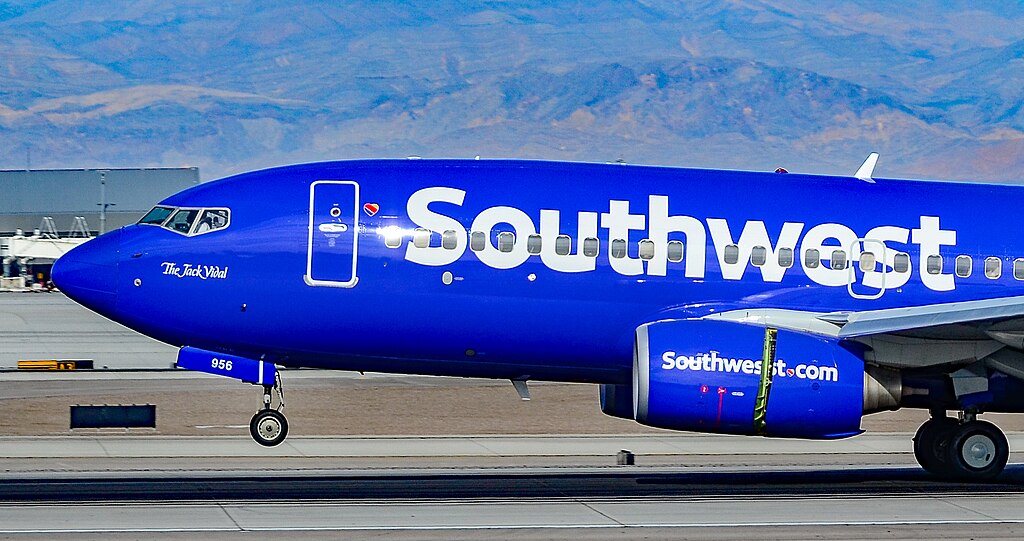
Photo: Tomás Del Coro | Wikimedia Commons
What slowed the 797 project?
Initially, it was assumed that Boeing’s NMA would have the following characteristics:
- A mid-size composite body plane
- Seven abreast seating, with two aisles
- Pratt & Whitney or General Electric high-bypass turbofan engines
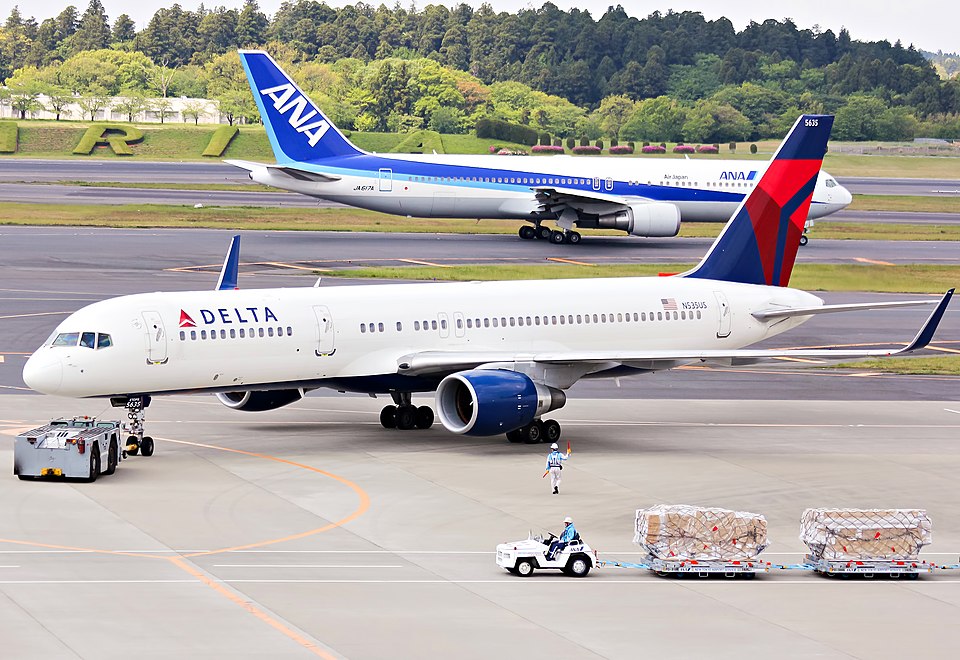
Photo: Ikaraswa | Wikimedia Commons
It was also assessed that the plane would have either of two configurations:
- A passenger capacity of 225 seats, with a range of 5,000 nautical miles
- A passenger capacity of 275 seats, with a range of 4,500 nautical miles.
Four years after the announcement of the NMA, two things plagued the aviation industry and stalled the development of this aircraft.
Covid-19
By January 2020, COVID led to regular commercial passenger operation shutdowns. The losses that the global aviation industry suffered as a result of the pandemic were $126.4 billion. During this time, jobs such as air traffic managers, aviation manufacturers, lessors, etc., were cut down by around 43 %, while 52 % jobs supported by aviation were plummeted.
The pandemic also hit the progress of Boeing’s 797. David Calhoun, then CEO of Boeing said that a clean-shet reevaluation of the NMA was necessary (as quoted in Reuters):
“Since the first clean sheet of paper was taken to it, things have changed a bit … the competitive playing field is a little different. We’re going to start with a clean sheet of paper again.”
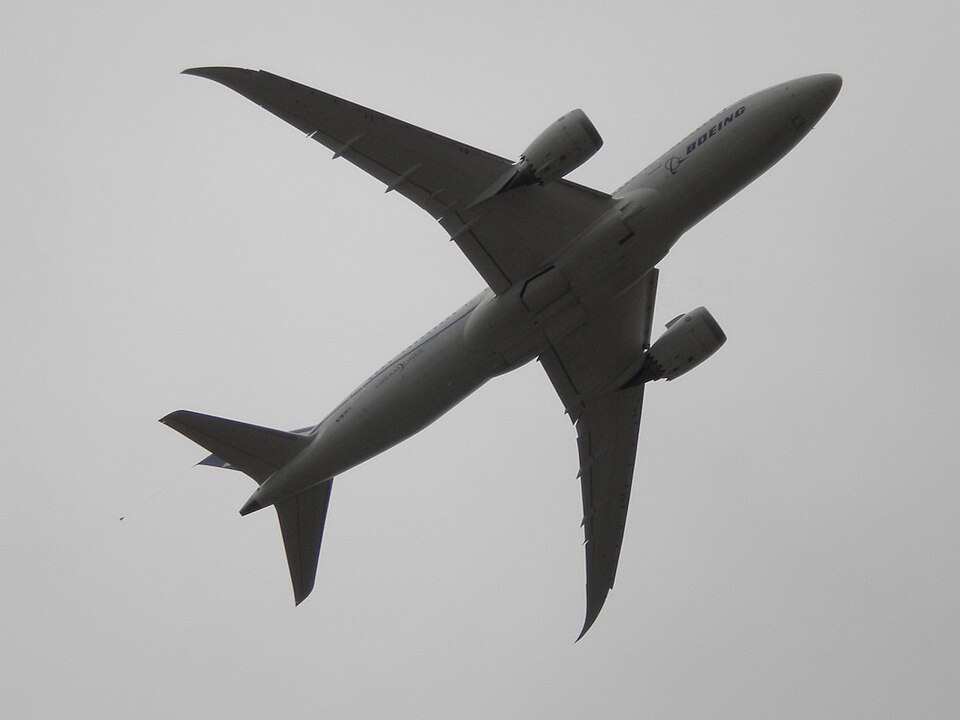
When the statement was made, Calhoun wanted a new study on the type of aircraft that was feasible for the market. After a market study is completed and the design has been finalized, bringing an aircraft to the aviation industry can take 6-7 years, a timeframe that has already passed since the quotes above were published. But the NMA hasn’t seen the light of day.
We should also note that there was another glaring problem that had struck Boeing that time.
The crashes of the Boeing 737 MAX
When Boeing halted the development of the New Midsize Airplane in the 2019/2020 time frame, it was working around the problems posed by the 737 MAX, especially with regard to the Maneuvering Characteristics Augmentation System (MCAS) system that led to the downing of:
- Lyon Air Flight 610 that had 181 passengers and 8 crew members
- Ethiopian Airlines Flight 302 that had 149 passengers on board and 8 crew members.

The crash of the 737 MAX had put the aerospace manufacturer in bad light. However, working around the bad press wasn’t the only issue that had tricked into the development of NMA- after all, the 797 had been “designed to address a slender gap between single-aisle workhorse jets like the 737 MAX and long-haul wide-body jets like the 787”. The problems with the development of the 797 also meant that Boeing was falling behind its rival, which speculatively has its own aircraft with the number 9, the Airbus A390.
A Few False Starts
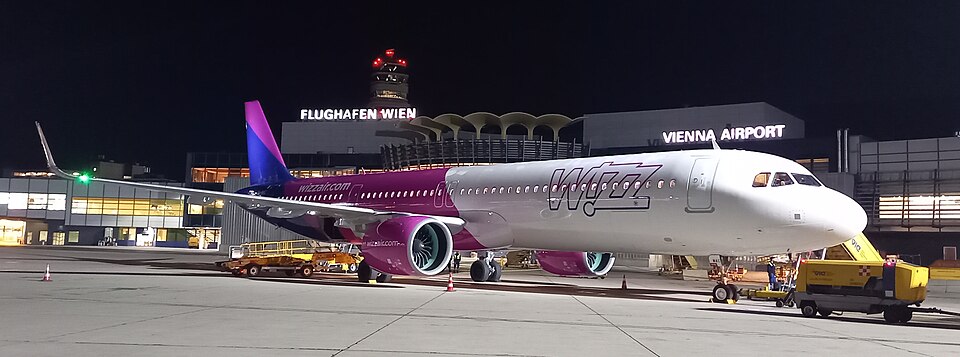
Perhaps the greatest talks about the development of the Boeing 797 took place between 2020 and 2021, as the NMA was touted to be a competitor to the Airbus A321XLR. It was assumed that the 797 would be a successor to the 757-200/300, and could carry 225 passengers over a range of 5,000 nautical miles. This was in response to the A321XLR, which already had 4000 orders in 2021, and could carry 206 passengers in two-calass layout and 244 passengers in a single class layout over a range of 4,000nm (7,400km) in the A321LR and 4,700nm in the A321XLR. In contrast, the 737 MAX 10 had only garnered 460 orders- the MAX 10 also carried fewer passengers and had a smaller range (approximately 3,300nm).

Photo: LLBG Spotter | Wikimedia Commons
Analysts had clamored for Boeing to release a new narrow-body jet, for it was feared that the manufacturer that was to design the 797 would lose around 60% of large airliner market to Airbus’ A321neo. Teal Group analyst Richard Aboulafia, who said that the A321 neo “becomes the wedge by which [Airbus] gets to 60%. It is really tough to recover a market share drop like that”. Still, Aboulafia gives Boeing only a 40-45% chance of actually pulling the trigger on a new mid-market aircraft.
In 2022, a report published in The Seattle Times said that an absence of “leaps in engine technology in sight” wouldn’t help propel the sales of a jetliner (like the 797) that Boeing would come up with. The sentiment was echoed by Calhoun, too, who wasn’t “willing to bet an expensive new development program on the current generation of turbofans”.
What’s The Latest Regarding The 797?
Before teeing off with the NMA project, Boeing expressed the desire to assess the development of the T-7 trainer aircraft to learn more about the nuances of developing the NMA. Some of the features of the T-7 included:
- high sustained angle of attack, turn rate and radius, and G-force
- Embedded Training (ET) and Integrated Live, Virtual and Constructive (I-LVC) capability.
- Open Mission Systems (OMS) architecture that “allows for maximum interoperability of new technologies on the aircraft, enabling customers to quickly upgrade or replace mission system hardware and/or software configuration items”.
Despite this, Calhoun said in 2022 that Boeing still needed more time to develop the technologies required for its next new aircraft. He indicated that the company would need at least another couple of years to ensure that the necessary tools had been properly tested and matured before beginning the design of the next-generation aircraft.
Three years have now passed since those comments, but Boeing has provided very little public information about the development of the proposed NMA, often referred to as the 797. The company did, however, mention plans for a future new aircraft in a 2024 press release concerning its contract agreement with IAM Districts 751 and W24.
Boeing said as part of the agreement that its Puget Sound workforce in Washington would build the company’s next new aircraft. However, the announcement did not specify when development or production of that aircraft would begin, leaving the timeline for the 797 uncertain.

The aircraft could either be a stretched version of the existing plane or a new clean sheet design: we don’t know. At least, for now.
Is lifting the ban on supersonic airlines a way out for developing the 797?
One of the oddities in aviation is the US is the fact that this nation hasn’t produced a supersonic airliner. The USSR had its marvel that was the Tuploev Tu-144, while Europe had the iconic Concorde (operated by Air France and British Airways). The absence of a supersonic airline in the US is more puzzling against the fact that the US had built a highly successful hypersonic program by the name of the North American X-15.
This landscape is set to change in the US as Donald Trump lifted the ban on civil supersonic flight over the US that had been put in place since 1973. Optimists hope that new engine engineering on supersonic might trickle into the NMA project. This would fall in line with Calhoun’s sentiment above that he was looking for advancements in turbofan technology.
How Radical Will The 797 Design Be?
For now, all the designs that have been put forward about how the NMA will look like is mere speculation. As modern composite materials are a part of Boeing’s 878 Dreamliner (which had the perfect safety record until Air India Flight 171 crashed). Norebbo.com speculates that the 797, which was hoped “to be a 757/767 sized aircraft situated in their lineup smack dab between the 737 and the 787”, might be Boeing’s aircraft for 200 passengers or more. The website claims that the 797 might have the following:
| Component | Description |
| Fuselage | Thinner, shorter 787 with minor material changes. |
| Wings | 787-based, slightly smaller surface area and rake. |
| Vertical Stabilizer | Shorter, less engineered for smaller size. |
| Landing Gear | Taller design to fit varied engine types. |
| Engines | Smaller than 737 MAX, without 787 chevrons. |
According to Slashgear, Boeing has consulted with 57 different carriers to know what kind of jet is needed. All the airlines indicated that the aircraft should place cabin comfort and reduction of turn times between flights at the forefront of the design. It has been speculated that the 797 might be a wide-body twin-aisle jet with the following capacities:
- Passengers: 220 – 270
- Range: 5,000 nautical miles
Some other reasons why the 797 has been delayed for so long
In early 2024, a 737 MAX9 operated by Alaska Airlines experienced an in-flight door plug failure, which led to a rapid decompression of the plane. This resulted in an Emergency Airworthiness Directive (EAD) issued by the FAA the following day. All Boeing 737 MAX 9 aircraft grounded by Alaska (and other carriers operating this aircraft type) following the accident necessitated an installation of a mid-cabin door plug. The grounded MAX9s began operations on January 25.
Beside the aforementioned problem, Boeing has seen other difficulties that have kept the NMA project at bay. These problems include:
- The late delivery of the 777X, which is still in the testing and certification phase. Despite the fact that the triple seven is an upgrade rather than an all-new design, it has taken more than 15 years for the aircraft to be delivered. It was initially expected that the 777X would hit the skies in 2019.
- Reports show that Boeing has a backlog of more than 6,000 orders, and delivering on these orders might take ten years or so.

Photo:byeangel | Wikimedia Commons
Bottom Line
It is not even sure that Boeing will call the aircraft a 797. It could opt for an alphabet instead: Boeing 7A7, or 7B7 etc could work as well. We know that the 757 and 767 are already out of production and Airbus A321 fills the void that Boeing’s NMA was supposed to fill. Aviation publication Aviation A2Z claims that “several airlines remain interested in the model, including United Airlines, Emirates, Alaska Airlines, American Airlines, Copa Airlines, Delta Air Lines, and Qantas”, and given that no US carriers have placed any orders for the 777X (with United Airlines claiming that the aircraft type doesn’t fit its operational model), people are hoping that the 797 could burst into the seen. For now, nothing about the 797 is concrete.

.jpg)


.jpg)


_-_Boeing_777-3DZER_-_43215_-_VGHS.jpg)
_-_CKG_(9581431568).jpg)
Leave a Reply