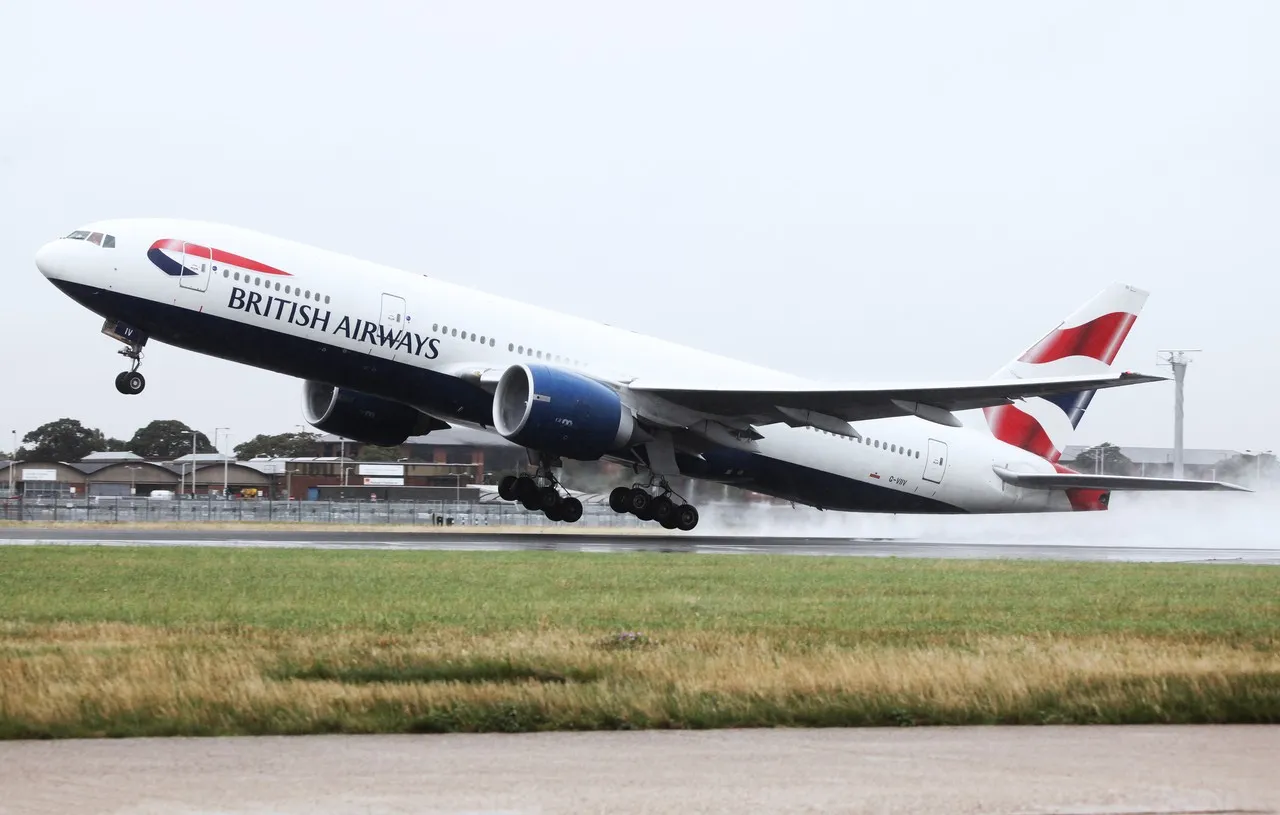
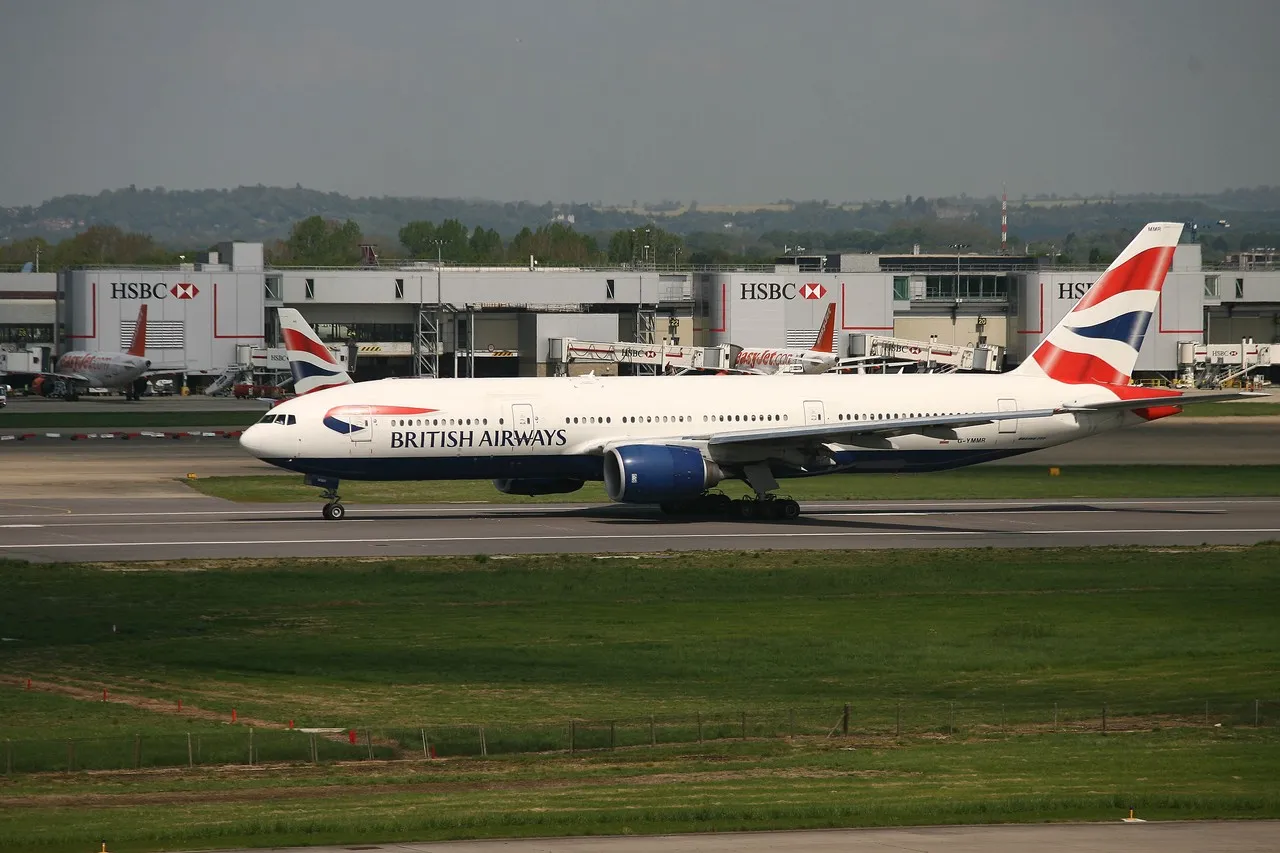
British Airways (BA) will launch a new nonstop route from London Heathrow Airport (LHR) to Orlando International Airport (MCO), Florida, on July 21, 2026. The service marks the first time BA has flown the Heathrow–Orlando route outside the pandemic years, and it will run for just five weeks, ending on August 29, 2026. The airline filed the schedule with Cirium Diio, confirming 18 round-trip flights operated on the 272-seat Boeing 777-200ER, Simple Flying reported.
The new route brings British Airways’ total US network from Heathrow to a record 26 airports this summer, surpassing its previous high of 25 routes set in 2022 and 2023. Combined with an average of 47 daily departures to the US from Heathrow in the third quarter of 2026, this represents the airline’s busiest-ever transatlantic operation from its home hub.
Full Flight Schedule for the Heathrow-Orlando Route
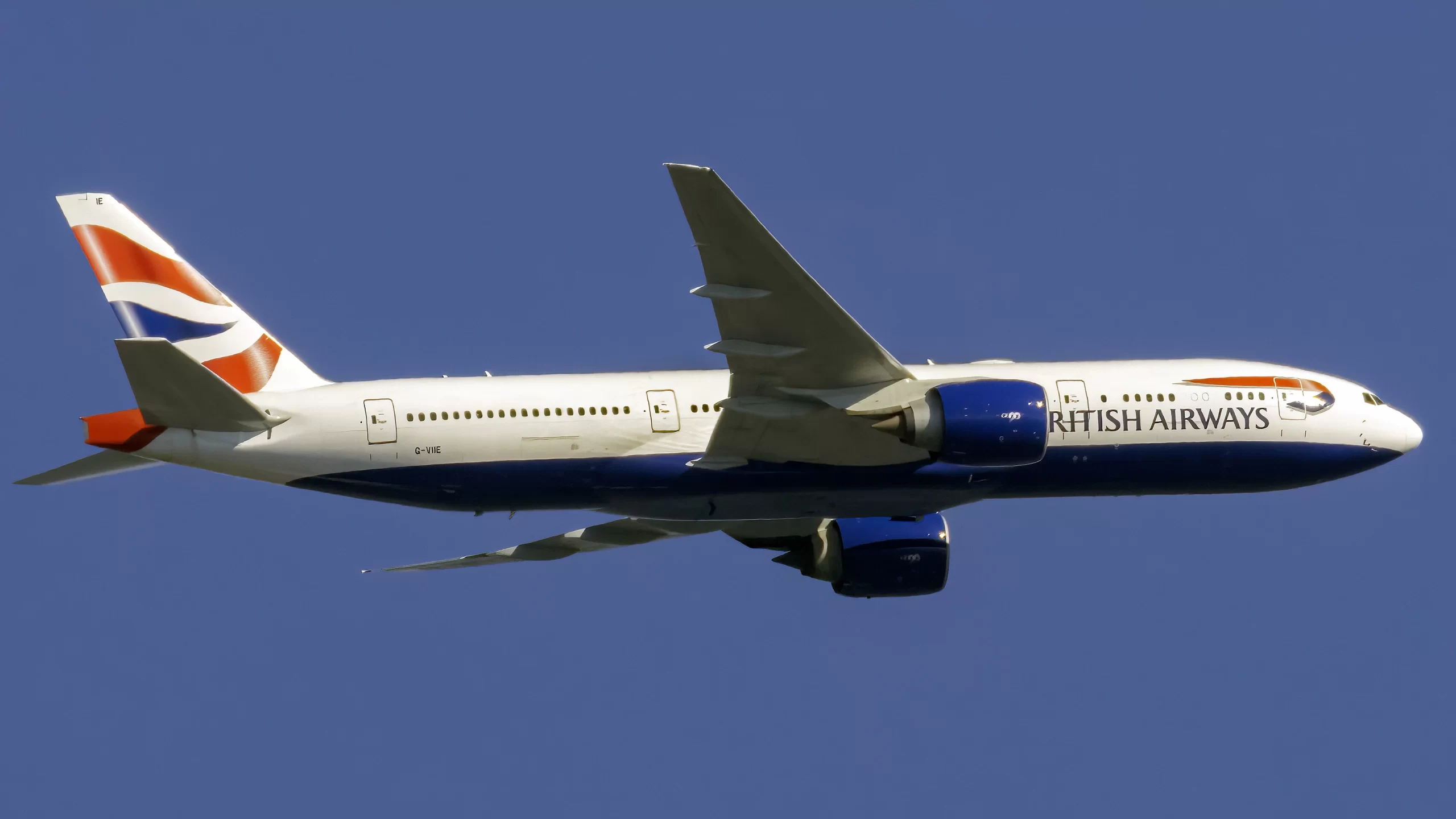
British Airways will operate the new Heathrow-Orlando service three times weekly, on Tuesdays, Thursdays, and Saturdays. The flight uses BA’s joint-earliest transatlantic departure time, an 8:20 am slot from Heathrow that it otherwise reserves for its New York JFK route.
- Heathrow to Orlando: Departs 8:20 am, arrives 12:55 pm local time.
- Orlando to Heathrow: Departs 6:10 pm, arrives 7:45 am the next day local time.
- Operating period: July 21 to August 29, 2026.
- Frequency: 18 round-trip flights across the five-week window.
- Aircraft: Boeing 777-200ER, configured with 272 seats and BA’s newer Club Suites in business class.
This short operating window deliberately covers the UK school summer holidays, the period of highest leisure demand for Florida travel from Britain.
Why British Airways Chose This Specific Window
British Airways already serves Orlando from London Gatwick Airport (LGW) year-round, using higher-capacity, lower-premium Gatwick-configured Boeing 777-200ERs. The new Heathrow service is a separate, supplementary offering rather than a replacement.
The five-week timing aligns precisely with when UK families are most likely to travel and when fares for Florida routes peak. By restricting the route to the highest-yield period, BA can test demand at Heathrow without committing to year-round flying or competing directly against its own established Gatwick service.
This kind of short seasonal window is not new for BA. Earlier in 2026, the airline used a similar approach when it launched seasonal flights from London Heathrow to St. Louis Lambert International Airport (STL), initially running four weekly Boeing 787-8 flights before later expanding the route into a more established service.
How Heathrow-Orlando Compares to Rival Carriers
The new BA frequency at Heathrow brings its total Orlando service, when combined with the Gatwick operation, to 17 weekly flights from London during the peak period. Simple Flying noted that this figure matches, “surely not coincidentally,” the same peak summer frequency that Virgin Atlantic (VS) already provides on the Heathrow-Orlando route.
Virgin Atlantic’s transatlantic joint venture partner, Delta Air Lines (DL), previously also served the Orlando-Heathrow route but has since withdrawn from it. This leaves Virgin Atlantic as BA’s most direct nonstop competitor on the new route at Heathrow specifically, even though competition from Gatwick-based carriers and Florida-focused leisure airlines remains intense across the wider London-Orlando market.
Orlando International Airport itself ranks among the busiest airports in the United States and is one of the country’s top leisure gateways. We had previously reported on Orlando’s consistent placement among America’s top 10 busiest airports by passenger volume, underscoring why multiple UK carriers continue to compete for the London-Orlando market despite its highly seasonal demand patterns.
British Airways’ Record US Expansion from Heathrow
The Orlando route is one of three notable additions driving BA’s record 2026 US network from Heathrow. The airline also returned Dallas/Fort Worth International Airport (DFW) to its schedule after an absence, having brought the route back in October 2025. Separately, BA launched its new St. Louis service in April 2026, becoming the city’s first European carrier connection to London in over two decades and only the second European airline serving St. Louis overall, after Lufthansa’s Frankfurt link.
Beyond these headline new routes, BA has also added incremental capacity at several existing US destinations for the third quarter of 2026 compared to the same period in 2025. These include Austin, Cincinnati, Houston Intercontinental, Las Vegas, and San Diego. Miami now receives up to twice-daily BA service, while New York JFK has risen to as many as nine daily departures, partly a consequence of BA ending its JFK-Gatwick routing. One exception to this growth pattern is Nashville, where BA’s departures have declined year over year, even as the airline upgauges aircraft type on the route, replacing the Boeing 777-200ER with the Airbus A350-1000.
The record US growth from Heathrow is notable partly because it runs counter to a broader pattern of network contraction elsewhere in BA’s system. British Airways has removed or shifted at least 19 airport pairs from its global schedule since early 2025, spanning long-haul, short-haul, and regional services. Among the most symbolic casualties of that broader restructuring was BA’s Heathrow-Kuwait City service, terminated in March 2025 after more than 60 years of continuous operation.
What This Means for Passengers
For UK travellers, the new BA Heathrow-Orlando service offers a meaningful change: it allows passengers connecting through Heathrow’s broader long-haul network — rather than Gatwick — to reach Orlando without a transfer to a second London airport.
Given Heathrow’s status as BA’s primary hub for global connections, the new route is likely to appeal most strongly to passengers travelling onward from other international markets via London, alongside UK-based leisure travellers who prefer Heathrow’s facilities and connectivity over Gatwick.
Because the route operates for only five weeks and at a relatively modest three-times-weekly frequency, seat availability during the peak summer holiday period may be limited. Passengers seeking this specific routing are advised to book early, particularly given that the flight times align with peak UK summer holiday demand patterns.