In an industry where airlines constantly reallocate aircraft in response to demand, British Airways (BA) has quietly undertaken one of the most consequential network restructurings of recent years. Since early 2025, the UK flag carrier has removed or shifted at least 19 airport pairs — spanning long‑haul, short‑haul and regional services — from its global schedule, Simple Flying reported using data from Cirium.
Rather than a few isolated cancellations, the breadth and pattern of these cuts reveal a deliberate strategic shift: BA is consolidating capacity at its core London Heathrow hub (LHR), streamlining operations out of London Gatwick (LGW) and City Airport, and exiting low‑yield markets entirely.
This comes only days after Korean budget carriers decided to cut some routes following due to Israel and US’ war on Iran.
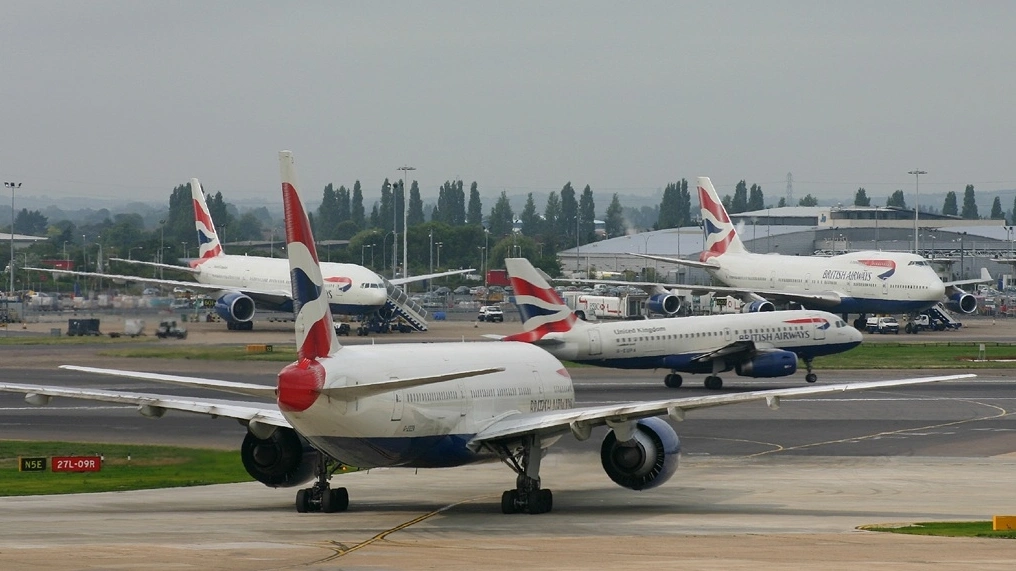
British Airways Has A Strategic Reshuffle, Not Just Random Cuts
According to industry schedule trackers and internal data, BA’s route reductions since January 2025 include 19 distinct airport pairs that have either been dropped or moved.
Rather than simply shrinking its footprint, BA has taken a targeted approach:
- Consolidating long‑haul flying at Heathrow to strengthen network connectivity and yield.
- Phasing out weaker or redundant services from Gatwick and smaller regional airports.
- Redirecting aircraft to higher‑demand markets and core business flows — notably transatlantic links.
This is significant because British Airways, which has one of the best inflight amenity kits, operates one of the most expansive route networks of any European legacy carrier, servicing more than 200 destinations across 65+ countries from its London hubs.
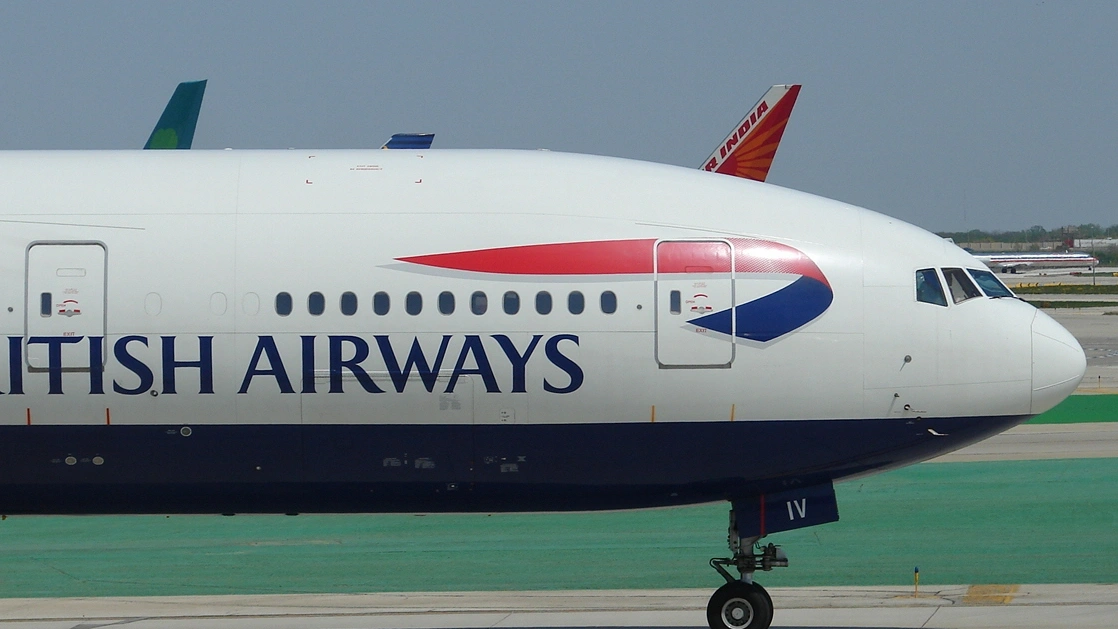
Heathrow Loses Kuwait Route Ends After Six Decades
Perhaps the most symbolic casualty of this shift was BA’s Heathrow–Kuwait City service, terminated in March 2025 after more than 60 years of continuous operation.
This route had been flown mostly by Boeing 787 Dreamliner aircraft but had struggled with competitive pressures, including expanded Kuwait Airways service into Heathrow — putting downward pressure on yields and load factors.

Long‑Haul Cuts From Gatwick
Unsurprisingly, the bulk of BA’s long‑haul service reductions have come from London Gatwick (LGW) — the airline’s secondary London gateway.
According to schedule data and route maps reviewed up to April 2026:
- Cape Town (CPT) – Service ended in January 2025.
- Aruba (AUA) (operated via Antigua) – Dropped in March 2025 with no replacement UK operation.
- Las Vegas (LAS) and New York JFK (JFK) – Both terminated at Gatwick in October 2024 and not offered again from that airport.
- Tampa (TPA) – Set to end Gatwick operations in late 2025 as capacity shifts to Heathrow.
- San José (SJO), Costa Rica – Discontinued at Gatwick in March 2026, although the service is transferring to Heathrow.
Crucially, only Aruba was fully dropped from BA’s global network — others are being preserved under Heathrow operations, underscoring the airline’s pivot to its main hub.
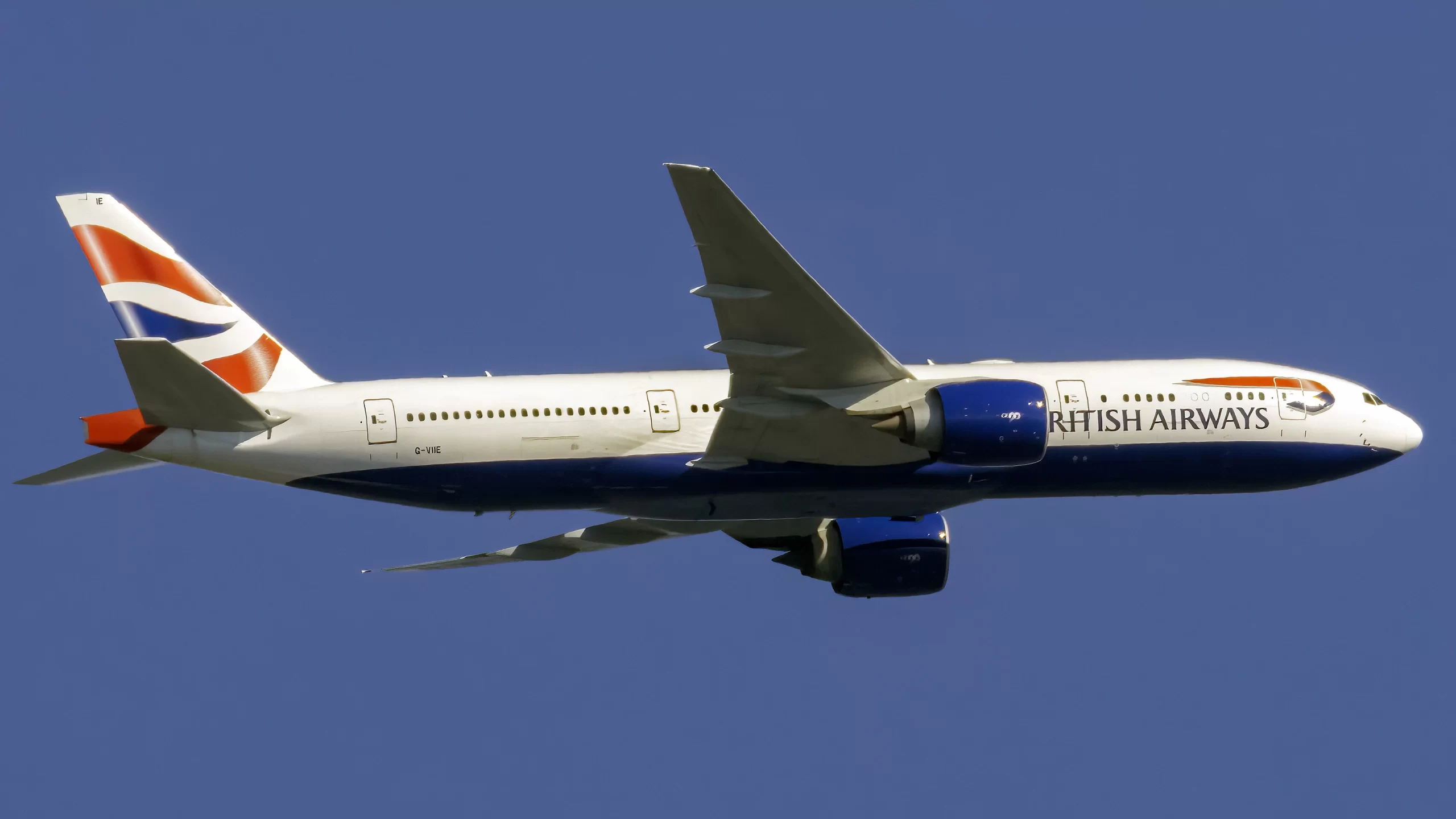
Heathrow’s Growing Role in British’s Transatlantic Focus
Far from shrinking, BA’s long‑haul network from Heathrow is growing exponentially in higher‑demand markets even as it cuts elsewhere. According to schedule trackers and network analysis:
- New York JFK now enjoys up to nine daily flights from Heathrow — one of the densest transatlantic services in the world.
- Las Vegas is being retained from Heathrow at up to 10 weekly departures, showing BA’s commitment to U.S. leisure demand.
Why Some Short‑Haul and Regional Routes Disappeared
The network retrenchment isn’t limited to long‑haul flying. BA has also removed a string of short‑haul and regional links, many of which were introduced only recently or were marginal from a profitability standpoint:
Heathrow Short‑Haul Reductions
- Services such as Heathrow–Grenoble and Heathrow–Bilbao were discontinued within months of launch.
- Routes to Izmir (ADB), Istanbul Sabiha Gökçen (SAW), Cologne (CGN), Riga (RIX) and Stuttgart (STR) have also been dropped.
- Many of these faced intense competition from low‑cost carriers operating from London’s other airports, squeezing yields and occupancy figures.
Regional UK Reductions
Some smaller or niche operations have also been axed:
- BA CityFlyer ended London City–Prague, a service that had operated since 2017.
- A Stansted–Amsterdam Sunday service was cut, despite its utility as a positioning operation for CityFlyer.
- Flights from Edinburgh to Olbia (Olbia airport in Sardinia) and London City–Frankfurt also disappeared.
These closures reflect BA’s pragmatic approach to trimming marginal markets where competitive dynamics or low yields undermine commercial logic.
A Wider Industry Backdrop — Not Just BA
British Airways’ network trimming isn’t happening in isolation. Airlines across Europe and beyond have been reshaping schedules due to fuel costs, airspace disruption, geopolitical forces and shifting global demand patterns. For example:
- Qatar Airways has reduced over 130 London–Doha flights this year and handed some slots to BA.
- Ongoing conflict and airspace closures affect regional schedules, prompting carriers to shift capacity away from certain markets.
These forces increase pressure on legacy carriers like BA to adapt, reallocate and compete more strategically on their most valuable markets.
All in All
Importantly, the narrative isn’t all contraction. BA is also expanding its network in targeted areas, even as it trims elsewhere.
For winter 2026, the airline plans:
- New long‑haul services to Melbourne, Australia and Colombo, Sri Lanka.
- Increased frequencies to destinations such as Cape Town, Tokyo Haneda, Barbados and Kingston.
- Short‑term added flights to Bangkok and Singapore to manage shifting demand due to Middle East disruptions.
This combination of cuts and expansions tells a clear story: BA is pruning lower‑yield points while investing in higher‑growth, higher‑connectivity markets that align with its core business and premium leisure traffic.


.jpg)


_@_LHR,_Jan_2020.jpg)