British Airways (BA), which operated the iconic flight number BA001, is set to operate a route that hasn’t been used by prominent carriers around the world for twenty years: from London Heathrow (LHR) to St. Louis Lambert International Airport (STL). In doing so, the aircraft will cover approximately 3,650 nautical miles (6,760 km) each way.
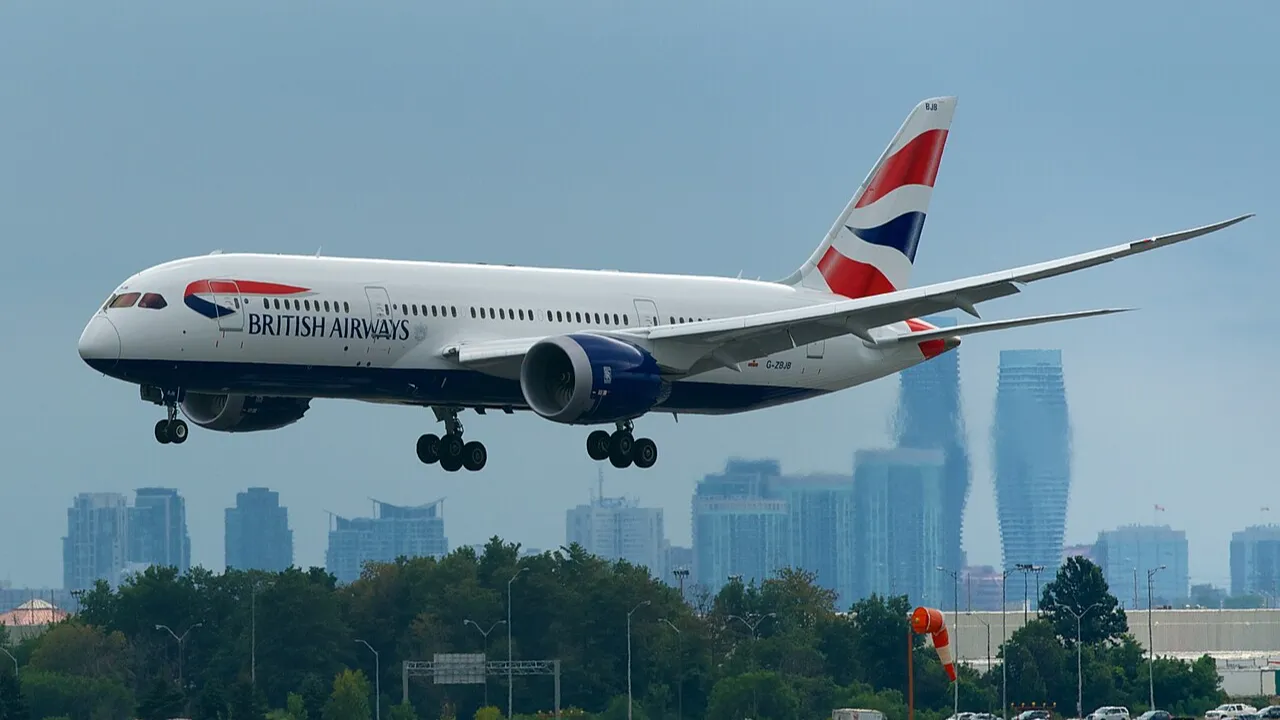
British Airways, the operator of the Concorde, will be operating the Boeing 787‑8 Dreamliner on this route, and there will be four weekly operations at the start. Current published local times indicate departures from Heathrow at 16:25 with arrival in St. Louis at 19:30, and return flights departing STL at 22:00 to arrive back in London at 12:05+1.*
*These times may be subject to adjustment as scheduling finalizes.
Concorde’s Top Speed: A look at the safest supersonic airliner’s pace
Why British is looking to operate to/from St. Louis?
BA’s route to St. Louis is the airline’s “27th US destination and only direct UK link to the city“.
One of the biggest reasons why BA is looking to operate to and from US cities is the enormous revenue potential. According a research quoted in The Telegraph:
“…industry research and peer city benchmarks display that non-stop service to Europe could generate anywhere between $50 million and $100 million. That could very well mean an increase in global business in St. Louis, new tourism revenue and a more international appeal.”
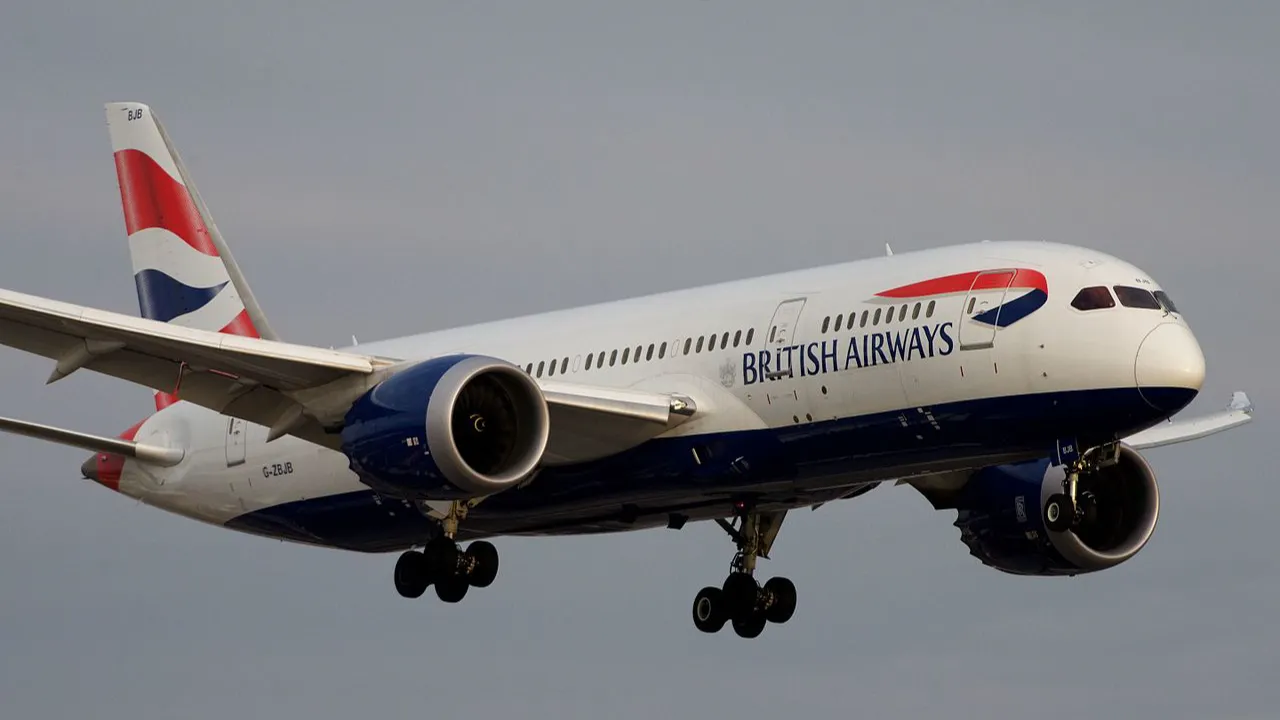
Some of the other economic potential of operating to St. Louis include:
- St. Louis is home to more than three million people in its metro area.
- It hosts headquarters or major operations of multiple Fortune 500 and large industrial firms, lending strong business connectivity potential. T
- he region’s GDP reached approximately $227 billion in 2023 and has been among the fastest-growing per capita in the U.S. in recent years.
From a demand perspective, data for the 12 months to June 2025 indicates roughly 730 daily round‑trip passengers between St. Louis and Europe, rising above 830 when including South Asia & Middle Eastern connectivity. That underscores an under‑served market currently reliant on connecting flights.
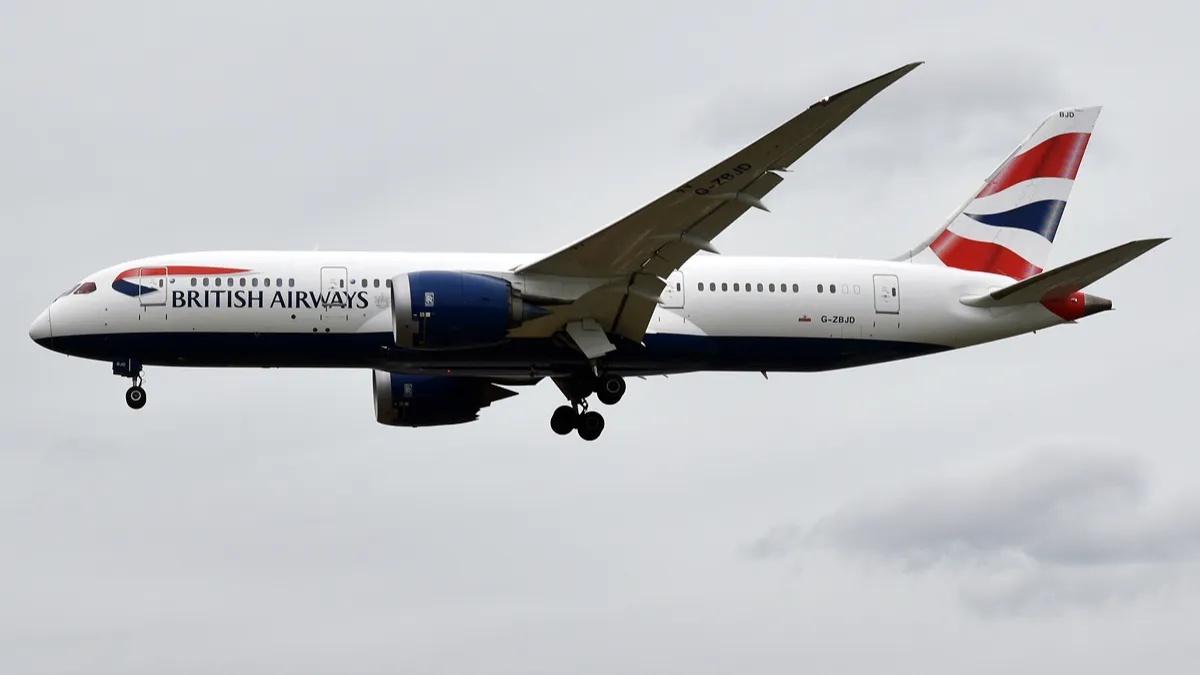
How high will the prices be on BA’s London- St. Loius route?
St. Louis has seen air operations to/from London on multiple occasions in the past. Notably, American Airlines(AA), the busiest US airline, used to operate the St. Louis – London Gatwick until route until 2003. According to aviation publication Simple Flying, this was a route AA took over from TWA as part of its former hub operations. Two decades prior to AA’s operations, British Caledonian also flew to St. Louis, in part to connect with Ozark Airlines’ domestic network.
London remains comfortably the single largest origin market for STL among transatlantic traffic, giving BA a foundation to build upon.
St. Louis Mayor Cara Spencer welcomed British Airways’ decision to introduce service between St. Louis and London, saying the route would strengthen the city’s international connectivity and provide residents with a direct link to Europe and onward destinations. She also highlighted the potential benefits for the local economy and St. Louis’ international profile.
Kevin F. O’Malley, chair of the St. Louis County Port Authority, similarly described the new connection as the result of a long-standing effort to secure nonstop service between St. Louis and London. He said British Airways’ decision reflected the progress the city and region have made in developing their international aviation links.
British Airways has not provided an extensive standalone statement beyond its route announcements, but comments from the airline’s executives in previous expansion plans indicate that the St. Louis service fits within its broader strategy of developing its U.S. network and identifying opportunities in long-haul markets.
The route is therefore significant for both sides. For St. Louis, it provides a direct international connection with potential economic and tourism benefits, while for British Airways, it represents another opportunity to expand its transatlantic network and make use of its long-haul fleet.
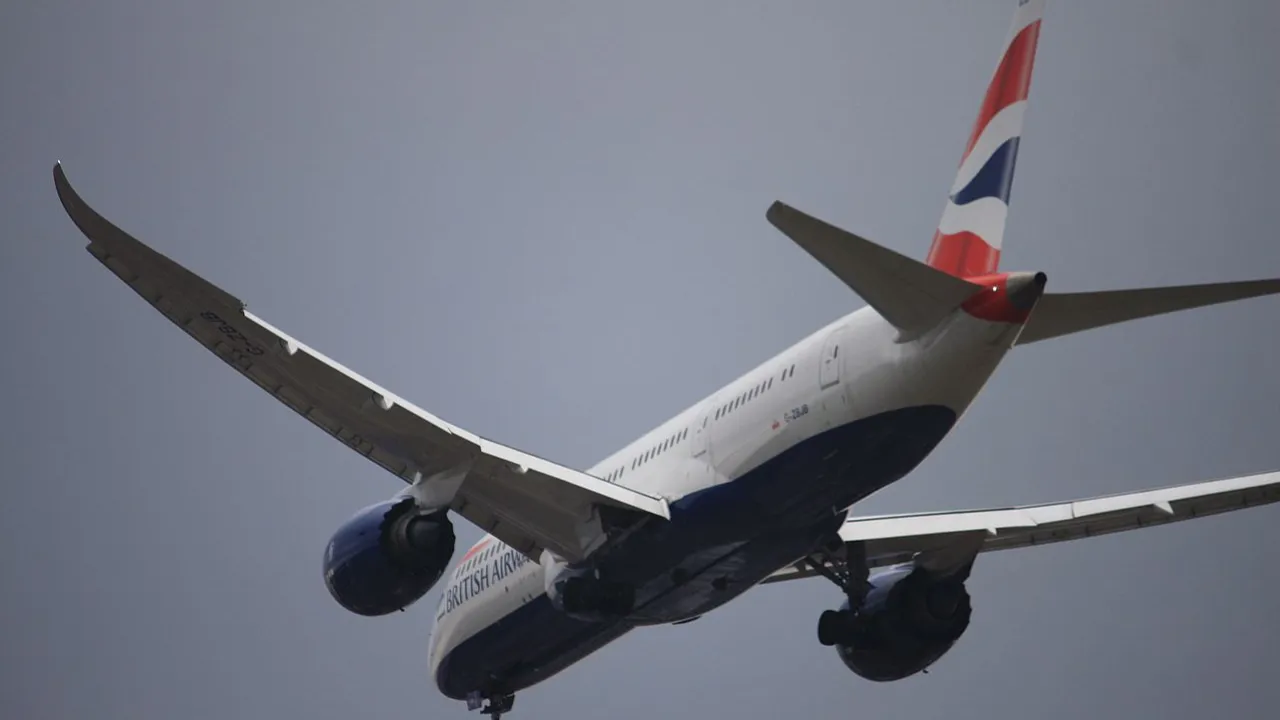
BA’s London-St. Louis Flight Schedules and price
Here’s BA’s flight schedule for operations between London and St. Louis:
| Flight Number | Days of Operation | Departure Airport | Departure Time | Arrival Airport | Arrival Time |
|---|---|---|---|---|---|
| BA221 | Tuesday, Wednesday, Friday, Sunday | London Heathrow (LHR) | 16:25 | St. Louis Lambert International Airport (STL) | 19:30 (UTC‑6) |
| BA220 | Tuesday, Wednesday, Friday, Sunday | St. Louis Lambert International Airport (STL) | 22:00 | London Heathrow (LHR) | 12:05 (+1 day) |
According to BA, the return fares start from £529
All in all
The launch of BA’s London-St. Louis route aligns with the centennial celebration of Route 66—the iconic American highway that starts in Chicago and passes through St. Louis en route to Los Angeles.
It serves as an ideal gateway for travelers looking to embark on an authentic, all-American road trip. One should wait and watch of the London-St. Louis route will be as iconic as the road whose centennial the inauguration of BA’s flight coincides.



.jpg)
.jpg)
.jpg)
_British_Airways._(14824522995).jpg)