Photo: Brian Robert Marshall | Wikimedia Commons
A layperson’s understanding is that increasing the speed of commercial aircraft would be a boon for the aviation community. A report from BBC showed that planes have become slower in the past 50 years. A flight in 1967 from New York to Los Angeles which took 5 hours and 43 minutes, currently is 40 minutes longer.
In an age where it has been said that had the automobile technology had developed at the same rate at which computer technology did, “you would be able to buy a Rolls-Royce for £1.35, it would do three million miles to the gallon…you could place half a dozen of them on a pinhead.” it wouldn’t be an exaggeration to say that speed of aircraft have been as languishing as, if not more languishing than, ever.
The reason behind why aircraft don’t fly faster lies in efficiency, fuel consumption, passenger preferences, and airline profitability.
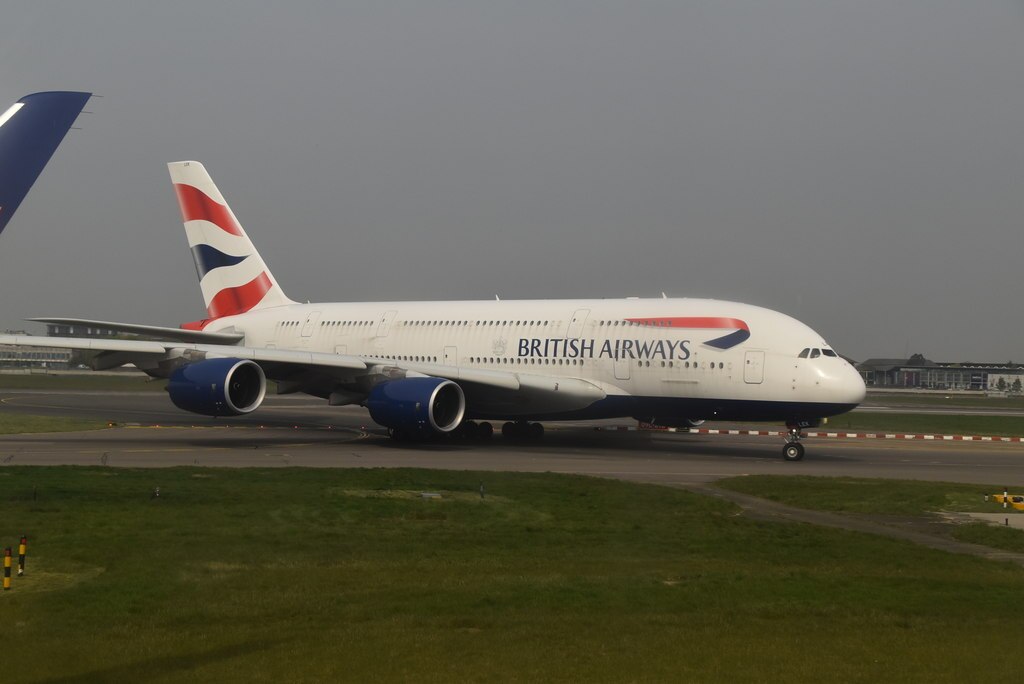
Photo: N Chadwick | Wikimedia Commons
The Rise and Fall of Supersonic Planes
In an effort to enhance travel speed, British Airways introduced the supersonic Concorde for commercial flights on the London-New York route. The Concorde significantly reduced travel time for voyages across the pond asone could complete the journey in just three hours.
However, despite its impressive speed, the Concorde faced several challenges. One major issue was its high fuel consumption, using approximately 46.85 lbs of fuel per mile, compared to the 18.7 lbs per mile of regular planes. This resulted in significantly lower fuel efficiency, with the Concorde covering only 14 miles per gallon, while standard aircraft could travel up to 104 miles on the same amount of fuel.
Additionally, the cost of flying on the Concorde was extremely high. In 1996, Concorde offered a roundtrip across the Atlantic at $12,500 in today’s money, with some paying as much as $60,000 on eBay for two tickets for the final flight. These factors contributed to the eventual discontinuation of the Concorde as a commercial aircraft.

Photo: Flickr | Wikimedia Commons
The Economic Downfall of the Concorde
he French and UK governments each poured in $1.44 billion — a combined $2.8 billion — to ensure that their supersonic rival to the Soviet Tu-144 would get off the ground, vastly exceeding the original $130 million development estimate. However, the aircraft wasn’t profitable.
British Airways discontinued the Concorde, with its final flight taking place on October 24, 2003. Since then, no commercial supersonic planes have been in service. Today, subsonic planes operate at speeds of 500–550 mph, even though they can reach 700 mph if needed. A private jet, the Global 8000, did touch the speed of sound during the tests, though.
Concorde produced too much noise
Another major concern was the loud noise generated by the aircraft. When flying faster than the speed of sound, the Concorde produced a powerful sonic boom, which could be heard by people on the ground. This disturbance made supersonic flights unpopular in certain areas.
In France, Concorde aided in the development of acoustic fencing, while in the UK, tranquility maps were issued following the controversy surrounding Concorde’s noise.
Concorde underwent many pressurization cycles
Financially, airlines faced significant losses due to the increased number of takeoffs and landings. The lifespan of an aircraft is determined by its total number of flight cycles or pressurization cycles (referring to the fact that an aircraft has to start, be pressurized, depressurize and finally land to complete a pressurization cycle) it undergoes. Since the Concorde completed long-distance flights in half the usual time, more flights were scheduled, reducing the aircraft’s longevity.

Photo: Acroterion | Wikimedia Commons
Why Airlines Prioritize Efficiency Over Speed
Although commercial aircraft are capable of flying faster, airlines generally cruise at around 500–550 mph because this range provides a better balance between speed and fuel efficiency. Fuel represents one of the largest operating expenses for carriers, so flying at an economically optimal speed can significantly reduce consumption while helping airlines control costs, limit mechanical stress and maximize aircraft utilization.
Supersonic aircraft such as the Concorde took the opposite approach by prioritizing speed, but this came with major compromises in capacity and cabin comfort. The Concorde carried only around 100 passengers, while its relatively cramped cabin offered less space than the cabins of many modern commercial aircraft. For conventional airlines, however, shaving time off a flight is generally less valuable than reducing the cost of operating it.
Carriers can improve profitability by using efficient cruising speeds, maximizing the number of passengers carried and allocating more cabin space to higher-yield business- and first-class seats. They also rely on dynamic pricing to adjust fares according to demand and carefully control seat availability to generate the greatest possible revenue from each flight.
These strategies allow airlines to focus on fuel savings and revenue management rather than simply increasing aircraft speed. For most passengers, affordable fares, comfortable cabins and reliable service are also more important than saving a relatively small amount of time in the air, making efficiency a more commercially attractive priority than speed.
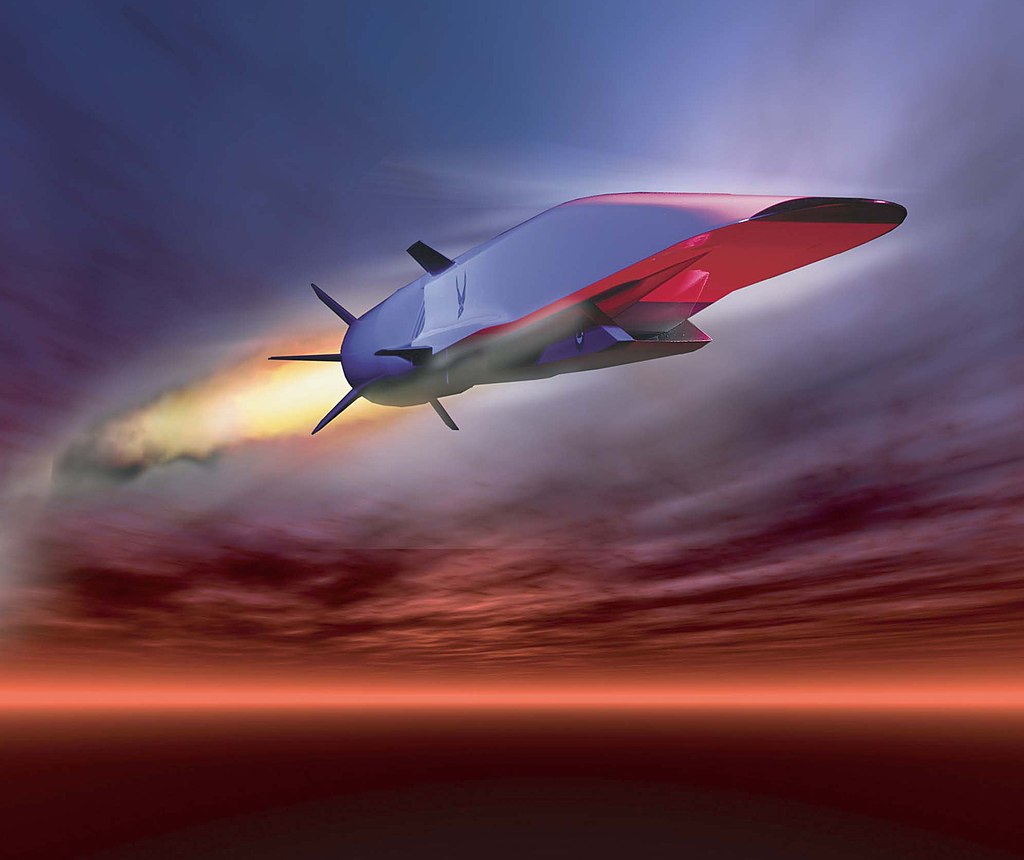
Photo: US Air Force | Wikimedia Commons
The Future of Air Travel: Will Planes Ever Get Faster Again?
The future of air travel raises the question of whether planes will ever become faster again. While advancements in technology make high-speed travel possible, airlines continue to prioritize fuel efficiency and cost-effectiveness over speed. New developments in aerospace technology, such as fuel-efficient supersonic jets and potential hypersonic travel, could change this trend.
Companies are exploring quieter and more economical supersonic aircraft that aim to overcome previous challenges. While commercial airlines may not return to supersonic speeds soon, innovations in aircraft design and sustainable fuels could eventually make faster air travel a reality.