There was a time when Air India was considered one of the best airlines in the world. A survey conducted by the Daily Mail in 1968 revealed that Air India “topped the list of airlines in the world” . In fact, in that same year, three-fourths of Air India’s passengers were foreigners who came from countries with their own airlines. However, today, the situation is dire. after incurring hundreds of millions in losses, the government was forced to sell the airline, reported the BBC:
“The Tatas paid nearly $2.4bn (£1.7bn) after the government made the terms of the debt less onerous for the buyer…..The handover brings to an end a years-long attempt to sell Air India, which has racked up losses worth $9.5bn…..The government said running the airline was incurring losses of nearly $2.6m every day….Apart from its fleet of over 130 aircraft, the new buyer will now have control of the airline’s 4,400 domestic and 1,800 international landing and parking slots at domestic airports, as well as 900 slots at airports overseas. ”
How did this once-glorious carrier fall from its grace of an exalted airline? In this article, we will explore the fascinating story of Air India.

The Nationalization of Air India Led the Carrier to be Profitable
A significant turning point of Air India occurred in 1953 when the Indian government decided to nationalize the entire airline sector. This decision was disheartening for JRD Tata, as it meant that all Indian airline companies would become government-owned. The government merged eight domestic airlines into one, with the merged airlines being:
- Air India (1946 — formerly, Tata Airlines, the first airline of India — incorporated in 1933)
- Deccan Airways (India’s second domestic airline)
- Airways India
- Bharat Airways
- Himalayan Aviation
- Kalinga Air Lines
- Indian National Airways
- Air Services of India
Additionally, Air India International was nationalized and became a public sector unit owned by the government. Nationalizing major sectors in the 1950s was a key policy of the Nehru government, aimed at supporting industries to foster progress in the country. However, this shift also meant that private businessmen and investors lost control over the airline industry.
Tata had always opposed nationalization. In one of the interviews, JRD TATA said:
“Nationalization of industries, the way it is done, made me oppose the nationalization of industries, though I accept that some activities must be done by the state.”
Later, Nehru wrote a letter explaining the rationale behind the decision, stating that the Congress party had wanted to nationalize the airline for over 20 years but had been unable to do so. He believed that nationalization would ultimately benefit the country, even though JRD Tata disagreed. Despite his opposition, When Air India was nationalized in 1953, Tata was retained as chairman, a position that he held until 1978.
During the 1950s and 1960s, Air India was often referred to as a “Palace in the Sky.” Passengers enjoyed caviar on ice, the finest steaks, champagne, and menus crafted by chefs from the Taj Hotel. The airline was known for its grand lounges, designed by artists from Shantiniketan. JRD Tata played a crucial role in ensuring that Air India maintained its high standards, often flying on its flights to monitor service quality. If he noticed any imperfections, such as a dirty corner, he would take immediate action.
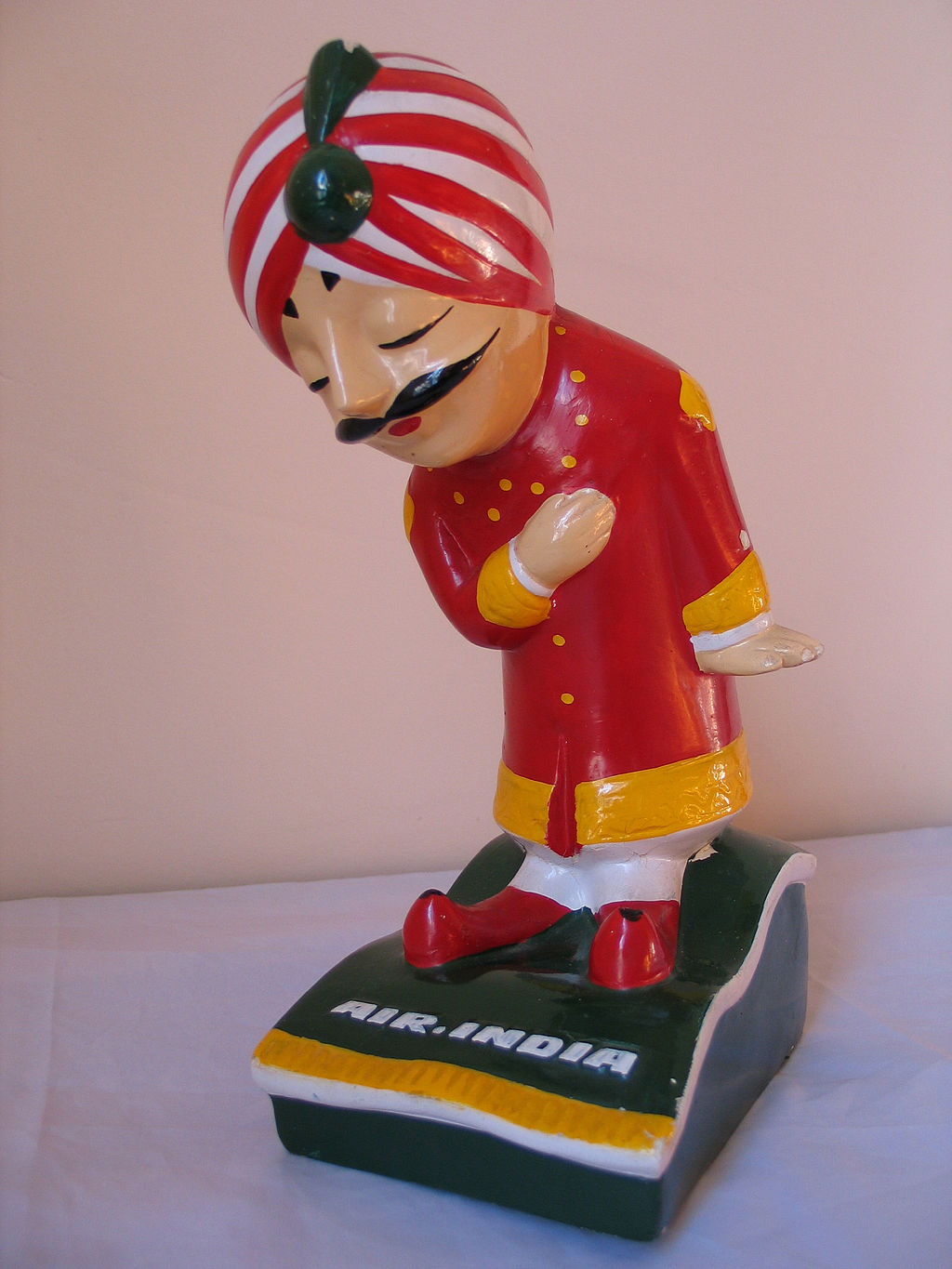
Mascot of the Maharaja in Air India
The Recent Crisis
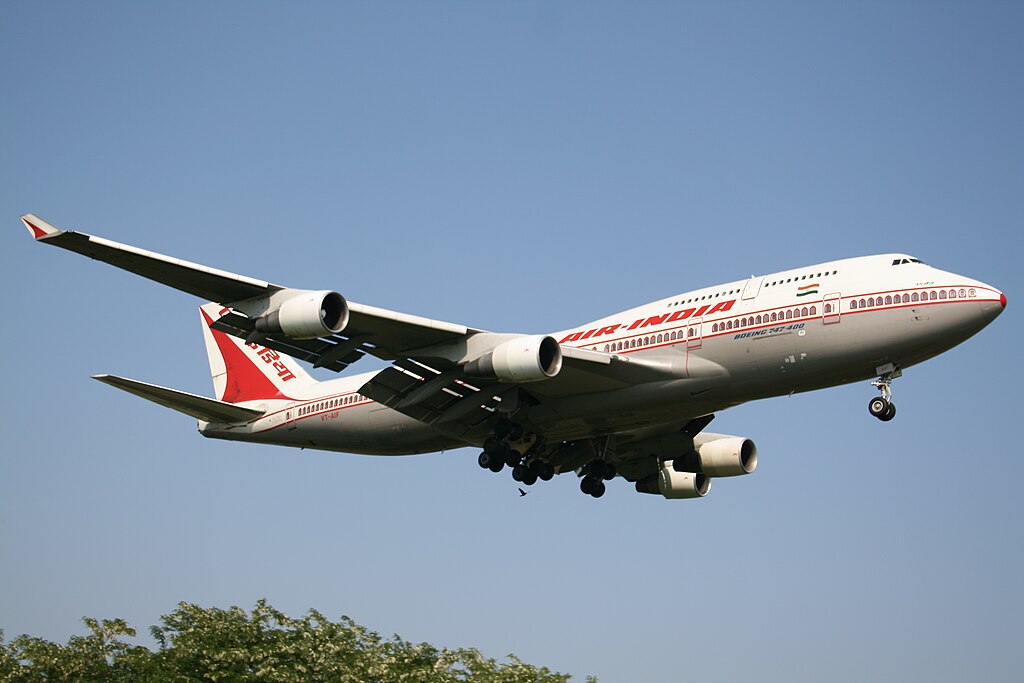
Despite its glorious past, Air India has faced a severe crisis over the last 20 to 30 years. The airline has incurred massive losses, raising questions about the sources of these financial troubles. Understanding the factors that led to Air India’s decline is crucial to grasping the complexities of the Indian aviation industry and the challenges it faces today:
- In 2007, Air India and Indian Airlines reported losses of ₹5.41 billion and ₹2.31 billion, respectively.
- As both airlines were government-owned public sector units, these losses had to be absorbed by the government.
- In an attempt to mitigate these financial woes, the government decided to merge the two airlines in an entity known as National Aviation Company of India Ltd.
Reasons for the Financial Crisis
When the merger of the two powerhouse carriers of India occurred, the government had already acquired a large fleet of aircraft of various specifications and sizes, costing approximately ₹440 billion. This significant investment in new airplanes, coupled with rising salary expenses, contributed to the airline’s financial difficulties.
- The airline faced strikes from pilots demanding fair salaries, which further impacted operations.
- Flights were grounded due to the absence of pilots, leading to revenue losses. In the following years, the government made several poor decisions regarding Air India.
- As passenger revenue declined year-on-year—largely due to increased competition from new international airlines—Air India opted to expand its international routes, expecting to attract more passengers. However, these new routes turned out to be unprofitable.
Moreover, it has been suggested that Air India hired 11,433 employes as against the envisaged requirement of 7245. leading to unnecessary salary expenditures. Jitender Bhargava, a former Executive Director of the company, noted that
“We also can’t overlook the fact that even as a government-owned airline under JRD Tata’s leadership the airline was performing exceptionally well till 1978. The distinguishing fact being that it was then managed by professionals.”
During this period, changes in top management led to a decline in the rigorous training of cabin crew members. In-flight service, once a hallmark of Air India, suffered as a result. The lack of proper training and a more lenient recruitment process led to increased expenses and a decline in service quality, prompting passengers to seek alternatives.
Management Challenges and Government Interference
Over the decades, disagreements between the government and Air India’s management became increasingly common.
- As a public sector unit, Air India was bound to follow government directives, which often lacked industry expertise.
- For instance, in 2007, the government allocated millions of Air India’s funds for advertising, despite management’s belief that such spending was unwarranted at that time.
This situation highlights a strong argument in favor of privatization. Since Air India was a government-owned entity, decision-making authority rested with politicians and bureaucrats who often lacked the necessary knowledge of the airline industry. Questions arose regarding which aircraft to purchase, how many to buy, and which routes to operate. The incompetence of those in leadership positions hindered effective decision-making, as they lacked both experience and motivation.
The Shift from Nationalization to Privatization
Despite the nationalization of Air India in the early 1950s, the airline thrived until the 1970s, becoming a world-renowned carrier. This success can be attributed to effective management, particularly under JRD Tata, who founded the airline and was motivated to maintain its high standards.
In 2017, the government decided to privatize Air India. By March 31, 2020, the airline had accumulated losses exceeding ₹700 billion, a burden that made it increasingly difficult for the government to sell the airline. However, on October 8, 2021, the government successfully sold Air India back to Tata for ₹180 billion. This decision was celebrated as a return of the airline to its original owners.