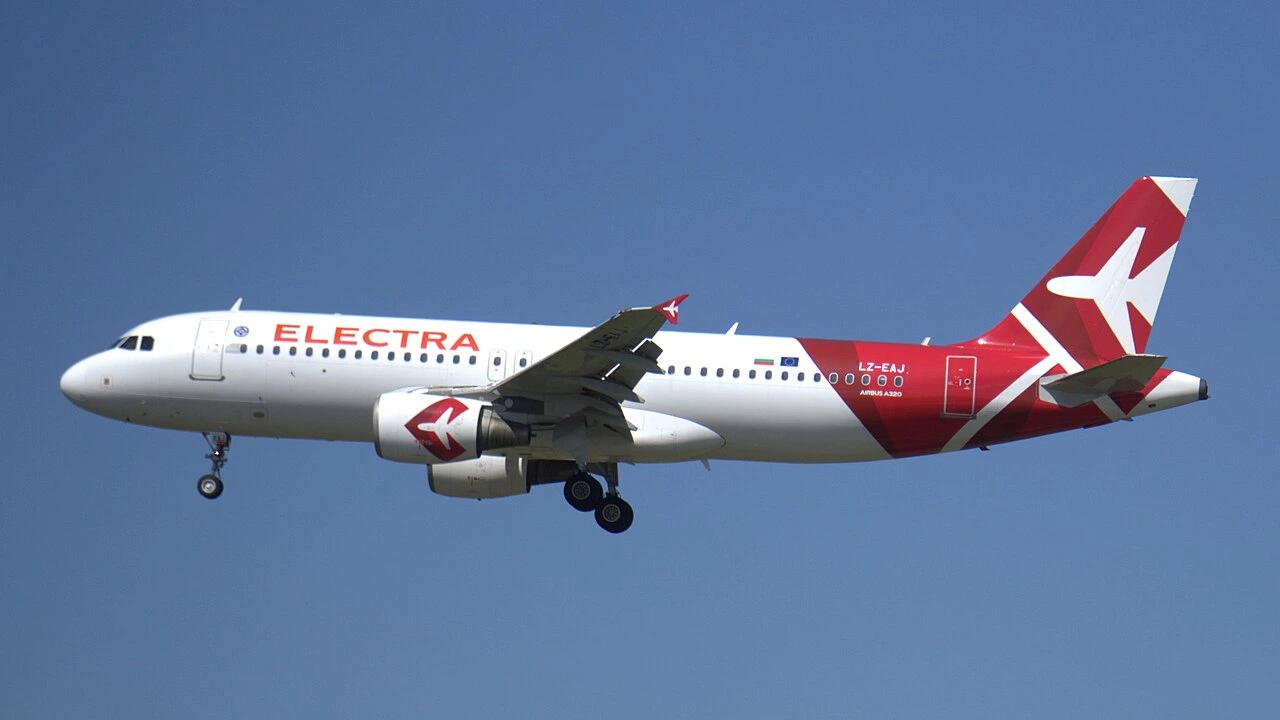
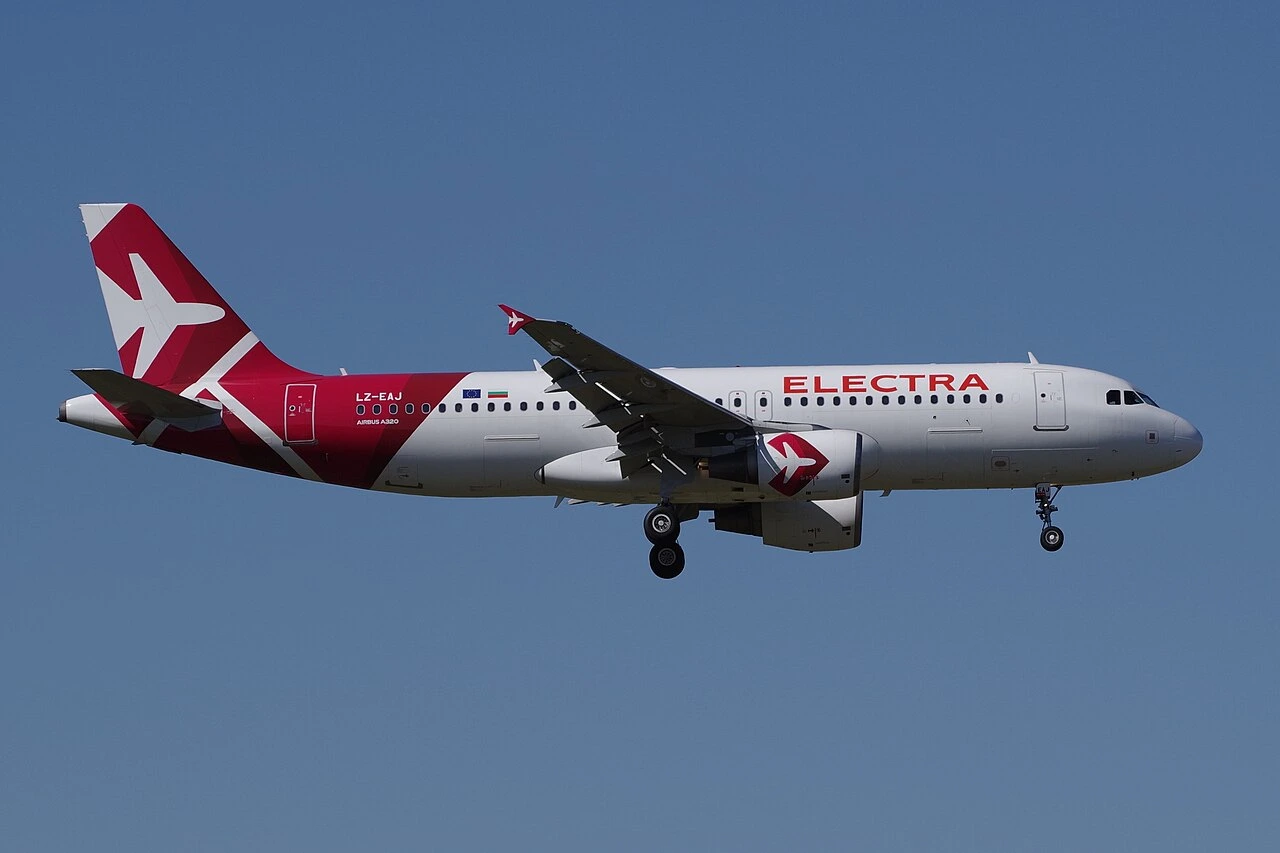
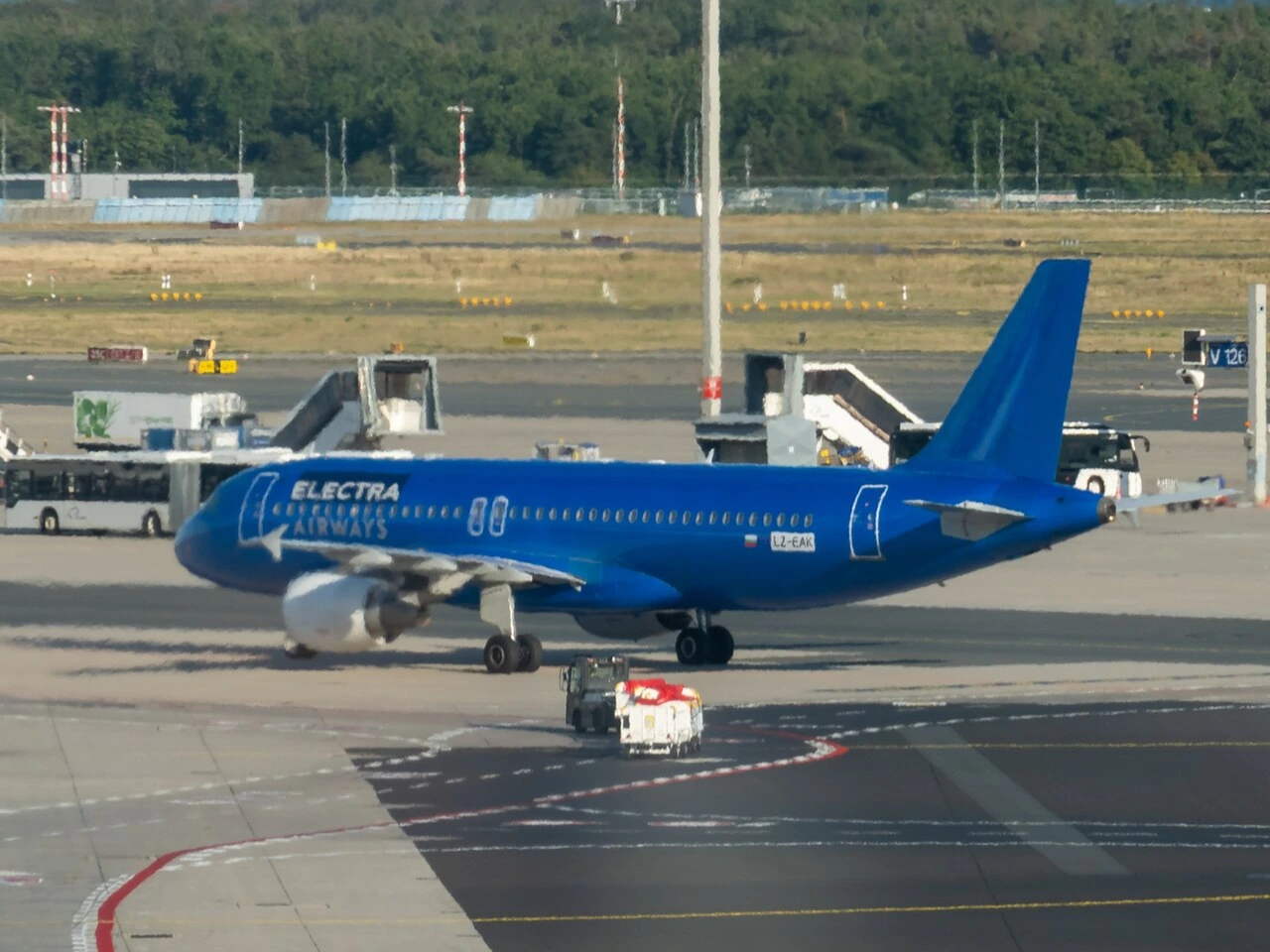
A passenger flight from Warsaw to Tel Aviv made an emergency landing at Burgas Airport (BOJ), Bulgaria, on Tuesday, June 30, 2026, after its transponder mistakenly broadcast a hijack code. The Bulgarian Transport and Communications Ministry said the aircraft, an Airbus A320 flying as LOT Polish Airlines flight LO155, was operated by Bulgarian carrier Electra Airways (3E), Bulgarian News Agency reported. The plane carried 180 passengers and landed safely at 17:15 local time at Burgas Airport, which serves as Electra Airways’ home base.
The transponder sent squawk code 7500, the international signal for unlawful interference or hijacking, according to Radio Bulgaria. Bulgaria, Turkey, and Israel each scrambled fighter jets in response. LOT Polish Airlines (LO) later confirmed the alert was false and blamed the incident on a technical fault, most likely caused by human error in setting the transponder.
What Happened on Flight LO155 From Warsaw to Tel Aviv
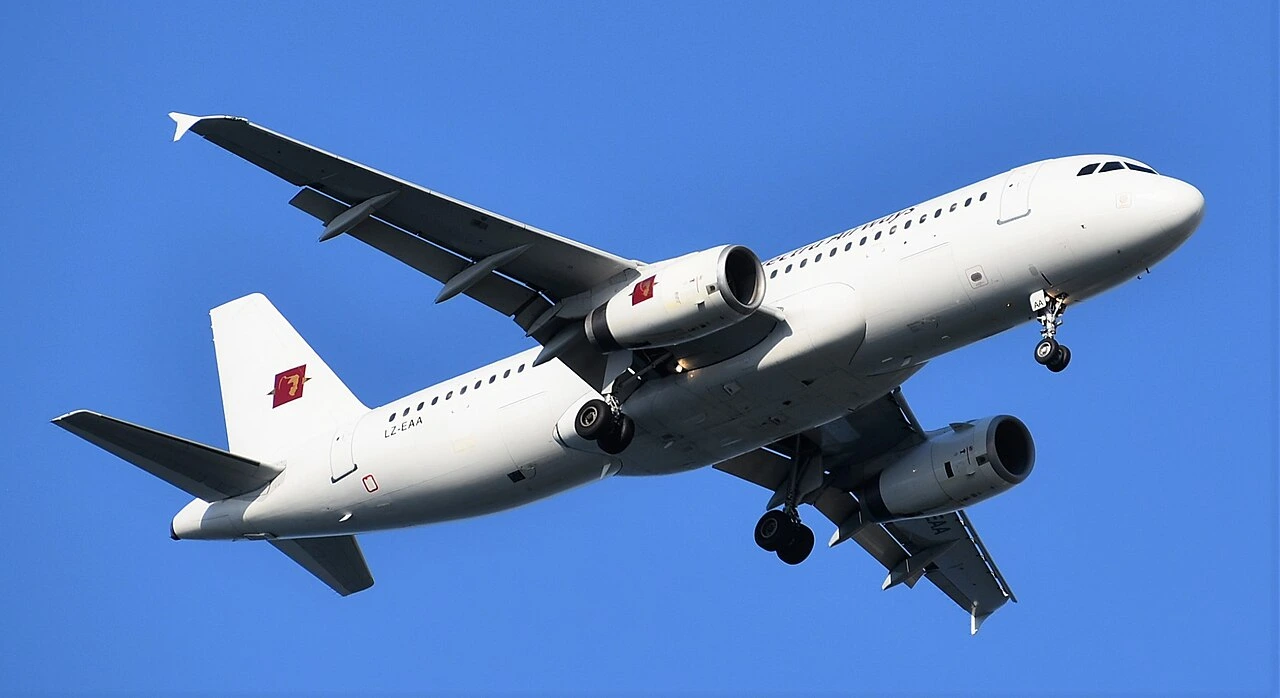
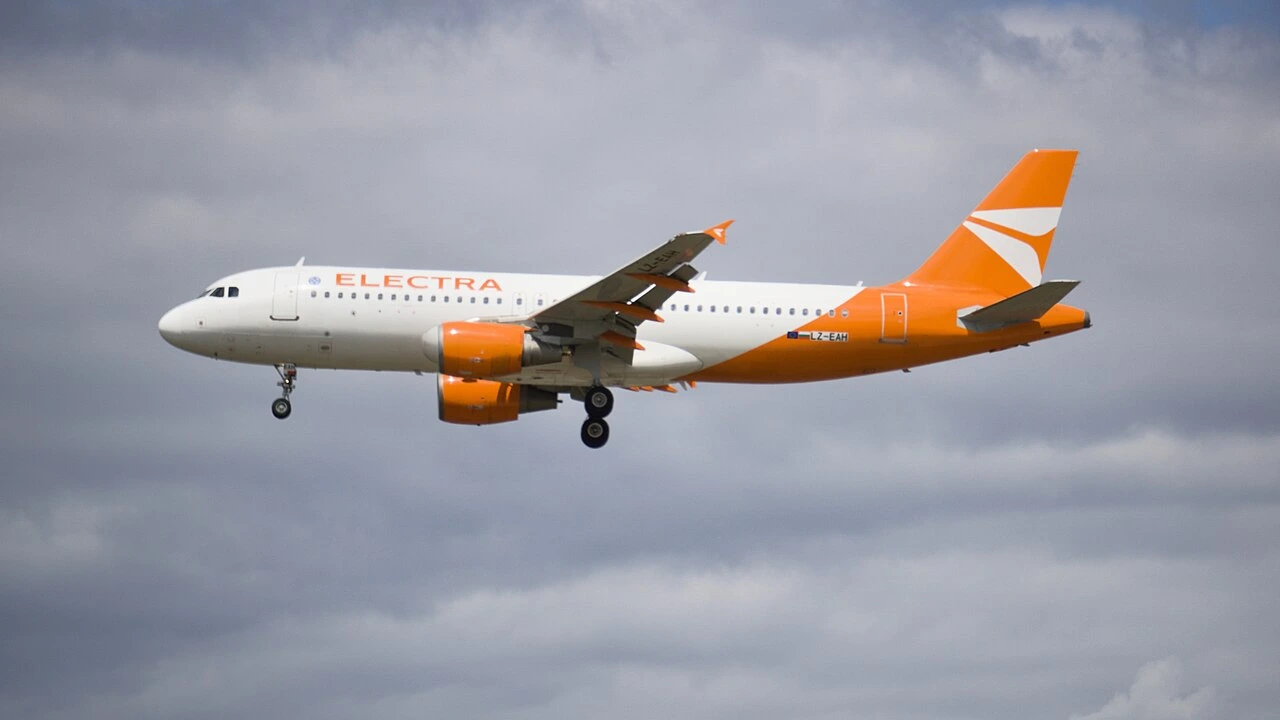
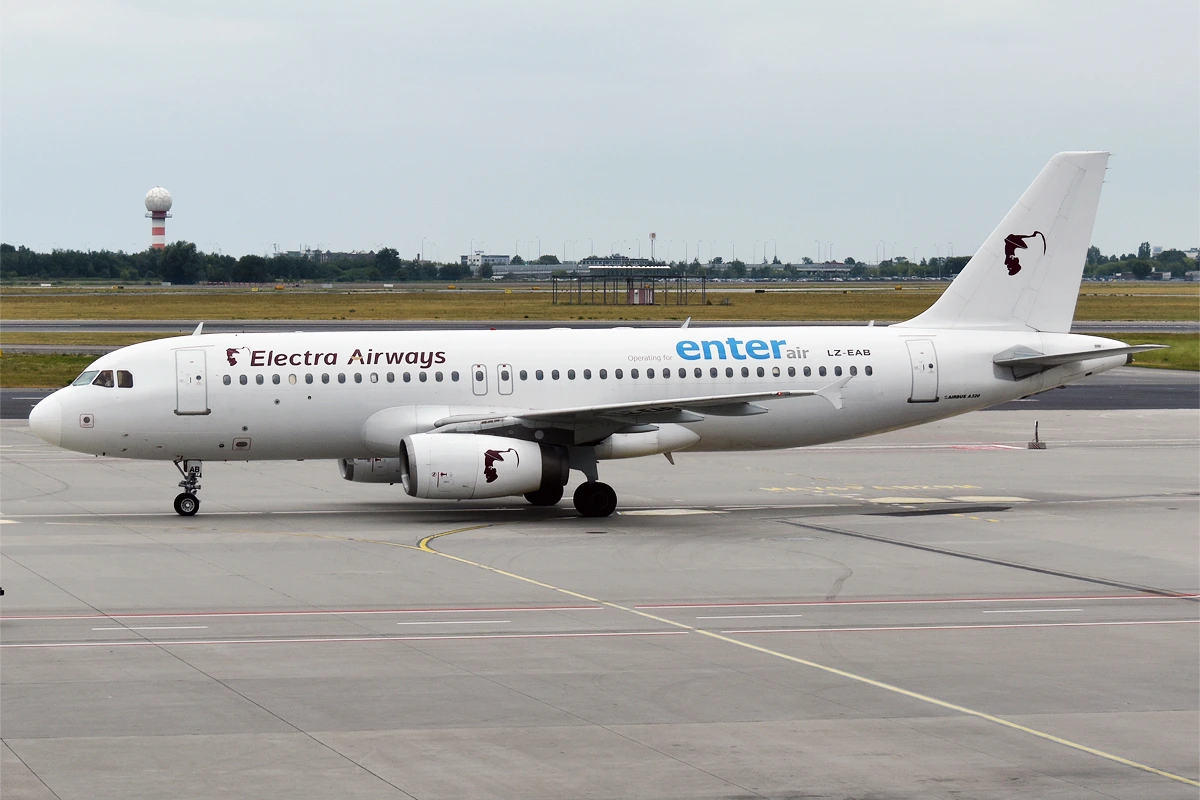
Flight LO155 departed Warsaw Chopin Airport as a scheduled LOT Polish Airlines service. The aircraft itself, an Airbus A320, was flown by Electra Airways under a wet-lease arrangement between the two carriers. This kind of partnership is common in European short-haul aviation, where legacy airlines lease capacity from smaller charter operators during peak travel periods.
The flight was carrying 180 passengers toward Tel Aviv when its transponder emitted the emergency hijack code, according to the Times of Israel. No passengers or crew were harmed at any point during the incident.
Why The Aircraft Squawked Code 7500 Over Turkish Airspace
Squawk code 7500 is one of a small set of universal transponder codes recognised across international aviation. It tells air traffic control and military radar that a plane may be facing unlawful interference, such as a hijacking. Two other codes carry similar weight in commercial flying:
- 7500 signals hijacking or unlawful interference.
- 7600 signals a radio communication failure.
- 7700 signals a general emergency on board.
According to Radio Bulgaria, the aircraft transmitted code 7500 while transiting from Bulgarian into Turkish airspace. LOT spokesman Krzysztof Moczulski told Polish state news agency PAP that the cause was an incorrectly set transponder. He said the incident was “most likely human error,” though he added that the airline would still investigate, calling it an “absolutely exceptional event.”
How Bulgaria, Turkey and Israel Scrambled Fighter Jets
The alert triggered a rapid, layered military response across three countries. Bulgaria’s Air Force launched a MiG-29 fighter jet on June 30 after receiving information from NATO’s Combined Air Operations Centre in Torrejón, Spain. The jet intercepted the aircraft shortly after it crossed Bulgaria’s northern border over the Danube.
As the flight continued into Turkish airspace, two Turkish F-16 fighter jets took over the escort, according to TVP World. Israeli media reported that the Israel Defense Forces also scrambled two fighter jets over the Mediterranean after losing contact with the plane. The IDF later confirmed the situation was resolved, stating: “The event has ended and contact has been restored with the airplane. There is no concern of a security incident”.
The alarm appears to have fired twice during the flight. TVP World, citing Bulgarian public broadcaster BNT, reported the signal triggered once before the plane entered Bulgarian airspace and again after it left Turkish airspace.
Why Cyprus Denied Permission to Land at Paphos Airport
As the aircraft approached the Eastern Mediterranean, the crew sought an alternative landing site closer to its original route. The flight circled near Cyprus and the captain requested permission to land at Paphos Airport. Air traffic authorities declined the request because the airport could not accommodate the aircraft due to increased traffic.
The Cyprus Mail reported that shortly after the alert, the captain informed air traffic controllers that it had been triggered in error. Israeli security officials said there was no indication of a hijacking or terrorist act and attributed the alert to human error in the cockpit, the outlet added. With Cyprus unavailable, the crew turned the aircraft back toward Bulgaria.
How Electra Airways and LOT Polish Airlines Responded
Bulgaria’s Defence Ministry said that once the aircraft left Bulgarian airspace, the carrier requested its return and clearance to land back in the country. Bulgarian Air Force fighters were reactivated to intercept and escort the aircraft to Burgas Airport, where it landed safely. Once the mission was complete, the fighter jets returned to their home base at Graf Ignatievo.
LOT spokesman Krzysztof Moczulski said the diversion to Burgas, Electra Airways’ home base, was made because of crew duty time limitations rather than any lingering security concern, according to Greek City Times. He added:
“The crew reported an emergency situation, which was subsequently cancelled during communications with air traffic control.”
The aircraft eventually departed Burgas again around 11 p.m. local time, several hours after it landed.
All in All
Bulgarian aviation authorities are reviewing the circumstances of the false alarm, and LOT Polish Airlines has said it will investigate the transponder fault further, even though it has already identified human error as the likely cause.
No injuries were reported among the 180 passengers or crew, and the aircraft resumed service after clearance in Burgas.



.jpg)

.jpg)
_2026-04-08_Andre_Gerwing_Collection_ID_028249.jpg)
.jpg)