Air India (AI) is on the cusp of a significant leadership transition, with Campbell Wilson expected to relinquish his role as Chief Executive Officer (CEO) and Managing Director before the formal end of his tenure in June 2027. According to the exclusive piece that was reported by The Economic Times, the move is part of a strategic “cockpit reset” driven by Tata Sons Chairman N. Chandrasekaran, who has engaged international aviation executives about possible succession options.

The prospective leadership change reflects heightened scrutiny of Air India’s performance following operational challenges, strategic execution delays, and intensified regulatory oversight in the aftermath of the Air India Flight 171 crash in June 2025 — an accident that claimed 260 lives and remains under investigation.
Why the Leadership Reset at Air India?
Air India’s leadership overhaul is being driven by a combination of:
- executional performance concerns
- supply-chain constraints
- regulatory pressures
that have converged over the past year.
According to sources, Chairman Chandrasekaran has engaged with executives from major UK- and US-based international carriers to explore leadership options that could bring greater executional depth and a stronger customer-centric orientation to Air India.
Wilson, a New Zealand-born executive with 26 years of experience at Singapore Airlines and its subsidiary Scoot, was appointed CEO in May 2022 with a mandate to execute a five-year transformation plan.
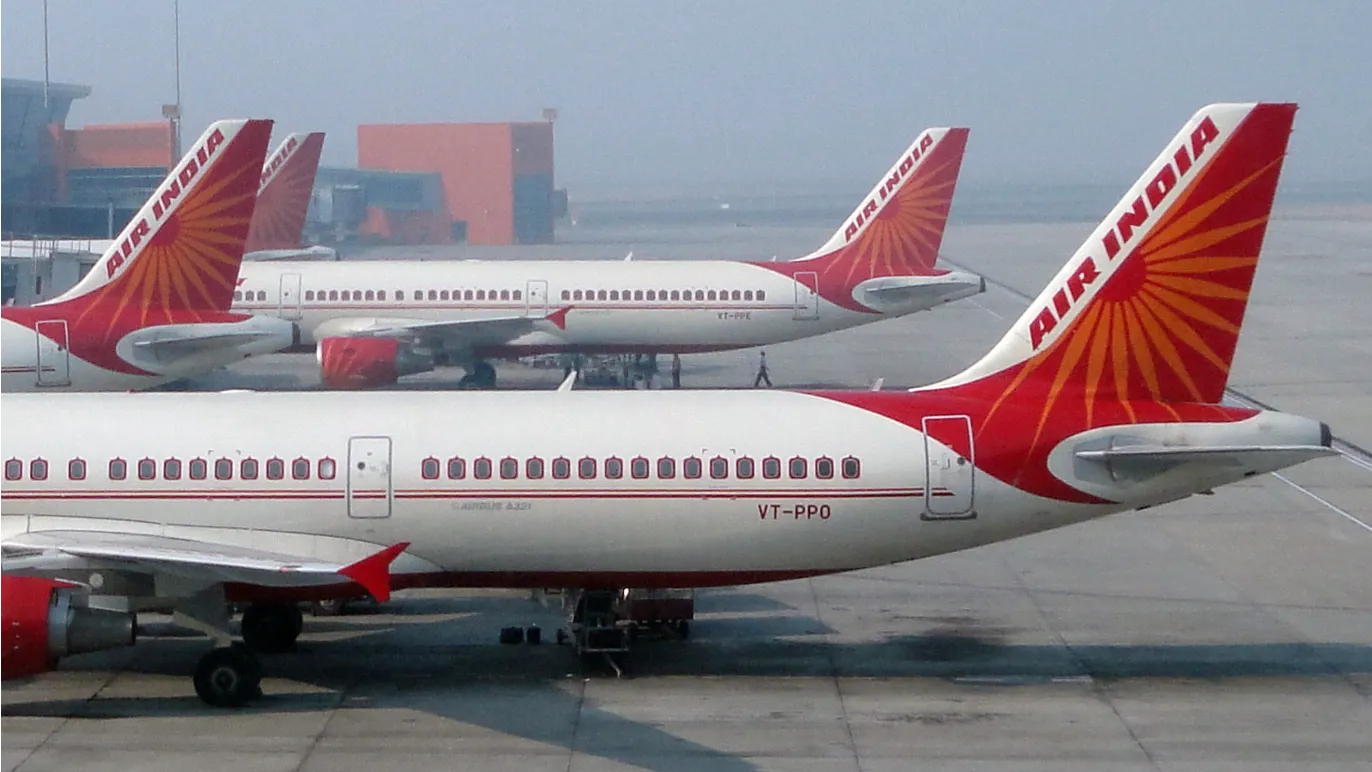
His tenure has seen some landmarks — including the smooth completion of the Vistara merger and rapid fleet expansion across key markets — but also persistent challenges such as delayed aircraft deliveries, refurbishment setbacks and service quality pressures. Wilson’s words were quoted in exclusive piece by The Economic Times as follows:
“We should have received 28 brand new aircraft by now. But the actual number of new aircraft designed by and for Air India that we have received is zero. So, we have been heavily impacted by supply chain challenges”
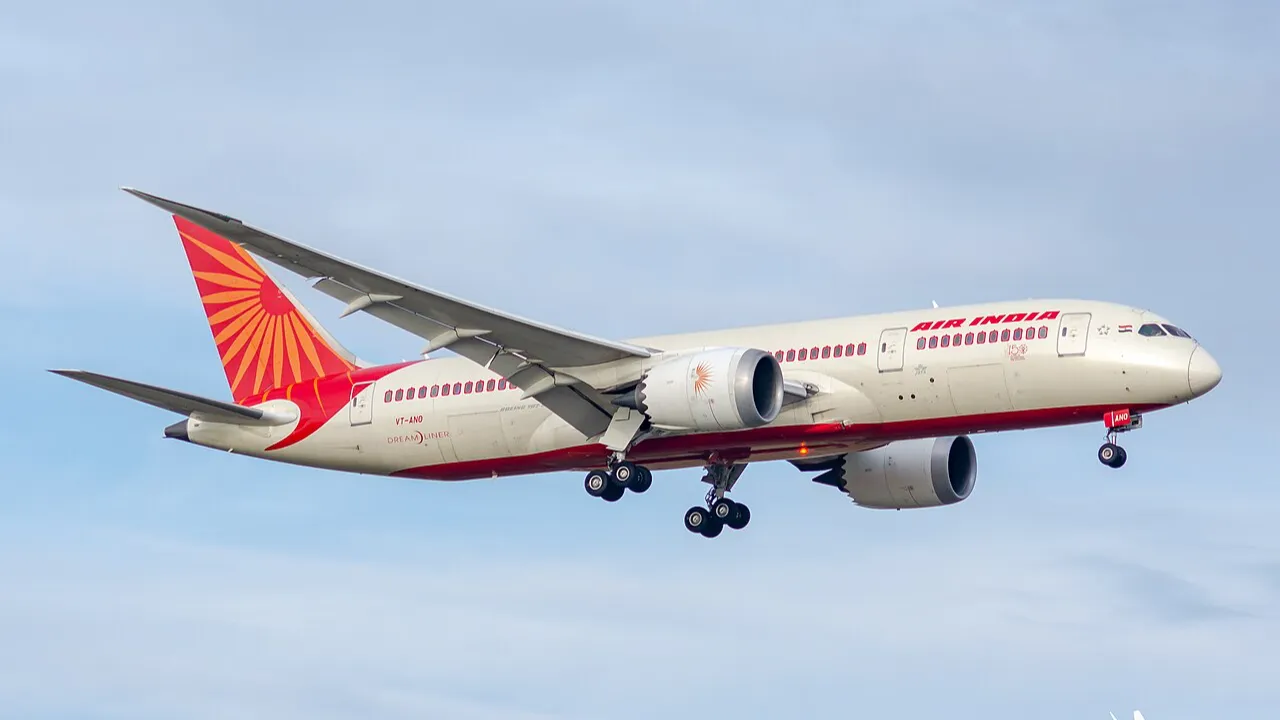
A poignant operational setback was the crash of Air India Flight 171 (AI171), a Boeing 787-8 Dreamliner, at Ahmedabad on June 12, 2025. The flight crashed seconds after take-off, killing 241 people aboard the aircraft and 19 on the ground; a preliminary investigation has highlighted loss of engine thrust due to fuel control issues, though causes remain under investigation, and the Supreme Court recently said that the pilot was not at fault.
Aviation Regulatory and Public Trust Dynamics for India’s Flag Carrier
Post-crash, Air India has been under intense scrutiny from the Directorate General of Civil Aviation (DGCA) and global regulators.
Show-cause notices were reportedly issued by the Directorate General of Civil Aviation (DGCA) to several senior Air India officials, including CEO Campbell Wilson, over alleged regulatory violations and non-compliance. The concerns reportedly included an instance in which the airline operated an aircraft with an expired license.
The notices came amid wider scrutiny of Air India following the crash, while senior government officials were reportedly dealing directly with Tata Group leadership rather than Wilson. This was understood to have contributed to questions over the executive’s future at the airline.
All in All
Air India’s search for a successor to Wilson is understood to be active and global in scope, with Tata leadership in dialogue with executives from major carriers overseas. The airline is concurrently preparing for expanded widebody operations, resumed international schedules, and service-standard enhancements under the Vision 2025 roadmap.


.jpg)
_(51811148072).jpg)