DGCA Bans In-Flight Power Bank Use Across India: What Passengers and Airlines Must Know

The IATA (DGCA), India’s civil aviation regulator, has introduced stringent safety rules that ban the use of power banks to charge devices on board flights nationwide. Under a Dangerous Goods Advisory Circular issued in November 2025, passengers are prohibited from using power banks to charge phones, tablets, or other electronic devices during flight, including via airline seat power outlets.
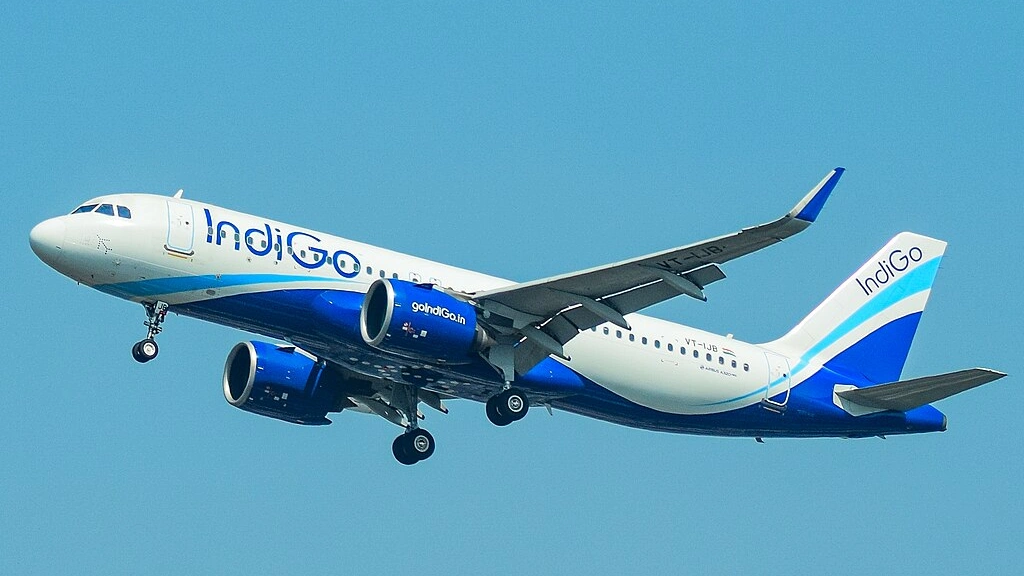
Photo: Aryan Bhutani | Wikimedia Commons

The new directive applies to all scheduled passenger services operating in and out of India (note that the helicopter that can fly to the top of Everest is now set to be manufactured in this nation), and reflects mounting global concerns over lithium‑battery fire risks in the cabin. The rule change follows multiple worldwide incidents of lithium‑ion batteries overheating, smouldering, or catching fire on aircraft, prompting aviation authorities and airlines globally to tighten controls on how such batteries are carried and used.

The DGCA’s guidance also restricts storage of power banks and other spare batteries to hand baggage only, explicitly forbidding their placement in overhead compartments due to the harder‑to‑detect nature of fires in those spaces.
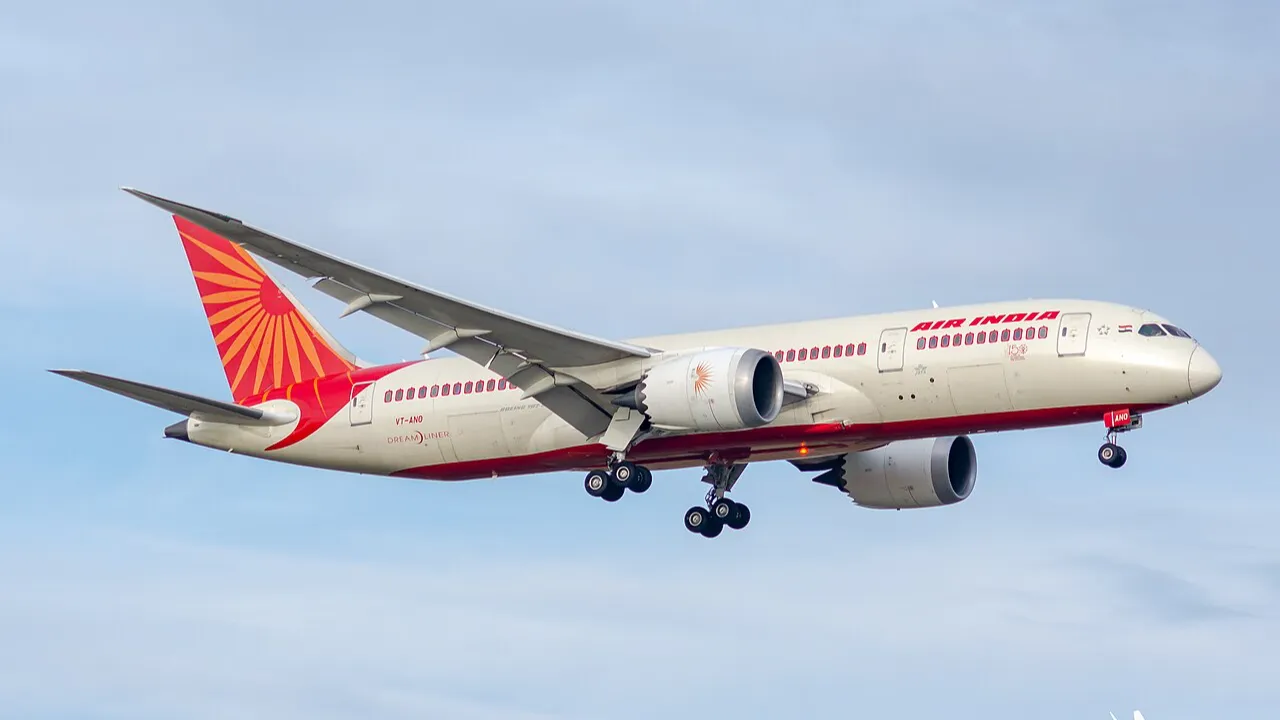
Photo: Mitchul Hope | Wikimedia Commons

Nyoma Airbase: How India Built one of the World’s Highest Operational Fighter Base at 13,700 Feet

Dangerous Goods Advisory Circular — what the DGCA now mandates

Directive element Requirement
Power bank use during flight Prohibited (no charging of devices or power bank itself)
Power bank storage Hand baggage only — Not in overhead bins
Power bank charging outlets Do not use aircraft USB/seat power
Passenger notifications Mandatory inflight announcements
Crew training Enhanced fire/battery hazard training

According to the circular that was quoted in NDTV,

“The widespread usage of lithium batteries in various rechargeable devices has led to an increase in carriage of lithium batteries by air. Power banks, portable chargers, and similar devices containing lithium batteries can act as ignition sources and potentially initiate on-board fires,”
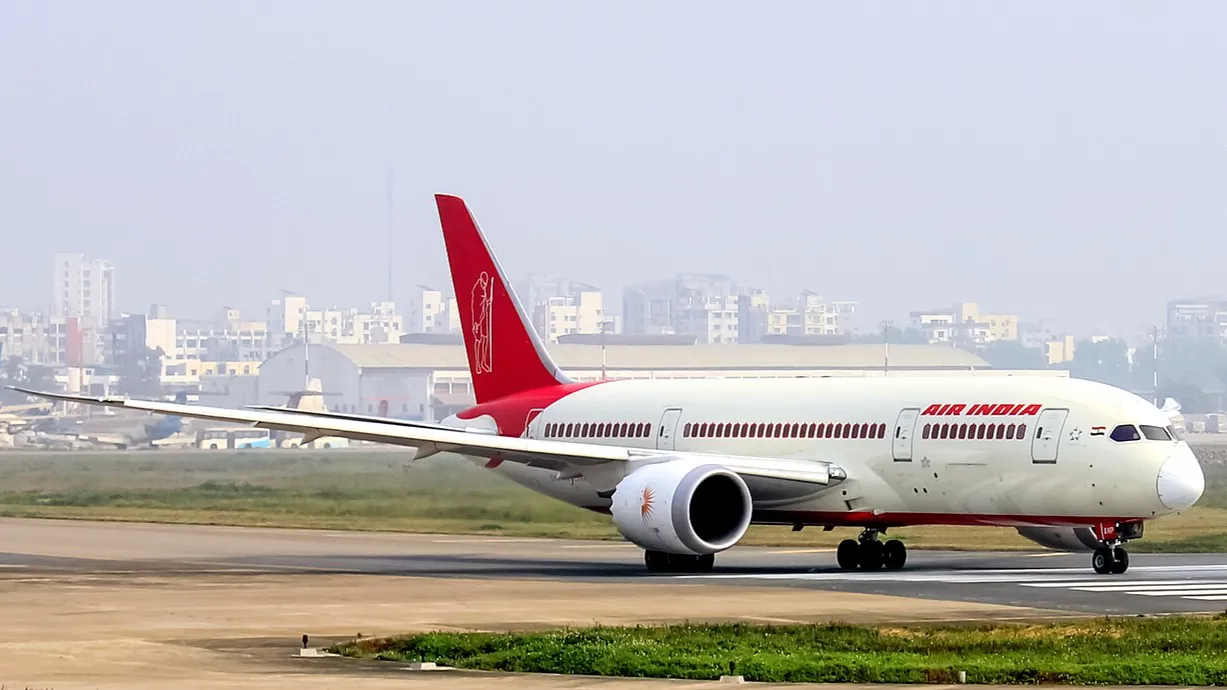
Photo: Md Shaifuzzaman Ayon | Wikimedia Commons

This circular emphasizes the elevated hazard profile of lithium batteries, which can experience thermal runaway — a condition where an internal fault or external damage causes uncontrollable heat generation that may lead to fire or explosion. These fires are notoriously difficult to suppress at altitude because they can be self‑sustaining and emit dense smoke.

According to the Federal Aviation Administration (FAA) itself, thermal runaway of lithium-metal and lithium-ion cells has “resulted in numerous fires:

“Often the fires are fueled by the flammable gases that are vented from the batteries during thermal runaway. In addition to those installed on the aircraft, millions of lithium batteries are shipped every year as cargo. A Class C cargo compartment is equipped to have an initial concentration of 5% Halon 1301 fire-suppressing agent, followed by a residual concentration of 3% for the remainder of a flight. These halon concentrations are effective at mitigating fires involving typical cargo; however, there is concern whether these concentrations are sufficient to handle a cargo fire involving lithium batteries and to mitigate the risks of a potential explosion of the accumulated vented battery gases”.

Photo: Md Shaifuzzaman Ayon | Wikimedia Commons

What are the Existing Aviation Laws on Power Banks?

According to IATA, Lithium battery refers to “a family of batteries with different chemistries, comprising many types of cathodes and electrolytes“. But there are various types of Lithium batteries:

Category Description Typical Use / Examples
Portable electronic device (PED) A compact, easily transportable electronic item powered by a removable or non-removable lithium battery. These devices can store, process, or transmit text, audio, images, or video data. Mobile phones, laptops, cameras, radios, audio players, smartwatches
Portable medical electronic device (PMED) A lithium battery-powered medical device designed for personal healthcare use. These devices assist in monitoring, treating, or managing medical conditions and may have removable or built-in batteries. Cardiac monitors, blood pressure monitors, respiratory monitors, wearable medical devices, portable oxygen concentrators
Lithium-ion battery A rechargeable (secondary) battery in which lithium exists in ionic form within the electrolyte rather than as metallic lithium. Widely used in consumer and professional electronics due to high energy density. Smartphones, laptops, tablets, medical devices
Lithium metal battery A non-rechargeable (primary) battery containing lithium metal or lithium compounds as the anode. Commonly used where long shelf life and stable power output are required. Watches, calculators, cameras, remote sensors
Power bank A portable external battery designed to recharge consumer electronic devices. When carried by passengers, these units are treated as spare lithium batteries under aviation safety rules. Phone chargers, tablet chargers
Smart luggage Luggage equipped with integrated lithium battery-powered technologies such as charging ports or tracking systems. Batteries may be removable or embedded depending on design. GPS-enabled suitcases, Bluetooth-tracked luggage, luggage with built-in power banks
Small personal vehicle A lithium battery-powered mobility device intended for individual transportation, with either removable or non-removable batteries. Ride-on suitcases, compact personal transport devices
E-cigarette A handheld electronic device powered by a lithium battery that produces vapor to simulate smoking. Often subject to strict carriage and usage regulations on aircraft. Vapes, electronic pipes
Photo: Md Shaifuzzaman | Wikimedia Commons

The following table enunciates how the spare batteries and devices can be carried in an aircraft:

Battery type / device Battery capacity limits Configuration Operator approval required Carry-on baggage Checked baggage
PED or PMED (installed battery) ≤ 100 Wh or ≤ 2 g lithium metal Battery installed in device No¹ Yes No
Spare batteries / power banks ≤ 100 Wh or ≤ 2 g lithium metal Spare battery, including power bank No Yes No
PED or PMED (installed battery) > 100 Wh up to ≤ 160 Wh or > 2 g lithium metal Battery installed in device Yes² Yes No
Spare batteries > 100 Wh up to ≤ 160 Wh or > 2 g lithium metal Spare battery Yes Yes Yes
PMED only (installed battery) ≤ 160 Wh or ≤ 8 g lithium metal Battery installed in medical device No Yes Yes
PMED spare batteries ≤ 160 Wh or ≤ 8 g lithium metal Spare battery for medical device only Yes Yes Yes
E-cigarettes ≤ 2.7 Wh or ≤ 0.3 g lithium metal Battery installed in device No Yes Yes
Smart luggage (installed battery) ≤ 2.7 Wh or ≤ 0.3 g lithium metal Battery installed in luggage No No Yes
Smart luggage (removable battery) ≤ 2.7 Wh or ≤ 0.3 g lithium metal Removable battery integrated in luggage Yes No Yes
Smart luggage (non-removable battery) > 2.7 Wh or > 0.3 g lithium metal Non-removable battery installed Yes** No Forbidden
High-capacity lithium batteries > 160 Wh Any configuration Not applicable No No — must be shipped as cargo
Photo: Emirates

Past Incidents that Prompted Change: Global Lithium Battery Mishaps

Below is a comparison of significant recent events where lithium battery or power bank fires at or near aircraft operations influenced safety policy changes:

Event Date / Location Aircraft Outcome
Air Busan Flight 391 battery fire 28 Jan 2025 — Busan, S Korea Airbus A321
  • Power bank fire in overhead bin destroyed aircraft before takeoff
  • no fatalities but serious damage and injury.
Virgin Australia cabin locker fire Jul 2025 — Sydney/Hobart route Boeing 737‑800 A guidance issued after previous instances was quoted in people.com said:

Power banks must not be used to charge other devices on board the aircraft. Even when not in use, remove all cables/USB cables connected to power banks and batteries….Power banks and batteries must not be recharged using the aircraft’s power supply

IndiGo lithium battery incident Oct 2025 — Delhi to Dimapur Airbus A320 family Crew returned after power bank overheated on board.
Qantas passenger injury incident 2025 — Melbourne Not aircraft (airport) Power bank overheated and ignited clothing, airport completed review of battery policies.

From October 1, 2025, Emirates (EK) prohibited the use of any power bank during flights whilst allowing passengers to carry one power bank under 100 Watt Hours, and also mandated “all power banks accepted for transport must have capacity rating information available”:

“There has been a significant growth in customers using power banks in recent years, resulting in an increasing number of lithium battery-related incidents onboard flights across the wider aviation industry. Power banks primarily utilise lithium-ion or lithium-polymer batteries…. If the battery is overcharged or damaged, it may result in ‘thermal runaway’ wherein heat generation within a battery cell exceeds its ability to dissipate heat, leading to a rapid and uncontrollable temperature increase “

Photo: iMahesh | Wikimedia Commons

How Passengers are Affected by the New Power Bank Rules Issued by DGCA: 

The practical implications for travelers are significant:

  • In‑flight charging with power banks is prohibited — This includes using aircraft USB ports to power or recharge power banks or devices.

  • Power banks must be carried in the passenger’s hand baggage; they may not be placed in overhead bins.

  • Crew members must announce the new policy and educate passengers on hazards.

  • No inflight use, even if the seat power supply is available.

  • Passengers mustimmediately inform the cabin crew if any device emits heat, smoke or an unusual odour“.
Photo: lasta29 | Wikimedia Commons

All in All

Since April 1, 2025, Singapore Airlines & Scoot prohibited power bank charging and use on flights from April 1, 2025. Thai Airways & AirAsia enforced bans on in‑flight power bank use starting March 2025. 

Passengers planning air travel should:

  • Check airline policies ahead of departure regarding power bank capacity and carriage rules.

  • Ensure power banks are within permitted watt‑hour limits (typically <100 Wh without airline approval).

  • Keep power banks in carry‑on — and never in checked baggage.

  • Inspect equipment for damage and avoid using suspect or poorly manufactured batteries.

Leave a Comment

Your email address will not be published. Required fields are marked *

Scroll to Top