On December 31, 2025, Captain Brandon Fisher, a senior Alaska Airlines pilot, filed a $10 million lawsuit against aircraft manufacturer Boeing alleging that the company intentionally shifted blame onto him and his crew for a mid-air door plug failure aboard Alaska Airlines Flight AS1282 — a Boeing 737 MAX 9 flight that suffered an explosive decompression shortly after takeoff on January 5, 2024, reported AviationSource News.
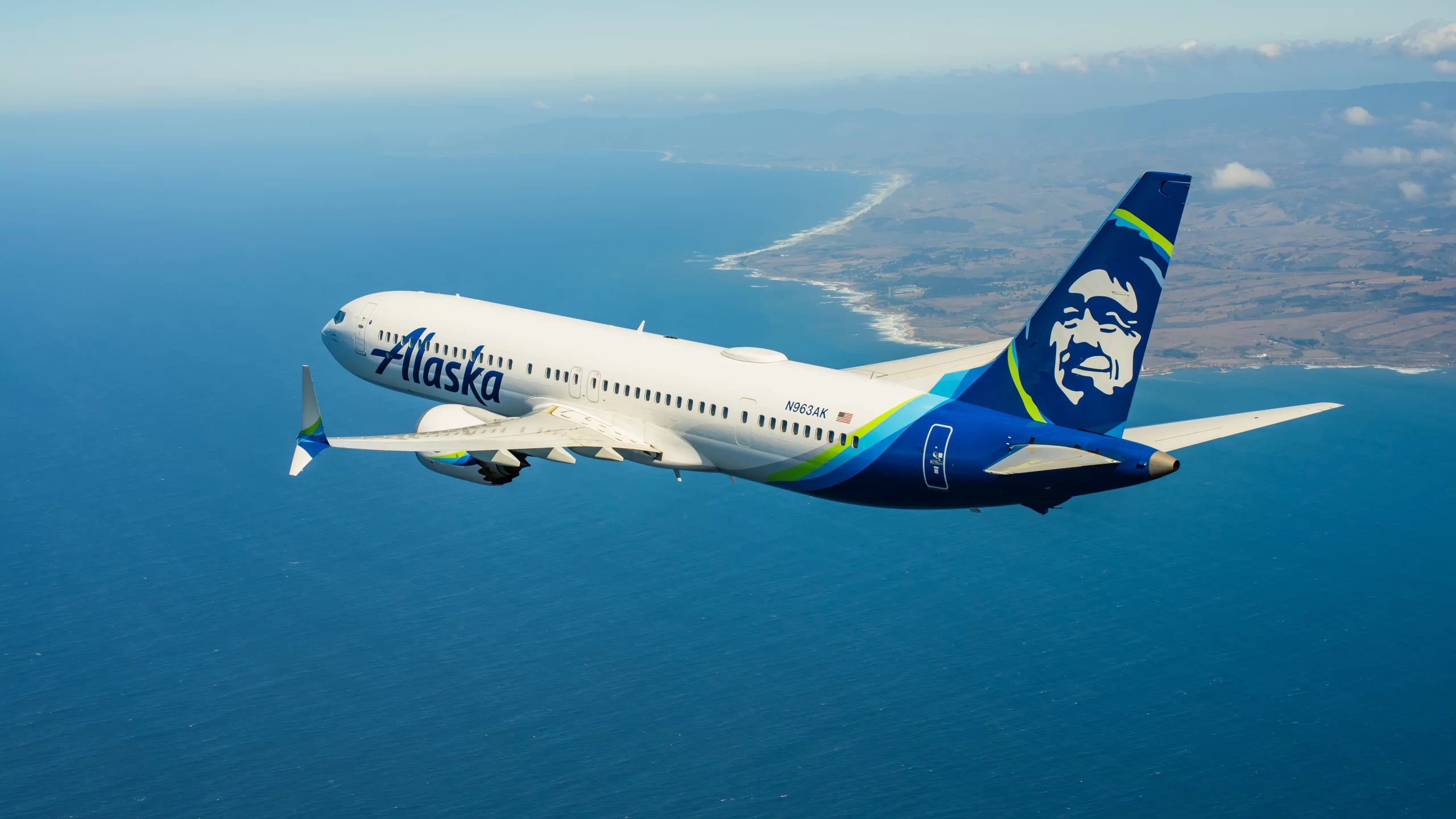
Fisher contends that Boeing’s legal defense in related litigation portrayed him and his crew as negligent, inflicting severe emotional distress and reputational harm on a flight crew that was widely praised for safely landing the aircraft after a near-catastrophic equipment failure, reported AvBrief.com.
Alaska Airlines Flight AS1282 Incident Details
Alaska Airlines Flight AS1282 encountered a serious structural failure on January 5, 2024, when a door plug — a non-operational panel designed to seal an unused emergency exit — detached midflight at approximately 16,000 feet after departure from Portland International Airport (PDX), Portland, Oregon en route to Ontario International Airport (ONT), Ontario, California.
Here’s the flight timeline:
| Time (PST) | Event Description | Altitude | Airspeed | Cabin / System Status |
|---|---|---|---|---|
| 17:06:47 | Aircraft departed Runway 28L at Portland International Airport (PDX) | — | — | Normal departure |
| 17:12:33 | Rapid cabin pressure loss detected; cabin pressure dropped from 14.09 psi to 11.64 psi | ~14,830 ft | 271 kts | Cabin Altitude >10,000 ft warning activated; differential pressure fell from 5.7 psi to 0 psi |
| 17:12:34 | Master Caution activated as cabin pressure continued to drop to 9.08 psi | ~14,850 ft | 271 kts | Magnetic heading 123° |
| 17:12:52 | Master Caution deactivated | — | — | — |
| 17:13:41 | Aircraft reached maximum altitude and began descent | 16,320 ft (max) | 276 kts | Heading 120° |
| 17:13:56 | Selected altitude reset by crew | — | — | Changed from 23,000 ft to 10,000 ft |
| 17:14:35 | Master Caution activated briefly | — | — | Alert active for ~3 seconds |
| 17:16:56 | Aircraft initiated left turn | ~10,120 ft | — | Heading changed from 121° |
| 17:17:00 | Aircraft descended below 10,000 ft | <10,000 ft | — | — |
| 17:18:05 | Cabin altitude warning deactivated as cabin pressure stabilized | ~9,050 ft | 271 kts | Cabin pressure at 10.48 psi |
| 17:26:46 | Aircraft landed safely on Runway 28L at PDX | — | — | End of event |
Why the Lawsuit Was Filed Against Boeing
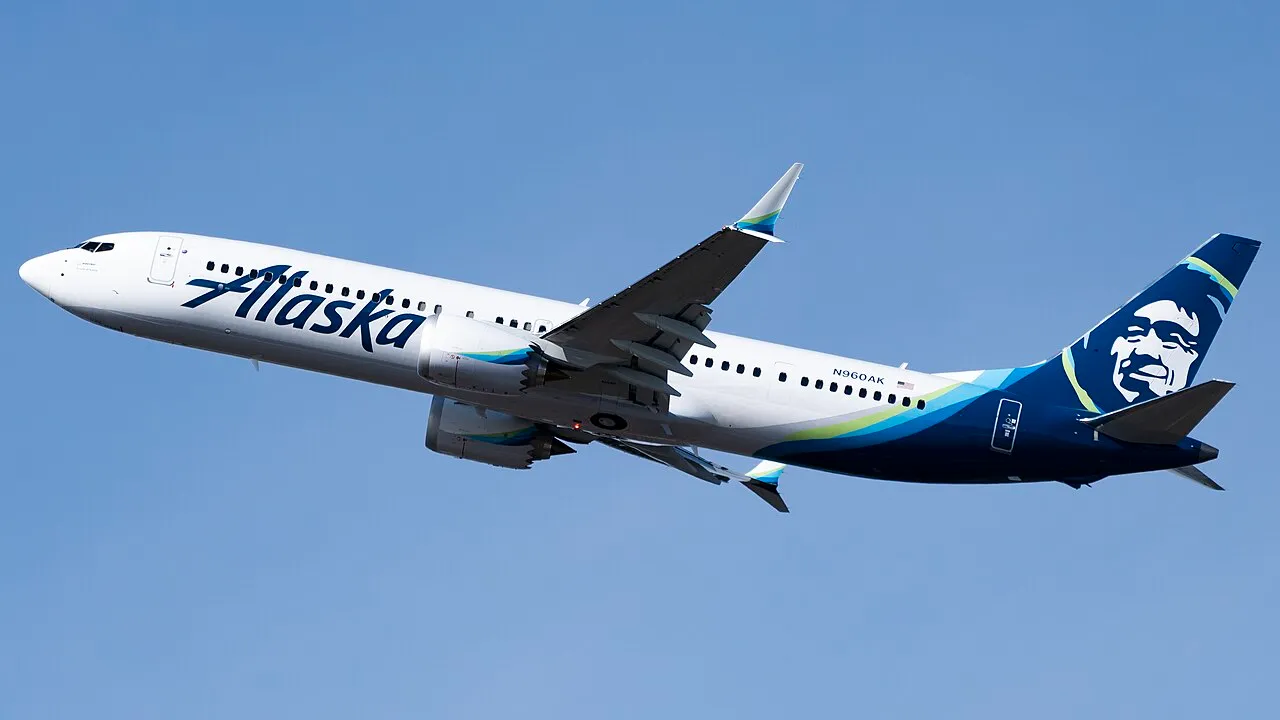
Fisher’s lawsuit alleges that Boeing attempted to shift responsibility for the incident during passenger litigation by arguing that the aircraft had been improperly maintained or misused by third parties. According to Fisher, the wording effectively placed responsibility on him and his crew, despite their successful handling of the emergency and the praise they received for safely landing the damaged aircraft.
The lawsuit further alleges that Boeing’s position was an attempt to make Fisher a scapegoat for the manufacturer’s failures. Fisher argues that the company’s defense was particularly damaging because the NTSB investigation later identified missing bolts on the door plug as a key factor in the blowout, rather than any error by the flight crew.
Further, the lawsuit claims that there have been physical and emotional impact on Captain Fisher:
| Paragraph | Date / Context | Allegation or Impact Described |
|---|---|---|
| 108 | May 28, 2025 | Captain Fisher was notified that two passengers from Alaska Airlines Flight 1282 had sued him as part of their case against Boeing, the aerospace manufacturer which lost to Airbus in terms of aircraft delivered in November. |
| 109 | Post-incident period | Despite being regarded as a hero within the aviation community, the time and effort required to respond to litigation caused Captain Fisher severe emotional distress and negatively affected his personal life. |
| 110 | Ongoing | Captain Fisher continues to relive the traumatic in-flight event and reflects on how alleged failures by Boeing and Spirit AeroSystems nearly resulted in loss of life. |
| 111 | Long-term physical effects | Captain Fisher experienced a decline in physical stamina, including during activities such as biking, compared with his pre-incident condition; this is described as a physical manifestation of emotional injury. |
| 112 | Litigation fallout | Boeing is alleged to have fostered criticism toward Captain Fisher, forcing him to repeatedly defend his conduct in response to what the lawsuit characterizes as inaccurate and accusatory statements. |
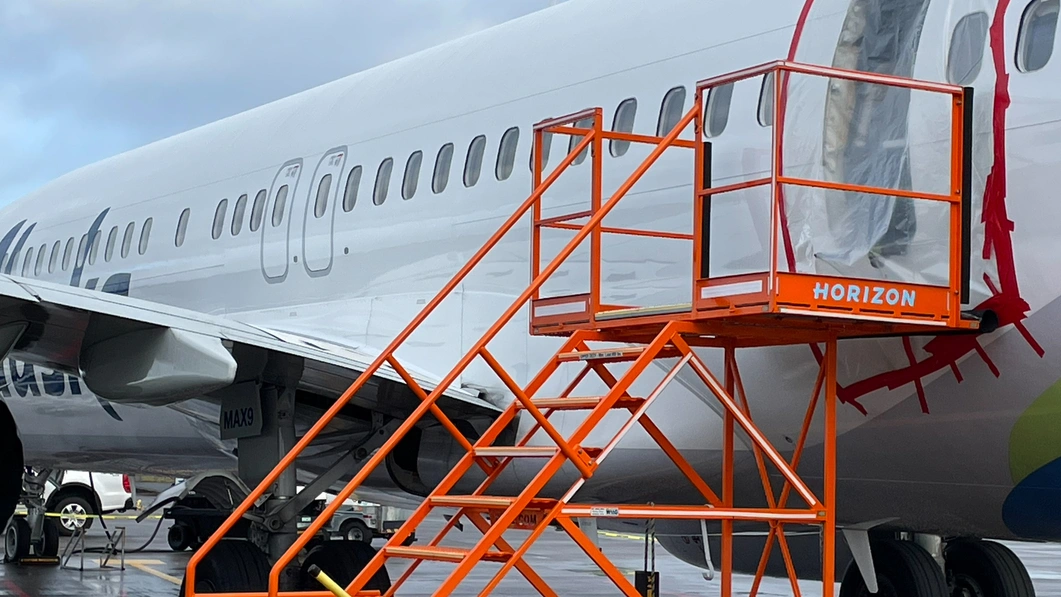
The MED plug was originally introduced as part of Boeing’s 737-900ER program to seal a mid-cabin emergency exit when an aircraft is not configured to carry 190 or more passengers. When Boeing officially launched the 737 MAX program on August 30, 2011—opting to re-engine the existing 737 rather than develop a new aircraft from scratch—the design was carried forward into the 737 MAX-9 variant, which retained the MED plug configuration.
From 1981–2018, there have been at least 7 Boeing-related explosive decompression events.
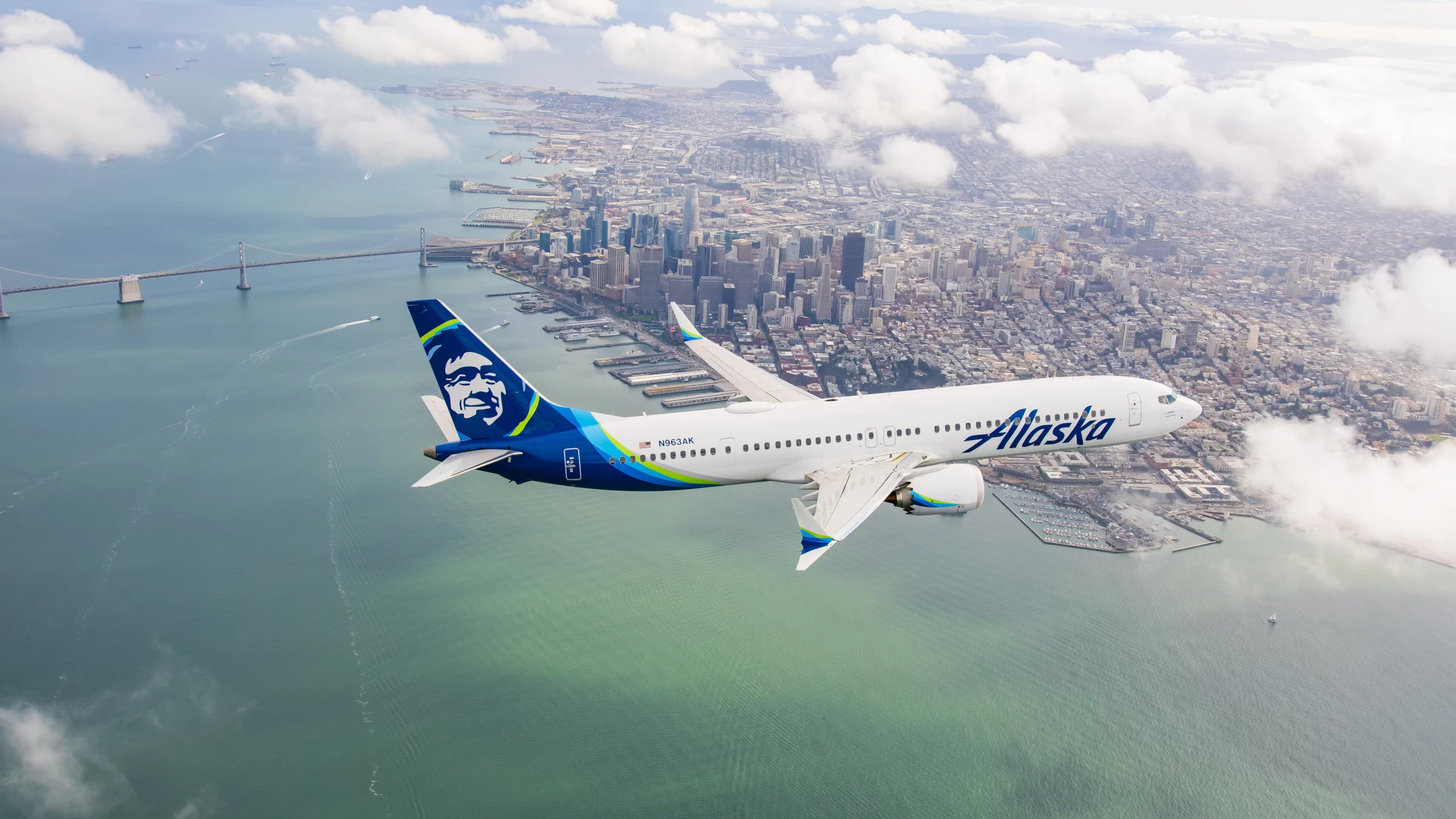
The Fisher lawsuit adds another layer to the legal fallout from Alaska Airlines Flight 1282, which has already led to passenger lawsuits and settlements. The January 2024 incident occurred when the Boeing 737-9 MAX suffered an in-flight separation of its left mid-exit door plug, causing rapid depressurization; seven passengers and one flight attendant sustained minor injuries.
NTSB Chairwoman Jennifer Homendy later described it as a “miracle” that no one died. She stressed that the incident should not be attributed simply to individual human error, arguing that such an accident can occur only when multiple safety and system barriers fail.
The legal consequences have continued alongside the safety investigation. According to The Independent, three passengers who were aboard Flight 1282 sued Alaska Airlines and Boeing for $1 billion, but the case was settled out of court in July 2025, with the terms of the settlement not disclosed.