The U.S. Air Force (USAF) expects to move toward “potential integration activities” for its next-generation fighter engine in the 2030 timeframe, John Sneden, director of the Air Force’s propulsion directorate, told reporters on July 28, 2026. Sneden made the comments at the Life Cycle Industry Days conference, speaking about the Next Generation Adaptive Propulsion (NGAP) program, according to Breaking Defense.
The Air Force is requesting roughly $514 million for NGAP in fiscal 2027, a figure set to peak near $906 million in fiscal 2028. GE Aerospace and Pratt & Whitney are building dueling prototype engines under the program, which has already slipped by a cumulative three years. Sneden declined to confirm which aircraft would receive the engine first, though he acknowledged the F-47 fighter is one option under evaluation.
NGAP traces its roots to earlier adaptive engine research that began in 2007 under the Adaptive Versatile Engine Technology initiative, followed by the Adaptive Engine Transition Program in 2016. The Air Force separated NGAP into its own track once sixth-generation fighter requirements took shape, giving the program a mandate distinct from any single airframe. That platform-agnostic design philosophy is part of why Sneden was unwilling to commit publicly to the F-47 as the engine’s eventual home.
What Sneden Told Reporters About NGAP’s 2030 Timeline
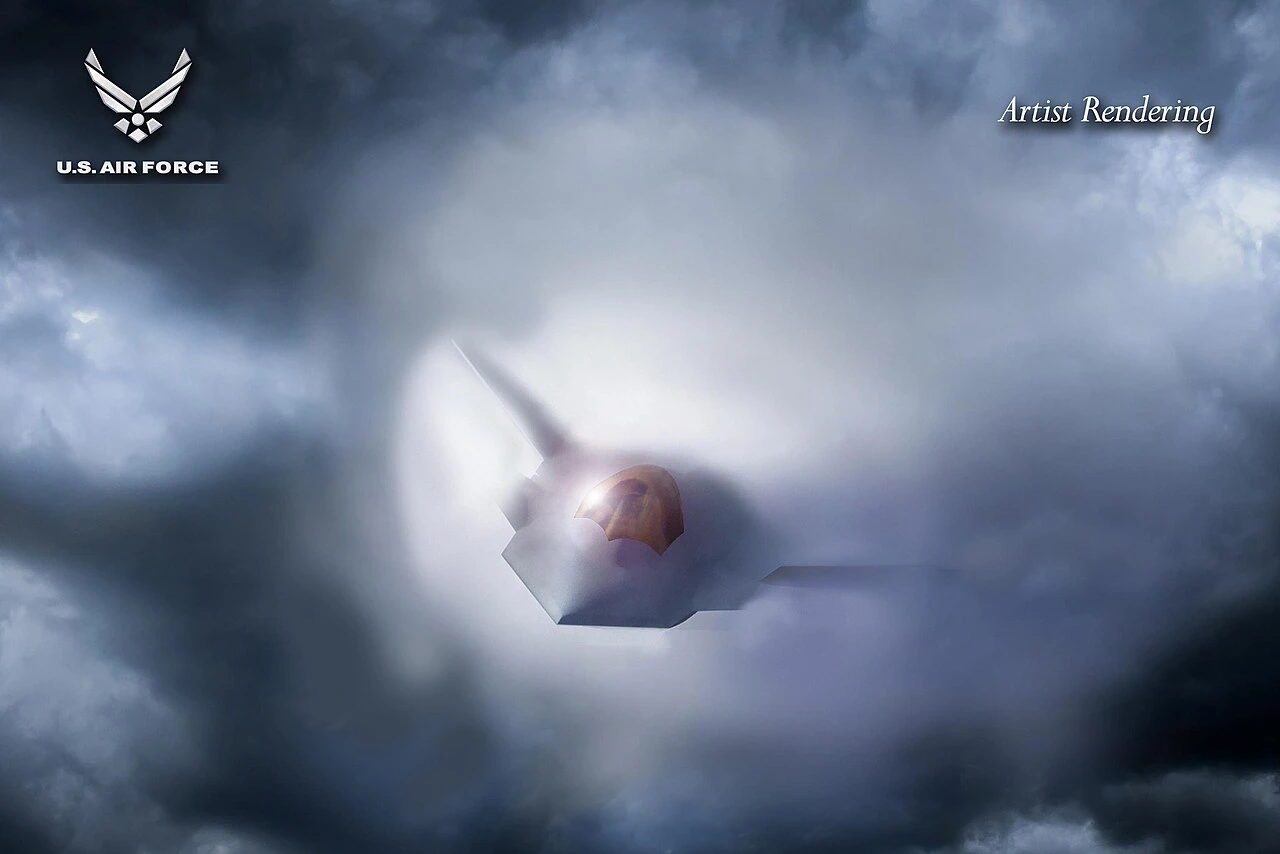
Sneden said the Air Force is “getting ready for potential integration activities in the 2030 timeframe” as GE and Pratt move from design work into building and testing full-scale prototype engines. He stressed that no platform decision has been finalized. “The Air Force is still evaluating its options,” Sneden said, adding that the underlying engine technology may “open up” different aircraft choices later.
Sneden also addressed why NGAP has fallen roughly three years behind its original schedule. He attributed the slip to the Air Force’s decision to fund competition between two vendors on a constrained budget, rather than selecting a single winner early. “The last non-derivative fighter engine that we pressed forward was in the 1990s,” Sneden said. “If you want to stay ahead of our competitors, then you have to lean into this technology now.”
Two Engines, One Program: GE’s XA102 And Pratt’s XA103
NGAP is developing rival adaptive-cycle turbofan engines meant to eventually power the Boeing F-47, the Air Force’s next-generation crewed fighter, or other future combat aircraft. Both companies hold development contracts with ceilings of up to $3.5 billion each through 2032, after clearing Assembly Readiness Reviews for their respective designs in May 2026. That milestone cleared both engines for the physical build phase following years of digital design work.
The two designs share a common goal but differ in development approach. Key details include:
- GE Aerospace XA102: The first engine in company history designed entirely through model-based systems engineering, targeting up to 30% greater range than current combat engines
- Pratt & Whitney XA103: Assessed through the industry’s first fully digital Assembly Readiness Review, drawing on nearly two million flight hours of data from the F119 and F135 engines
- Shared performance targets: Both engines aim for roughly 35,000 to 40,000 pounds-force of thrust, a 25% cut in average fuel consumption, and substantially improved cooling and electrical power generation for onboard sensors and weapons
Both engines use adaptive-cycle architecture, meaning a third airflow stream lets the engine shift between maximum-thrust and fuel-efficient cruise modes mid-mission. Current fighter engines, including the F119 that powers the F-22 and the F135 that powers the F-35, are fixed-cycle designs optimized for a single performance point.
Why The Program Has Slipped
NGAP’s schedule has moved repeatedly since it was first funded. Budget documents released in 2025 showed the program’s prototype completion date shifting by more than two years, from the fourth quarter of fiscal 2027 to the second quarter of fiscal 2030. Air Force officials attributed that earlier delay to supply chain challenges, while Sneden’s July 2026 comments pointed instead to the cost of maintaining two competing vendors.
That tension between competition and speed is not unique to NGAP. The Air Force’s broader fighter-engine industrial base includes only a handful of companies capable of building engines at this level of complexity, and Sneden has previously said his focus is on preserving that competitive base wherever the budget allows. Keeping both GE and Pratt & Whitney in the program protects against a repeat of past situations where a single vendor controlled pricing and delivery schedules for critical military hardware.
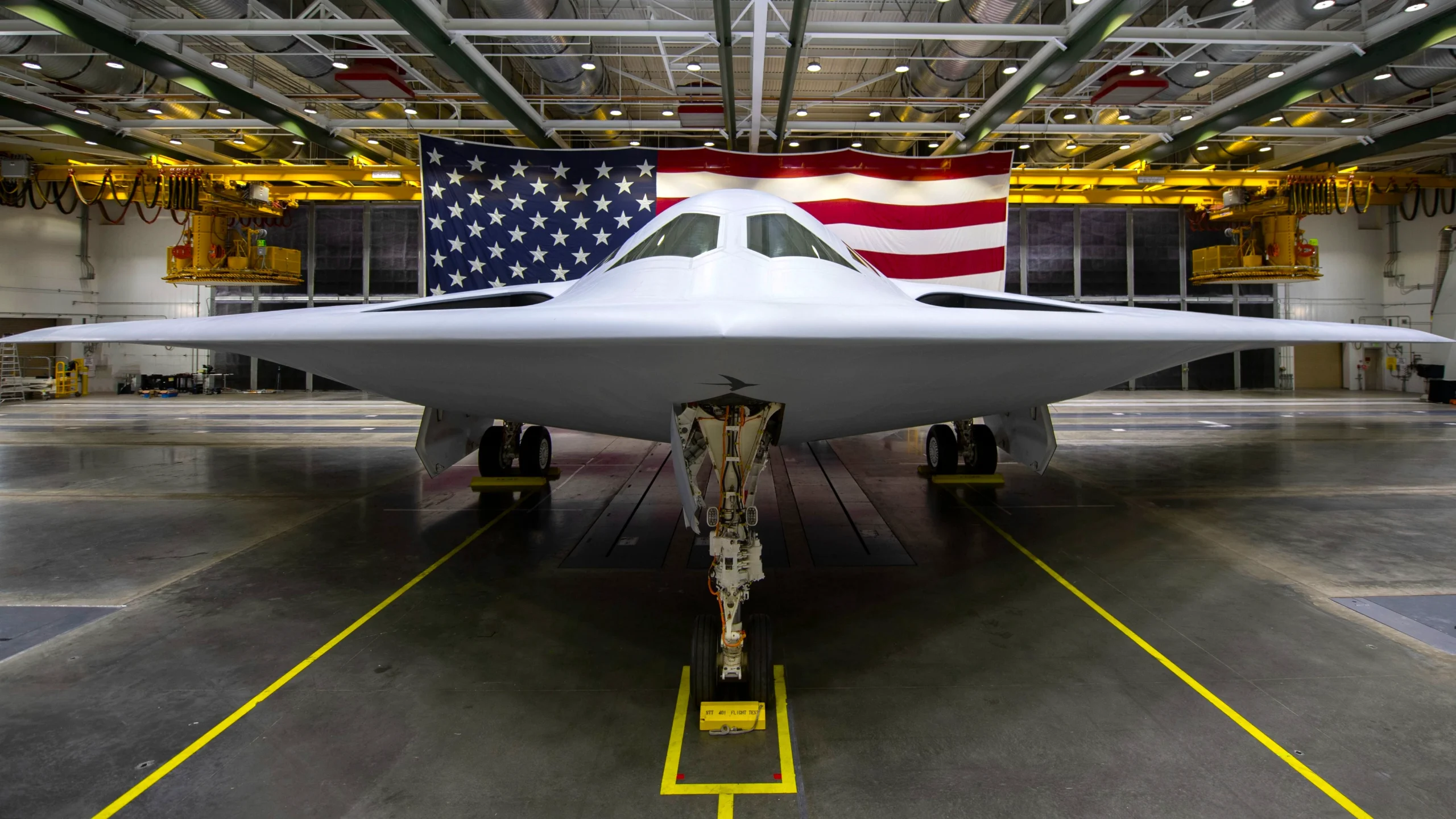
NGAP Against a Crowded Air Force Wish List
NGAP’s roughly $514 million fiscal 2027 request has to compete for funding inside a defense budget under unusual strain. Defense Secretary Pete Hegseth told the Senate Appropriations Committee on July 21, 2026, that the Pentagon’s cost estimate for the ongoing war with Iran had risen to $37.5 billion, and warned that without emergency supplemental funding the military would have to curtail training. That figure has climbed steadily from $11.3 billion after the war’s first six days in February 2026 to $25 billion in April and $29 billion in May.
NGAP is also competing against other aircraft programs pushing for more money at the same time. Northrop Grumman CEO Kathy Warden said in May 2026 that faster B-21 Raider production could let the Air Force buy well beyond its stated floor of 100 bombers, with senior commanders publicly backing fleets of 145 or even 200 aircraft. Separately, Air Force Vice Chief of Staff Gen. John Lamontagne asked Congress in April 2026 for an additional $3.2 billion to fix aircraft readiness shortfalls, after the service admitted it had historically funded sustainment at only 85% of requirements.
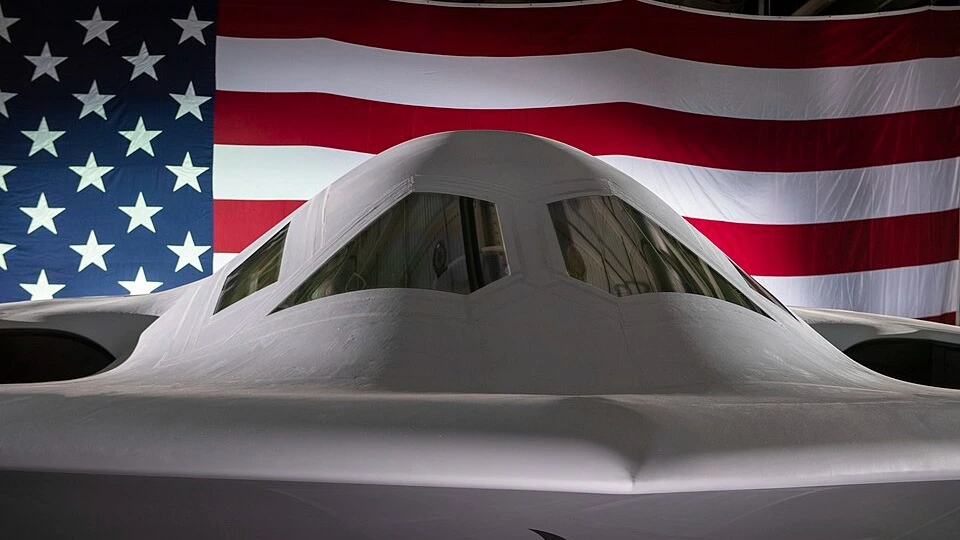
What Comes Next for NGAP And The F-47
The Air Force has not committed to installing an NGAP engine on the F-47, and Sneden’s comments suggest that decision remains open for now. Both GE and Pratt & Whitney expect testing of their assembled demonstrator engines in the late 2020s, positioning the program to inform, rather than necessarily determine, the F-47’s eventual powerplant. The F-47 itself is targeting first flight in 2028 and operational fielding in the 2030s, giving the Air Force a narrowing but still workable window to align NGAP’s schedule with the fighter program.
Separately, Sneden confirmed a related upgrade for the F-35’s existing engine, called the Engine Core Upgrade, would be ready for flight testing in the 2030 timeframe as well. That program, contracted to Pratt & Whitney, runs alongside NGAP rather than competing directly with it, giving the Air Force two parallel propulsion tracks moving toward the same decade.