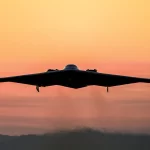
The U.S. Air Force (USAF) has asked Congress for an additional $3.2 billion to address persistent aircraft readiness shortfalls, with the request outlined during an April 15 hearing before the House Armed Services Readiness Subcommittee. The funding is aimed primarily at spare parts and sustainment, which remain critical bottlenecks in fleet availability.
The request forms part of a broader fiscal 2027 budget push that includes a nearly 20% increase in operations and maintenance (O&M) spending, as service leaders attempt to reverse years of underfunded sustainment and improve mission-capable rates across the fleet, Air and Space Forces reported.
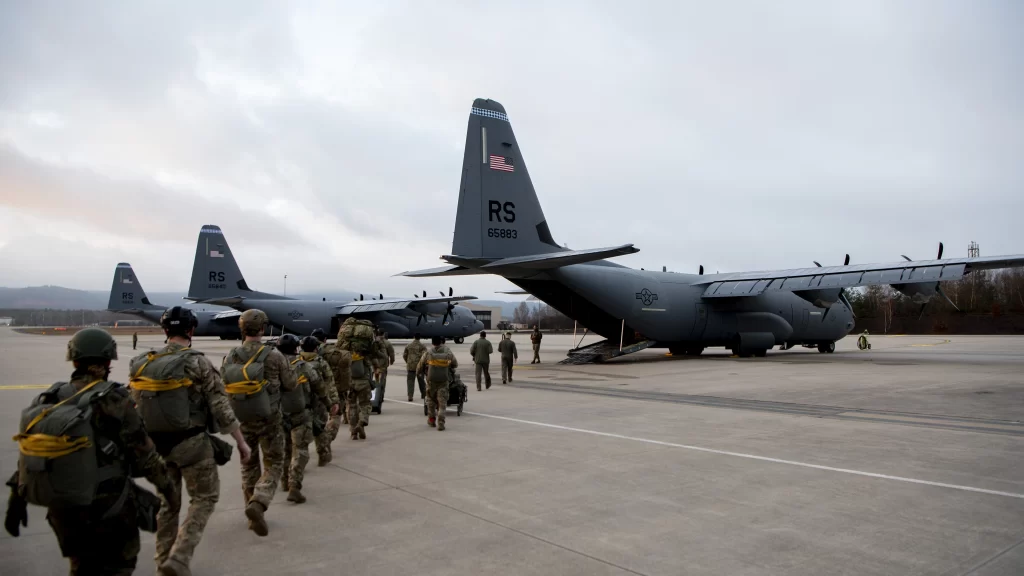
Air Force $3.2 Billion Request Targets Spare Parts Shortages
Vice Chief of Staff Gen. John D. Lamontagne told lawmakers that the additional $3.2 billion would directly bolster weapons system sustainment accounts, particularly for spare parts that frequently ground aircraft. He was quoted by the Air and Space Forces to have said:
We are redoubling our efforts to invest in our ability to maintain the airplanes..
The United States Air Force has been struck in the Iran War- its F-15 and A-10 were downed. During the conflict, it was also realized that the air force also needed affordable attack missiles. Lamontagne noted that sustainment funding has historically met only about 85% of requirements, rising marginally to 86% in the previous fiscal cycle. The proposed increase would lift that figure to approximately 93%, representing a significant, though still incomplete, correction.

Fiscal 2027 Budget Expands Operations and Maintenance Funding
The readiness push is embedded within a wider fiscal expansion. The Air Force is seeking a $15.4 billion increase in O&M funding over fiscal 2026 levels, alongside more than $4 billion for its Working Capital Fund.
These accounts underpin day-to-day sustainment activities, including maintenance, logistics, and supply chain management.
While early fiscal 2027 budget documents do not explicitly isolate the $3.2 billion figure, Air Force officials have clarified that the increase is integrated within these broader funding lines.
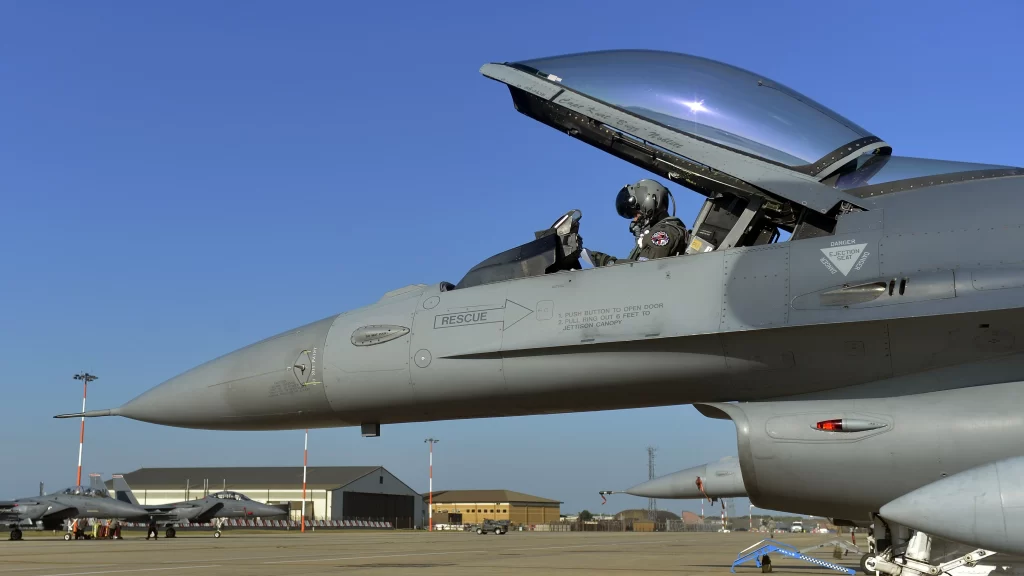
Aircraft Readiness Challenges Tied to Supply Chain and Sustainment Gaps
Aircraft downtime continues to be driven by persistent shortages of critical components, forcing maintainers into inefficient workarounds.
Lamontagne described a common scenario in which parts must be removed from one aircraft to keep another operational, only to be replaced later when new inventory arrives.
“The part’s not on the shelf, so that is a critical issue,” he said. “They [have to] get that part off another airplane… and when the part shows up, [they] install it again.”
Such practices increase maintenance hours, reduce fleet availability, and place additional strain on personnel.
According to a McKinsey, since 2020, aircraft manufacturers have faced persistent shortages of essential inputs—ranging from raw materials and forged parts to semiconductors and electronic systems—disrupting production at multiple levels. These constraints have slowed or, in some cases, halted assembly lines, pushed fleet ages upward, and extended maintenance and overhaul timelines beyond planned targets.
Adding to the challenge, many suppliers provide components and materials for both original equipment and the aftermarket. If they have only a limited supply of parts and components, they may have to make production trade-offs between supplying OEMs and servicing the aftermarket.
The following numbers give us a glimpse into the matter:
| Metric / Indicator | Value | Context / Impact |
|---|---|---|
| Global aircraft backlog (2024) | 17,000+ aircraft | Record high, reflecting production bottlenecks |
| Historical backlog (2010–2019 avg.) | ~13,000 aircraft/year | Highlights sharp increase in unmet demand |
| Estimated airline cost impact (2025) | $11 billion+ | Total financial burden from supply chain disruptions |
| Excess fuel costs | $4.2 billion | Due to continued use of older, less fuel-efficient aircraft |
| Additional maintenance costs | $3.1 billion | Aging fleets require more frequent and expensive upkeep |
| Engine leasing costs | $2.6 billion | Increased due to longer engine maintenance cycles |
| Aircraft lease rate increase | +20% to 30% | Since 2019, driven by constrained supply |
| Passenger demand growth (2024) | +10.4% | Strong rebound in air travel demand |
| Capacity growth (2024) | +8.7% | Lagging behind demand due to limited aircraft availability |
| Global load factor (2024) | 83.5% | Record high, indicating tight capacity |
| Demand vs capacity gap | +1.7 percentage points | Demand outpacing supply, stressing airline operations |
Data: Aviation Metric
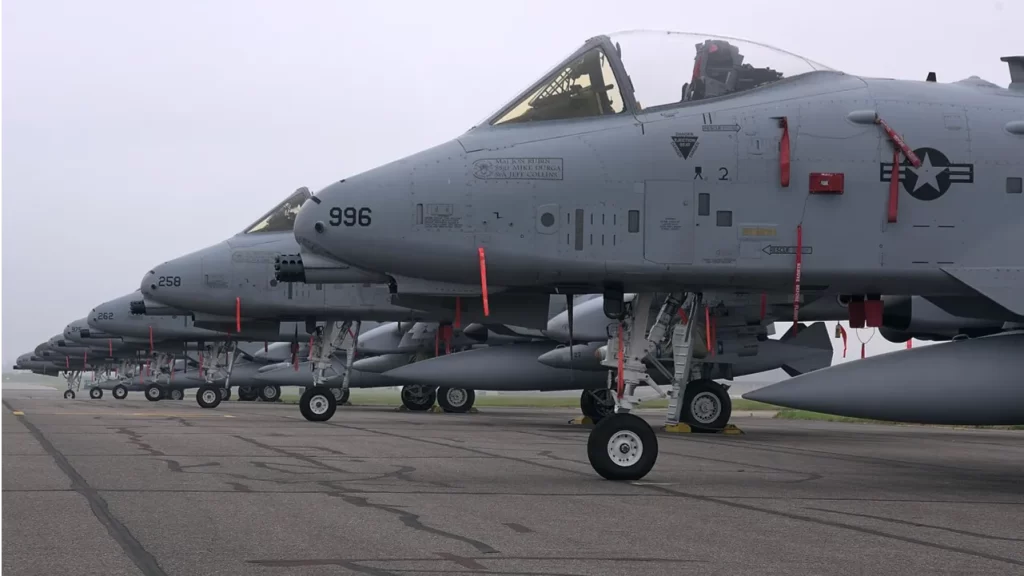
Right-to-Repair Debate Complicates Military Maintenance Strategy
Lawmakers and military leaders also highlighted structural barriers tied to intellectual property restrictions imposed by defense contractors. These constraints often prevent Air Force personnel from repairing components at the sub-system level, limiting them to removal and replacement rather than restoration.
“We need data that gets down to the component and subcomponent systems so that our Airmen can affect repairs,” Lamontagne told Congress.
There is growing bipartisan support for incorporating “right-to-repair” provisions into future defense legislation, including the National Defense Authorization Act (NDAA). Rep. Pat Harrigan emphasized congressional intent, stating, “This committee wants to give it to you… we have to deliver right to repair to the services.”
Industry Opposition Raises Concerns Over Intellectual Property Mandates
Not all stakeholders support the proposed reforms. Industry groups argue that mandating broader access to technical data could introduce inefficiencies and unintended costs.
In an op-ed published in The Washington Times, Aerospace Industries Association President Eric Fanning warned that forcing contractors to relinquish intellectual property rights could undermine innovation.
mandating broad intellectual property access will drive up costs, slow modernization and make it harder for the Pentagon to attract the next generation of tech leaders. We will end up with fewer new ideas, more reliance on aging equipment and a smaller, less dynamic industrial base.
The author also opined that rather than pursuing proposals that policymakers should concentrate on the structural drivers of poor readiness:
- persistent workforce gaps
- insufficient sustainment funding
- aging infrastructure
- ongoing supply chain disruptions, not merely access to technical data.
Air Force Leadership Prioritizes Readiness Amid Aging Fleet Pressures
Improving readiness has become a central focus for Air Force leadership over the past year, particularly as the service contends with an aging fleet and sustained operational demand.
Both Air Force Secretary Troy Meink and Chief of Staff Gen. Kenneth S. Wilsbach have identified readiness as a top priority since assuming their roles.
The fiscal 2027 proposal aligns with a broader Pentagon effort to leverage a $1.5 trillion defense budget framework to address systemic sustainment deficiencies.
All in All
While the proposed funding increase marks a meaningful step toward improving aircraft availability, it does not fully resolve underlying structural challenges.
Sustainment gaps, supply chain fragility, and contractual limitations continue to constrain readiness outcomes.
The $3.2 billion plus-up reflects a targeted intervention rather than a comprehensive solution—one that may improve fleet performance in the near term but leaves deeper reform questions unresolved.