Major U.S. carriers, led by Delta Air Lines (DL), are increasingly monetizing unsold first class seats—often selling upgrades for as little as $26—undermining the traditional value proposition of elite frequent flyer status. The shift reflects a broader revenue strategy that prioritizes cash over loyalty benefits.
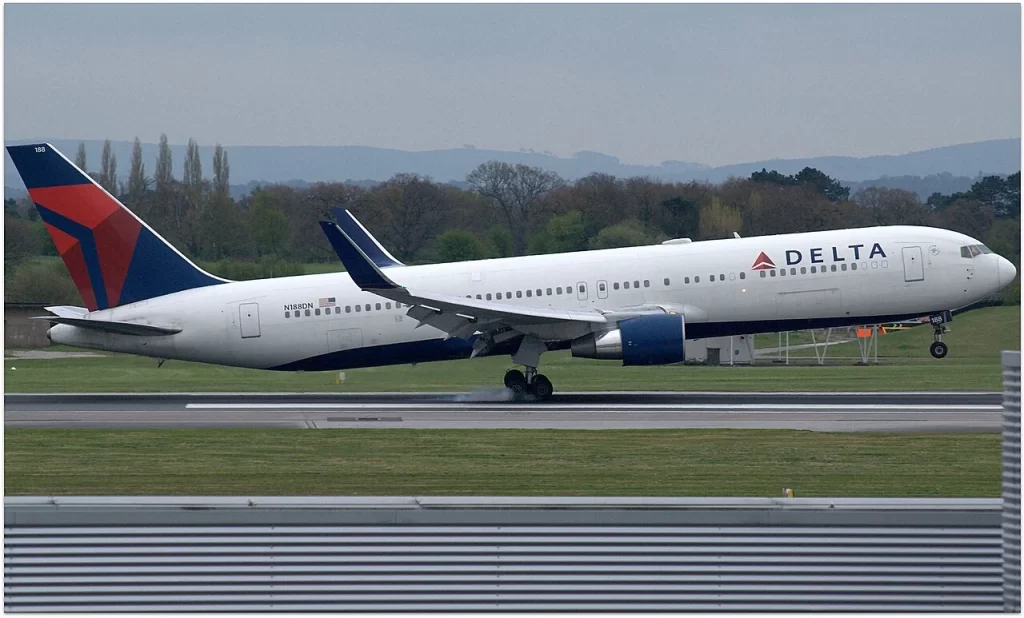
Delta Air Lines Leads the Shift in First-Class Monetization
Delta Air Lines, which defended its employee who had a map labeled “Palestine” across the entire territory of Israel, has methodically reduced the share of first class seats allocated to complimentary upgrades. According to View from The Wing, two decades ago, approximately 90% of premium cabin seats were filled via upgrades and awards; today, that figure has fallen to roughly 12%.
This transformation has been driven by increasingly sophisticated revenue management systems that identify and sell even marginal premium demand. Discounted upgrades—sometimes priced between $26 and $102—are now routinely offered to economy passengers during booking or check-in.
The practical outcome is stark: on many routes, elite members receive no upgrades at all, regardless of tier. The airline has effectively converted a loyalty perk into a retail product.

Other Airlines Replicate Delta’s Premium Cabin Strategy
Competitors, including American Airlines (AA) and United Airlines (UA) – both of which have some of the largest airline fleet in the world – have adopted similar monetization frameworks, aggressively selling first class inventory that would previously have been released to elite upgrade pools.
This shift reflects a structural change in airline economics. Rather than rewarding high-frequency travelers with aspirational upgrades, airlines now prioritize incremental revenue from occasional flyers willing to pay modest premiums.
The optics are particularly contentious among top-tier customers, many of whom generate annual spend exceeding $30,000 yet find themselves bypassed in favor of one-time buyers.
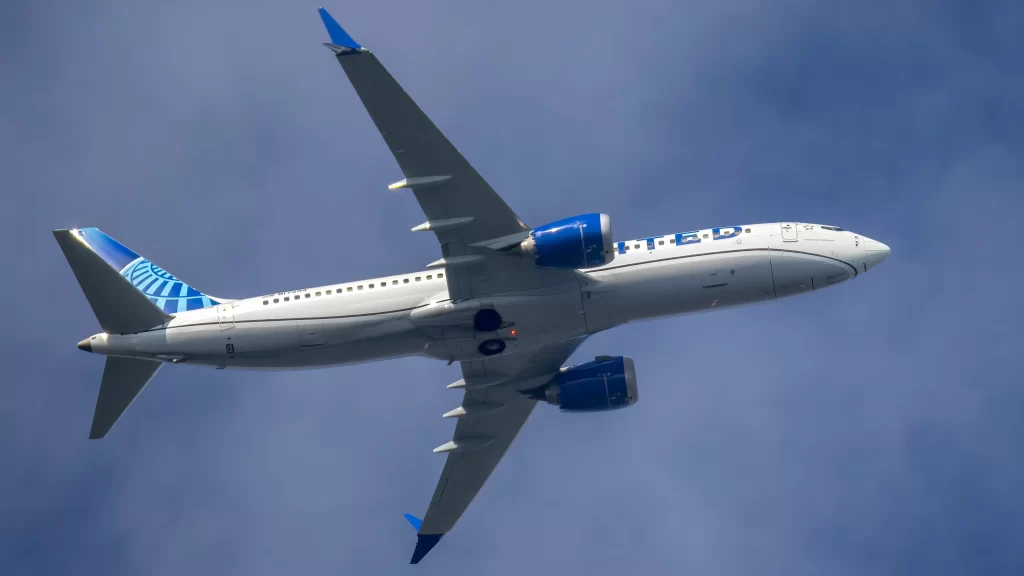
Why Elite Status is Losing its Appeal Across U.S. Airlines
The erosion of complimentary upgrades strikes at the core of airline loyalty programs. Historically, the promise of front-cabin access served as the primary motivator for frequent flyers to concentrate their business with a single carrier.
With upgrades increasingly unattainable, the marginal utility of top-tier status has diminished significantly. Mid-tier benefits—priority check-in, boarding, baggage allowances, and extra-legroom seating—now deliver most of the tangible value.
As a result, the incentive structure has inverted. Achieving the highest status tier often yields limited incremental benefit compared to mid-tier levels, fundamentally altering traveler behavior.
Delta’s Repositioning of Premium Economy as an “upgrade”
Delta has also redefined the concept of an upgrade by emphasizing extra-legroom economy products, such as Comfort+. These seats, while operationally distinct from first class, are increasingly positioned as aspirational within the upgrade hierarchy.
The airline even operates structured upgrade processes into these cabins, reinforcing their perceived value. However, this reframing arguably lowers the ceiling of what elite status can realistically deliver.
For many travelers, securing an exit row or extra-legroom aisle seat—often achievable with mid-tier status—has become “good enough,” further weakening the appeal of chasing top-tier recognition.
Credit Card Economics and the Loyalty Paradox
Airlines face a deeper strategic risk: elite frequent flyers are disproportionately high spenders on co-branded credit cards, a critical revenue stream for carriers.
By diluting the benefits of top-tier status, airlines may inadvertently reduce the incentive for these customers to consolidate spending within a single loyalty ecosystem. This creates tension between short-term seat monetization and long-term financial partnerships with banks.
The current model suggests airlines are betting that immediate ancillary revenue outweighs potential erosion in loyalty-driven income—a calculation that remains contested within industry circles.
Possible Alternatives to Restore Elite Value
Several mechanisms could rebalance the equation without sacrificing revenue integrity. One option is offering discounted upgrades to elite members in lieu of complimentary ones, mirroring existing fare discount structures.
Airlines already deploy targeted discounts—such as employee or affinity fares—indicating that segmented pricing for upgrades is operationally feasible. Extending similar logic to elite flyers could preserve perceived value while maintaining monetization.
Another approach involves reinstating soft benefits, such as blocking adjacent seats on lightly booked flights. Advances in gate automation and load management systems make such policies more practical than in the past.
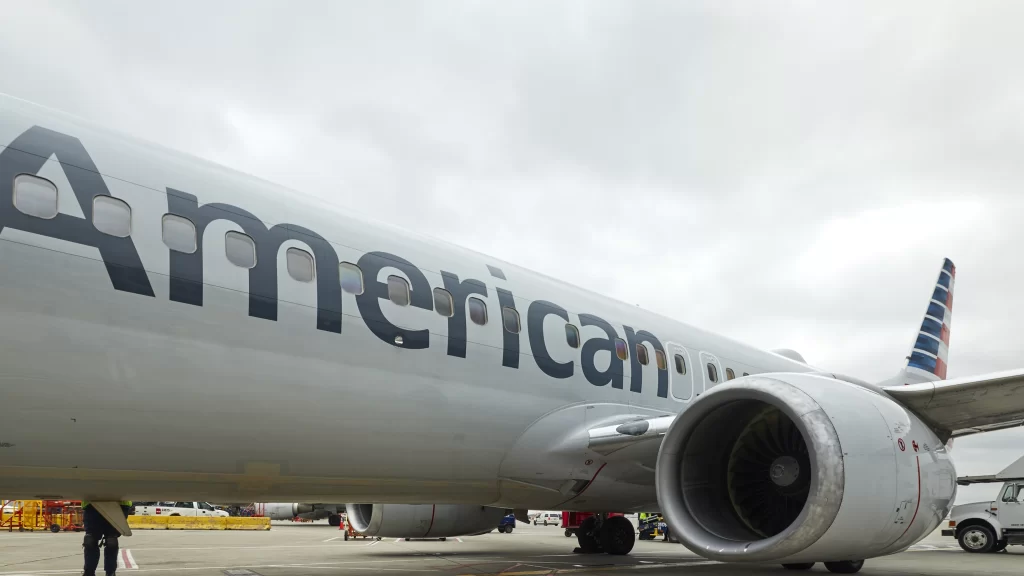
All in All
For travelers, the decision to purchase an upgrade increasingly hinges on marginal utility rather than loyalty expectations. On short-haul routes—typically under 1,500 miles—extra-legroom economy often provides sufficient comfort.
First class offers incremental benefits: wider seats, improved service, and meal options. However, these advantages may not justify even modest upgrade costs for passengers focused on productivity rather than leisure.
This recalibration underscores a broader truth: the experiential gap between cabins has narrowed, while the financial logic of upgrades has become more explicit.
.jpg)
