The European Union Aviation Safety Agency (EASA) has ordered urgent inspections of 16 Airbus A380 aircraft after cracks were discovered in wing structural components, placing renewed focus on the long-term maintenance challenges facing the world’s largest passenger aircraft. The emergency airworthiness directive, issued on 22 June and taking effect on 24 June, requires operators to inspect wing mid spars on affected aircraft after regulators concluded that cracks found during earlier inspections could reduce the structural integrity of the wing.
Of the 16 aircraft covered by the directive, 15 belong to Emirates (EK) and one is operated by Qantas (QF), whose A380 fleet remains central to its long-haul operations. The five jets requiring immediate inspection are all part of the Emirates fleet and were expected to undergo checks starting Wednesday, June 24, Aerospace Global News reported.
What Is the Wing Mid Spar and Why Does It Matter?
The checks focus on the wing mid-spar, a key structural element inside the wing box that helps distribute the stresses generated during flight. The wing system absorbs continuous flexing during takeoff, cruising at high altitude, and landing cycles. According to aviation safety assessments, any compromise in the mid spar structure can affect overall wing integrity if not addressed through immediate corrective action.
The wing spar is a structural beam that runs along the length of the wing and carries much of the aerodynamic load during flight. This component is one of the most heavily stressed parts of any aircraft, and damage to it can compromise structural integrity if left unchecked.
The A380 has a wingspan approaching 80 metres. Measuring 73 metres in length, with a wingspan approaching 80 metres, the double-deck airliner entered service in 2007 and has since carried more than 300 million passengers across more than 800,000 flights.
Details Of the EASA Emergency Airworthiness Directive
EASA acted after inspectors found cracks during routine or previous mandated checks. The agency stated clearly: cracks in these areas “could reduce the structural integrity of the wing.” The directive states:
“It has been determined that the cracks found on certain aeroplanes could reduce the structural integrity of the wing. To address this potential unsafe condition, Airbus determined that an additional special detailed inspection has to be accomplished.”
Airbus said the cracks were identified during inspections mandated under an EASA directive issued in December 2025, with regulators warning that the damage could potentially affect the wing’s structural strength.
The manufacturer has identified all aircraft sharing the same production background and will immediately inspect five of them. Airbus will then work with EASA to determine whether any repairs are required, according to a company spokesperson. The remaining 11 aircraft must also be inspected, but operators have until before each aircraft completes another 25 flight cycles — defined as a takeoff, flight, and landing sequence — to carry out the checks.
Operators have been instructed to obtain inspection procedures directly from Airbus and report the results within seven days, regardless of whether cracks are found.
The regulator has not grounded the entire A380 fleet and there is no indication of an immediate safety risk across all aircraft. But emergency directives from EASA are rare and usually reserved for issues that could affect the airworthiness of an aircraft if left unchecked.
How Inspectors Will Check the Wing Mid Spars
Technicians will use non-destructive testing methods to examine the wing spar without disassembling major structural components. These techniques typically include ultrasonic scanning and eddy-current testing, both of which can detect cracks invisible to the naked eye. The process takes several hours per aircraft and requires specialized equipment along with trained inspectors.
Airbus has developed an additional detailed inspection program for the mid spars and instructed operators to report back findings within seven days. Any aircraft found with structural discrepancies must be repaired before returning to commercial service.
Aircraft found to have cracks will need repairs before they can return to service, while clean inspections will allow continued operation under standard maintenance schedules.
Emirates Faces The Largest Immediate Operational Impact
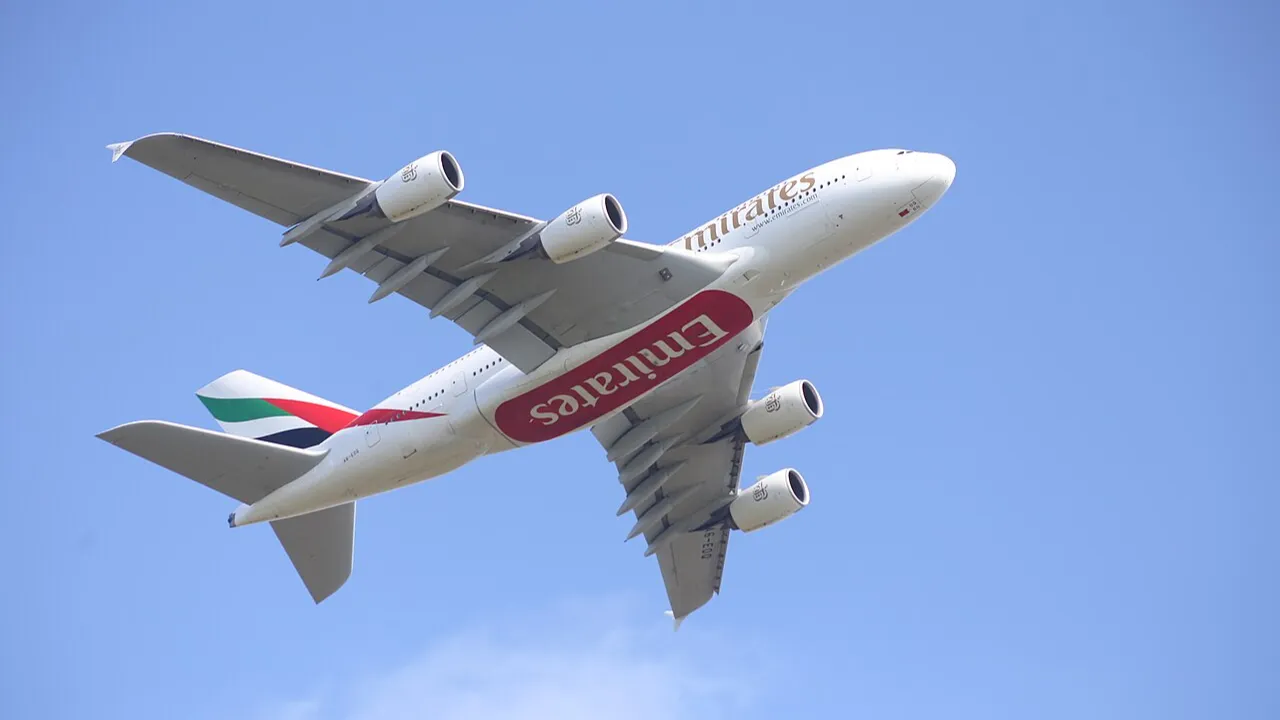
Emirates runs the world’s largest A380 fleet with 116 aircraft, representing more than half of all active superjumbos.
“Emirates will comply and carry out the inspections required in accordance with the airworthiness directive. We remain in close contact with Airbus and the relevant authorities to minimise any disruption to the operating schedule…”
an Emirates representative said.
Of the 16 affected aircraft, 15 belong to Emirates, reflecting the airline’s dominant position as the largest A380 operator. The Dubai-based carrier operates more than 100 A380s and accounts for nearly half of the 251 aircraft delivered before Airbus ended the programme.
The emirate’s Dubai International Airport (DXB) serves as Emirates’ global hub. Emirates revised its June 2026 network plan by withdrawing the Airbus A380 from six routes across five countries, including Copenhagen, Osaka, Washington Dulles, Munich, Manchester, and London Gatwick, with 286 one-way A380 flights originally planned for June.
The new wing spar directive adds an additional layer of maintenance pressure to a carrier already managing significant schedule adjustments. Emirates removed nearly one in six June 2026 flights due to disruptions stemming from the Iran conflict, and the five immediately grounded A380s could further constrain an already-reduced fleet deployment.
The strict directive divides the affected aircraft into two urgency categories. Five of the affected superjumbos — all belonging to Dubai-based Emirates — have been grounded immediately and must undergo inspections before they are permitted to take to the skies again with passengers. EASA has allowed limited ferry flights without passengers to let airlines move these specific jets to maintenance facilities.
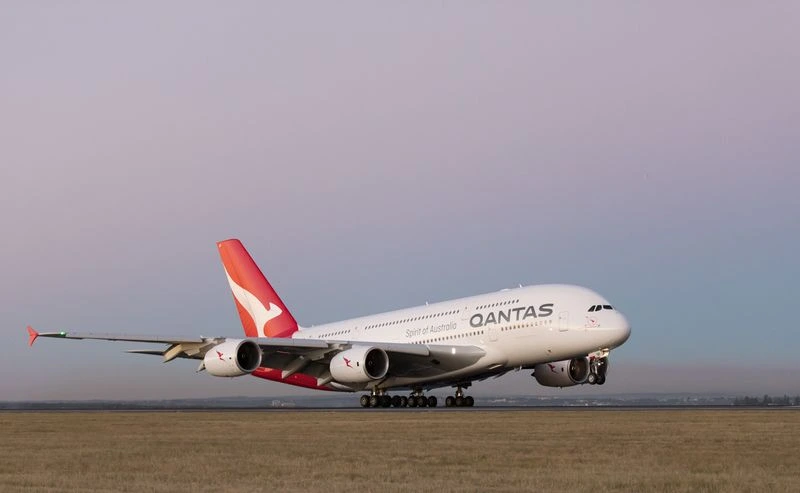
Qantas Confirms No Schedule Disruption
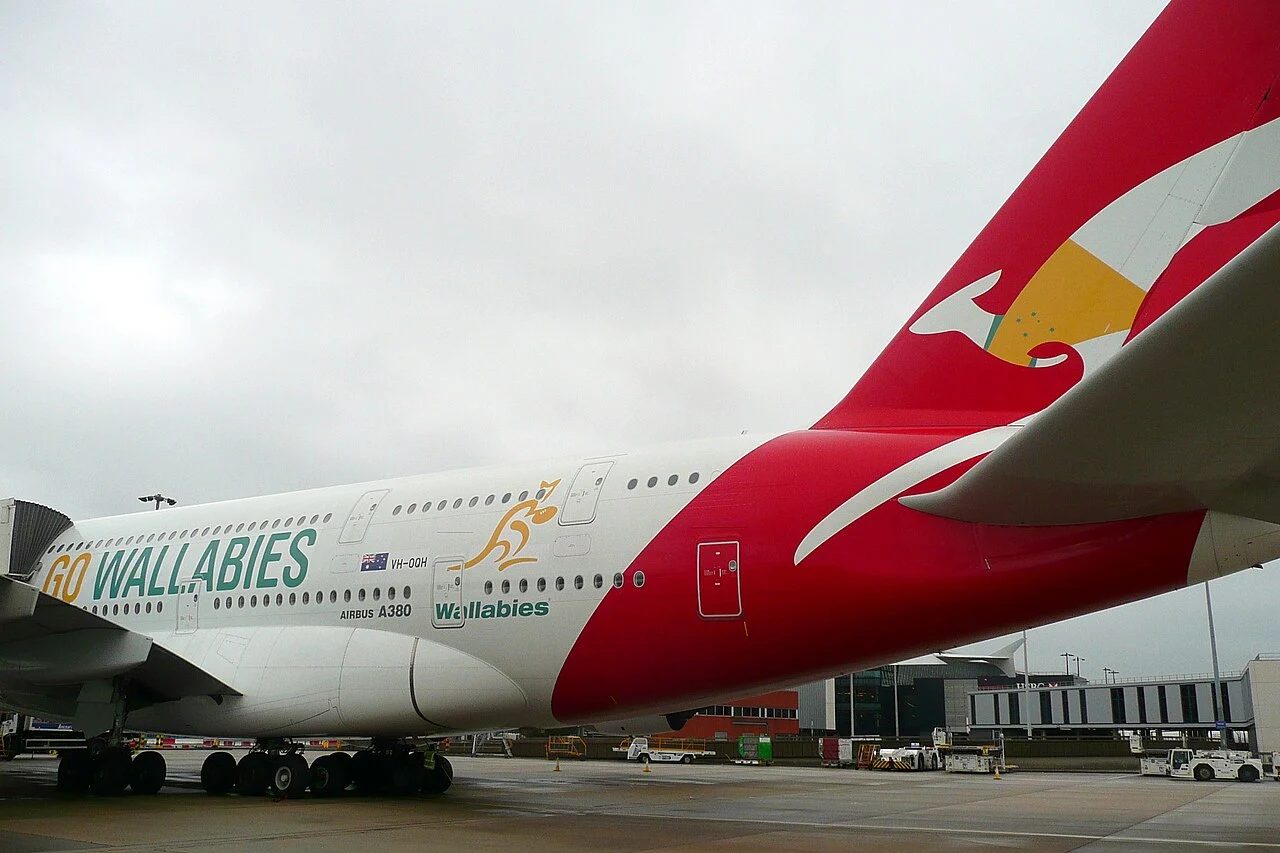
The affected Qantas plane, with the registration VH-OQI, flew on March 8 from London Heathrow Airport (LHR) to the German city of Dresden, Germany, where it has remained since, according to global flight tracker FlightAware.
A Qantas spokesman said the plane was in heavy maintenance, and there was “no impact to Qantas flights” from the airworthiness directive. “The aircraft was already in scheduled maintenance and we will comply with any additional requirements as a result of this airworthiness directive,” the spokesman said.
VH-OQI first entered the Qantas fleet in 2011 and is nicknamed after David Warren, an Australian scientist who is best known for inventing and developing the flight data recorder. The aircraft is configured with four classes of service and carries a total of 485 passengers: 14 in first class, 70 in business, 60 in premium economy, and 341 in economy.
Australia’s Civil Aviation Safety Authority backed the European agency’s move and published an urgent airworthiness directive for local airlines. “All European Emergency Airworthiness Directives automatically apply to all Australian registered aircraft and we also distributed the directive to industry today,” CASA said in a statement.

_@_LHR,_Oct_2015.jpg)

