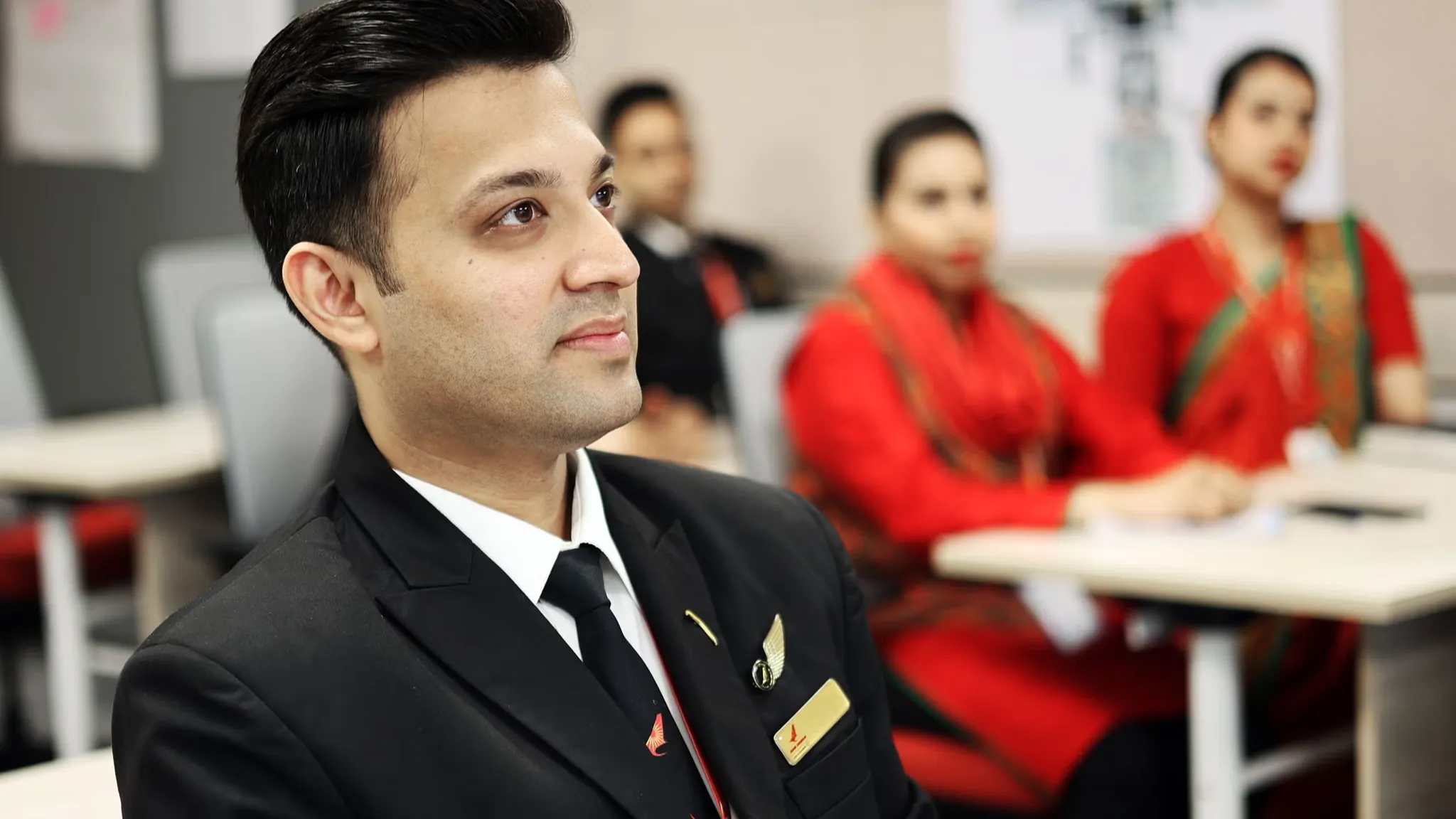
Air India (AI), the flag carrier of India, has announced a new “Flexi Contract for Pilots” work‑model that is set to be implemented in the first three months of the new year, reported Hindustan Times a few days ago. The new contract will allow eligible line‑pilots and line training captains to opt for shorter duty‑patterns while maintaining operational standards.
The model offers two fixed roster options:
- 15 days on/15 days off for wide‑body crews
- 20 days on/10 days off for narrow‑body crews
| Field | Details |
|---|---|
| ICAO code | AIC |
| Callsign | AIRINDIA |
| Founded | 15 October 1932 (as Tata Airlines) |
| Headquarters | Gurugram, Haryana, India |
| Main hub | Indira Gandhi International Airport (DEL), Delhi |
| Secondary hubs | Chhatrapati Shivaji Maharaj International Airport (BOM), Mumbai; Kempegowda International Airport (BLR), Bengaluru |
| Alliance | Star Alliance |
| Fleet size | Approximately 186 aircraft as of now |
| Major aircraft types | Airbus A350‑900, A320neo family; Boeing 777‑300ER, 787‑8/9 |
| Parent company | Tata Group / Air India Limited |
What does Air India’s Flexi Contract Model Specifically Comprise?
Under the “flexi contract” scheme, Air India pilots can reduce the time they spend at work,a s they can choose to either work fifteen or twnty days depending upon the type of aircraft they fly. The following table gives us a cue as to the basics of the new scheme.
| Parameter | Wide-Body Aircraft (A350, B777) | Narrow-Body Aircraft (A320) |
|---|---|---|
| Eligible Personnel | Line Pilots, Line Training Captains | Line Pilots, Line Training Captains |
| Ineligible Personnel | Junior First Officers, Type Rating Instructors, Direct Entry Pilots | Junior First Officers, Type Rating Instructors, Direct Entry Pilots |
| Duty Pattern | 15 days on / 15 days off | 20 days on / 10 days off |
| Annual Privilege Leave | 8 days | 12 days |
| Annual Sick Leave | 4 days | 6 days |
| Contract Tenure | 12 months (extendable at company’s discretion) | 12 months (extendable at company’s discretion) |
| Post-Contract Status | Revert to original terms | Revert to original terms |
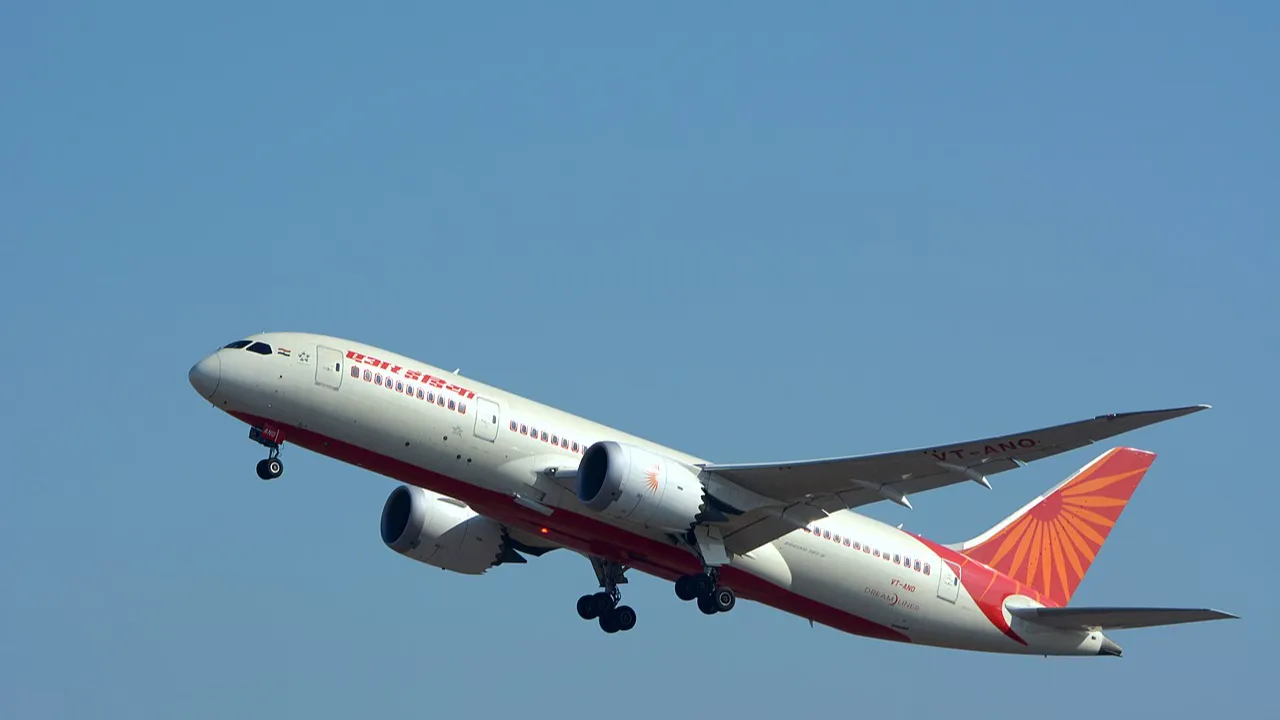
Please note that the Boeing 787 Dreamliner of India crashed a few months ago, making it one of the worst accidents in the aviation history of India. Only a few weeks ago, the same aircraft type also suffered an uncommanded deployment of its Ram Air Turbine (RAT) when it was nearly 400 feet on final approach to Birmingham Airport (BHX) from Amritsar. According to data from planespotters.net, the carrier operates a total of 32 aircraft of this type and these average a little over 10 years. Here are the details of the two types of Dreamliners that AI operates.
| Parameter | Boeing 787-8 Dreamliner | Boeing 787-9 Dreamliner |
|---|---|---|
| Current Number | 22 | 6 |
| Historic | 4 | – |
| Total | 26 | 6 |
| Youngest | 1 | 3 |
| Oldest | 11.3 Years | 1 |
| Average Age | 27 | 4.7 Years |
Data: planespotters.net
Air India also has 21 Boeing 777s and these average just over 15 years. It is not exactly clear why the pilots of the 787s and 777s are exempt from this offer. We also can’t quite specify how many pilots are type-rated for these two aircraft types, though the carrier had a total of 3,280 pilots as of March 2025. It is also expected that the airline will require approximately 6,000 pilots in the course of next the years if it continues to expand as it has planned to. In 2023, the carrier placed and order for 470 aircraft (comprising the Boeing and Airbus family).
.jpg)
After privatization, Air India placed one of the largest aircraft orders in history, spanning 570 aircraft in total (single aisle and wide body jets from Boeing and Airbus) to be delivered. The following data will give you some cues:
| Manufacturer | Aircraft Type | Order Year | Ordered Quantity | Delivered Since Sep 2023 | Outstanding Deliveries | Total in Fleet |
|---|---|---|---|---|---|---|
| Airbus | A350-900 (twin-aisle) | 2023 | 20 | 6 | 14 | 20 |
| Airbus | A350-1000 (twin-aisle) | 2023 | 20 | – | 20 | 20 |
| Airbus | A320neo (single-aisle) | 2023 | 140 | – | 140 | 140 |
| Airbus | A321neo (single-aisle) | 2023 | 70 | – | 70 | 70 |
| Airbus | A350 (unspecified) | 2024 | 10 | – | 10 | 10 |
| Airbus | A320 Family | 2024 | 90 | – | 90 | 90 |
| Boeing | B787 Dreamliner (twin-aisle) | 2024 | 20 | – | 20 | 20 |
| Boeing | B777X (twin-aisle) | 2024 | 10 | – | 10 | 10 |
| Boeing | B737-8 (single-aisle) | 2024 | 155 | 35 | 120 | 155 |
Key Insights:
-
Total Airbus orders: 460 aircraft (250 A350 + 210 A320 Family)
-
Total Boeing orders: 220 aircraft (30 twin-aisle + 190 B737-8)
-
Delivered since Sep 2023: 6 A350-900, 35 B737-8
-
Outstanding deliveries: 529 aircraft
Helicopter that can fly to the top of Everest to be manufactured in India
So, it is quite obvious that the change in the way Air India is expected to pay its pilots is not only going to affect the current crop of pilots but also the future ones that the carrier will recruit to make sure its expanded operations with the aircraft which have outstanding deliveries are smooth.
Adopting the flexi model: Air India’s perspective
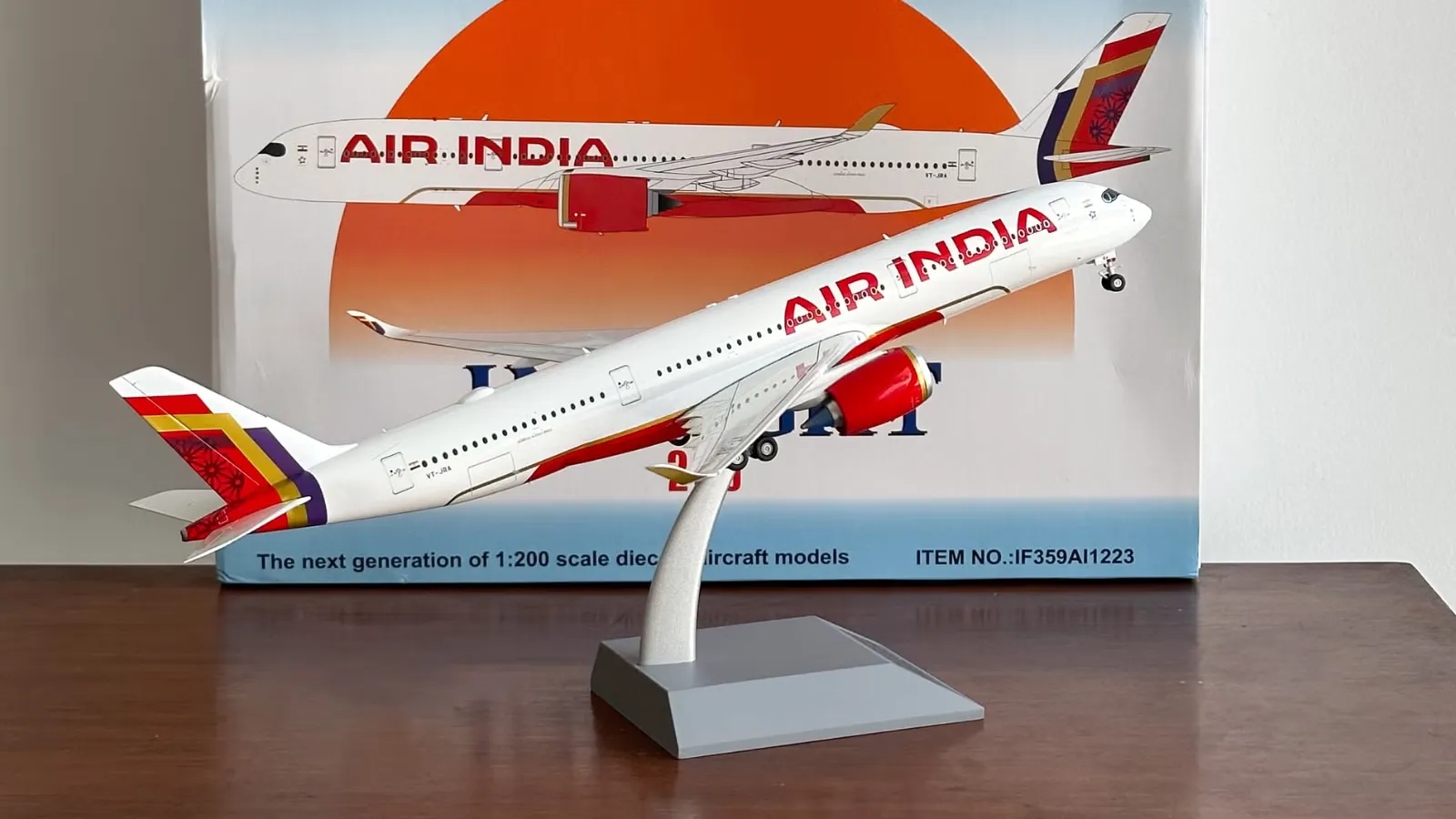
Air India says the initiative is intended to match pilot preferences with operational requirements by offering greater roster flexibility and improved work‑life balance, while maintaining roster integrity and efficiency. In addition, the model signals a strategic response to a tightening global pilot labour market, fleet expansion plans, and the need to keep pilot careers attractive and sustainable while meeting growth ambitions.
It was also recently discussed by the CEO of IndiGo CEO Pieter Elbers (and published in The Hindu) that pilots of India were being poached by foreign airlines- a practice that was not limited to only pilots either.
“The impact is particularly severe for specialised roles such as AMEs [Aircraft Maintenance Engineers] and type-rated pilots [pilots trained on specific aircraft types], where replacement training can take months or even years. This practice creates an unfair competitive disadvantage where Indian carriers effectively subsidise the training costs of foreign airlines while bearing the operational disruption costs themselves”
Another report in ETV Bharat talked about the scale of pilot shortages in India due to the exorbitant costs in training. The issue was also discussed in the Indian parliament [the Lok Sabha], where “the Centre admitted that it has received a representation from the Airlines’ Association of India (ALPA)”. The following table gives us a cue:
| Year | Total CPLs Issued | Year-on-Year Change | Notes |
|---|---|---|---|
| 2022 | – | – | Baseline year for comparison |
| 2023 | 1,622 | +40% vs 2022 | Significant increase in wait time for CPL issuance |
| 2024 | 1,342 | -17% vs 2023 | Decline raises concerns for future pilot availability |
Source: ETV Bharat
The same source also revealed the number of pilots that airlines in India would need in the following decade would be the following:
- Air India: 5,870
- SpiceJet: 1,630
- Air India Express: 2,196 pilots by FY 2028
- IndiGo: 11,778
Why Indian Airlines Didn’t Get Airbus A380 Even after trying
Air India has stated that the new payment scheme is a “voluntary offer to its pilots operating certain aircraft types to opt for a lesser number of working days with commensurate payments.”
Why Air India Pilots Are Uneasy About the Flexi Model
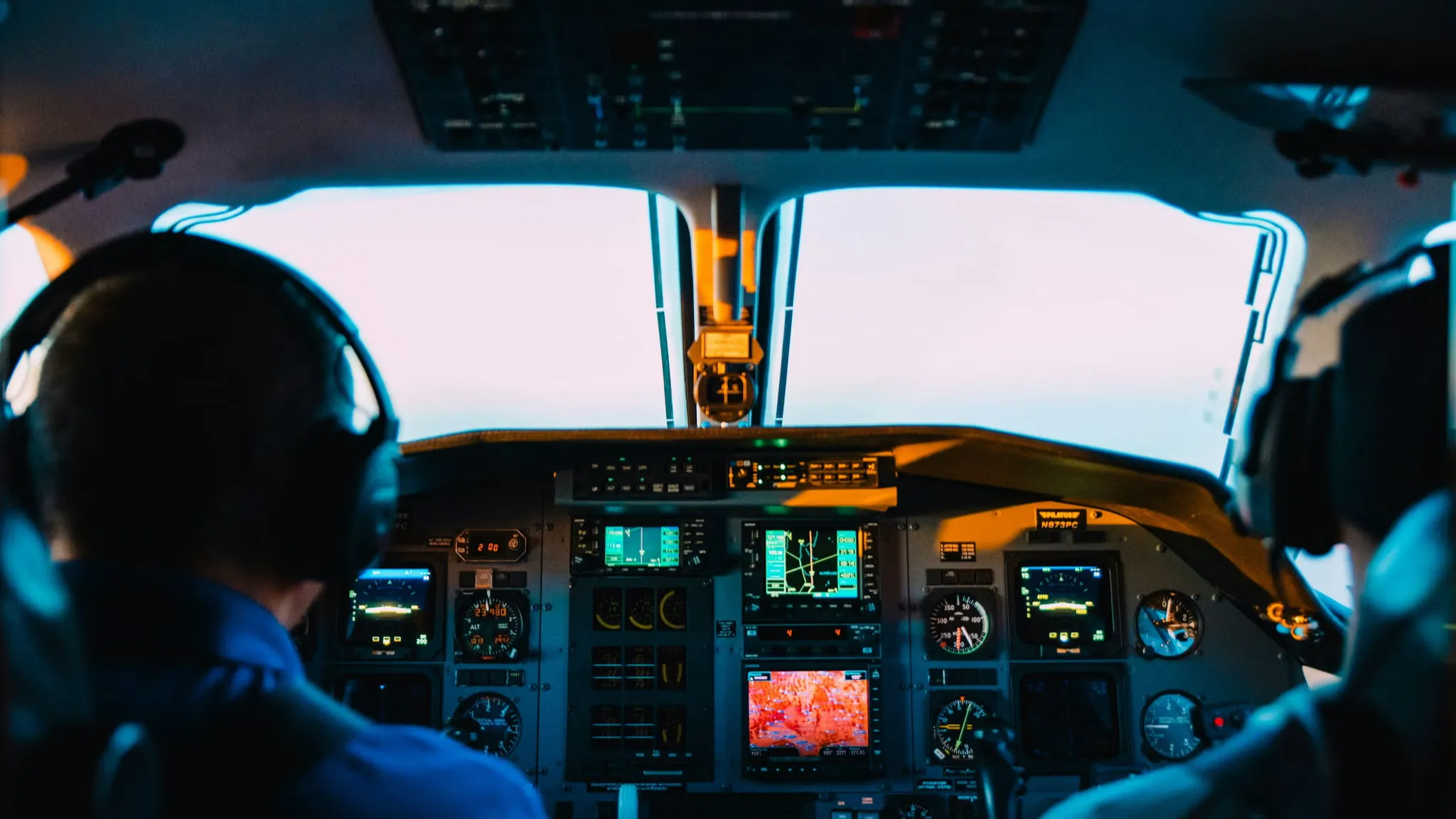
Much like the recent standoff between Pakistan International Airlines and the engineers association that led to a flurry of flight cancelations in Pakistan, Air India and the pilots who work there have dramatically opposite view of the proposed flexi contract for pilots. While AI claims that the contract will help pilots balance their work and life, pilots fear that the move is going to cut down on their flight hours, and ultimately their salaries:
National Herald India reported that “narrowbody pilots may see pay reductions of up to 30 per cent”, and quoted and
“As per the plan, a widebody pilot will get work for 15 days and a narrowbody pilot 20 days. This is a further loss of flying hours, which were already down from nearly 90 hours a month pre-Covid to 50–55 hours after privatisation,” said one industry source who chose to remain anonymous:
“As per the plan, a wide‑body pilot will get work for 15 days and a narrow‑body pilot 20 days. This is a further loss of flying hours, which have already been reduced from nearly 90 hours a month pre‑Covid to 50–55 hours after privatisation.”
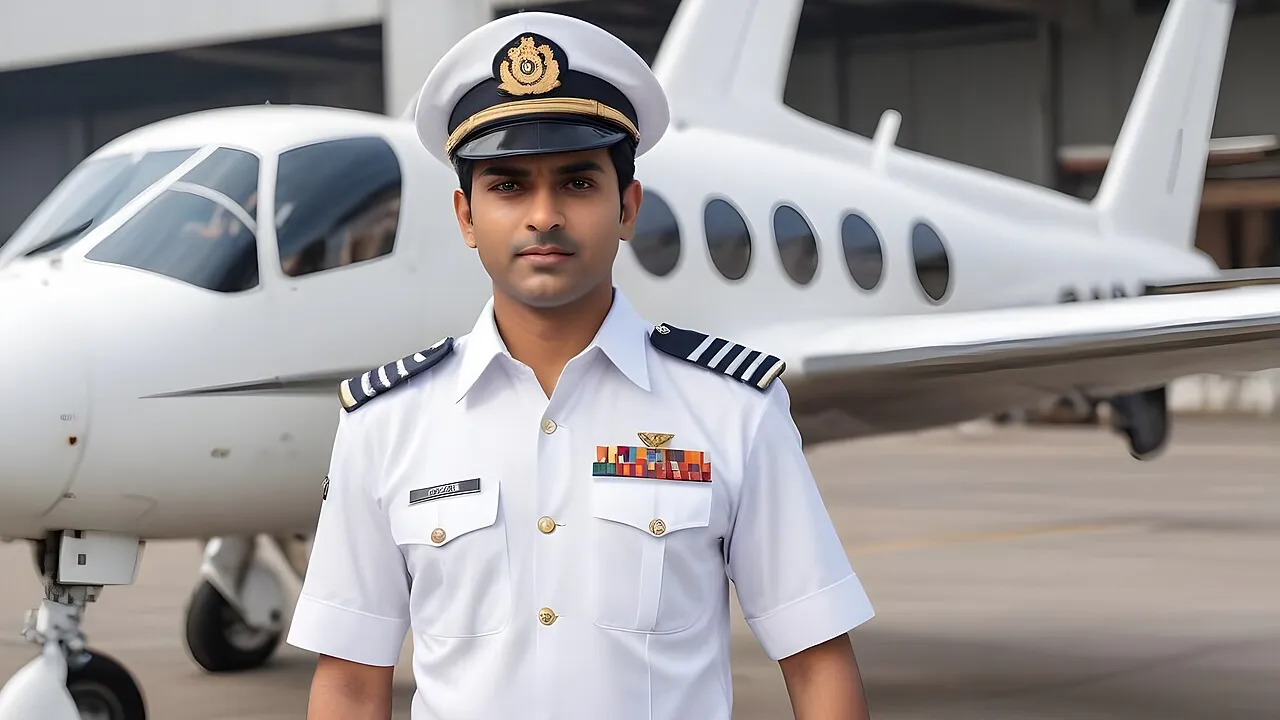
Others have opined that the flexi scheme is simply a cost‑cutting measure, with one pilot being quoted as having asked if the changes as proposed by Air India were for the benefit of the pilots, “it’s very easy to fly 40 hours in half the month. Why is the offer not for 40 hours payment in 15 days?”
Here’s what another pilot had to say to the publication we previously quoted:
A second pilot HT spoke to said the minimum guarantee under the voluntary scheme added that the base pay in the voluntary scheme would be a cut of 45% which appears to be commensurate with the reduction of the guaranteed paid hours from 40 to 22. “There will also be a reduction in the hourly rate, from that we understand, though specifics have not been shared yet,” this person said.
India Inches Past China in Modern Military Aircraft Rankings
These statements show the dichotomy: Air India emphasizes flexibility and alignment with pilot needs, while portions of the pilot workforce view the model as a disguised cost‑reduction measure and caution against potential mandatory adoption.