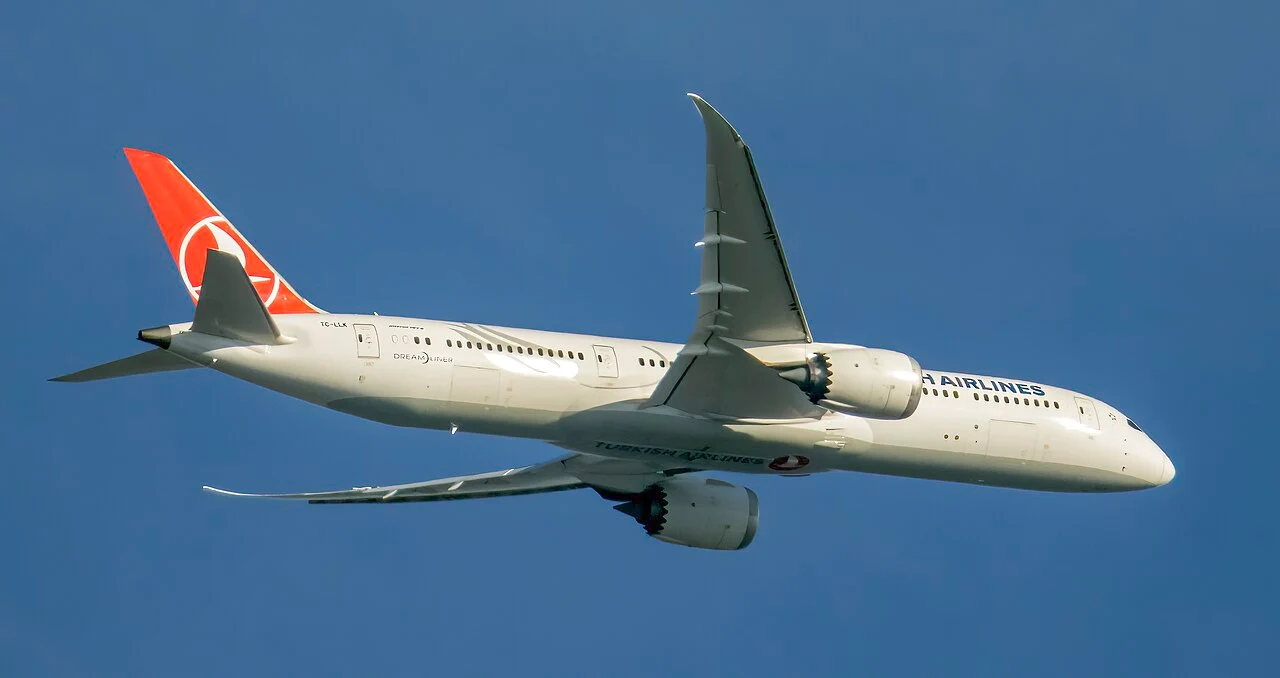
Turkish Airlines (TK) has filed additional capacity reductions on three of its United States routes for the Northern Summer 2026 season, cutting weekly frequencies on services to Atlanta, New York, and Seattle effective from mid-June 2026. The reductions, first reported by schedule-tracking outlet AeroRoutes on 15 May 2026, mark the second round of US-market schedule changes filed by the carrier in less than two months.
The carrier, which operates more than 400 aircraft making it one of the top 10 carriers by fleet size, is adjusting sweeping network recalibration driven by record fuel costs, geopolitical turbulence in the Middle East that has already led to twenty Iranian airframes damaged, and a calculated redeployment of widebody capacity to markets where yields, at present, remain more compelling.
The Three US Route Reductions: What Turkish Airlines Filed
Turkish Airlines has filed the following frequency changes for Northern Summer 2026:
- Istanbul – Hartsfield-Jackson Atlanta International Airport (ATL): Effective 15 June 2026, Turkish Airlines reduces its Istanbul–Atlanta service from 10 to 9 weekly flights.
- Istanbul – John F. Kennedy International Airport (JFK), New York: The carrier reduces frequencies from 28 to 25 weekly flights for the period 16 June to 15 September 2026. From 16 September to 24 October 2026, the service further drops from 24 to 23 weekly flights.
- Istanbul – Seattle-Tacoma International Airport (SEA): From 18 June to 10 September 2026, the Istanbul–Seattle service is trimmed from 10 to 9 weekly flights.
In a schedule update filed on 22 March 2026, AeroRoutes reported that Turkish Airlines cancelled a planned increase from 14 to 17 weekly flights at Chicago O’Hare International Airport (ORD), reduced its Dallas/Fort Worth International Airport (DFW) service from 10 to 9 weekly flights through much of the summer, trimmed its George Bush Intercontinental Airport (IAH), Houston service from 10 to 9 weekly from May 2026, and dramatically curtailed planned capacity additions at both Los Angeles International Airport (LAX) and San Francisco International Airport (SFO).
The Fuel Crisis Reshaping Transatlantic Economics
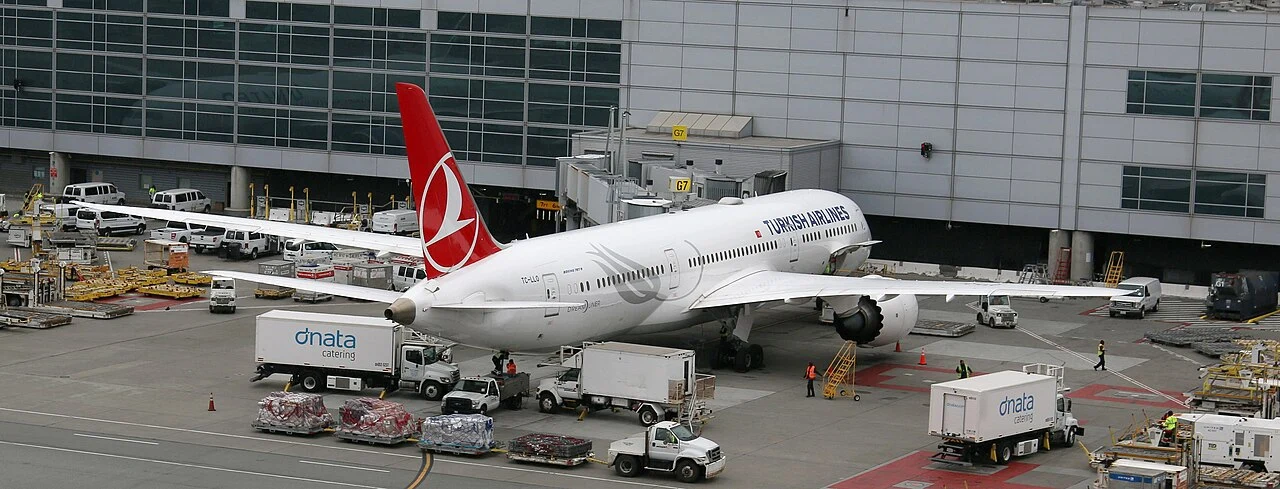
The single most significant structural pressure on Turkish Airlines’ schedule decisions in 2026 has been an extraordinary surge in jet fuel prices. Analysts at AInvest report that jet fuel prices surged by over 135% in the Middle East and approximately 106% across Europe, fundamentally altering the unit economics of long-haul widebody operations. Transatlantic routes — operated predominantly by Boeing 777-300ERs and 787-9 Dreamliners, both thirsty aircraft over 10,000-kilometre sectors — are acutely exposed to such cost escalation.
[ Even on smaller routes, such as the ones operated in the tiny nation called Nepal (a country that houses the most dangerous airport, Lukla), the doubling of fuel prices has led to carriers removing upto 40% of their flights. ]
The fuel shock has affected the entire industry simultaneously. Travel and Tour World notes that carriers including Lufthansa, British Airways, and Ryanair have all curtailed capacity in response to the same fuel price dynamics, with the Lufthansa Group alone reducing over 20,000 short-haul European flights through October 2026. Turkish Airlines’ US reductions must be read as part of this global aviation correction, not a carrier-specific crisis of confidence.
Middle Eastern Turbulence and Its Indirect Effect on US Demand
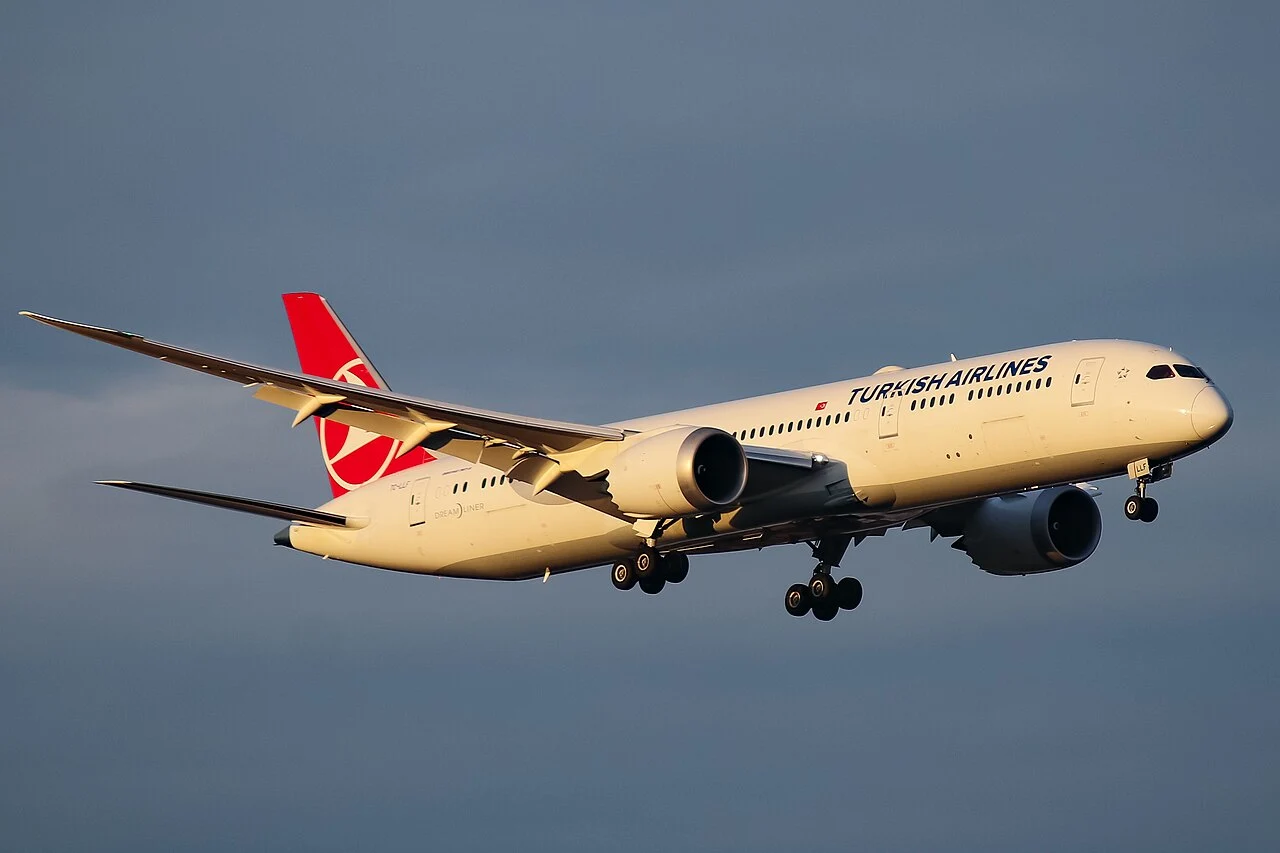
The geopolitical dislocation in the Middle East is a secondary but meaningful driver. Turkish Airlines, like all carriers operating long-haul services from or over that region, has faced sustained airspace uncertainty throughout early 2026. We documented the cascading wave of suspensions and reroutings that swept through international aviation from January 2026 onwards, as escalating US-Iran tensions prompted carriers including KLM, Air France, Lufthansa, and Austrian Airlines to suspend services and reroute around Iranian airspace.
Turkish Airlines itself suspended flights to multiple Iranian cities — including Isfahan, Mashhad, Shiraz, and Tabriz — with those services not expected to resume before late October 2026. While the Istanbul–US routes do not traverse Iranian airspace, the conflict’s spillover effects on fuel supply chains and regional demand patterns have been significant.
As FlightGlobal reported, Turkish Airlines’ newly appointed Chairman Prof. Dr. Murat Şeker stated during the carrier’s first-quarter 2026 earnings call:
“Elevated fuel prices present a major headwind and we aim to mitigate its impact through dynamic revenue management, route-by-route capacity optimisation and cost management.”
Şeker also acknowledged weaker inbound demand to Türkiye from Europe, noting:
“We have been seeing some drop from Europe to Turkiye traffic, and we are hopeful that as we get closer to the travel months in summer, we will see higher reservations. But at the moment, that is one of our weak spots.”
What Passengers on Affected Routes Should Know
For travellers booked on Turkish Airlines services from Atlanta, New York JFK, or Seattle to Istanbul Airport (IST) this summer, the frequency reductions do not eliminate services. The Atlanta route retains 9 weekly flights, JFK maintains 25 weekly flights during peak summer and Seattle holds 9 weekly flights through mid-September.
Travel and Tour World advises passengers to book early and monitor Turkish Airlines’ official schedule communications directly, as the airline has been updating filings on a rolling basis throughout the Northern Summer 2026 season. Passengers affected by any onward schedule changes retain rebooking rights through the carrier’s standard customer service channels.