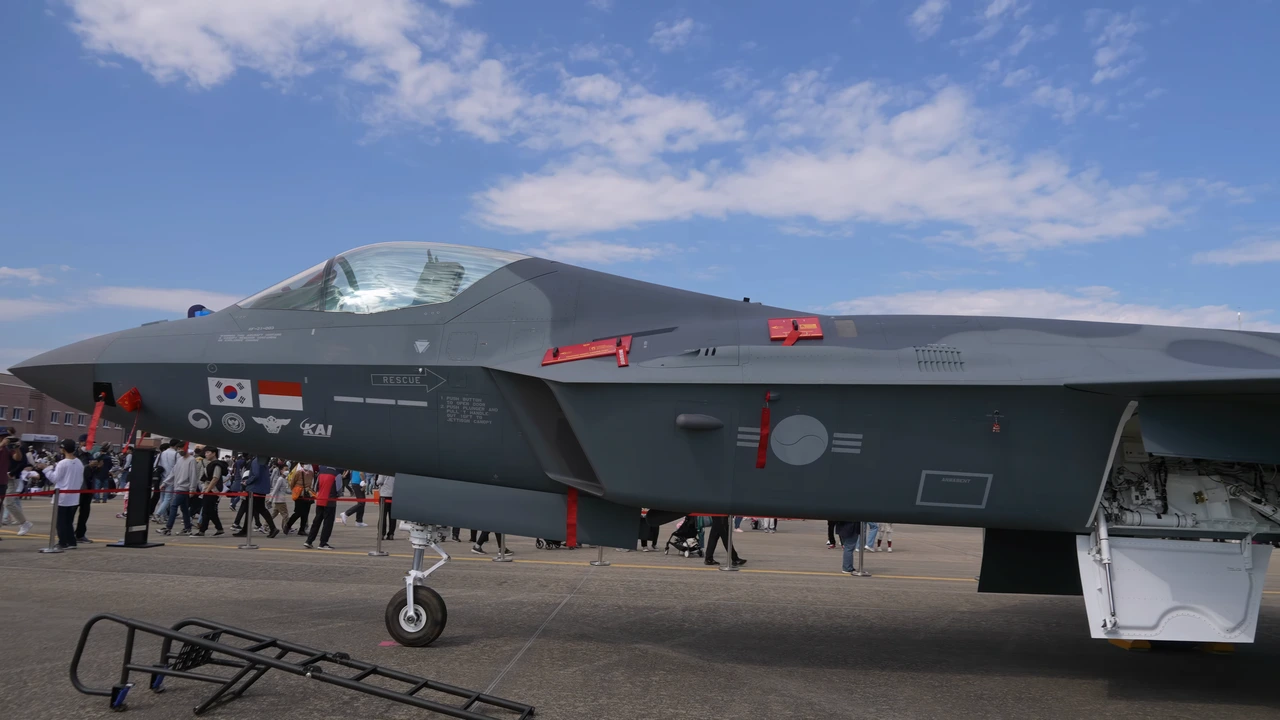
Indonesia’s Ministry of Defense confirmed on June 26, 2026, that it will no longer co-produce the KF-21 Boramae fighter jet with South Korea, ending a partnership signed in 2010. Air Marshal TNI Yusuf Jauhari, head of Indonesia’s Defense Logistics Agency, announced the shift, and Defense Ministry spokesperson Rico Ricardo Sirait later confirmed the change to the Jakarta Globe. Jakarta will instead buy finished KF-21 jets directly from Korea Aerospace Industries (KAI), rather than assembling them through state-owned PT Dirgantara Indonesia (PTDI) in Bandung.
According to Defense News, the reversal follows years of delayed payments, a data-theft dispute, and a renegotiated cost-sharing deal that cut Indonesia’s contribution from 1.6 trillion won to 600 billion won, or roughly $389 million. Indonesia had just finished paying that reduced amount when it announced the pivot, and it will still receive one KF-21 prototype in exchange.
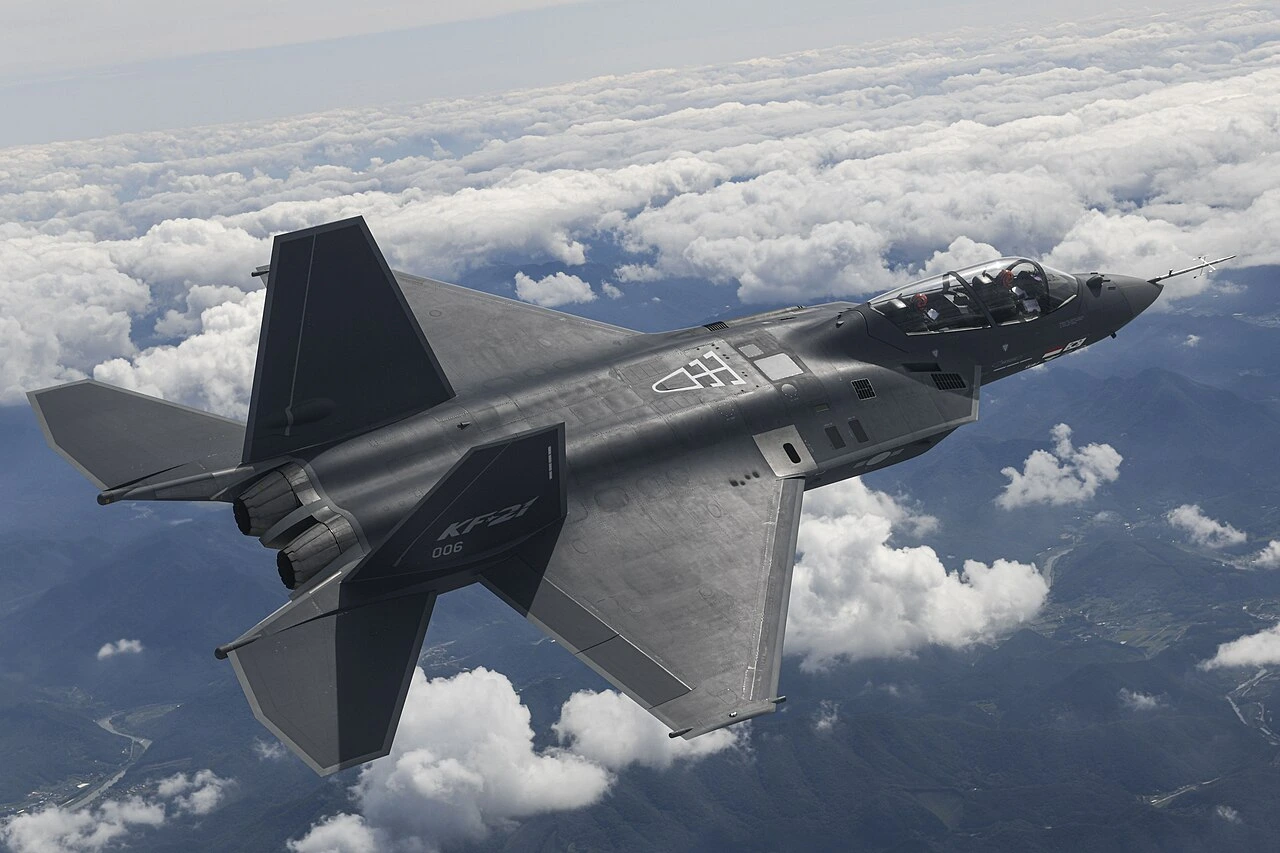
Why Indonesia Walked Away from Local KF-21 Production
Indonesia joined what was then called the KF-X/IFX program in 2010, agreeing to fund 20 percent of development costs. That share was originally priced at 1.6 trillion won, or about $1.3 billion, payable through 2026. In return, Seoul promised a prototype transfer and enough technology sharing to let PTDI build 48 KF-21 Block-I jets on Indonesian soil.
That plan never fully materialized. Jakarta repeatedly missed payment deadlines, and in 2024, two Indonesian engineers faced allegations of trying to steal KF-21 technical data on flash drives. An investigation later cleared the engineers, but the episode strained trust between the two governments during an already difficult renegotiation over cost-sharing.
Hyung-Ju Kim, president of the Security Management Institute think tank, offered a straightforward explanation for the pivot. Jakarta’s decision “appears to be largely practical and financial,” he told Defense News. He added that:
“Indonesia may still want the aircraft, but not necessarily the burdens of local co-production. From Seoul’s perspective, this is probably easier to manage and potentially more attractive for the KF-21’s broader export campaign.”
His comment frames the switch as a trade-off Jakarta made willingly, not a program failure.
What The Revised KF-21 Deal Actually Includes
South Korea’s Defense Acquisition Program Administration (DAPA) restructured Indonesia’s obligations into a “value transfer” package rather than a traditional co-production stake. The Aviationist detailed the breakdown after DAPA briefed South Korea’s National Assembly in April 2026.
The package covers three components:
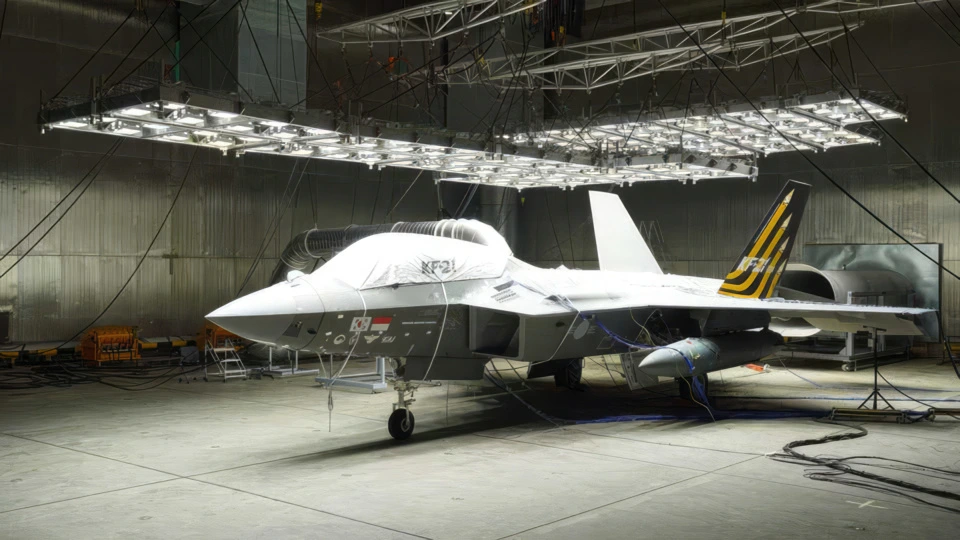
- A single-seat KF-21 prototype, the fifth of six built, valued at roughly 350 billion won. It first flew in May 2023 and has since supported AESA radar and aerial refueling trials.
- Technology transfer and local research personnel costs, worth 174.2 billion won.
- Development data access, priced at 75.8 billion won.
Indonesia has now paid the full 600 billion won required under the revised terms. Separately, Seoul and Jakarta are negotiating a follow-on export order for 16 production-standard KF-21 jets, a deal that Presidents Lee Jae-myung and Prabowo Subianto discussed at an April 2026 summit in Seoul.

How Confusion Clouded the Program Before the Announcement
The KF-21’s status had been unclear for months before Jakarta’s confirmation. A 29-point joint statement issued in April 2026, after Prabowo’s Seoul visit, said the leaders “noted with satisfaction” that KF-21 development was “scheduled for completion in June 2026,” and it even floated expanding cooperation into trainer aircraft and missile systems. Indonesian officials then confirmed weeks later that domestic production would not proceed at all.
Sirait explained the process behind the decision when he spoke to the Jakarta Post. Jakarta ran a “comprehensive evaluation” covering the program’s effectiveness, technology transfer value, and the Indonesian Air Force’s operational needs before scrapping co-production. Officials remain noncommittal on exact jet numbers. “Everything is still under assessment. We will adjust the purchase depending on the Indonesian Air Force’s operational needs and our country’s spending capacity,” Sirait said.
PTDI, the Indonesian firm that would have assembled the jets, told Defense News that internal discussions remain ongoing and no purchase volume has been finalized yet.

Indonesia’s Wider Fighter Jet Shopping List Compared
The KF-21 reversal is one piece of a much larger and increasingly fragmented Indonesian Air Force modernization drive. The country is simultaneously pursuing several other fighter programs, which makes the KF-21 downgrade easier to absorb financially but harder to justify strategically.
- Dassault Rafale (France): Indonesia signed an $8.1 billion contract in 2022 for 42 Rafale jets, split between 16 dual-seat and 26 single-seat aircraft. The first three were delivered and shown off at a ceremony in May 2026.
- TAI KAAN (Turkey): Jakarta signed an overseas loan agreement in April 2026 to buy 48 KAAN stealth jets from Turkish Aerospace Industries, a deal worth about $10 billion, with deliveries starting in 2032.
- Chengdu J-10C (China): Indonesia has budgeted roughly $9 billion for the Chinese fighter, though the deal has yet to be finalized.
- Boeing F-15EX (United States): Jakarta abandoned this planned purchase after nearly two years of stalled negotiations, despite a 2023 memorandum of understanding.
What The Shift Means for South Korea’s Export Push
For KAI, an Indonesian order for stock KF-21 jets carries more commercial value than a stalled co-production line. Losing local assembly work removes friction points, such as unpaid invoices and disputed technology-transfer terms, that had slowed the program for years. Indonesia becoming a paying export customer would also be the KF-21’s first confirmed foreign sale, giving KAI a reference case as it courts other Southeast Asian buyers.
KAI has publicly framed 2026 as a turning point for its export ambitions. CEO Cha Jae-byung outlined a “Global KAI Beyond Aerospace” strategy aimed at securing new orders this year, with the Philippines cited as another target market for the KF-21. South Korea’s Defense Acquisition Program Administration also granted the KF-21 an initial type certificate after the aircraft met 745 inspection requirements across 14 airworthiness categories, clearing the way for serial production deliveries to South Korea’s own air force.