Every 1.5 seconds, somewhere on the planet, a commercial aircraft departs. In 2025, the global airline industry carried approximately 4.7 billion passenger journeys. The industry logged around 109,000 flights per day, equivalent to 76 departures every minute. None of those flights proceed without the authorisation, guidance, and continuous surveillance of one of aviation’s least visible yet most indispensable professional cohorts: the air traffic controller (ATC).
ATCs occupy darkened rooms behind radar screens, speak in clipped, precise phraseology, and bear individual responsibility for the lives of hundreds of passengers at a time.
The breadth of an air traffic controller’s role is far more architecturally complex than most passengers understand. ATC is a service provided by ground-based controllers who direct aircraft both on the ground and through controlled airspace, with the primary purpose of preventing collisions, organizing and expediting the flow of air traffic, and providing information and support to pilots. Failures by ATC can lead to devastating crashes, as was evidenced in the deadliest aviation accident in India- the Charkhi Dadri mid-air collision.
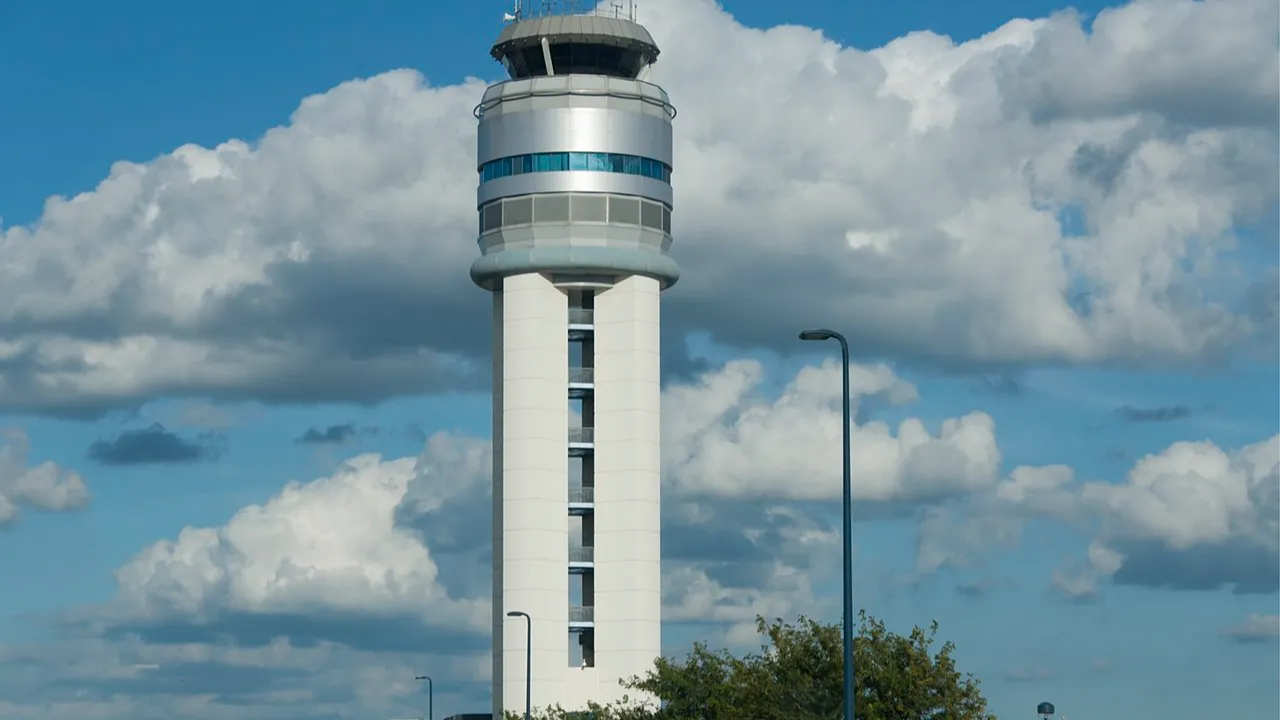
What is Air Traffic Control?
Air traffic control is a layered system of discrete authorities, each responsible for a defined slice of airspace, governed internationally by the standards of the International Civil Aviation Organization (ICAO).
Class A, B, C, D, and E airspace are all classified as controlled airspace, within which aircraft operators are subject to specific pilot qualifications, operating rules, and equipment requirements — with Class A imposing the most stringent conditions and Class E the least. Class G airspace, by contrast, is uncontrolled, and ICAO mandates that all ATC operations be conducted in either English or the local language of the ground station.
Separation is the foundational principle that drives every instruction a controller issues. National separation standards are based on the provisions of ICAO Document 4444 that specifies minimum lateral and vertical distances that must be maintained between aircraft at all times.
Current separation rules within the National Airspace System (NAS) require at least five miles of lateral distance between aircraft at the same altitude, or 1,000 feet of vertical separation — and for aircraft established on the same final approach track within 10 nautical miles of the runway threshold, the minimum reduces to 2.5 nautical miles.
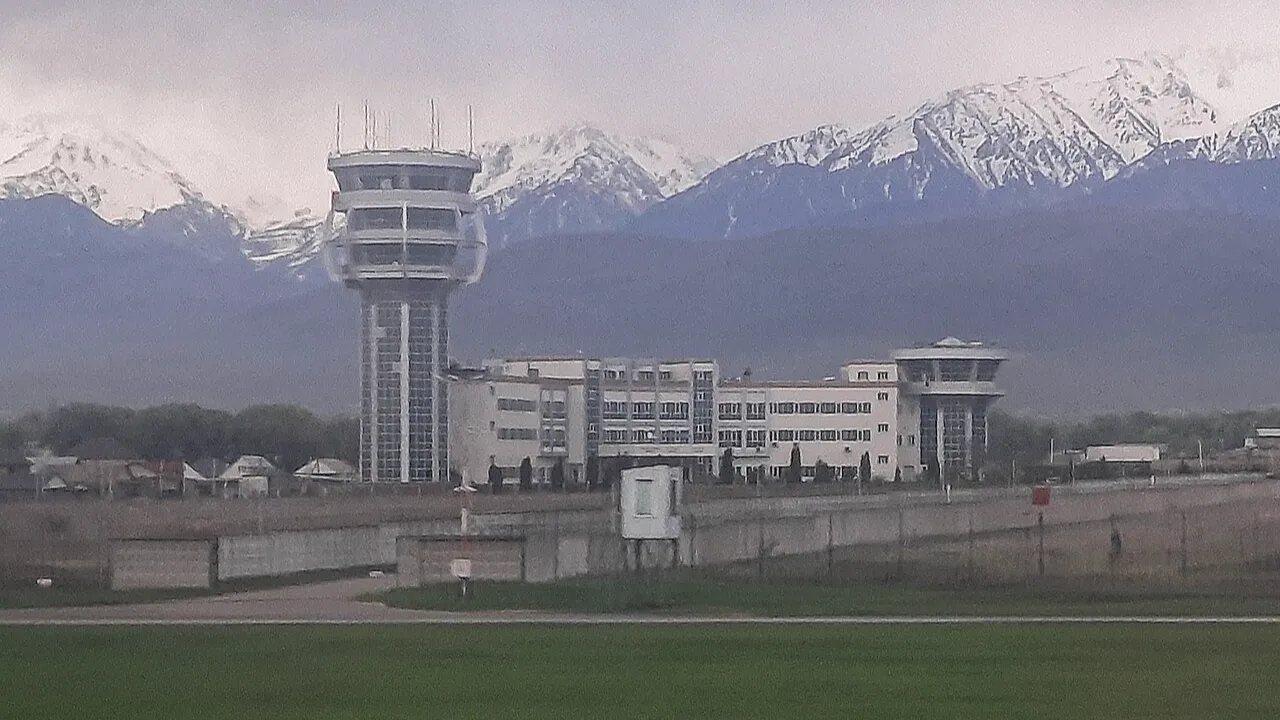
The Three Pillars of ATC Service
The operational structure of air traffic control divides into three primary service branches, each occupying a distinct segment of a flight’s profile. Every aircraft that departs from a controlled aerodrome transits all three in sequence, and the handoffs between them demand rigorous coordination.
Aerodrome control governs the airport surface and its immediate vicinity. Aerodrome controllers work in the control tower and manage traffic within five miles of the airport, providing guidance to flight crews regarding correct taxi positions, runway assignments, and stand locations to maintain order in high-traffic environments.
They issue the clearances for engines to start, instruct pilots on which taxiways to use, and grant final clearance for takeoff only after verifying that the runway and surrounding airspace are clear.
Approach control (also called terminal control) bridges the aerodrome and the en-route environment. Approach controllers have the specific task of controlling aircraft on approach to an airfield, guiding them through a sequence of altitude and heading adjustments to align with the runway, and simultaneously keeping departing traffic separated from arriving streams.
This is also where radar vectoring becomes the primary tool: the approach controller issues headings and descent profiles that funnel multiple aircraft from different directions into a single, orderly queue. The terminal control area is assigned specific airspace boundaries and altitudes that vary according to the airport’s size, traffic flows, and local terrain.
Area control operates at the highest level of the hierarchy, governing aircraft in cruise between airports. An area control centre (ACC) [known in the United States as an Air Route Traffic Control Center (ARTCC)] is responsible for controlling aircraft flying in the airspace of a given flight information region at high altitudes, between airport approaches and departures, accepting traffic from and passing traffic to terminal control facilities or adjacent centres.
The geographic area covered by each ARTCC spans several states and is divided into sectors both geographically and by altitude. In dense traffic areas, one geographic region may have separate sectors handling aircraft below 18,000 feet, another for altitudes between 18,000 and 28,000 feet, and a third for aircraft flying between 29,000 and 60,000 feet.

How a Controller Guides a Flight from Gate to Gate
During the preflight phase, the pilot files a flight plan with the tower that includes the airline name, flight number, aircraft type, intended airspeed, and proposed routing. The ATC tower reviews weather conditions and flight plan data, then issues a route clearance that authorises the flight to proceed. Once the tower issues clearance for takeoff, the ground controller directs the pilot out of the gate area and provides taxi instructions specifying which route and which runway to use.
At the departure runway, the strip is handed from the ground controller to the local controller. The local controller issues final takeoff clearance and, as the aircraft climbs away from the airport and reaches five miles beyond it, provides the pilot with a new radio frequency for the departure controller.
From this point, the departure controller, who is stationed at the Terminal Radar Approach Control (TRACON) facility, assumes electronic surveillance responsibility and monitors the aircraft’s climb toward the en-route phase.
In the cruise phase, once the aircraft leaves TRACON airspace, it enters a sector of the Air Route Traffic Control Center (ARTCC), whose centre controller manages all air-to-ground communication and provides updated weather, traffic, and altitude information to maintain safe separation throughout the flight.
As an aircraft approaches the boundary of one sector, its data block begins flashing on the adjacent sector’s radar display simultaneously, alerting the receiving controller. Once the incoming controller accepts the handoff, the outgoing controller instructs the pilot to change frequencies.
During descent, as the aircraft approaches within 50 miles of its destination, it re-enters TRACON airspace. The approach controller assumes responsibility and begins issuing heading, speed, and altitude adjustments to align the aircraft for landing.
Within 10 miles of the runway, the local controller takes over, verifies that the runway and overlying airspace are clear, and issues landing clearance before ultimately passing the aircraft to the ground controller for taxi to the gate.
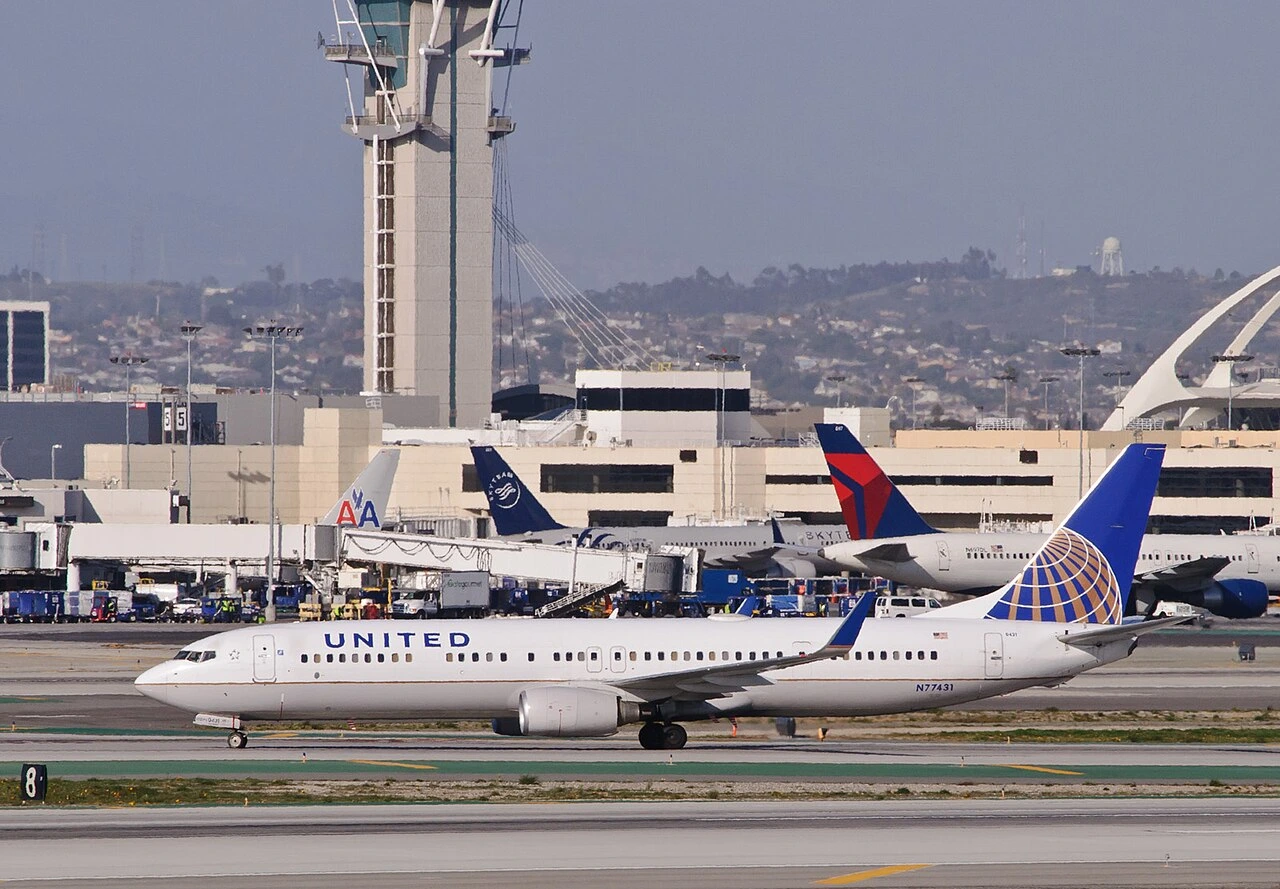
How Pilots Maintain Order in Aerodromes Without Airspace
Not every aerodrome on the planet has a control tower. In airports without ATC service, strict procedures require pilots to make their own transmissions on the Common Traffic Advisory Frequency (CTAF), broadcasting their callsign, flight rules, aircraft type, departure and destination aerodromes, and their taxi and departure intentions. This ensures that other pilots in the area are aware of traffic movements.
This self-separation regime functions reasonably well at low-traffic aerodromes, but its inherent limitations become acute as traffic density rises. It is precisely why the expansion of ATC coverage to smaller airports remains a central policy priority for national aviation authorities worldwide.


.jpg)