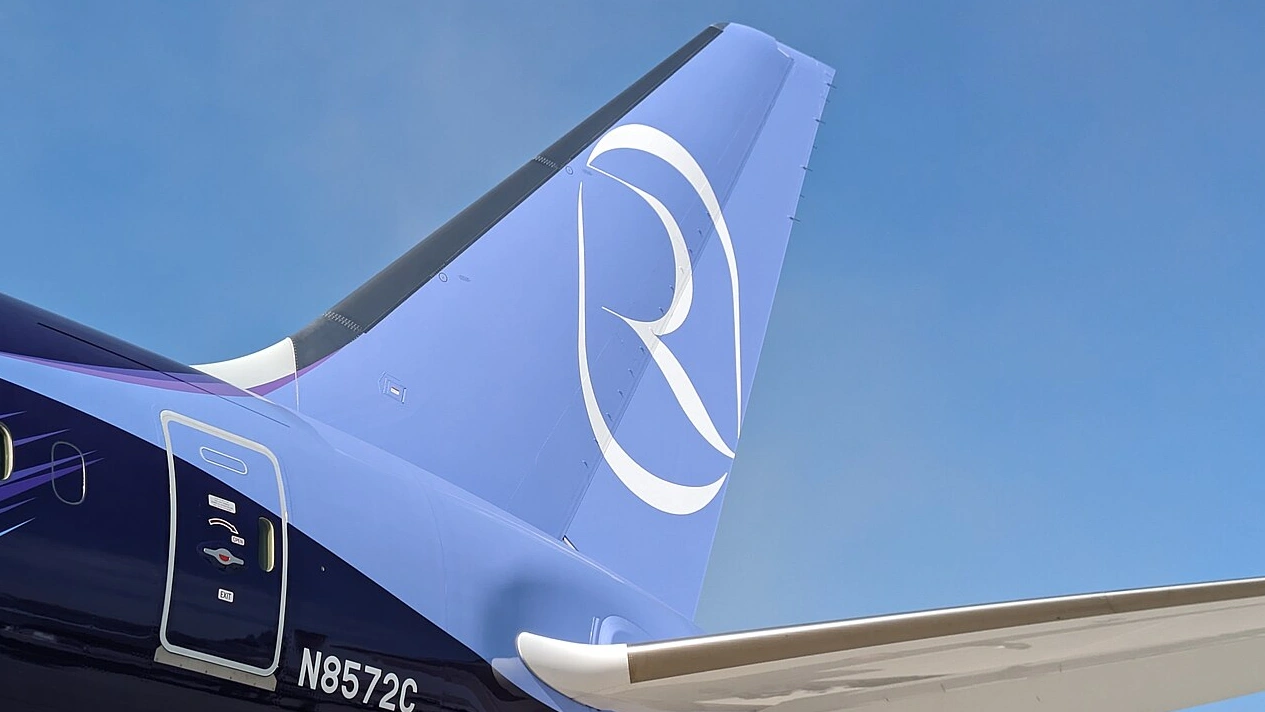
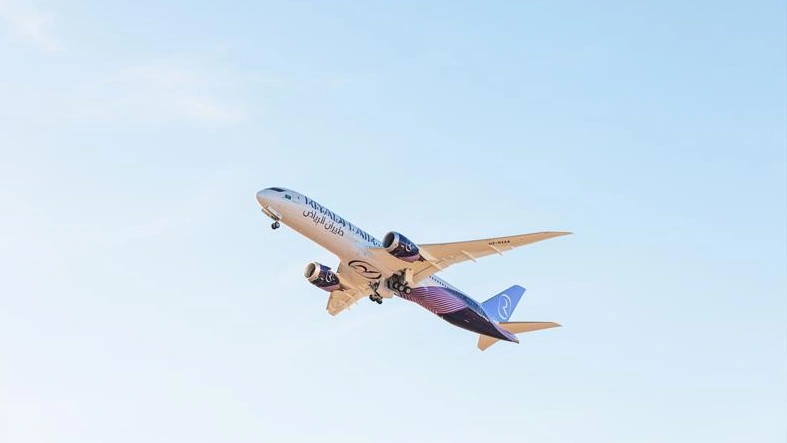
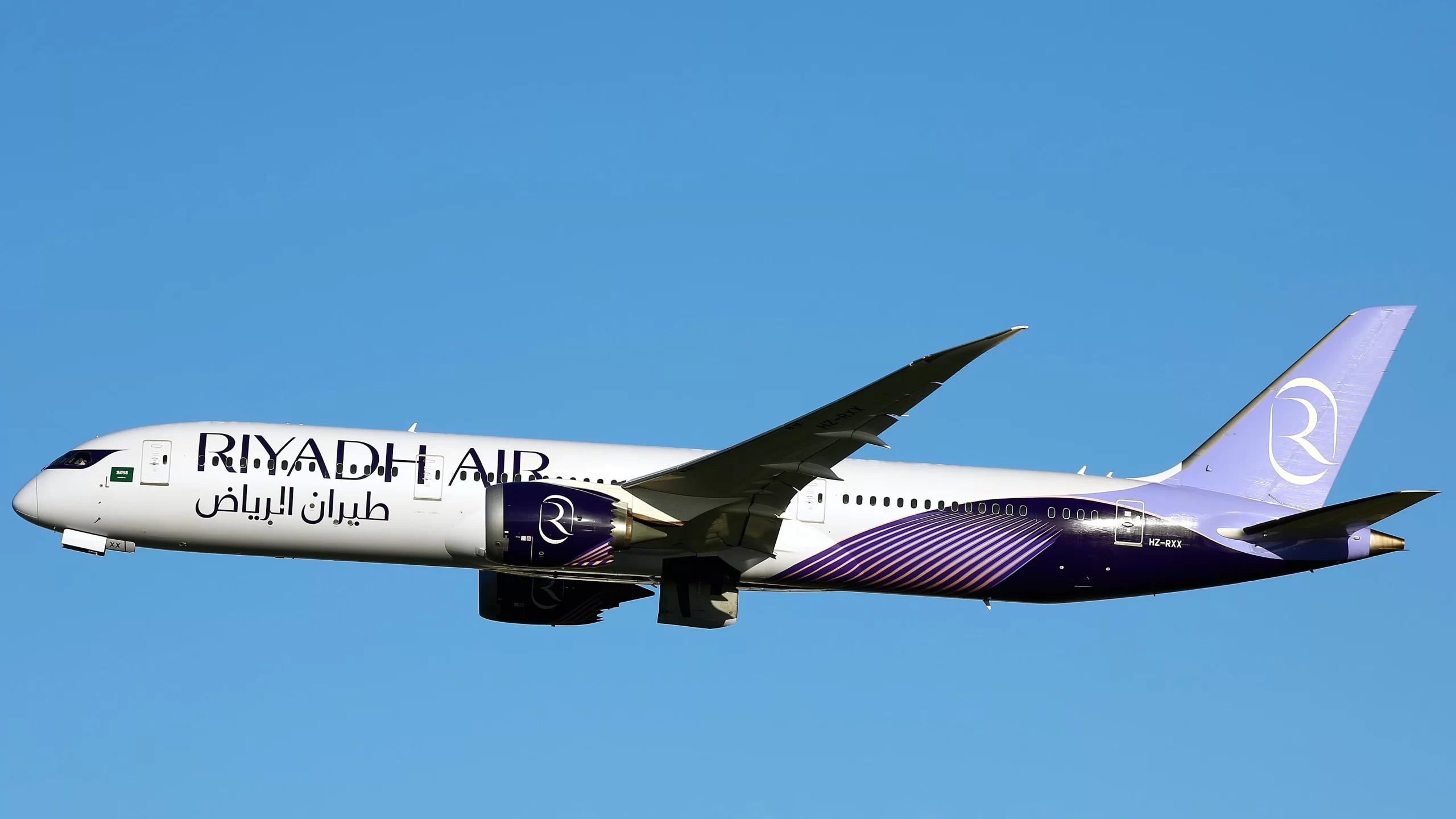
Riyadh Air, the national carrier of Saudi Arabia, which recently launched Riyadh cargo, has announced a strategic partnership with Neo Space Group (NSG) — a Public Investment Fund (PIF)‑owned commercial space services company — to equip its upcoming Airbus A321 fleet with state‑of‑the‑art in‑flight connectivity (IFC) technology, according to a joint statement from the two companies.
The agreement, unveiled on 26 January 2026, will see the deployment of the NSG Skywaves® IFC solution on Riyadh Air’s narrow‑body aircraft, providing passengers with high‑speed internet of up to 300 Mbps during flight.

This collaboration underscores Riyadh Air’s ambition to become the world’s first digitally native airline, enabling a fully connected passenger experience from gate to cruising altitude. The first connected Airbus A321 service is anticipated upon entry into service of these aircraft in Q4 2026, per Riyadh Air’s CFO.

What Riyadh Air’s Neo Space Group Partnership Entails
Riyadh Air’s selection of NSG Skywaves® represents a major step toward redefining passenger expectations for broadband service at altitude. The Skywaves® platform incorporates HBC+ hardware and the Thinkom Ka2517 antenna — a solution already deployed on over 1,700 aircraft globally — to deliver fast, low‑latency internet connectivity.
Key Features of the IFC System:
-
Broadband speeds up to 300 Mbps enabling streaming, messaging and browsing.
-
Uses SES Open Orbits™ multi‑orbit satellite network for global coverage.
-
Passengers can access internet connectivity through onboard “simple registration” that ties to Riyadh Air’s loyalty program Sfeer.
Neo Space Group CEO Martijn Blanken said the partnership with Riyadh Air would focus on creating a digitally seamless passenger experience, aligning the initiative with Saudi Arabia’s broader vision for the future of aviation.
Technical Overview: Skywaves® and SES Open Orbits™ (H2)
The NSG Skywaves® IFC platform is designed around a multi‑orbit backbone that integrates GEO (geostationary) and MEO (medium earth orbit) satellites to optimize coverage, bandwidth and reliability at cruising altitude. The SES Open Orbits™ network enables adaptive bandwidth allocation and ensures connectivity even over remote airspaces where traditional single‑orbit systems may falter.
Operational benefits include:
-
Seamless broadband coverage across regions typically challenging for IFC providers.
-
Scalability and capacity adjustments without service interruption.
-
Reliability derived from combined GEO/MEO satellite resources.
Why Riyadh Air’s Partnership with Neo Space Group Matters
The significance of Riyadh Air’s IFC partnership extends beyond passenger convenience. It reflects larger trends in aviation:
-
Passengers increasingly expect ground-like connectivity in flight for productivity, entertainment and communication — a trend that even shaped Ryanair’s recent public standoff with Elon Musk over its decision not to install Starlink.
-
Airlines see IFC as a commercial differentiator, especially for premium and loyalty program members.
-
Regional initiatives like Saudi Vision 2030 emphasize digital infrastructure and innovation in aviation.
In an industry where airline loyalty and passenger experience directly influence market share, Riyadh Air’s strategy positions it as a front‑runner in digital passenger services.

Conclusion
Riyadh Air’s alliance with Neo Space Group to deploy high‑speed Skywaves® IFC on its Airbus A321 fleet is a decisive move toward future‑ready aviation services. By blending cutting‑edge satellite broadband technology with strategic digital vision, the airline is setting a benchmark for connectivity, elevating passenger experience, and aligning with global digital transformation goals in aviation.

.jpg)
.jpg)

.jpg)
