On 21 January 2026, Riyadh Air (RX) formally inaugurated its cargo division under the brand Riyadh Cargo, representing the carrier’s first major step into the global air freight domain, as it looks to integrate its belly-hold capacity on its expanding fleet and leveraging sophisticated digital systems to deliver reliable cargo connectivity worldwide.
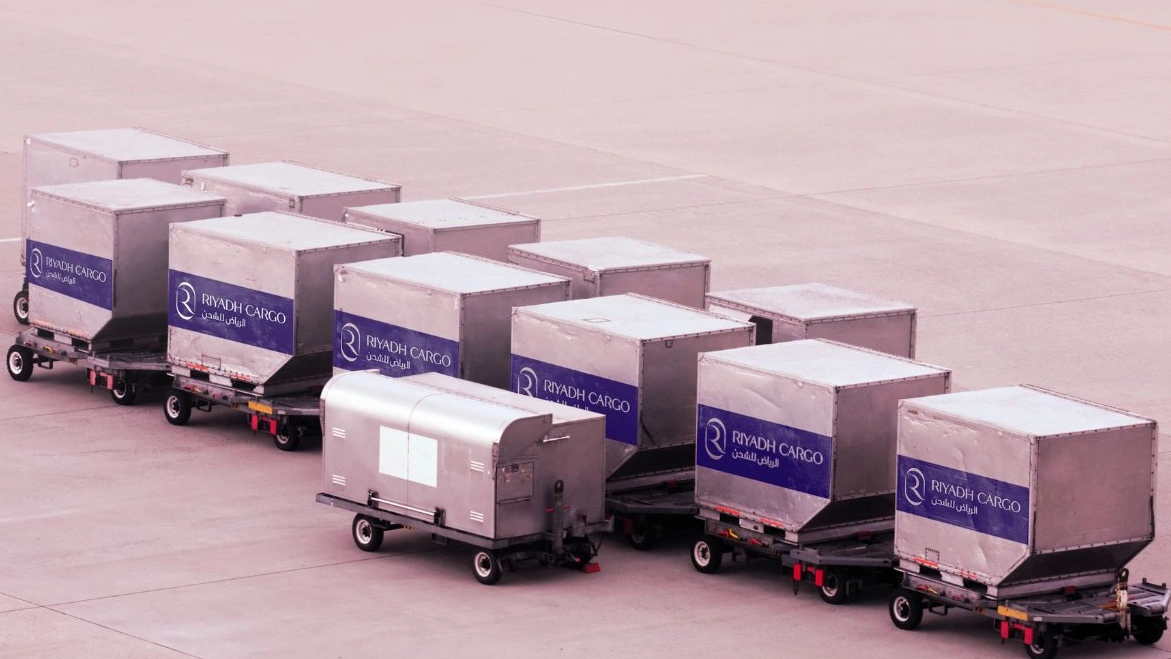
The launch is driven by the Kingdom’s broader economic diversification objectives under Saudi Vision 2030, aimed at reducing oil dependency and expanding logistics and trade sectors. Riyadh Cargo’s capabilities are designed to support efficient movement of goods across continents, utilising Riyadh’s geographical advantage and an anticipated global network that will extend to more than 100 destinations by 2030.

Riyadh Cargo: Strategic Growth and Service Launch
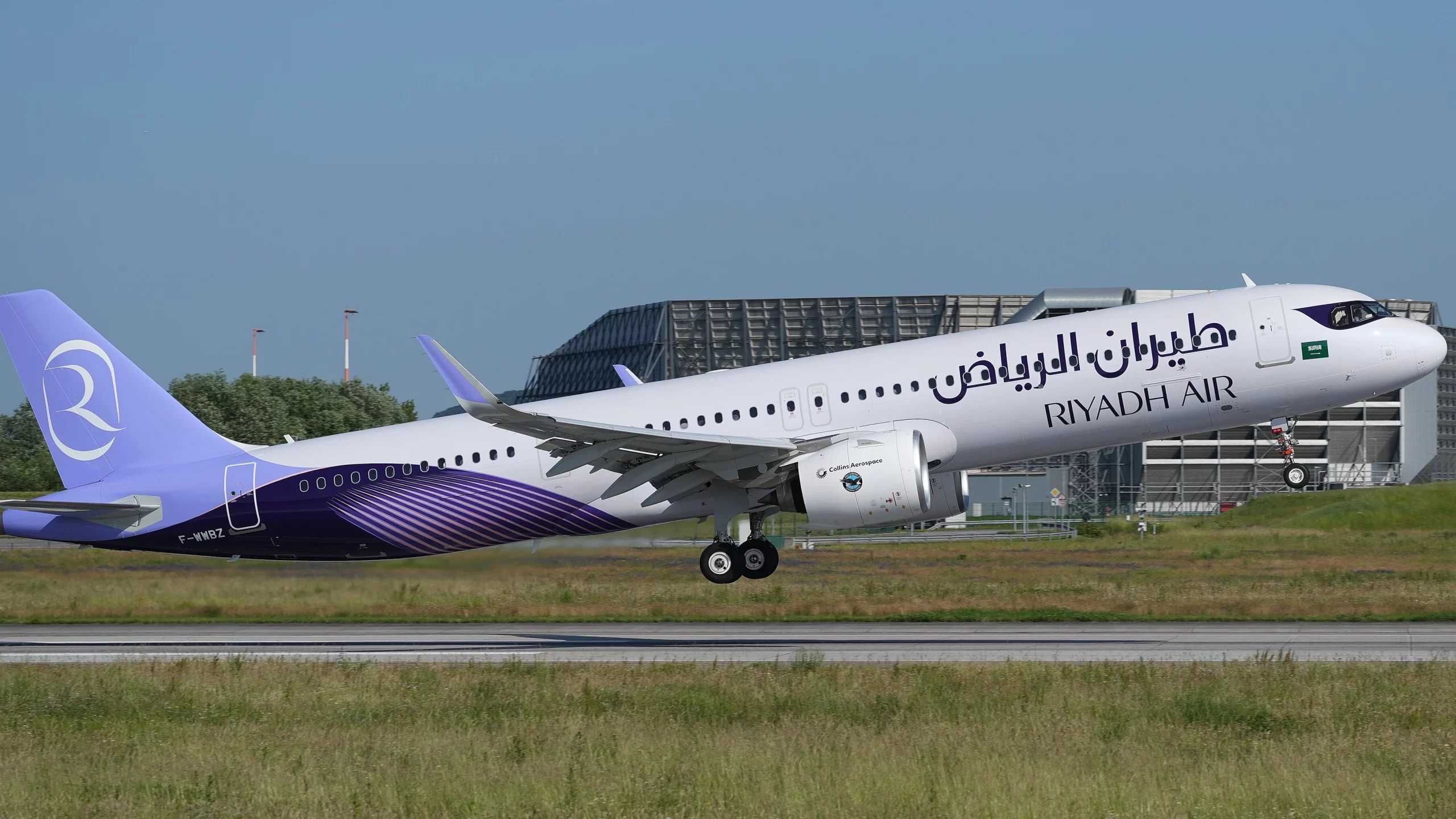
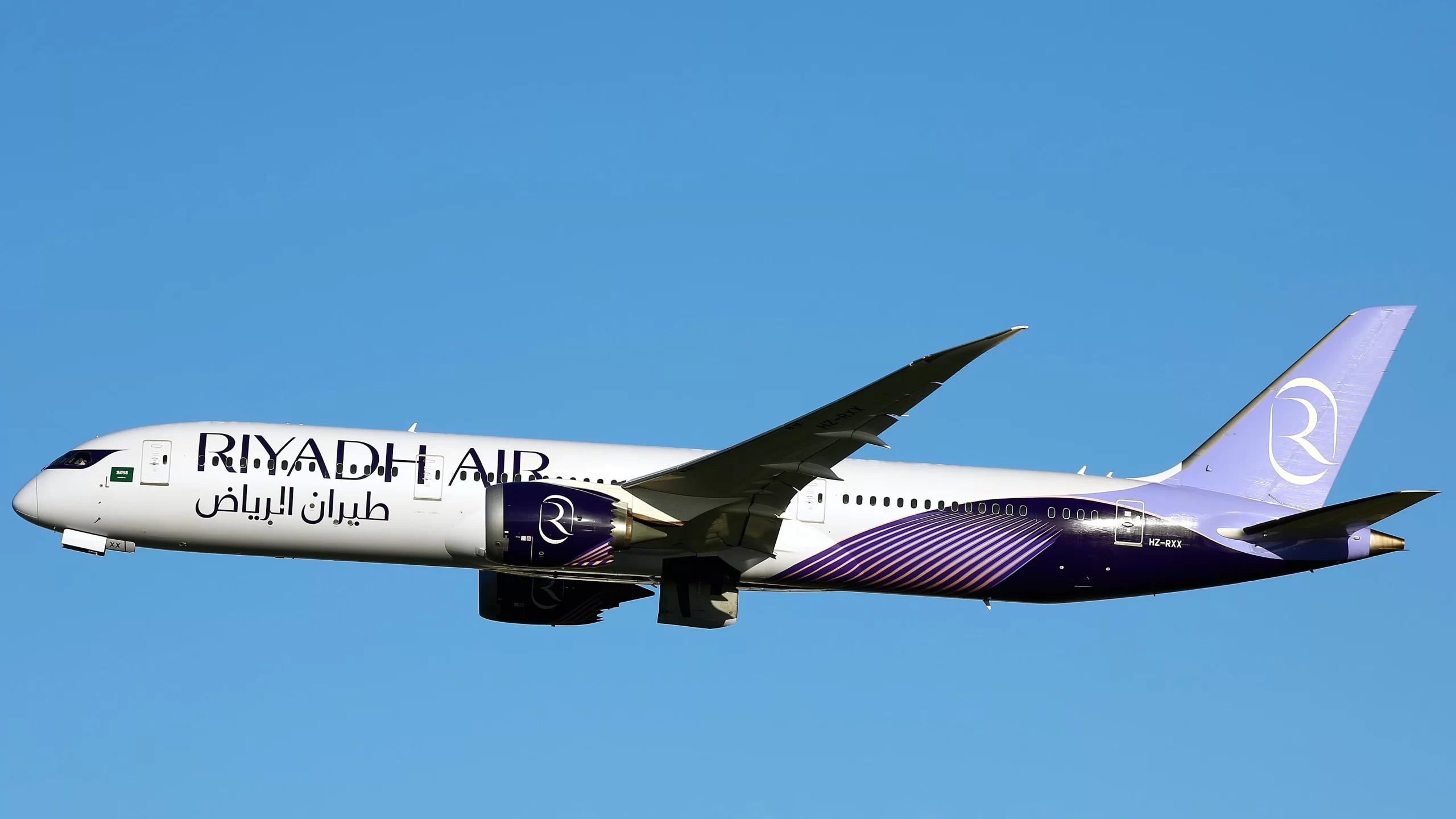
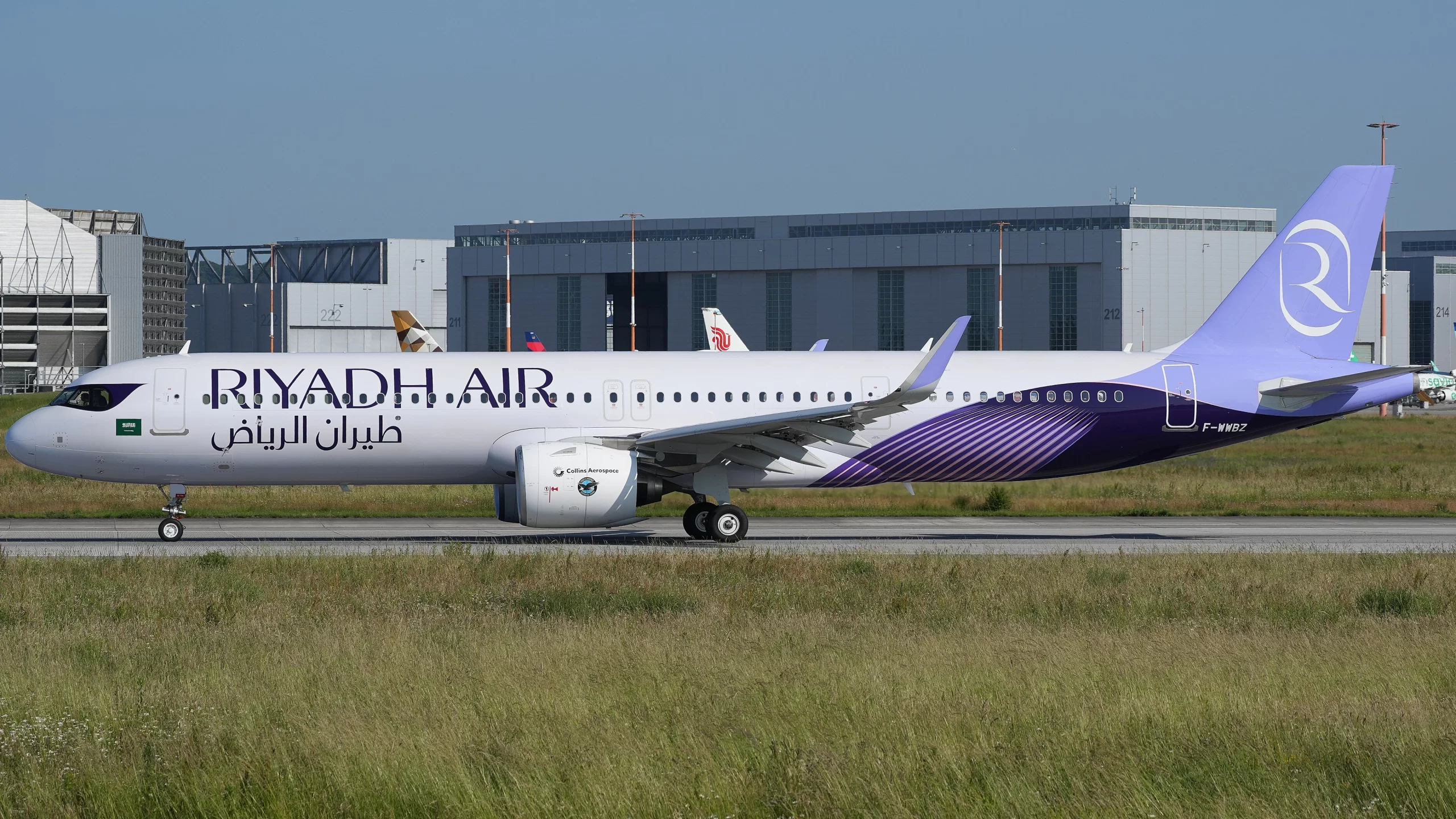
Riyadh Cargo’s initial operations utilize belly-hold capacity on a currently minimal in-service fleet, with the strategy designed to scale as Riyadh Air’s much larger order book is delivered. According to Pravin Singh, the airline’s total order of 182 aircraft includes 122 widebodies — comprising Airbus A350-1000s and Boeing 787-9 and 787-10 Dreamliners — which will progressively expand the belly-hold cargo capacity available, STATSTimes flagged.
Around the mid of 2025, the carrier ordered 25 Airbus A350-1000, an aircraft type that is already capable of operating with up to 50% Sustainable Aviation Fuel (SAF) and one which Airbus calls “the world’s most modern and efficient widebody aircraft, setting new standards for intercontinental travel“. Riyadh’s strategy of utilizing belly-hold capacity for cargo operations ensures that cargo services expand naturally with passenger service growth, rather than as a standalone freight arm requiring separate infrastructure.
Key operational highlights include:
-
Deployment of cargo shipments across an expanding network, initially demonstrated between Riyadh and London Heathrow (LHR), handling various commodities including perishables and textiles.
-
Digital cargo management via CHAMPS’s Cargospot-neo platform for real-time data visibility and airway bill control.
-
Strategic partnerships with ground handlers like SATS Saudi Arabia, delivering services at RUH, King Fahd International Airport (DMM), Dammam, and King Abdulaziz International Airport (JED), Jeddah.
On the occasion that the carrier announced its freighter services, Pravin Singh, Global Head of Cargo at Riyadh Air, commented:
“Riyadh Cargo has been built with a clear focus on operational discipline, reliability, and long-term scalability. Launching within a live environment allows us to test, learn, and continuously refine how we operate.”
Market Context: Middle East Air Cargo Growth
The Middle East’s air cargo sector is experiencing robust expansion, underpinned by regional investment and growing e-commerce demand. Events like the Air Cargo Middle East Expo 2026 highlight the industry’s scale, with stakeholders showcasing solutions across a multi-billion-dollar logistics ecosystem.
Saudi Arabia: Key Indicators shaping air cargo and logistics growth
| Metric | Value | Context / Significance |
|---|---|---|
| Projected air cargo market value | USD 5 billion | Positions Saudi Arabia as a fast-emerging global hub for air freight and logistics |
| Transport infrastructure investment by 2030 | USD 266 billion | Vision 2030-backed development of airports, seaports, and integrated logistics zones |
| Cargo throughput target by 2030 | 4.5 million tonnes | Represents a fivefold increase, reflecting ambitions to become a regional and international cargo powerhouse |
| Cargo handling capacity by 2030 (Riyadh airports) | 3.5 million tonnes | Driven by expansion of King Khalid International Airport and King Salman International Airport |
| Strategic outcome | — | Establishes Saudi Arabia as a gateway for global trade and supply chain growth |
Saudi aviation authorities reported cargo throughput at domestic airports surpassing 866,000 tonnes in the first nine months of 2025 alone
Riyadh Cargo Operational Enablers and Strategic Partnerships
Several partnerships underpin Riyadh Cargo’s functional capability:
-
CHAMPS (Cargo spot-neo) provides an integrated cargo management platform, enhancing operational control and data transparency.
-
Unilode supplies state-of-the-art digital tracking capable Unit Load Devices (ULDs) to improve inventory management and shipment tracking.
-
SATS Saudi Arabia contributes hub management and cargo handling expertise, supporting daily operations across key Saudi gateways.
These partnerships provide a solid foundation for Riyadh Cargo’s scalable growth, helping the service meet the demands of international freight forwarders and shippers.
All in All
According to CBNME, Riyadh Cargo is expected to propel Riyadh Air’s non-oil revenue contribution, projecting to support an estimated USD 20 billion addition to Saudi Arabia’s GDP and create 200,000 direct and indirect jobs as the airline’s network expands.
With visions of handling millions of tonnes of cargo annually and integrating with major global supply chains, Riyadh Cargo represents a pivotal evolution in the Kingdom’s aviation narrative.

.jpg)
.jpg)
.jpg)