Boeing (BA) and Ethiopian Airlines (ET) announced on January 20, 2026, that Africa’s largest carrier has ordered nine additional 787 Dreamliner airplanes. The order was finalized in December 2025 and was announced from Addis Ababa. Ethiopian Airlines will use the jets to grow its long-haul network from its hub at Addis Ababa Bole International Airport (ADD), Addis Ababa, which currently serves 145 international destinations.
The new Dreamliners follow a separate commitment for 11 Boeing 737 MAX jets that Ethiopian Airlines signed at the Dubai Airshow in November 2025. Together, the two deals add 20 fuel-efficient Boeing airplanes to the carrier’s order book within a single year. Ethiopian Airlines Group CEO Mesfin Tasew said the order underscores the airline’s commitment to enhancing its fleet with modern, fuel-efficient aircraft, strengthening customer service in the process.
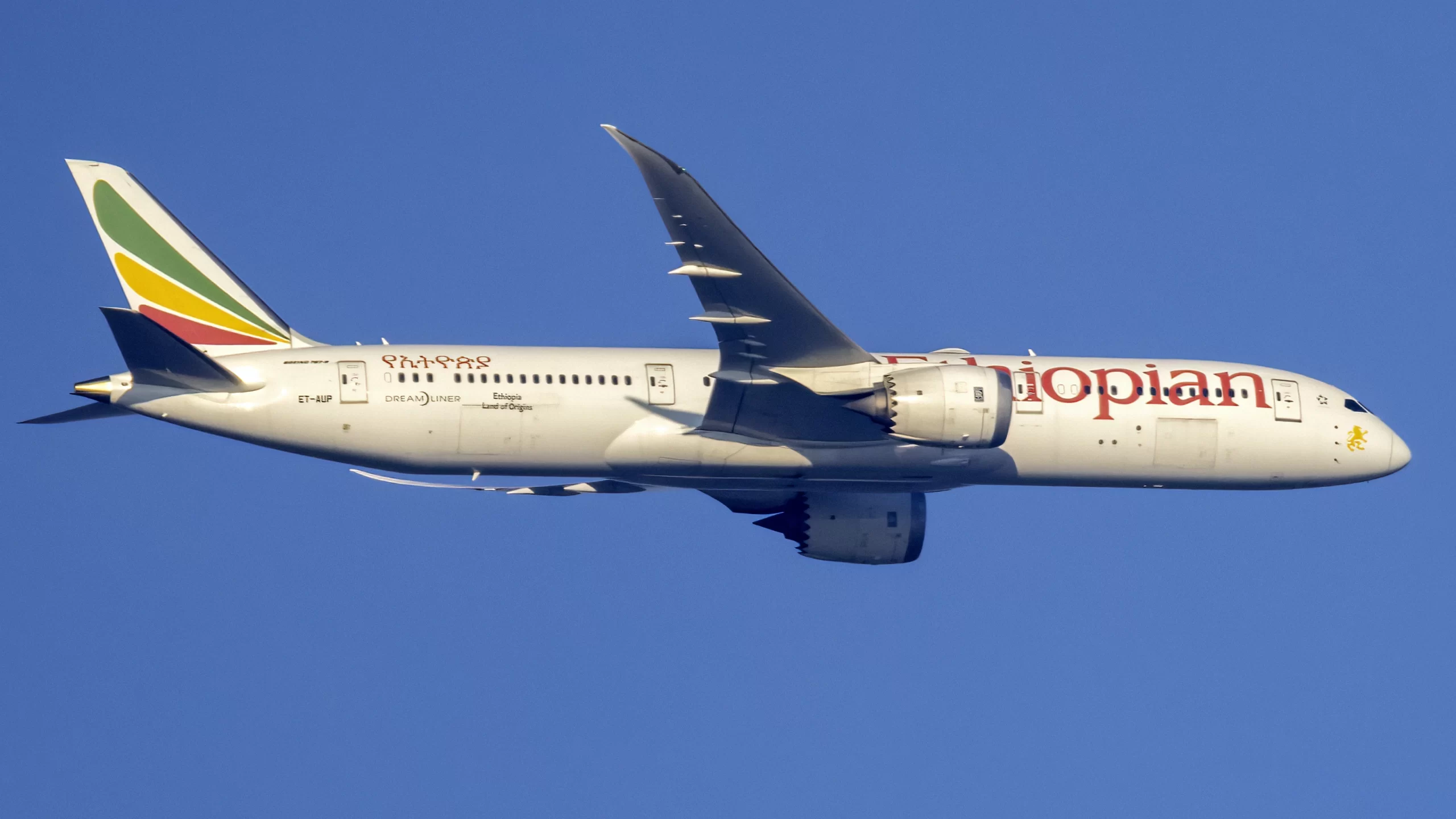
Photo: Acroterion | Wikimedia Commons
What the order covers: nine 787-9s and 20 Boeing jets in total
The new order is specifically for the 787-9 variant of the Dreamliner family. It adds to a fleet that already includes 30 Dreamliners, comprising 20 Boeing 787-8s and ten 787-9s, according to fleet data reported by Avio Space. The 787-9s in that existing fleet average 6.2 years old, while the older 787-8s average 11.3 years, showing a fleet that is still relatively young by industry standards.
Both the Dreamliner order and the 737 MAX commitment were finalized within weeks of each other, giving Ethiopian Airlines the largest Boeing backlog of any carrier in Africa. The airline already operates the continent’s biggest Boeing fleet, spanning 737 MAX, 777X, and 787 Dreamliner types. This combination of narrowbody and widebody orders points to simultaneous growth across regional and intercontinental routes.
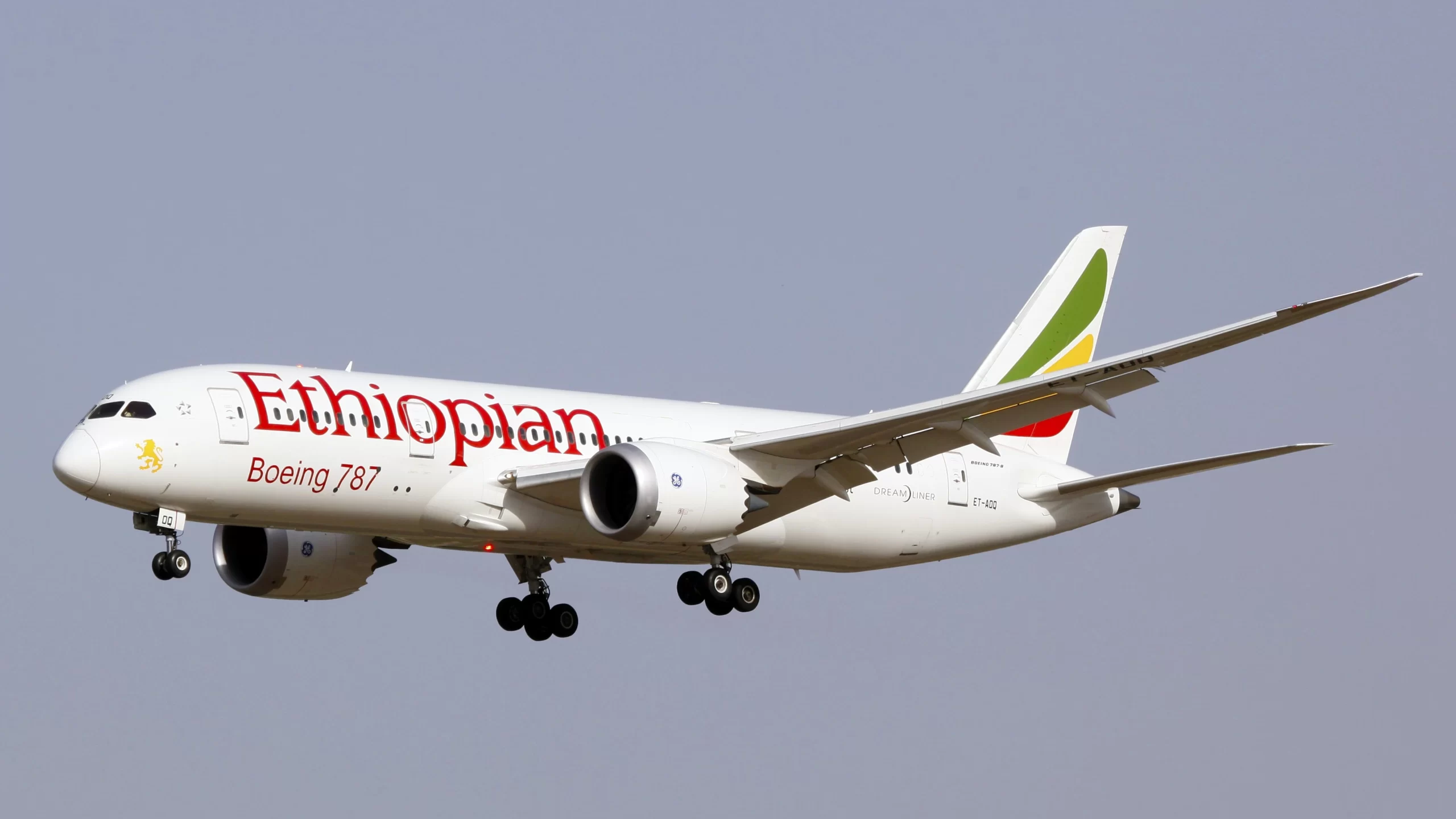
How Ethiopian Airlines plans to use the new Dreamliners
Ethiopian Airlines flies its 787-8 and 787-9 jets on intercontinental routes connecting Addis Ababa to destinations across Europe, Asia, and North America, alongside key routes within Africa. The airline calls the Dreamliner central to its point-to-point strategy, since the jet’s range lets it serve secondary cities without routing passengers through a larger hub. The aircraft’s belly cargo capacity also supports Ethiopian’s trade lanes, a business line the carrier has prioritized for years.
Key advantages the Dreamliner brings to this network include:
- A 25 percent reduction in fuel use and emissions compared with the aircraft it replaces
- Access to routes that were previously uneconomical with older widebody jets
- Belly cargo space that supports high-demand trade lanes alongside passenger traffic
- A cabin configuration built for long-haul comfort on Ethiopian’s 787-9s, including flat-bed business class seating
Boeing says the Dreamliner family has helped airlines open more than 520 new nonstop routes since entering service in 2011, and has carried over one billion passengers worldwide. Anbessie Yitbarek, Boeing vice president of commercial sales and marketing for Africa, framed the aircraft as central to Ethiopian’s mission of connecting the continent with the rest of the world.
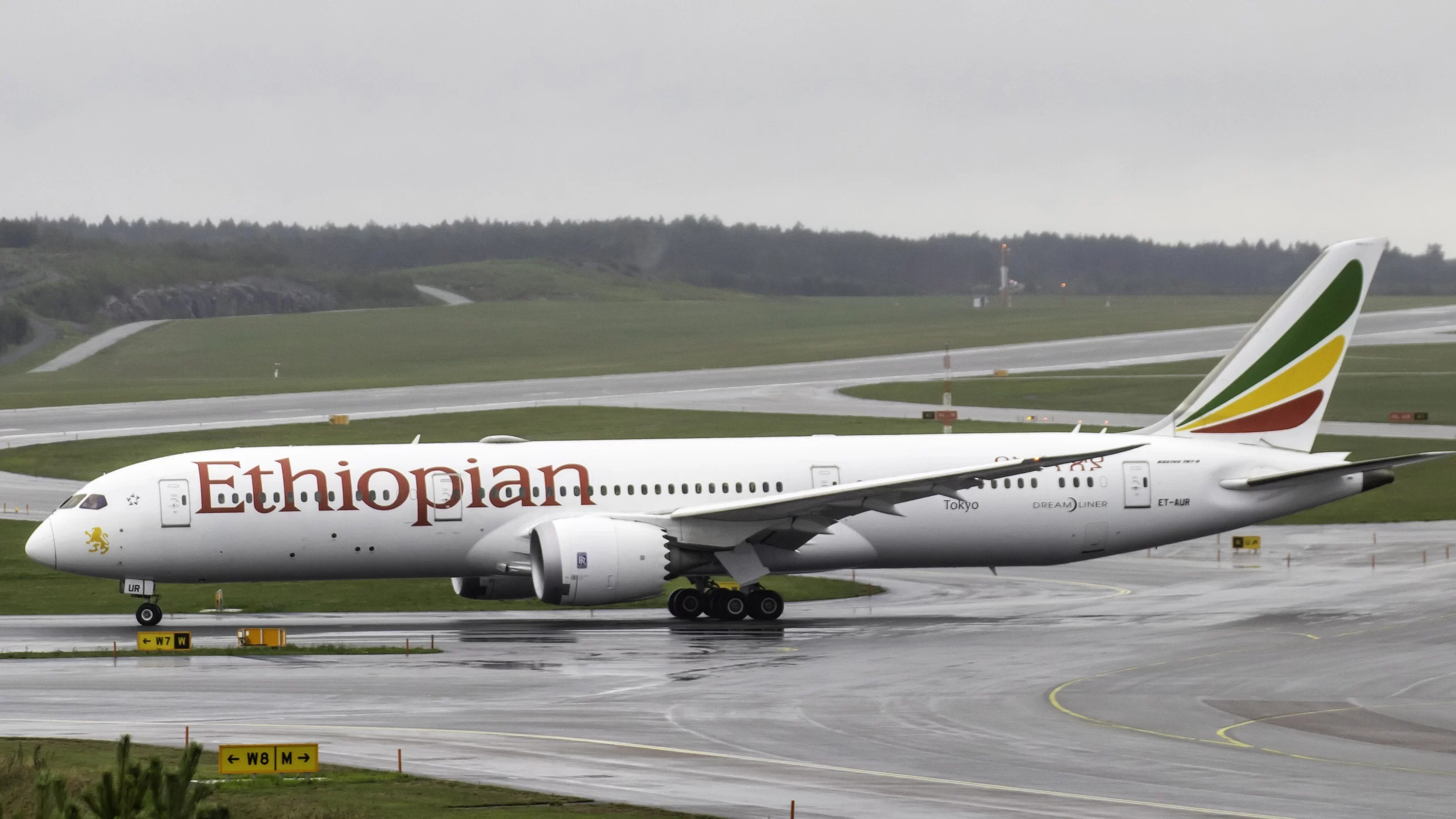
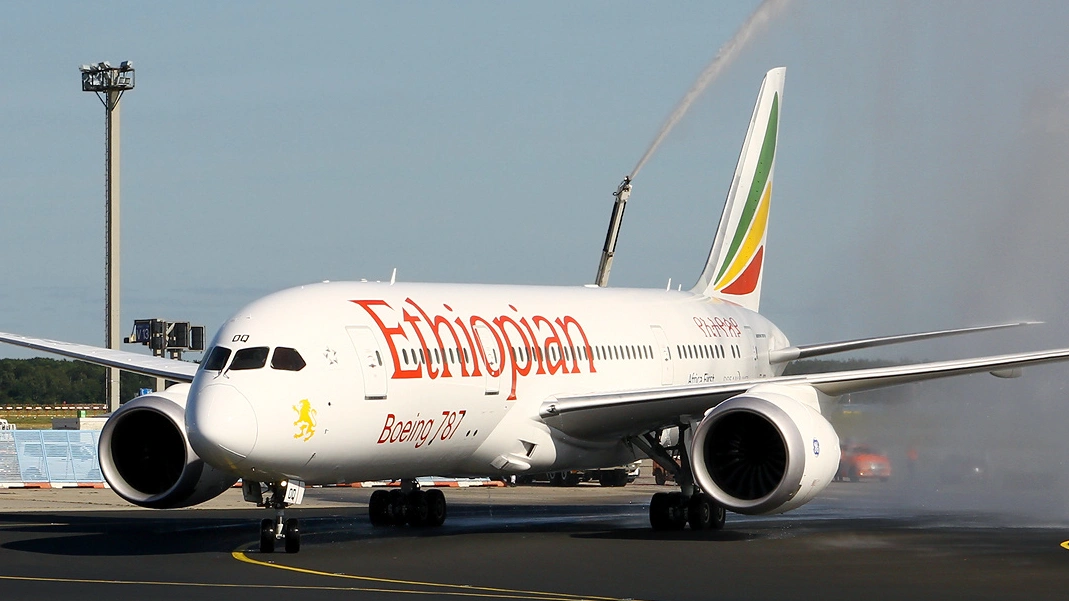
All in All
Ethiopian Airlines already ranks as the largest Dreamliner operator on the African continent, and the new order extends that lead further. Ethiopian configures its 787-9s with 30 business class seats offering a 78-inch pitch and full flat-bed recline, alongside 285 economy seats. That layout is built for the long sectors the airline flies out of Addis Ababa, where flight times to Europe, Asia, and North America often exceed eight hours. A young, standardized widebody fleet also simplifies maintenance and crew training across the carrier’s international network.

.jpg)

